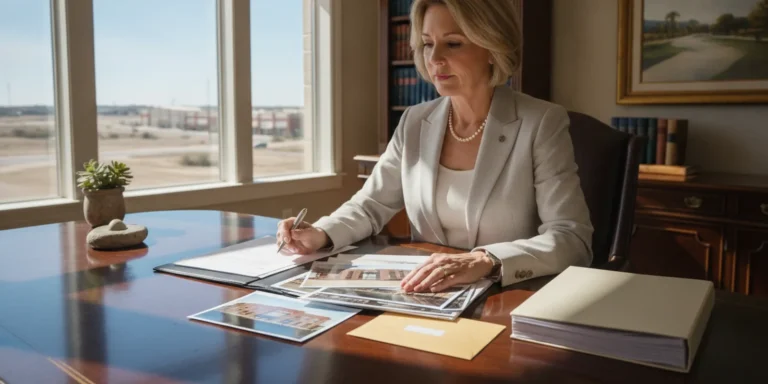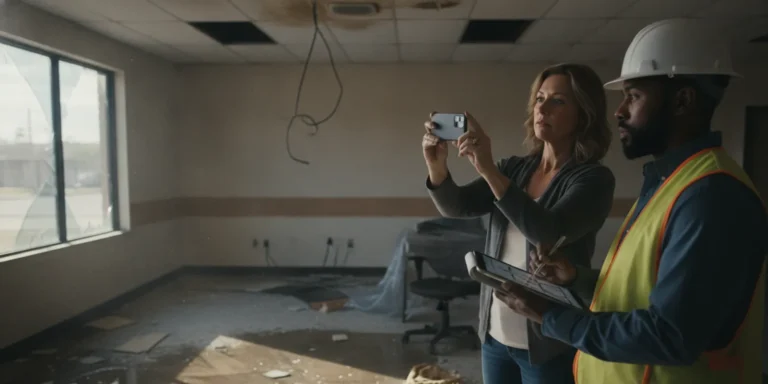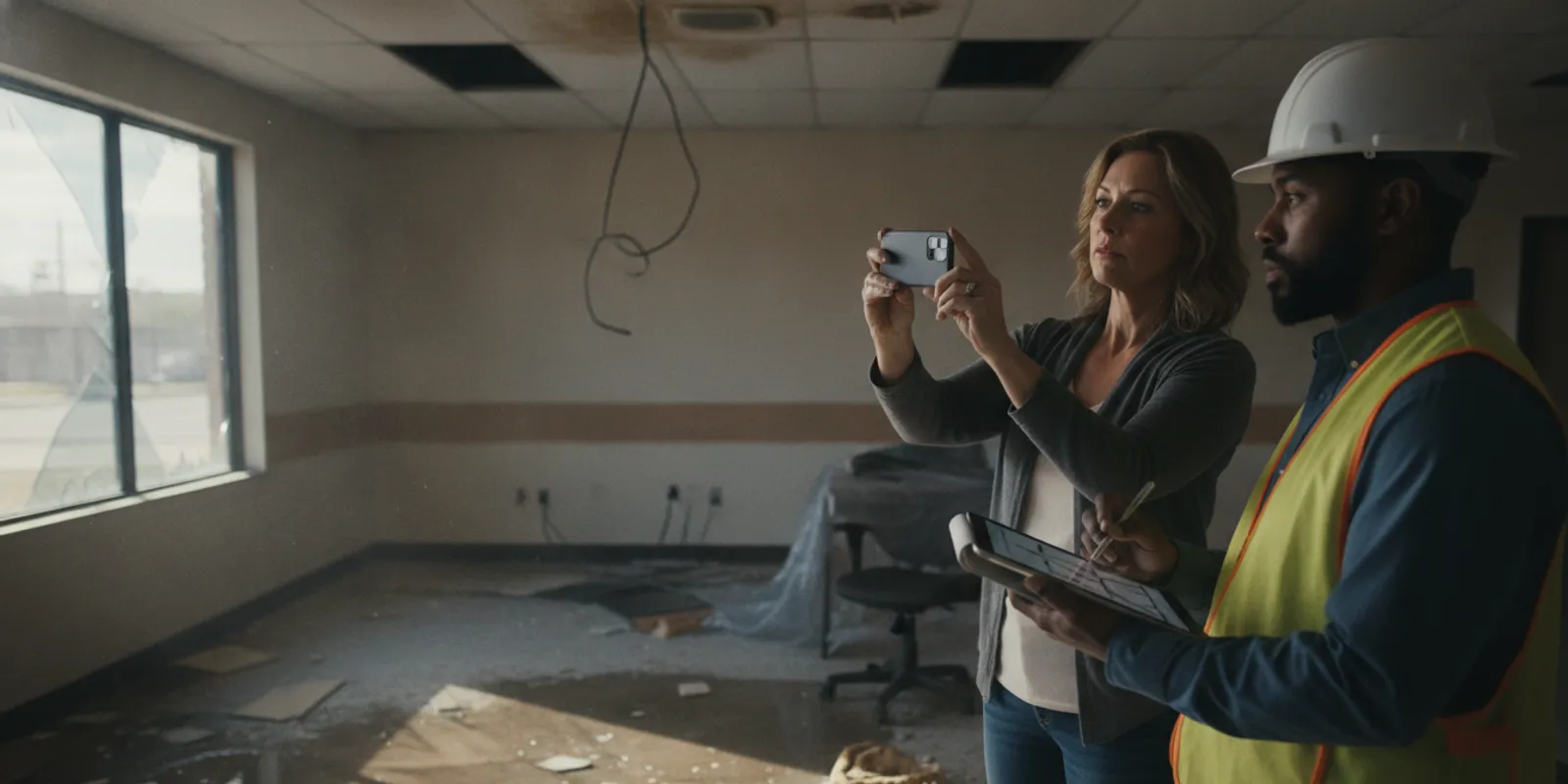
When should a Texas business complete repairs before claim payment? The answer depends on the immediate risk, the policy, the insurer’s inspection, and what the proposed work will change. A business should not leave people or property exposed while waiting for a claim decision. But before permanent work removes or covers damaged materials, create a reliable record and give the insurer a reasonable opportunity to inspect when circumstances permit.
Discuss your property insurance claim
There is no one timing rule that answers every loss. A temporary measure to keep rain out is different from replacing an entire roof. The useful question is what must happen now to protect the property, what can wait long enough to document or inspect, and what records will explain the decision later. This guide offers a practical framework, not a decision about coverage under any particular policy.
What is the difference between mitigation and permanent repair?
Mitigation is work intended to reduce an immediate hazard or prevent additional damage. Examples may include placing a temporary covering over an opening, shutting off a water source, moving contents away from an affected area, or restricting access to an unsafe space. The right response depends on the actual conditions. A business should not delay reasonable protective steps simply to preserve a photograph.
Permanent repair restores or replaces a building component or item for ongoing use. Replacing roofing materials, rebuilding a wall, or removing damaged finishes may change what an inspector can see. Some work begins as mitigation and becomes permanent restoration as the project progresses, so ask the contractor to describe each task separately. A written scope should identify what is urgent, what can be staged, and what will be removed or concealed.
The distinction helps organize decisions, but it does not determine coverage. The policy, the cause and extent of damage, and the claim communications still matter. The firm’s repair and claim guidance offers a related overview of commercial property insurance issues.
What should the business document before work starts?
When it is safe, record the condition before cleanup, demolition, or replacement changes the scene. Take wide photographs that show the affected area in context, then closer images of openings, stains, damaged finishes, equipment, and contents. Capture multiple angles. If water or debris has moved, photograph the route or surrounding area where visible. Do not enter a hazardous area to obtain evidence; safety comes first.
Keep the original image and video files when possible. Note the date, location, and what each image shows. A short caption such as “north wall of storage room, before removal” is more useful than an unlabeled collection of images. Keep a separate copy in the claim file and avoid editing the originals. If a phone adds date and location information, preserve that information with the file.
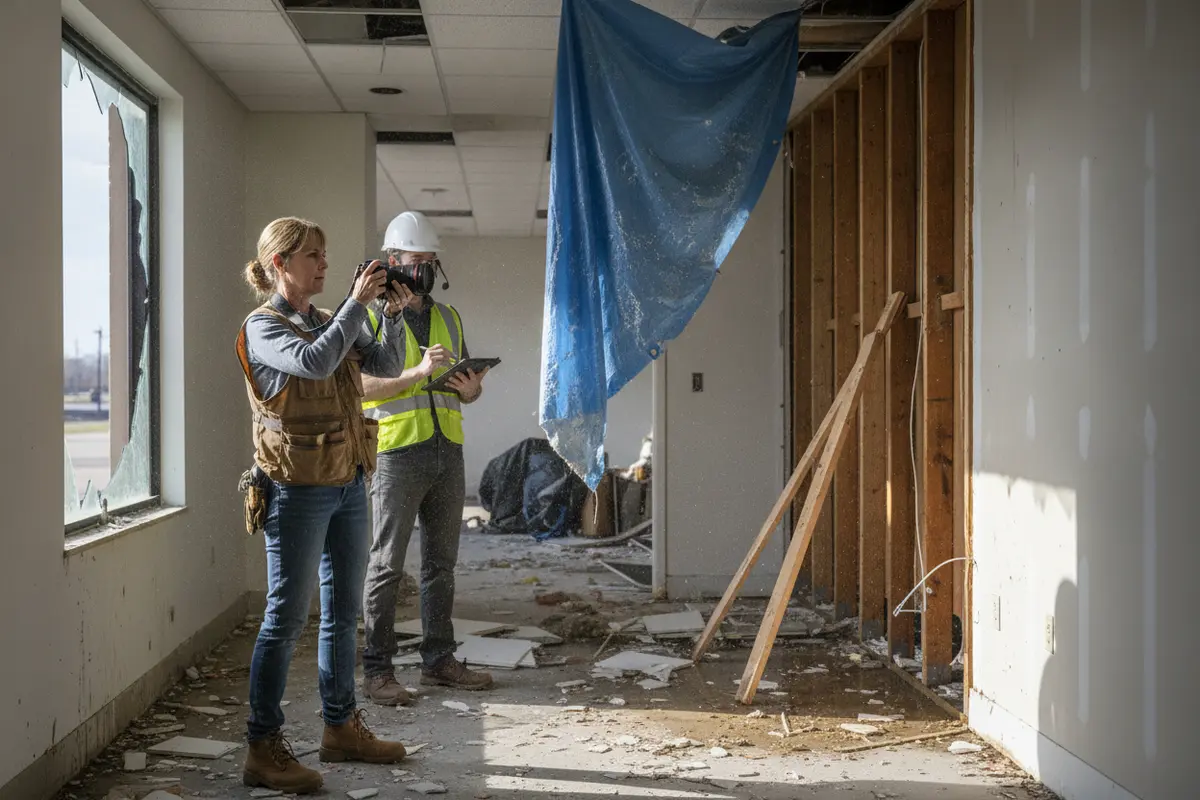
Build a simple event timeline as well. Record when the damage was first noticed, who discovered it, what conditions changed, when the insurer was notified, and when each contractor or inspector visited. Distinguish what someone observed from what they believe caused the damage. That keeps later discussions focused on evidence rather than recollection.
- Photograph the entire affected area and close details, when safe.
- List damaged contents, materials, and equipment before disposal or cleaning.
- Save estimates, work orders, invoices, receipts, and proof of payment.
- Record who authorized emergency work, when it began, and why it could not wait.
- Keep insurer messages, inspection notes, and claim documents together.
Where materials must be removed, ask whether they can be photographed, labeled, or retained temporarily. Retention may not be practical or safe in every situation. If disposal is necessary, document what was removed, from where, on what date, and why. A contractor’s dated images and work notes can help fill in details that were not visible before opening a wall or roof.
When should urgent work proceed without waiting?
Proceed with reasonable measures when delay creates a safety concern or a substantial risk of further property damage. For example, an active leak may require a temporary cover, or a damaged entry may need to be secured. The goal is to address the immediate problem, not to expand emergency work into a larger permanent project without a clear reason.
Before work begins, if time allows, contact the insurer using the method in the policy or claim instructions. Describe the condition, the protective step proposed, and when it needs to happen. Ask whether the insurer wants to inspect first or review photographs. Keep a copy of the request and response. If the situation cannot wait, record when you tried to reach the insurer and why proceeding was necessary.
Ask the contractor to separate emergency stabilization from later restoration in its invoice. A line item such as “temporary weather protection, installed on [date]” is easier to understand than one broad charge for “roof repairs.” Preserve receipts for materials and labor, and note which area each task addressed. This level of detail helps distinguish the urgent action from work that could be planned after further review.
Texas A&M AgriLife Extension’s contractor guidance discusses hiring considerations and cautions against permanent repairs before the insurer gives the go-ahead. Treat that as practical recovery guidance, not a substitute for the policy or a rule that overrides an immediate safety need. For your own loss, document urgent conditions and ask the insurer about inspection timing as soon as practical.
How can the owner compare repair options?
Request a written proposal that divides the project into clear phases. The first phase can cover stabilization. A second can describe investigation or opening up an area to determine the extent of damage. A later phase can identify permanent work. Ask the contractor to specify quantities, materials, affected locations, and assumptions. If the proposal includes work on undamaged areas, ask why that work is needed and how it relates to the observed condition.
| Work stage | Purpose | Records to request | Timing question |
|---|---|---|---|
| Emergency mitigation. | Address an immediate hazard or limit additional damage. | Dated photos, reason for urgency, task notes, and receipts. | Can this action safely wait for an inspection? |
| Investigation. | Reveal or measure damage that is not yet visible. | Before-and-after photos, measurements, and findings. | Can the insurer inspect before materials are disturbed? |
| Permanent repair. | Restore or replace affected building components. | Detailed scope, estimate, change orders, invoices, and completion records. | Has the insurer had a chance to inspect and respond? |
Compare scope, not only the total price. Two estimates may use different quantities, materials, or assumptions. Ask each contractor to identify the same work areas and explain exclusions. Keep each dated version rather than replacing an earlier estimate with a new one. If hidden damage changes the project, ask for photos and a written explanation before approving added work when circumstances allow.
Staging may help when one part of the property needs immediate attention but another part can remain undisturbed. For example, a contractor may secure an opening first, document the affected interior, and wait to replace concealed materials until an inspection can occur. That sequence is not always feasible. The owner should ask what can be separated safely and record why a different sequence was necessary.
What should the business ask the insurer?
Use focused questions and keep the answers with the claim file. The purpose is to understand what has been inspected, what information remains outstanding, and whether a proposed step affects the insurer’s ability to evaluate the damage. Ask for important instructions in writing, especially when the parties disagree about the timing or scope.
- Has the insurer inspected every area that may be affected?
- Would it like to inspect materials before they are removed or discarded?
- What photographs, estimates, or other documents should be submitted?
- Does the insurer distinguish emergency mitigation from permanent restoration?
- What is the written basis for a disagreement about scope or timing?
- Is there a requested response date or another claim step to complete?
Send materials in an organized way. Identify the claim, date the submission, and list the files included. Keep the sent message and any delivery confirmation. If a request is unclear, ask what specific record or area the insurer needs. A concise follow-up can prevent confusion about whether the business supplied the item or whether more information is still requested.
A payment or estimate may address only part of the loss. Read the accompanying explanation and preserve it. If the disagreement concerns the amount of damage, the firm’s information about appraisal disputes describes one process that may be relevant in some circumstances. Appraisal does not resolve every dispute about coverage or policy interpretation, so review the issue and policy language rather than assuming it applies to every disagreement.
What records should a contractor provide during the project?
Before authorizing work, review the written agreement for the scope, sequence, payment terms, and process for approving changes. Ask who will take progress photographs and how the business will receive them. Confirm whether the contractor will identify removed materials and provide dated notes about unexpected conditions. Keep the signed agreement and each approved change order in the same file as the claim documents.
During work, preserve a simple daily record. Note the date, work area, tasks completed, materials delivered, and any new condition found. Photograph an area before it is closed or covered. If the crew finds additional damage, ask for the location, dimensions, images, and an explanation of why the proposed added work is needed. A written update is easier to compare with an estimate than a verbal report alone.
At completion, collect final invoices, receipts, proof of payment, completion photographs, inspection or permit records when applicable, and any warranties or maintenance instructions. Keep the records even if the insurer has already issued some payment. These documents show what work took place, when it occurred, and how the final scope differed from the original proposal.
For storm-related damage, the firm’s storm damage information may help with related claim questions. A business dealing with roof conditions can also review its roof damage steps. These resources do not replace a project-specific inspection or policy review.
What if the insurer has not paid yet?
First identify what the insurer has decided and what remains open. A payment delay alone does not establish that coverage has been denied, and an estimate may not resolve every part of a claim. Review the most recent written communication, note any unanswered request, and follow up with a clear chronology and the documents that address the open issue.
If the property needs work before the claim is resolved, consider whether the project can be staged. Ask whether an inspection can occur first, whether the contractor can document conditions as work proceeds, and whether temporary protection will address the immediate risk. Do not postpone a necessary safety measure merely because a claim decision is pending. Instead, explain the urgency, keep records, and separate the emergency step from later work where practical.
When a claim position is disputed, organize the policy, estimates, photographs, contractor records, and insurer letters before deciding what question needs an answer. The firm’s business claim denial resource discusses steps related to a disputed business claim. For a disagreement involving the insurer’s handling, its bad faith claim information provides additional context. Whether a legal issue exists depends on the actual policy, communications, and facts.
When may a legal review be useful?
Consider seeking legal guidance if the insurer and business disagree about the cause or extent of damage, an inspection appears to have missed an important area, or the insurer’s direction conflicts with an urgent property need. Review may also be useful before signing a release, accepting a resolution as final, or authorizing work that will permanently alter evidence in dispute.
Bring the complete policy and declarations, claim correspondence, photographs, estimates, invoices, contractor notes, and a short timeline. Organize the file by date and label the disputed areas. A focused record can make it easier to explain what happened and identify the specific point that needs review. Learn about the property insurance claim process and Tim Hoch’s background.
Hoch Law Firm represents policyholders in property insurance disputes in Texas. The firm states that clients pay nothing unless it wins and that it advances litigation costs; confirm the terms that would apply to a particular matter. Each client works directly with Tim Hoch throughout the case, according to the firm’s stated approach.
Contact the firm to discuss your claim
Frequently Asked Questions
Must a Texas business wait for payment before starting repairs?
Not always. A business may need to address a safety issue or prevent additional damage before payment arrives. Document why the work could not wait, notify the insurer as soon as practical, and ask whether an inspection can happen before permanent repairs when conditions allow.
Should the insurer inspect before damaged materials are removed?
Ask whether the insurer wants to inspect the area or materials first, and keep a record of the request and answer. If removal cannot safely wait, photograph the condition when safe, record why work was urgent, and ask the contractor to document what was removed.
What should a business keep during repairs?
Keep dated photos and videos, a timeline, estimates, agreements, change orders, invoices, receipts, contractor notes, and insurer communications. Record newly discovered conditions before covering them when practical, and retain disposal details if materials cannot be saved.
Does finishing repairs mean the claim is settled?
No. Completing work and resolving an insurance claim are separate matters. Read the insurer’s written position and any payment documents, and do not assume that repairs alone settle every question about the claim.
A clear sequence—protect the property, preserve what evidence is safe to keep, communicate with the insurer, and document each phase—can help a Texas business make repair decisions with a better organized claim file.