Call Hoch Law Firm at 817-731-9703
What does actual cash value mean in a property claim?
Actual cash value, often shortened to ACV, is a method some policies use to value covered property damage. The policy explains what ACV means and how it is determined. The method may account for the property’s condition, age, or depreciation, but the precise terms and calculation can vary by policy and type of loss.
That distinction matters after a storm, fire, or other covered event. An estimate may list the cost to repair or replace damaged items, then make adjustments before stating an ACV payment. The property owner should not assume that a familiar label means the same calculation applies to every policy or every item.
This article focuses on a disagreement over an ACV estimate: what the insurer counted, what it deducted, and how the evidence supports a different amount. It does not repeat a replacement-cost calculation guide. For the separate question of how replacement-cost coverage and ACV relate, review the policy wording and seek advice on the particular loss.
It can help to distinguish the amount assigned to damaged property from the amount eventually paid. A claim summary may include a deductible or other adjustments in addition to the ACV figure. Read the estimate and payment explanation together, and write down each adjustment separately. That prevents a deductible, a disputed damage item, and a depreciation question from being mistaken for the same issue.
Also check which items the estimate treats as damaged and which it treats as unaffected. A disagreement about whether a building component sustained covered damage may require a different response from a dispute about the value of an agreed damaged item. The distinction can shape what documentation to request and what kind of review may be relevant.
Why might an ACV payment seem too low?
A payment can appear short for several different reasons. The estimate may omit a damaged area, use a repair scope that does not match the observed conditions, apply a disputed depreciation deduction, or rely on measurements that need to be checked. A coverage decision may also exclude some work or property, which is a different issue from whether an item’s ACV was calculated correctly.
Separate those issues rather than treating every difference as one unexplained shortfall. For example, a roof estimate might include fewer damaged sections than the inspection photographs show. The same estimate might also price the included work differently from a contractor’s proposal. Those are separate questions: whether the damage is included, and whether the valuation of that work is supported.
- Scope: Which rooms, building areas, materials, and related work appear in the estimate?
- Condition: What pre-loss condition or useful life does the estimate assign to each item?
- Depreciation: What amount was deducted, and what policy language or item details support it?
- Pricing: Do the quantities, labor assumptions, and material costs reflect the repair work described?
- Coverage: Is an item omitted because the insurer disputes coverage, or because the estimate did not identify it?
Keeping the categories distinct helps focus a written response. It also makes it easier to ask the insurer a clear question instead of sending a general objection that does not identify the point of disagreement.
How should you check depreciation and the estimate?
Start with the full estimate, not only its payment summary. Look for item descriptions, quantities, unit prices, subtotals, depreciation entries, deductibles, and any notes explaining the adjustment. Then compare those entries to the policy’s definitions and valuation provisions. Do not rely on a general online definition when the policy uses its own language.
Depreciation may be assigned item by item. Ask what information supports each disputed deduction. Relevant details may include the item’s age, observed condition, prior repairs, maintenance history, and the nature of the damage. A broad deduction applied without a clear explanation may deserve a focused question, but the correct treatment depends on the policy and facts.
- Mark each disputed line. Note the item, amount, and reason you believe the estimate needs review.
- Check the work description. Compare the estimate with inspection photographs, measurements, reports, and repair proposals.
- Review each adjustment. Identify the depreciation or other deduction and find the policy wording that governs valuation.
- Ask for the basis. Request clarification about measurements, pricing assumptions, condition, or the evidence used for a disputed figure.
- Keep a dated record. Save the estimate versions, correspondence, photographs, and submitted materials in one claim file.
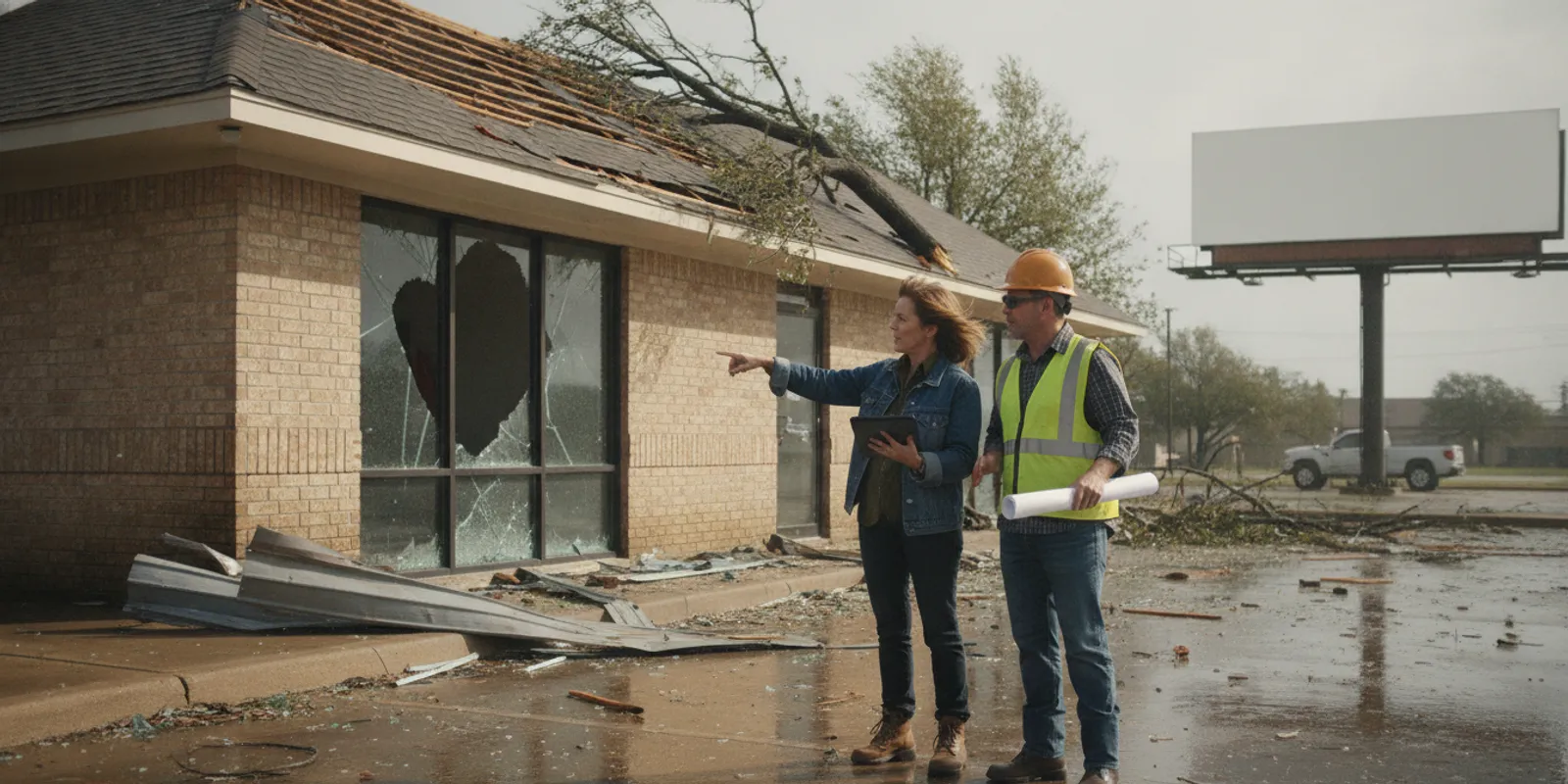
For a commercial building, the comparison may involve multiple systems and spaces. A roof estimate, for example, may need to account for the affected sections and related work shown in inspection records. A contractor’s proposal can help identify differences, but it should explain the work and quantities rather than merely state a total.

What evidence can help explain a valuation disagreement?
Evidence is most useful when it connects a specific estimate entry to a specific condition or repair need. Take clear photographs from several angles and label the location and date. Preserve inspection notes, measurements, invoices for prior work, maintenance records, and communications about the loss. If conditions change during safe temporary repairs, document them before and during that work when practical.
A repair proposal or specialist report may provide useful detail about scope, materials, and labor. Check that the document describes the property and damage at issue. If two estimates differ, compare their assumptions line by line. One may include a repair step that the other omits, or they may use different quantities. Identifying the reason for the difference is more productive than comparing only the final totals.
Organize the claim file with a simple index. Keep the policy, declarations, insurer estimate, photographs, inspection reports, contractor proposals, receipts, and letters together. Record when each item was sent and how it was delivered. This makes it easier to spot missing documents and provide a consistent response if another adjuster or reviewer examines the file.
Use a short comparison sheet to make the file easier to follow. For each disputed item, note the insurer’s description and amount, the amount or work in the other estimate, the evidence that supports the difference, and the question that still needs an answer. Identify the page or photograph that supports each point. A clear cross-reference reduces the risk that an important detail gets lost in a large collection of documents.
Keep original files when possible, including full-resolution photographs and the complete versions of reports. Avoid altering an image to make a condition appear different. If you add notes to copies, retain the original separately. For ongoing work to prevent further damage, keep dated receipts and a brief record of the work performed, while following any policy instructions about notice and documentation.
For further context on commercial roof documentation, see Hoch Law Firm’s Texas commercial roof damage evidence guide. For a broader overview of storm-related claims, review the firm’s storm damage claim guidance.
How can you compare the next steps?
The right next step depends on what the disagreement concerns, what the policy says, and the stage of the claim. The following comparison can help frame questions; it is not a substitute for reviewing the policy or any deadlines that may apply.
| Option | When it may fit | What to prepare | Point to check |
|---|---|---|---|
| Ask the insurer for clarification | An estimate entry, deduction, or omission is unclear | Marked estimate, focused questions, supporting photos | Keep the request specific and save the response |
| Send a documented disagreement | You can identify a scope or valuation difference | Line-by-line comparison and relevant repair evidence | Explain each difference and attach supporting materials |
| Explore appraisal, if available | The policy provides an appraisal process and the dispute fits its terms | Policy, estimates, and a clear statement of the amount dispute | Review the clause, procedure, and possible effect before invoking it |
| Seek legal review | The amount or coverage issue is significant, disputed, or difficult to resolve | Policy, claim file, estimates, and important correspondence | Ask about available paths, timing, and how fees are handled |
Appraisal is not automatically the answer to every dispute. The policy wording and nature of the disagreement matter, and appraisal may address value without resolving every coverage question. Read the clause and understand the process before deciding whether it fits. Hoch Law Firm’s Texas insurance appraisal dispute information explains the firm’s work in this area.
What policy and timing issues deserve attention?
Use the policy as the starting point for deadlines, notice requirements, proof requirements, and dispute procedures. Keep a copy of the complete policy, including endorsements. A summary page alone may not show all terms that affect valuation or the available process.
Do not assume that an ongoing discussion pauses a deadline. Note any dates in the policy, claim letters, or court papers, and ask a qualified lawyer how they apply to the circumstances. Promptly preserve records and respond to reasonable document requests, while keeping a copy of what you provide.
When you send a written question or disagreement, identify the claim and the estimate date, describe the specific item at issue, and state what information you are asking the insurer to review. Attach only the records that support that point, and keep a complete copy of the submission. If you speak by phone, make a dated note of the representative’s name, the topics discussed, and any promised follow-up. Written records can help clarify what has already been addressed.
If the insurer issues a revised estimate, compare it with the earlier version rather than assuming all prior differences have been resolved. Check for changes to quantities, scope, depreciation, and payment calculations. A new version may answer one question while leaving another open. Keeping versions in date order helps show how the review developed.
Texas policyholders can also consult the Texas Department of Insurance for official consumer insurance information. Agency resources can help explain general processes, but they do not decide how a particular policy applies to a specific loss.
When may an actual cash value dispute attorney help?
Legal review may be useful when a significant part of the claimed damage remains unexplained, the insurer and property owner disagree about the policy’s valuation terms, or the claim involves several overlapping issues. A lawyer can review the policy, estimate history, claim communications, and supporting evidence to help assess possible next steps. The result depends on the documents and facts; no particular outcome can be promised.
Before a consultation, gather the complete policy if available, the insurer’s estimates and letters, photographs, repair proposals, and a short timeline. List the exact items in dispute and the questions you want answered. That preparation helps make the discussion practical and focused.
Hoch Law Firm represents policyholders in property insurance disputes. Learn more about its insurance litigation practice, review information about bad faith insurance claims, or read about the firm’s reported case results. Past results do not guarantee a similar outcome.
Call 817-731-9703 to discuss an insurance dispute
Frequently Asked Questions
Is actual cash value the same in every insurance policy?
No. Policy language and the facts of the loss matter. Review the applicable definition and valuation provisions rather than assuming a single formula applies to every policy.
Can I challenge a depreciation deduction?
You can ask the insurer to explain the deduction and identify the information used. Compare the explanation with the policy, item condition, and supporting records. Whether the adjustment is appropriate depends on the specific terms and evidence.
Does a contractor’s estimate prove the insurer underpaid?
Not by itself. A detailed proposal can help identify differences in scope or pricing, but the documents should be compared closely. Explain which line items differ and why the supporting evidence matters.
Should I request appraisal for every valuation dispute?
No. First review whether the policy includes appraisal and whether its terms address the issue in dispute. Appraisal may not resolve every coverage question, so consider the procedure and its effects before invoking it.
What should I bring to a legal consultation?
Bring the policy, insurer estimates, claim letters, relevant photographs, reports, repair proposals, and a brief chronology. A list of disputed items and questions can help keep the review focused.
Before the discussion, decide what outcome or information you need most. You may want to understand a particular deduction, determine whether the estimate reflects all documented damage, or learn how a policy procedure works. A focused list can help the lawyer review the right documents and explain what additional information may be useful. Be candid about prior repairs, earlier estimates, and communications, even when they complicate the record.
Call Hoch Law Firm at 817-731-9703
A methodical, item-by-item review can clarify whether the disagreement concerns damage, depreciation, policy coverage, or more than one issue. Preserve the records, check the policy terms, and seek qualified guidance when the remaining questions could affect a substantial property claim.