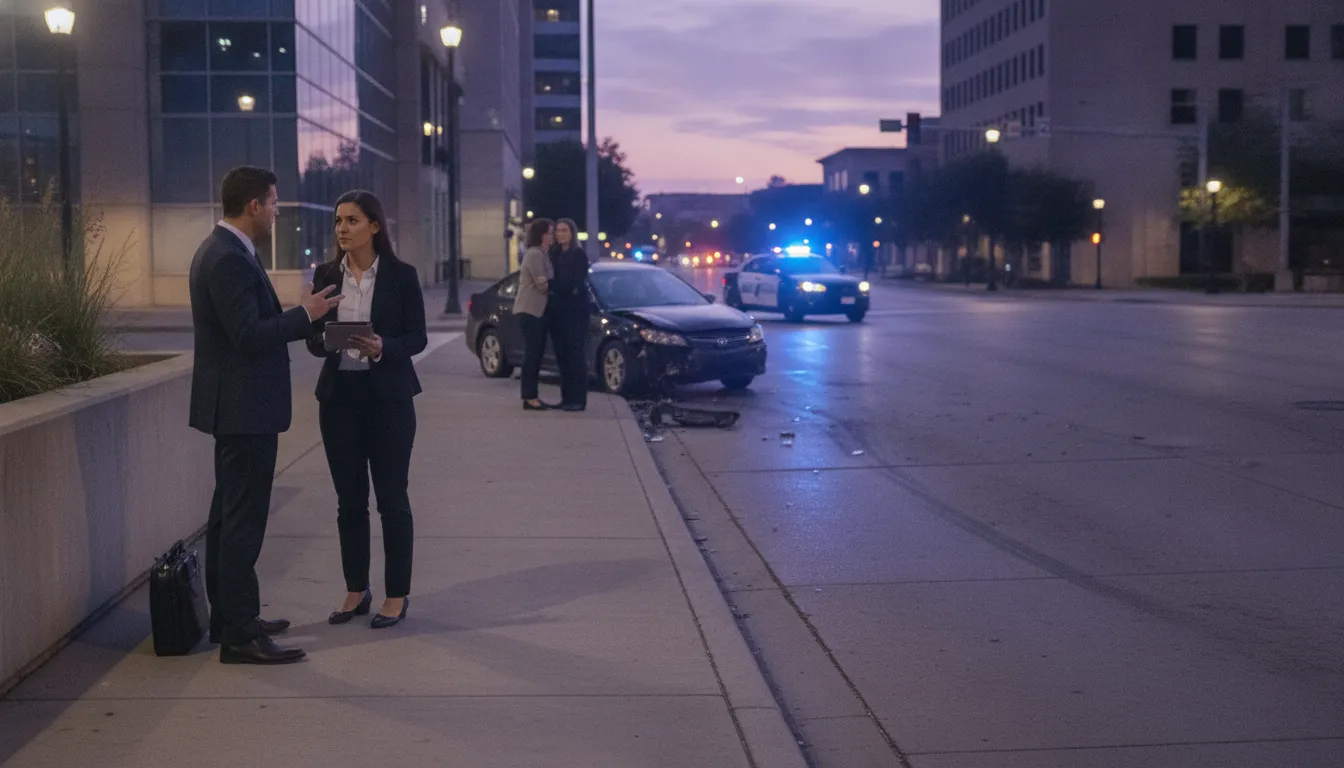
At an intersection, a green light does not always settle who caused a crash. Drivers may disagree about the signal, right of way, turning movement, or whether a person could see the approaching vehicle. Those details can shape both the injury claim and the evidence needed to support it.
If you were seriously injured in a disputed Fort Worth crash, an intersection accident lawyer Fort Worth may help preserve key evidence. That includes signal, visibility, witness, vehicle, and medical records. Counsel can also evaluate how Texas comparative responsibility rules may apply.
Start by getting medical care, documenting the scene and your symptoms, and preserving names, photographs, video, reports, and expenses. Avoid assuming that an initial account captures every relevant fact. A careful review can reveal why these crashes require a more focused analysis than many other collisions.
Call Hoch Law Firm for a free case evaluation at 817-731-9703.
What Makes Intersection Crashes Different in Fort Worth?
Intersection collisions require more than deciding which driver had the right of way. A reliable analysis reconstructs what each person could see, which movement each vehicle was making, how the signal phase operated, and whether the accounts match the physical evidence. That intersection-specific review can matter when injuries are serious and the drivers describe the same moment in very different ways.
At a typical Fort Worth intersection, several movements may happen within seconds. One vehicle may proceed straight, another may turn left, and a third may enter from a side street or adjacent lane. A pedestrian or cyclist may also affect what a driver could reasonably observe. The question is not simply whether someone entered on green. It may be whether a driver yielded during a turn, entered after stopping, changed lanes near the crossing, or continued when the roadway was no longer clear.
Signal phases do not tell the whole story
Texas Transportation Code Chapter 545 contains rules governing vehicle operation and traffic-control devices. Those rules provide an important framework, but a signal color alone does not automatically resolve every disputed collision. Investigators may need to determine when each driver entered the intersection and whether a turn arrow was active. They may also ask whether a vehicle was already in the crossing when another movement began.
Signal timing can be especially important when witnesses disagree. Traffic signals change in phases, and a person who saw only the impact may not know which movement had started first. Available video, nearby business footage, vehicle data, photographs, and witness descriptions may help establish the sequence. A careful review should distinguish what someone observed from what they assumed after the crash.
Sight lines and roadway conditions can change the analysis
Visibility is another reason intersection cases differ from generic injury claims. Large vehicles, parked vehicles, construction, landscaping, weather, darkness, roadway design, or an obstructed sign may affect what was visible. A driver may say another vehicle appeared suddenly, while the damage pattern or photographs suggest the vehicles were visible from different angles before impact.
Physical evidence should be preserved before the scene changes. Photos should show the entire approach, lane markings, signs, signal heads, points of impact, debris, and any obstruction to sight. Medical records and injury documentation address the harm caused, but they do not replace the liability analysis. The timing, movement, visibility, and damage evidence must be evaluated together.
That is why an intersection-evidence approach is different from general accident guidance. It tests a sequence of movements against independent evidence instead of accepting the first account as conclusive. When multiple vehicles, unclear signals, or conflicting statements are involved, the facts may support responsibility for more than one party under Texas law. General information cannot determine fault in a particular Fort Worth collision, so preserve available evidence and obtain case-specific advice when the injuries or liability dispute are substantial.
How Do Right-of-Way and Traffic Signals Affect Fault?
Right-of-way rules and traffic signals provide an important starting point for evaluating an intersection collision, but a single light color does not automatically establish who is legally responsible. The analysis may depend on what each person could see, when each vehicle entered the intersection. Whether a signal changed, and whether another driver or condition affected the movement.
Texas Transportation Code Chapter 545 contains rules governing traffic control devices, turns, stops, and the operation of vehicles. Those rules can help frame the investigation, but applying them to a particular crash requires evidence. A video, witness account, signal-timing record, or physical damage pattern may support or contradict the initial version of events.
Green, yellow, and red signals
A green light generally permits movement. But it does not give a driver permission to proceed without regard for people already in the intersection or hazards that should reasonably be noticed. A driver entering on green may still face questions about speed, attention, visibility, or whether the intersection was clear.
A yellow light warns that the related green movement is ending. Whether a driver had a reasonable opportunity to stop can depend on distance, speed, traffic, roadway conditions, and the timing of the signal. A red light generally requires a stop before entering the intersection. Even then, investigators should determine whether the signal was functioning, when it changed, and whether another vehicle entered unlawfully or created a sudden hazard.
Turn arrows, stop signs, and yielding
A protected turn arrow can affect the right to turn, while a flashing or unprotected arrow may require the turning driver to yield to oncoming traffic or pedestrians. The meaning of the signal matters, as does the exact phase when the vehicle began and completed the turn. A driver with a green signal may not have the same right-of-way as a driver with a green turn arrow.
Stop signs create a duty to stop at the required location and proceed only when the movement can be made safely. Yield signs require a driver to give way when another road user has the right-of-way. Failure to stop or yield may be significant, but the surrounding facts still matter. For example, a blocked sight line or an unexpectedly fast approaching vehicle may help explain why accounts conflict, without resolving responsibility by itself.
Preserve photographs of signal positions, lane markings, signs, sight lines, and nearby obstructions. Request available video promptly, because recordings may be overwritten. When the evidence is disputed, an intersection accident lawyer Fort Worth victims trust can review the applicable Texas rules alongside the facts, witness statements, and available records. This approach is more reliable than assuming fault from one signal color alone.
What Evidence Can Clarify a Disputed Intersection Accident?
When drivers give conflicting accounts, the available evidence can help establish what each person could see, where each vehicle traveled, and how the collision occurred. No single photograph, recording, or statement automatically decides responsibility. The value comes from comparing the evidence as a whole.
Start with the scene and signal information
Photographs should capture more than the damaged vehicles. If it is safe, preserve images of lane markings, traffic signs, sight lines, lighting, skid marks, debris, nearby construction, and anything that blocked a driver’s view. Record the weather and the approximate time. Nearby businesses, homes, traffic cameras, or vehicle cameras may have video, but recordings can be overwritten. Identifying possible sources promptly matters.
Signal timing can be important when one driver says the light was green and another says it was red. The relevant questions may include which movement had a green light, whether a turn arrow was active. How the signal changed, and whether a stop sign or yield sign controlled one approach. Texas Transportation Code Chapter 545 contains rules governing traffic control and vehicle operation, but applying those rules requires the facts of the particular intersection and collision.
Compare physical evidence with witness accounts
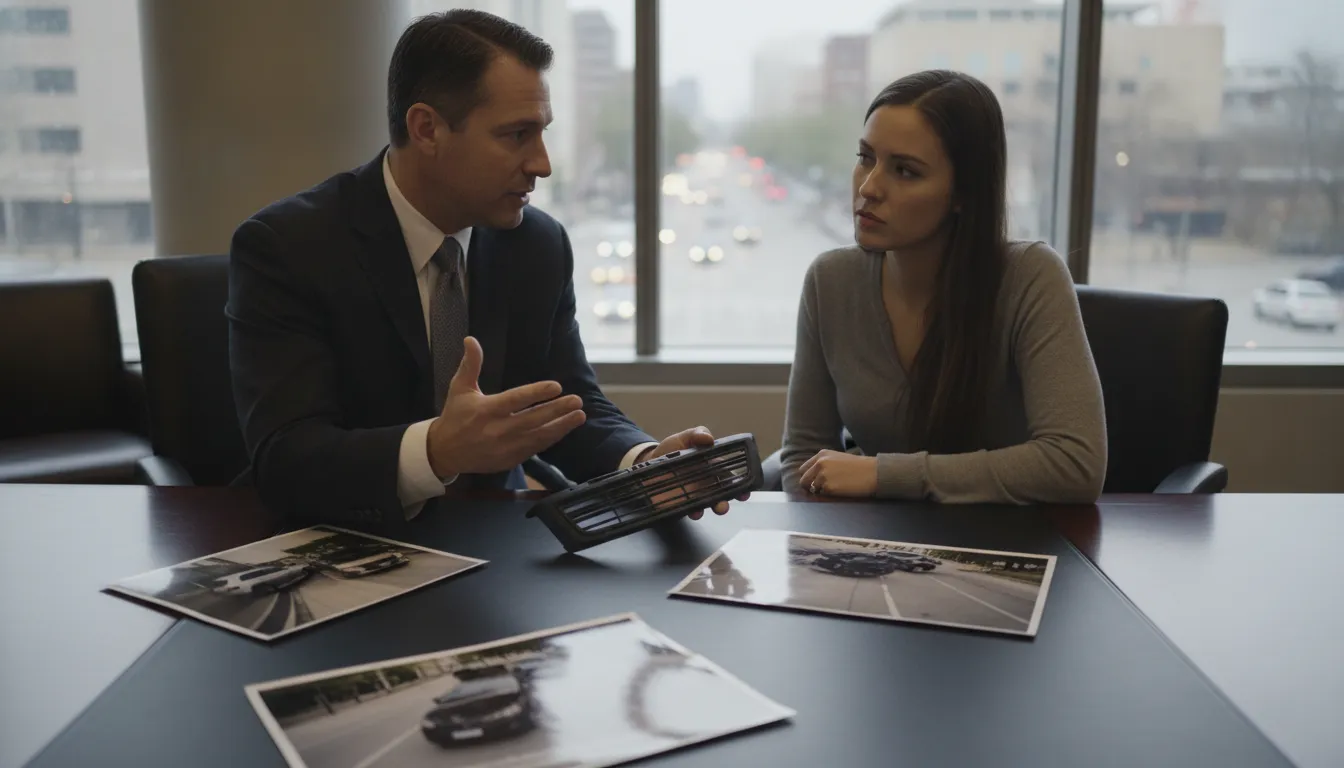
Vehicle damage may help show points of impact and the direction of force. It should be evaluated alongside photographs, measurements, repair records, and the final positions of the vehicles. When available, event data from a vehicle may provide information about speed, braking, or other pre-impact activity. Its availability and meaning depend on the vehicle, the crash, and the process used to obtain and interpret it.
Witnesses can provide another perspective, particularly when they saw the signal, the approaching vehicles, or the conditions affecting visibility. Preserve their names and contact information, along with what they personally observed. A witness who arrived after the impact may still describe the scene, but should not be treated as having seen the events leading to the collision.
Document the response and the injuries
911 records, police reports, photographs taken by responders, and other emergency records may preserve early observations. Request and keep copies when available, while remembering that a report is one piece of evidence rather than the final word on liability. Avoid altering photographs or discarding damaged items before they can be evaluated.
Medical records connect the timing of symptoms, examination findings, treatment, and restrictions to the collision. Keep discharge papers, appointment records, prescriptions, bills, and notes about how the injury affects work and daily activities. If the collision involved multiple vehicles, a commercial vehicle, serious injury, or disputed visibility or signal evidence, organize these materials for a personal injury case evaluation. That preparation can help counsel assess the evidence without relying on memory alone.
How Does Comparative Responsibility Work in Texas?
Texas may evaluate responsibility by looking at what each person did, or failed to do, before an intersection collision. A driver may argue that another person entered against a signal, failed to yield, turned without a clear path, or could have avoided the impact. The injured person’s conduct may also be examined if it is claimed to have contributed to the injuries or losses.
These disputes are not resolved by one detail alone. A green light in one driver’s account does not automatically establish the entire liability picture. Investigators may need to compare signal timing, vehicle positions, sight lines, speed evidence, photographs, witness accounts, and the location and pattern of vehicle damage. The quality and timing of the evidence can affect whether a fact is persuasive or remains disputed.
Texas Civil Practice and Remedies Code Chapter 33 contains the state’s proportionate-responsibility provisions. The statute can involve responsibility assigned among parties. So an injured person should not assume that a disputed account makes a claim impossible or that another person’s accusation is accurate. The legal effect of the facts depends on the claim, the parties involved, and the evidence. Read Texas Civil Practice and Remedies Code Chapter 33 for the statutory text, but do not treat a general explanation as a case-specific legal conclusion.
Questions that help organize a responsibility analysis
| Evidence question | Why it matters | What to preserve |
|---|---|---|
| What did each traffic signal or sign require at the relevant moment? | It helps test competing accounts of right-of-way and movement through the intersection. | Scene photographs, witness information, video, and any available signal or traffic-control records. |
| Where were the people and vehicles before and after impact? | Positions, paths, visibility, and damage may support or challenge a version of events. | Wide and close scene photos, vehicle-damage images, incident records, and identifying information for witnesses. |
| What evidence connects the collision to the claimed injuries? | Medical documentation helps separate immediate findings, later symptoms, treatment, and other possible explanations. | Medical records, bills, work records, treatment instructions, and a factual symptom journal. |
Preserve original files rather than relying only on screenshots or edited copies. Avoid deleting messages, photographs, video, or records that may later help explain the sequence. If multiple vehicles are involved, visibility is contested, or serious injuries make the facts difficult to reconstruct. A qualified Texas personal-injury lawyer can review the evidence and identify what still needs to be obtained.
Which Injuries and Losses Should You Document?
Document what changes after the collision, even when symptoms seem minor at first. Some problems appear later, and a clear record helps show what happened, when it happened, and how it affected daily life. Do not try to diagnose yourself. Instead, describe symptoms accurately and seek appropriate medical guidance.
Record symptoms and medical care
Write down pain, stiffness, headaches, dizziness, numbness, reduced movement, sleep disruption, or other changes you notice. Note when each symptom began, whether it changes during the day, and which activities make it better or worse. A symptom journal should supplement, not replace, professional care.
Keep copies of evaluation notes, diagnoses, prescriptions, referrals, bills, and instructions from every provider. Include follow-up visits, physical therapy, specialist appointments, and recommended testing. If you miss an appointment or stop treatment, record the reason and discuss it with your provider. Gaps can create questions later, even when they have an understandable explanation.
Track work and household effects
Save pay records, schedules, leave documentation, and communications about missed or reduced work. Record time lost for appointments and any restrictions that affect your usual duties. Avoid estimating a financial loss from memory. Let employment and financial records support the calculation.
Also note household tasks you could not perform or had to delegate. That may include driving children, preparing meals, cleaning, shopping, yard work, or caring for a family member. Keep receipts for paid help and identify who performed unpaid assistance. These practical details can explain the injury’s effect more clearly than a general statement that life became difficult.
Consider continuing needs and family impact
Ask your medical providers what follow-up care they recommend and preserve written information about restrictions, therapy, rehabilitation, or possible future treatment. Do not assume that a continuing need is established simply because you are worried about it. The records and professional opinions in a particular case matter.
Family members can keep their own factual notes about changes they observe, such as help needed with ordinary activities or missed family responsibilities. Keep those observations specific and respectful. Avoid posting detailed medical updates or arguments about fault online, because public statements can be taken out of context.
If the collision caused serious injuries, multiple people were involved, or responsibility is disputed, organize these records before seeking guidance. Hoch Law Firm’s personal injury case evaluation guide explains what information an injured person may prepare. The usefulness of any claim depends on its facts, evidence, and applicable law, so documentation is a tool for accurate review, not a promise of a particular result.
What Should You Do After a Fort Worth Intersection Collision?
The first priority is safety. After that, take deliberate steps that protect your health and preserve facts while the intersection, vehicles, and witness accounts are still available.
- Get to a safe location and call for emergency help. If you can move without worsening an injury, get out of moving traffic. Call 911 when anyone is hurt, a hazard remains, or emergency assistance is needed. Cooperate with responding officers, but do not guess about speed, signal timing, or fault while you are shaken. Ask how to obtain the incident report and write down the responding agency and report number if available.
- Obtain a medical evaluation. Some injuries are not obvious immediately, especially when adrenaline masks pain. Seek prompt medical care and explain every symptom, even if it seems minor. Follow the provider’s instructions and keep records of appointments, diagnoses, referrals, prescriptions, restrictions, and symptoms. Do not let a temporary improvement decide whether you need evaluation.
- Preserve the scene when it is safe. Photograph the intersection from several angles, including lane markings, traffic signs, signal heads, sight obstructions, lighting, skid marks, debris, and visible vehicle damage. If you cannot take photographs, ask someone you trust to do so. Avoid moving or discarding relevant property unless safety requires it. Texas Transportation Code Chapter 545 contains rules addressing vehicle operation and traffic-control devices, so the physical layout and signal conditions may matter when accounts conflict: Texas traffic rules.
- Collect witness and evidence details. Ask witnesses for their names and reliable contact information. Note where each person stood or traveled, but do not coach anyone or argue about what they saw. Save dashcam, phone, security-camera, and doorbell-video information. Intersection footage can be overwritten, so identify possible cameras quickly and record the business or property location.
- Keep records and expenses in one place. Maintain a dated log of symptoms, treatment, missed work, changes at home, and conversations related to the collision. Save medical bills, receipts, mileage, pay records, repair documents, photographs, videos, and correspondence. Do not estimate losses from memory when a document or contemporaneous note may provide a clearer record.
- Communicate carefully. Provide accurate basic information to appropriate parties, but avoid speculation, admissions, insults, or statements that minimize your injuries. Do not post photographs, commentary, or theories about the collision on social media. Do not sign a release or make a recorded statement about disputed facts without understanding what it covers.
- Follow up promptly when the facts are disputed or injuries are serious. Multiple vehicles, conflicting signal accounts, poor visibility, commercial vehicles, permanent impairment, and death can make the investigation more involved. A Texas lawyer can review the evidence and explain how the facts may affect responsibility. Texas proportionate-responsibility rules appear in Chapter 33, while timing rules and exceptions require a fact-specific review under Chapter 16. This article is general information, not legal advice.
When Should You Speak With an Intersection Accident Lawyer Fort Worth?
Not every intersection collision requires a lawyer. Legal guidance becomes more important when the facts are disputed, the injury is serious, or the consequences may continue for months or years. A prompt conversation can help preserve evidence and identify issues before important records, witness memories, or video become harder to obtain.
Situations that deserve early legal review
Consider speaking with an attorney if you suffered a severe injury, a permanent impairment, or symptoms that have not resolved. The same is true when a loved one died, several vehicles were involved, or a commercial vehicle played a role. These cases may involve more witnesses, more responsible parties, and more complicated evidence than a simple account of who had the light.
Early advice is also valuable when drivers give conflicting descriptions of the signal, turn, lane position, or visibility. A green light does not automatically resolve every liability question. The timing of the signal, a turning movement, sight obstructions, roadway conditions, and each driver’s actions may matter. Texas Transportation Code Chapter 545 contains rules governing vehicle operation and traffic-control devices, but applying those rules requires a review of the actual facts. You can read the Texas traffic-control provisions for general information.
Do not wait to ask questions if another party or representative is pressing you to resolve the matter quickly. A fast agreement may not account for delayed symptoms, future treatment, lost income, or the full effect of an injury on your household. Before signing a release or making a detailed statement about disputed facts, understand what rights you may be giving up. Texas limitation provisions also contain deadlines and exceptions that can depend on the claim and the people involved. So a general online deadline is not a substitute for case-specific advice.
How Hoch Law Firm may fit serious cases
Hoch Law Firm selectively handles serious personal injury matters, including multi-vehicle collisions, commercial-truck accidents, severe permanent injuries, and wrongful death. The firm is not a fit for every minor incident, and whether it can help depends on the injury, evidence, and circumstances. Tim Hoch has more than 30 years of experience, has litigated hundreds of cases, and is Board Certified in Personal Injury Trial Law. His Tim Hoch’s trial experience includes contested liability work and extensive deposition practice.
A personal injury case evaluation can help you understand which records to preserve, what facts need investigation, and whether the matter warrants representation. Bring photographs, medical records, contact information for witnesses, incident reports, and any messages or documents related to the collision. This article provides general information only. The right next step depends on the specific evidence and injuries in your case.
Frequently Asked Questions
What should I preserve after a disputed intersection crash?
Seek emergency help when needed, obtain medical evaluation, and preserve photographs or video of the intersection, traffic signals, sight lines, vehicle damage, and visible injuries. Keep witness information, incident records, medical records, bills, and notes about missed work or daily limitations. Do not delete relevant messages or post about the collision.
Can more than one person share responsibility for an intersection accident in Texas?
Yes. Texas law provides for proportionate responsibility, so the evidence may be used to evaluate each party’s role rather than assuming one person is entirely at fault. Signal phases, right-of-way, visibility, witness accounts, and vehicle data can all matter. See Texas Civil Practice and Remedies Code Chapter 33 for the governing provisions: Texas proportionate-responsibility law.
How long do I have to pursue an injury claim after an intersection collision?
The deadline depends on the claim and the facts, including any applicable exceptions. Texas Civil Practice and Remedies Code Chapter 16 contains limitation provisions, but do not assume a general deadline applies to your situation. Get case-specific legal advice promptly and preserve evidence while it is available: Texas limitations provisions.
When should I speak with an intersection accident lawyer Fort Worth?
Consider speaking with counsel when injuries are serious or lasting, the signal or visibility evidence is disputed. Multiple vehicles are involved, a commercial vehicle is involved, or a death occurred. Legal guidance can help identify evidence and evaluate responsibility while the facts are still developing. A consultation does not guarantee a result, and the right next step depends on the specific incident.
A serious intersection injury can affect treatment, work, and family responsibilities long after the scene is cleared. If fault or the extent of your injuries is disputed, a focused review can help identify what evidence matters and what options may be available. Hoch Law Firm selectively represents people facing serious personal injury matters in Texas. A case evaluation can help determine whether the facts fit the firm’s practice.
Call Hoch Law Firm for a free case evaluation at 817-731-9703.