A lawyer for underpaid smoke damage claim disputes can help a Texas property owner examine what the insurer accepted, what it omitted, and what evidence may support a different amount. Smoke damage can extend beyond visible soot: odor, residue, contamination, and the work needed to safely restore affected areas may call for careful documentation. The central issue is whether the policy and the evidence support the proposed scope and valuation.
Why can smoke damage be difficult to value?
Smoke does not stop at the room where a fire began. Depending on the building layout, ventilation, materials, and event, smoke and soot may move through corridors, ceiling spaces, air-handling equipment, or adjoining suites. Some effects are readily visible. Others may involve persistent odor, residue on surfaces, or contamination of contents that need assessment by qualified restoration professionals.
That does not mean every affected surface or item must be replaced. It means the claim should identify what was affected, the method proposed to address it, and why that method fits the material and conditions. A generic estimate may not explain whether cleaning is adequate, whether removal is necessary, or whether the work includes testing, containment, labor, and reinstallation. Those details can determine whether the estimate reflects the actual repair plan.
Smoke issues can also overlap with a larger fire loss, but a smoke-underpayment review has a narrower task: test the smoke-related scope, cleaning and replacement decisions, and supporting records. For a broader discussion of a business fire claim, see the firm’s fire damage claim resource. This article focuses on the smoke-related portions of the loss, not a full tutorial on every fire coverage question.
What should you document before challenging the estimate?
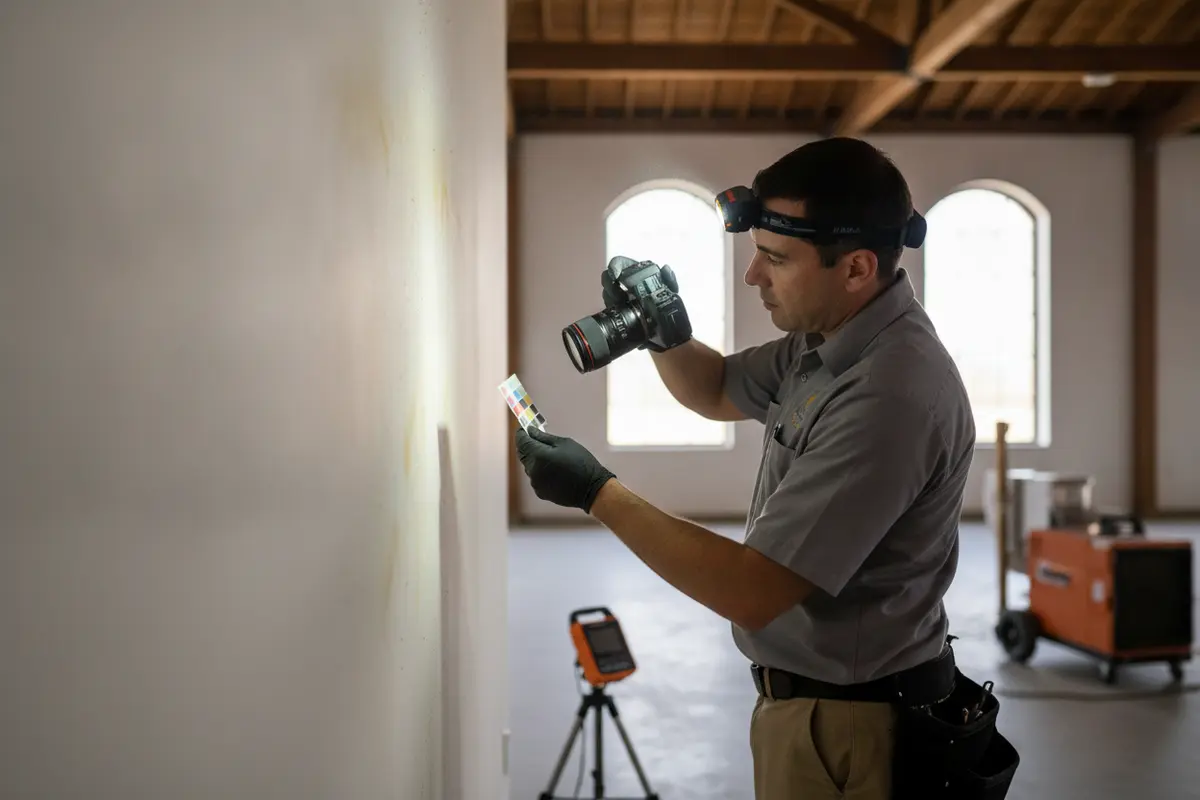
Build a record that connects the damage to the proposed work. Take photographs and video before cleanup when it is safe to do so. Capture wide views that show the location, then close views of residue, staining, affected materials, and equipment. Record the date and location of each image. Do not discard damaged property or authorize destructive testing without considering the policy, safety needs, and documentation options.
- Make a room-by-room inventory. Identify the room, surface or item, visible condition, and whether it is part of a tenant space, common area, or building system.
- Keep samples and inspection records where appropriate. Ask the restoration professional how residue or materials should be documented and whether testing is useful. Preserve the report and the basis for its conclusions.
- Collect proposals with line-item detail. A useful estimate identifies quantities, materials, labor, access needs, cleaning methods, removal, disposal, and follow-up work rather than presenting only a single total.
- Track communications. Save the insurer’s scope, estimate, letters, requests for information, inspection notes, and your responses in one dated file.
- Record temporary measures. Keep invoices and notes for reasonable steps taken to protect the property or limit further damage, and document why each step was needed.
Take care not to alter the evidence more than necessary to protect people and property. If work cannot wait, photograph conditions first when safe, ask the contractor to preserve relevant records, and retain removed materials if practical and appropriate. Follow policy notice and cooperation requirements, and ask the insurer how it wants inspections coordinated. Requirements vary by policy and circumstance.
How can you compare cleaning and replacement recommendations?
Cleaning and replacement are not simply competing price choices. The right approach depends on the affected material, the degree and type of residue, the result required, and whether a proposed method can reasonably restore the item. Ask each professional to explain the condition observed, the recommended treatment, and the reason another method would or would not work.
For example, a hard, nonporous surface may be addressed differently from porous insulation, unfinished wood, textiles, or sensitive equipment. A proposal to clean should describe the process and expected result. A proposal to remove and replace should explain why cleaning is unsuitable, what must be removed, and how the replacement scope was measured. A lingering odor can be a relevant observation, but it is more useful when recorded with inspection findings and a clear explanation of the work needed to address it.
Use a comparison like this to identify questions for the insurer and restoration team. It is not a coverage determination; the policy terms and the particular evidence matter.
| Issue | Cleaning approach | Removal and replacement approach | Records to compare |
|---|---|---|---|
| Surface condition | What residue is present and what method will address it? | Which material is damaged beyond practical cleaning? | Photos, inspection notes, material identification |
| Work scope | Are labor, access, equipment, and repeat treatment included? | Are removal, disposal, preparation, and installation included? | Itemized estimates and contractor explanations |
| Odor or residue after work | How will the result be assessed and documented? | What evidence shows replacement is needed to resolve the condition? | Follow-up inspection, testing if appropriate, dated observations |
| Contents and equipment | Can the item be cleaned without impairing use or value? | Why is repair or cleaning not a suitable option? | Inventory, condition reports, service records, valuation support |
| Pricing | What quantities, rates, and tasks produce the total? | How were like-kind materials and installation costs selected? | Measurements, estimates, invoices, and policy valuation terms |
Have the estimates address the same rooms, quantities, and tasks before comparing totals. If one proposal includes air-handling components, containment, or repeated cleaning while another does not, the difference may reflect scope rather than a simple disagreement over price. Ask for written explanations of material differences and retain revised versions so the history is clear.
Which parts of an insurer’s smoke-damage scope deserve a closer look?
Read the insurer’s estimate line by line and match it to the affected areas. Check whether it identifies all inspected locations, measurements, surface types, and contents. Look for work that a contractor has recommended but the estimate does not address, and note any allowance based on assumptions that do not match the actual property.
- Missing areas or systems: Compare the estimate with the building plan, inspection notes, and room inventory. Ask whether common areas, concealed spaces, or building systems were evaluated when evidence suggests they may be affected.
- Incomplete task descriptions: Ask whether cleaning includes preparation, access, protection of unaffected property, equipment, labor, and the number of treatments proposed by the restoration plan.
- Different quantities or material assumptions: Check measurements, material types, finish, and the basis used to price replacement. A line item can appear similar while applying to a different quantity or specification.
- Unresolved condition after initial work: Keep dated follow-up findings and photographs. Explain what remains and ask the relevant professional to connect the condition to a recommended next step.
- Contents and equipment: Maintain an itemized list with make, model, age when known, condition, function, and supporting purchase or service records. Avoid assuming that every item has the same cleaning or replacement treatment.
Ask focused questions in writing. For example: “The restoration proposal includes cleaning these ceiling areas and replacing this insulation. The estimate does not list either task. Please explain whether those areas were inspected and how the estimate addresses the attached findings.” A specific comparison is easier to evaluate than a general statement that the offer is too low.
For broader commercial property coverage issues, the firm’s commercial property insurance page provides related context. A disagreement about the amount of covered damage may raise different questions from an allegation that an insurer mishandled a claim; the facts and policy language matter. The firm also discusses bad-faith insurance claims, but a low estimate alone does not establish bad faith.
How should a business record interruption and extra costs?
Smoke damage may affect whether a tenant or business can use part or all of a property during inspection and restoration. Keep this issue organized separately from the building repair estimate. Record the affected dates, areas, operational limits, and steps taken to continue business or reduce the disruption. Whether a policy covers a particular loss depends on its terms and the facts.
Useful records may include operating statements, sales and expense records, rent rolls, leases, invoices for temporary space or equipment, payroll records, and a timeline of closures or restricted use. Explain how each claimed cost relates to the event and retain source documents. For a commercial property owner, tenant notices and communications may help show when a space became unavailable and when access or use resumed.
Do not rely on a single summary number without explaining how it was calculated. Identify the period used, the assumptions, and any unusual business conditions that may affect a comparison. A separate business interruption claim resource addresses this related subject. For rental income documentation, see the guide to proof for a loss-of-rents claim.
What steps can you take after an underpayment?
- Read the policy and the insurer’s written position. Note the coverage provisions, conditions, exclusions, limits, valuation language, deductibles, and any deadlines or requested actions. Do not assume a rule from another property or policy applies to yours.
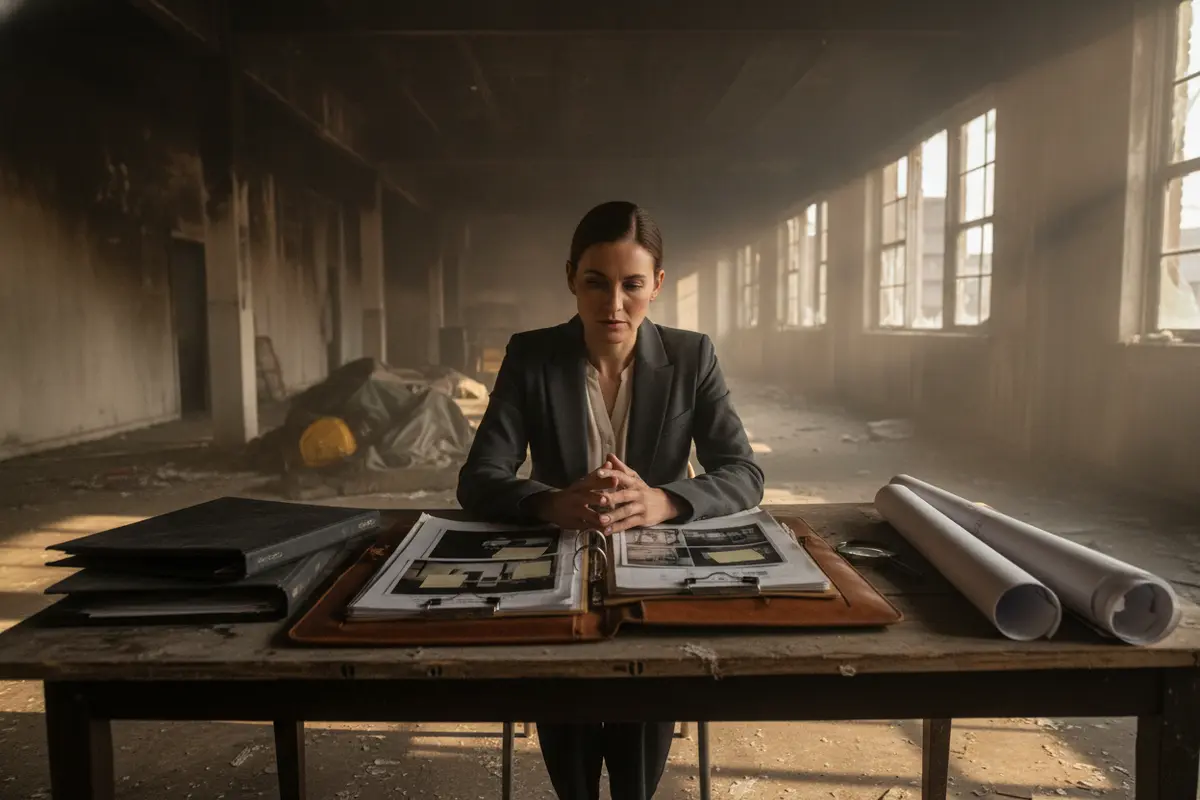
- Assemble one claim file. Organize the policy, notices, photographs, inspection reports, estimates, invoices, business records, and communications by date. Label the disputed scope items clearly.
- Ask for the basis of disputed items. Request an explanation where an area, task, quantity, or item was omitted or treated differently. Keep the request factual and attach the relevant supporting documents.
- Obtain an informed repair assessment. Ask a qualified restoration or building professional to explain the observed condition and proposed work. Make sure any estimate distinguishes observed facts from assumptions.
- Review available dispute procedures. Depending on the policy and dispute, appraisal or other procedures may be relevant. Review their terms before invoking them. Learn more about the firm’s Texas insurance appraisal dispute work.
- Consider a legal review. A lawyer can compare the policy, insurer’s position, and supporting evidence, and discuss potential options and risks. If the dispute involves a denied claim as well as an inadequate smoke scope, see the firm’s insurance claim denial resource.
The Texas Department of Insurance offers general insurance consumer information through its official website. That general material is not a substitute for reviewing a specific policy or claim file. Keep your own records of notices and communications, and consider getting advice promptly if you are unsure how a condition or deadline applies.
When may a lawyer help with a smoke-damage underpayment?
A lawyer may be useful when the disputed amount is significant, the damage assessment is technical, the parties disagree about policy language, or the insurer’s written position does not address important evidence. Legal counsel can help organize the questions, evaluate the record, and discuss a path for resolving the dispute. The appropriate approach depends on the policy and the facts; no particular result can be promised.
For a review, prepare the policy, insurer estimate and letters, restoration proposals, photographs, inspection materials, and a concise list of disputed items. Include any deadlines or upcoming inspections so they can be considered. Hoch Law Firm represents policyholders in property insurance disputes and selectively handles cases. Learn more about Tim Hoch’s background or contact the firm to discuss the claim.
Frequently Asked Questions
Does smoke damage have to be visible to be documented?
No. Visible residue is useful evidence, but an assessment may also document odor, affected materials, or conditions identified by a qualified professional. Record what was observed, where it was found, when it was inspected, and the basis for any recommended work.
Should smoke-affected materials always be replaced?
No single answer applies to every material or policy. The recommendation should explain the material’s condition, whether cleaning is suitable, and why the proposed treatment is appropriate. Compare that explanation with the insurer’s estimate and the policy terms.
Can I begin cleanup before the insurer finishes its inspection?
Safety and preventing further damage come first, but document conditions before changing them when it is safe and practical. Notify the insurer, preserve records, and coordinate access where possible. Review policy duties and ask how an inspection should be arranged if timing is uncertain.
Does a low smoke-damage estimate mean the insurer acted in bad faith?
Not by itself. A difference over scope or valuation needs to be assessed against the policy, evidence, and handling history. A lawyer can review those facts; a low offer alone does not establish that a legal violation occurred.
What should I bring to a claim review?
Bring the policy, estimates, insurer letters, photographs, restoration reports, invoices, contents inventory, business-impact records, and a short list of unresolved questions. Include important dates and any upcoming deadlines or inspections.
Call Hoch Law Firm at 817-731-9703
A smoke-damage underpayment dispute is best evaluated through the policy language, the documented condition, and a clear comparison of the proposed work and the insurer’s scope. Keeping those records together can help a Texas property owner understand what remains in dispute and decide what to do next.