When a loved one enters a nursing home, families expect basic needs to be met consistently. New bedsores, poor hygiene, dehydration, missed medication, unexplained injuries, or sudden withdrawal can signal that care has fallen short. These warning signs deserve prompt attention, not dismissal as an unavoidable part of aging. If you are looking for a nursing home neglect attorney Texas families can trust, begin by protecting the resident and preserving the facts.
Call Hoch Law Firm for a free consultation at 817-731-9703
Hoch Law Firm can investigate whether a facility failed to provide necessary food, medication, hygiene, supervision, or medical care. The review focuses on what the resident needed, what staff provided, and whether a failure contributed to harm. Neglect does not automatically mean every poor outcome was legally caused by the facility.
Families also need to distinguish facility-care concerns from financial exploitation, physical abuse, or mistreatment by a caregiver in a private home. The setting and evidence can affect the investigation. This guide explains what to document, how facility liability may be evaluated, and what steps can protect a resident after suspected neglect.
When Should You Call a Nursing Home Neglect Attorney Texas Families Trust?
Hoch Law Firm helps organize the facts around a resident’s care, injury, and facility response. The investigation may compare the care plan with daily records, medical evidence, staff communications, and witness accounts. That review can help a family understand whether a potential claim is supported before making legal decisions.
Nursing home neglect generally involves a failure to meet a resident’s reasonable care or medical needs. Examples can include missed meals, inadequate hydration, delayed treatment, poor hygiene, unsafe surroundings, missed medication, lack of repositioning, or insufficient help with mobility. The concern is not merely that a resident became ill or suffered a fall. The important questions include what care the resident required, what the facility knew, and whether staff responded appropriately.
The National Institute on Aging describes neglect as failing to meet an older adult’s needs, including withholding food, medication, or health care. Its guidance also identifies preventable problems such as bedsores and unclean living conditions as possible signs of neglect. In a nursing facility, residents may depend on staff for bathing, nutrition, medication management, turning, mobility support, and timely medical attention.
Neglect and active abuse are different care failures
Neglect usually involves inaction, omission, or inadequate care. A resident may not receive needed repositioning, hydration, supervision, or follow-up after a change in condition. Active abuse involves an intentional act that harms or threatens the resident. Physical, emotional, sexual, and financial abuse raise different factual questions, although more than one type of mistreatment can occur in the same case.
The legal label may not be clear during a first visit or phone call. An injury could result from inadequate supervision, intentional conduct, a medical condition, or several failures at once. Families should record what they observed and ask how the facility responded instead of trying to reach a final legal conclusion based on one symptom.
Hoch Law Firm’s nursing home abuse overview provides related information, but this article focuses on possible failures in facility care. A potential claim requires an individual review of the resident’s condition, care plan, records, timing, and resulting harm. An accusation alone is not proof, and a poor outcome does not automatically establish neglect.
When neglect is suspected, the immediate priorities are safety, medical attention, and preservation of information. Photos, dates, names, messages, care records, and notes about conversations can help distinguish an isolated event from a pattern of inadequate care.
Source: National Institute on Aging guidance on elder abuse and neglect.
What Signs of Nursing Home Neglect Should Families Document?
Families should document repeated or unexplained changes in a resident’s physical condition, hygiene, nutrition, medication, environment, behavior, or access to help. A single sign may have another explanation, but a pattern or an unexplained decline warrants prompt medical evaluation and a written record of the facility’s response.
The National Institute on Aging identifies bedsores, unclean living conditions, unexplained injuries, depression, anxiety, withdrawal, and other changes as possible signs of abuse or inadequate care. Families should describe observations without diagnosing the cause. A medical professional can evaluate symptoms, while records and witnesses can help establish timing.
- Physical condition: Record bedsores, bruises, burns, swelling, sudden weight changes, dehydration, falls, or other injuries. Photograph visible conditions when appropriate and consistent with the resident’s privacy.
- Personal hygiene: Note repeated unwashed clothing, soiled linens, poor oral care, strong odors, unsafe room conditions, or a resident left without needed bathing or toileting help.
- Food and hydration: Track missed meals, untouched food, repeated complaints of hunger, dry mouth, sudden weight loss, or signs that the resident did not receive enough fluids.
- Medication and treatment: Record missed or delayed medication, unexplained changes after a medication issue, untreated wounds, or delays in arranging a physician visit.
- Supervision and mobility: Note unanswered calls, unsafe transfers, repeated falls, a lack of assistance with walking, or a resident left in a position that creates a known risk.
- Living conditions: Document dirty bedding, room hazards, extreme temperatures, poor lighting, pests, or other conditions that threaten health or safety.
- Behavior and communication: Record new fear, anxiety, confusion, agitation, depression, withdrawal, or reluctance to speak around particular staff members. Behavioral changes can also have medical causes.
How to Create a Useful Record
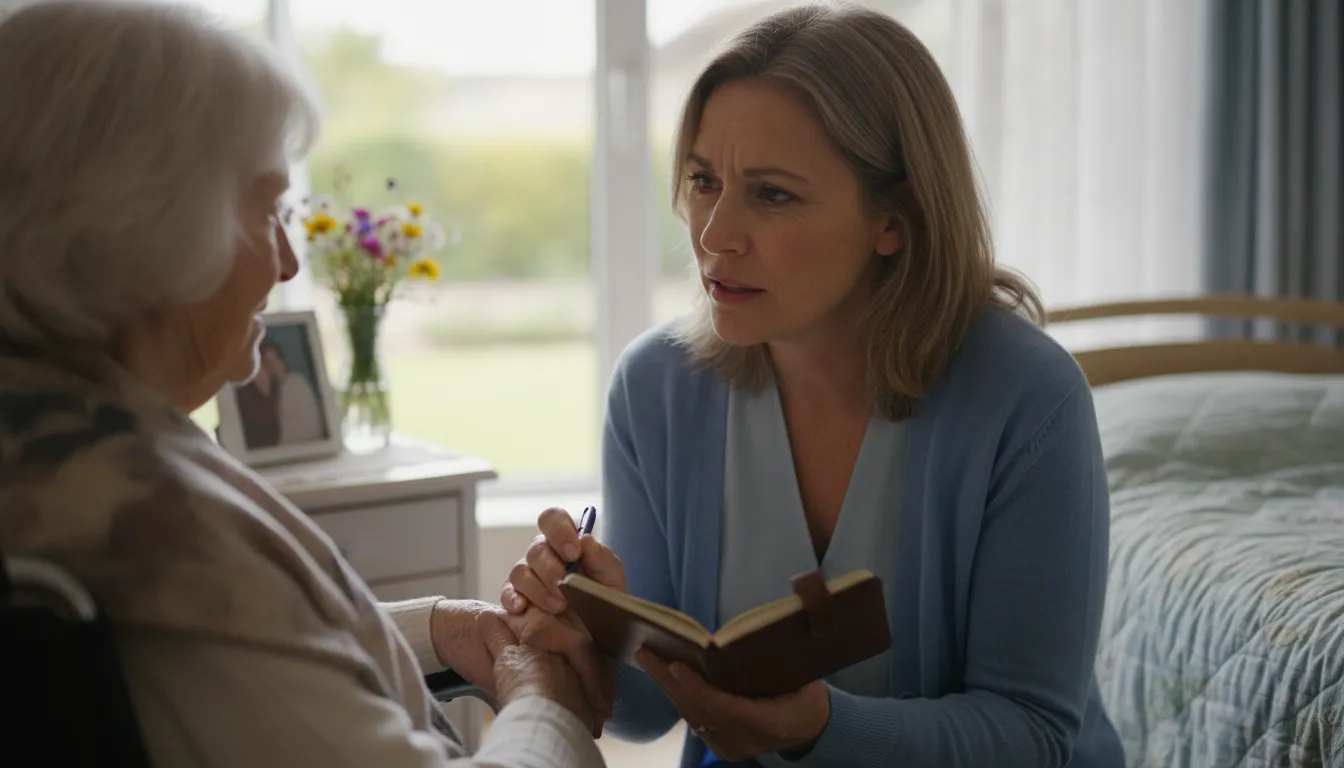
Keep a dated log that identifies the resident’s condition, location, people present, and specific words used by the resident or staff. Separate facts from assumptions. Record who witnessed each event and when the facility was notified. Preserve original photographs, messages, emails, appointment summaries, discharge papers, and bills when possible.
Write down each report to the facility, including the date, person notified, response, and promised action. Request written confirmation when appropriate. Avoid confrontation if it could increase risk to the resident or interfere with care. If the resident faces immediate danger, seek emergency medical help or contact appropriate authorities first. Documentation matters, but safety comes first.
Families can also review Hoch Law Firm’s Fort Worth elder abuse attorney resource when the evidence may involve active abuse or exploitation rather than only inadequate facility care.
How Can a Family Prove Facility Liability?
Hoch Law Firm evaluates facility liability by looking for evidence of a care duty, a failure to meet that duty, a connection between the failure and the resident’s harm, and legally recognized damages. The family must connect the records to the resident’s actual needs and condition. No single document proves every part of a claim.
Showing that a resident suffered an injury or decline is not enough by itself. A family must investigate what care was expected, what care was delivered, and whether the difference contributed to the harm. The applicable legal theory and proof requirements depend on the facts, the responsible parties, and the law governing the claim.
Start with the resident’s expected care
The care plan may show what assistance, monitoring, medication, nutrition, hygiene, mobility support, or medical follow-up the resident was supposed to receive. Compare those instructions with daily care notes and medication administration records. Look for evidence about repositioning, help with meals, response to call lights, supervision, and reports of a change in condition.
Families should preserve incident reports, nursing notes, physician records, hospital records, medication records, assessments, transfer documents, and communications with the facility. A verbal explanation may not show the entire timeline. Write down dates, names, observations, symptoms, changes in behavior, and statements made during calls or visits. Keep photographs in their original form when possible.
Connect the failure to the harm
Care records alone may not establish causation. Medical records and testimony from treating providers can help explain whether a bedsore, dehydration, infection, fall injury, medication problem, or malnutrition is consistent with a missed or inadequate intervention. A family member’s account can document what was visible and when the condition changed.
Staffing and communication records can provide additional context. Repeated unanswered calls, gaps in shift documentation, delayed notifications, or changes in staffing may be relevant when combined with the resident’s care needs and resulting injury. Understaffing or a communication problem is not automatically proof of negligence. It requires careful review alongside the resident’s records and medical evidence.
Identify the appropriate responsible party
The name on the building may not identify every entity involved in the resident’s care. Depending on the evidence, potentially responsible parties may include the facility, an individual caregiver, a management company, or a parent corporation. Ownership, employment, management, and control relationships should be verified rather than assumed.
Preserve evidence promptly because records can become harder to obtain as time passes. Families should focus first on safety and medical needs, then seek qualified legal guidance about collecting records, reporting concerns, and evaluating possible claims. Hoch Law Firm can assess the available information without promising a result before the facts are known.
Neglect vs. Elder Abuse: Which Problem Does the Evidence Show?
Neglect generally concerns a failure to provide needed care, while active abuse involves intentional harm, threats, intimidation, or exploitation. The categories can overlap, and the same resident may experience more than one problem. The evidence, setting, responsible person, and resulting harm should determine the investigation, not a label chosen too early.
The National Institute on Aging identifies physical, emotional, sexual, and financial abuse as forms of elder abuse. It also explains that abuse can occur at home, in assisted living, or in a nursing home. A facility setting does not automatically make every concern a neglect case, just as a home setting does not exclude abuse.
| Problem | Conduct involved | Evidence that may matter | Possible setting |
|---|---|---|---|
| Nursing home neglect | Failure to meet basic care, medical, nutrition, hygiene, supervision, or safety needs. | Bedsores, poor hygiene, unclean conditions, dehydration, weight loss, missed medication, or delayed treatment. | Primarily a nursing facility for this article’s focus. |
| Physical or emotional abuse | Intentional bodily harm, unauthorized restraint, intimidation, threats, punishment, or distressing conduct. | Unexplained bruises, scars, burns, injuries, sudden anxiety, depression, fear, or withdrawal. | Home, assisted living, or nursing facility. |
| Financial abuse or exploitation | Misusing or taking money or property, or making unauthorized changes to accounts, policies, wills, or titles. | Unexplained withdrawals, missing belongings, altered documents, or pressure involving financial decisions. | Home or facility, depending on who had access. |
A resident who is isolated, cognitively impaired, or dependent on staff may not be able to explain what happened. A caregiver who withholds care may also intimidate the resident or misuse the resident’s money. Review the entire record, including medical findings, witness accounts, communications, and the facility’s response.
For families, the central questions are what happened, who had responsibility, and how the conduct affected the resident. A Fort Worth elder abuse attorney can help evaluate whether the facts point to facility neglect, active abuse, exploitation, or more than one concern. This article does not replace an individual legal evaluation.
Source: National Institute on Aging guidance on spotting signs of elder abuse.
What Compensation Can a Texas Nursing Home Claim Involve?
Hoch Law Firm evaluates potential compensation based on the harm, the evidence, and the law that applies. A claim may involve medical treatment, rehabilitation, additional care, pain, emotional distress, or reduced quality of life when supported by the facts. Hoch Law Firm should review the resident’s condition and records before discussing possible recovery.
There is no responsible way to promise a particular result or dollar amount before reviewing the resident’s medical history, care records, and circumstances. The purpose of an investigation is to identify losses that can be supported and connect them to the facility’s conduct.
Depending on the facts, losses may include reasonable treatment for injuries or illness, rehabilitation, medication, wound care, mobility assistance, or additional care made necessary by the neglect. If a resident developed a bedsore, became dehydrated, suffered an infection, or experienced another preventable health problem, medical evidence may help show what treatment was needed and why.

Medical and additional care costs
A review may consider bills already incurred, ongoing treatment, and care the resident may need because of an injury. Additional support can involve nursing care, therapy, mobility assistance, wound care, or changes in living arrangements. The appropriate categories depend on medical opinions and the resident’s actual needs, not on a checklist applied to every claim.
Pain, emotional harm, and other losses
Neglect can affect more than physical health. Pain, fear, anxiety, loss of dignity, emotional distress, and reduced quality of life may be relevant when supported by the facts and applicable law. Family members may also have questions about losses connected to a loved one’s decline. Those issues require careful legal analysis rather than assumptions about what a claim automatically includes.
How the investigation supports a claim
A legal review may examine medication administration records, care plans, staffing and incident records, treatment notes, photographs, witness accounts, and communications with the facility. Counsel may compare what the resident needed with what the facility documented and provided. Medical professionals can help evaluate the condition, while legal investigation can address causation and potentially responsible parties.
Texas Health and Human Services may have records concerning reports or oversight, but an agency record does not by itself determine whether a private claim succeeds. The complete record still matters. Hoch Law Firm should identify what can be proven and explain available options without overstating the case.
What Should You Do After Suspecting Neglect?
Hoch Law Firm recommends protecting the resident first, arranging appropriate medical care, documenting observations, preserving records, reporting concerns, and obtaining legal guidance when needed. These steps should happen in an orderly way, but an emergency requires immediate action. Evidence gathering should never delay urgent treatment or safety measures.
- Protect the resident’s immediate safety. If your family member faces urgent medical danger, call 911 or seek emergency care. Ask whether the resident should be moved temporarily, evaluated by another clinician, or supervised more closely.
- Arrange a medical evaluation. Ask a qualified medical professional to assess injuries, dehydration, infection, medication problems, bedsores, malnutrition, or other changes. Explain what you observed and when you first noticed it.
- Document observations promptly. Keep a dated record of symptoms, conversations, missed care, changes in behavior, living conditions, photographs, and names of people involved. Write facts separately from assumptions.
- Request and preserve records. Ask for relevant medical information, care plans, incident reports, medication records, transfer information, billing records, and communications about the resident’s care. Keep copies of your requests and the facility’s responses.
- Raise concerns in writing. Notify the appropriate facility administrator or director and describe the concern clearly. Ask what action will be taken and when. Written communication creates a clearer record than a memory of a phone call.
- Consider reporting options. Depending on the facts and urgency, a family may contact appropriate health or protective authorities. A legal professional can discuss how a report may relate to the broader investigation.
- Seek a case review. Bring the timeline, photographs, medical records, facility communications, and bills to a qualified attorney. Do not wait to organize every document before asking what should be preserved.
Do not alter records, discard materials that seem unfavorable, or confront a staff member if doing so could increase risk. If the resident has capacity, include the resident’s wishes in decisions about photographs, medical care, reporting, and a possible change in living arrangements.
Hoch Law Firm represents clients in complex litigation and provides background about its attorney, Tim Hoch, on the firm’s attorney profile. Families should use the information available to them and seek advice tailored to the resident’s situation.
Call Hoch Law Firm to discuss suspected nursing home neglect at 817-731-9703
Frequently Asked Questions
What are the common signs of nursing home neglect?
Common signs may include bedsores, dehydration, poor hygiene, dirty bedding, missed meals, missed medication, unexplained injuries, repeated falls, unsafe conditions, and sudden behavior changes. These signs can have other causes, so prompt medical evaluation and careful documentation are important.
How do you prove nursing home facility liability in Texas?
Evidence may include the resident’s care plan, daily notes, medication records, incident reports, medical records, photographs, witness accounts, staffing information, and facility communications. The evidence must connect an expected duty of care, a failure to meet it, resulting harm, and legally recognized damages.
What is the difference between nursing home neglect and elder abuse?
Neglect generally involves failing to provide needed care, food, medication, hygiene, supervision, or medical attention. Elder abuse can include intentional physical, emotional, sexual, or financial mistreatment. The categories can overlap, and the facts should guide the investigation.
Can I pursue compensation for my loved one’s neglect?
A potential claim may exist when evidence connects a facility’s conduct to a resident’s injury or other legally recognized harm. The answer depends on the facts, records, responsible parties, and applicable law. A case review is needed before anyone can assess possible options.