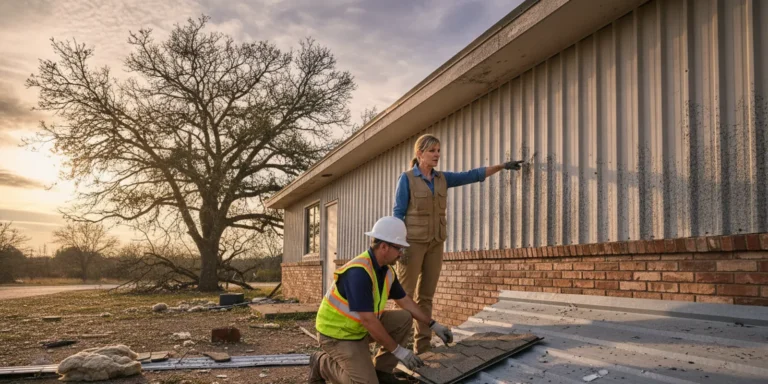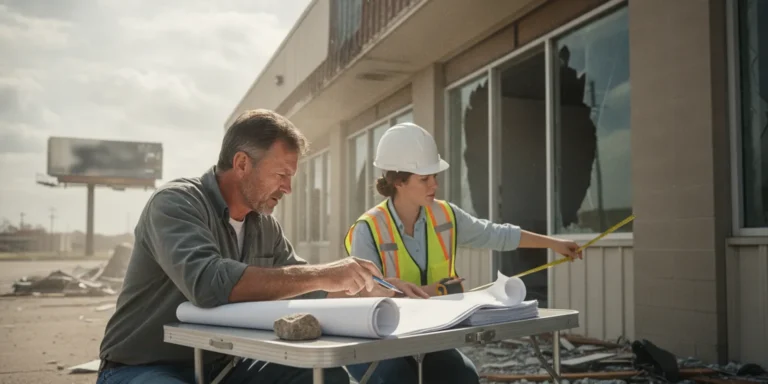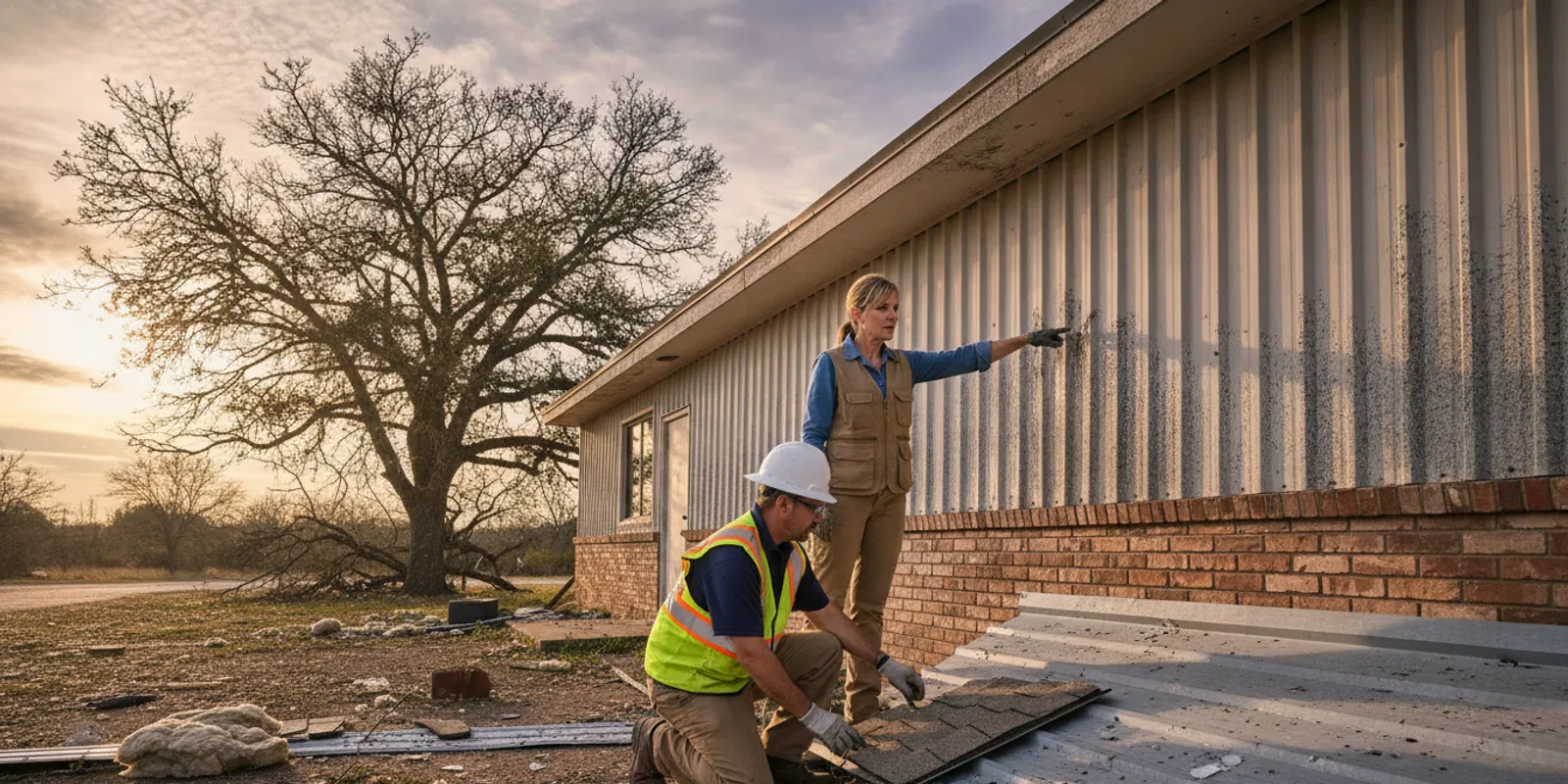
A Texas commercial property insurance claim higher payout is not a guaranteed result. It is a request for payment supported by the policy, evidence of covered damage, and a reasonable repair scope. When an insurer’s estimate seems too low, a property owner can take practical steps to identify what is missing, preserve useful records, and present a clear explanation of the disputed amount.
For a business owner, a property claim can involve more than a roof. A storm may affect walls, mechanical equipment, interiors, tenant spaces, or the ability to operate. The policy controls what is covered and how payment is calculated. This guide offers a process for checking the estimate and organizing evidence; it does not promise a particular result or replace review of the policy and facts of a specific loss.
What does a higher payout mean in a commercial property claim?
A higher payout means the final amount reflects covered damage and applicable policy terms more completely than an initial estimate may. It does not mean adding unrelated repairs, inflating quantities, or demanding every improvement a building could use. The strongest position links each requested item to the loss, shows why the work is needed, and explains the source of the proposed cost.
Start by separating three questions that are easy to mix together:
- What was damaged? Identify each affected building component, room, system, and piece of business property.
- What does the policy potentially cover? Check the relevant insuring agreement, exclusions, conditions, limits, deductibles, and any special endorsements.
- What payment has been made or offered? Compare the insurer’s estimate and payment explanation with the evidence and policy terms, including any stated depreciation or deductible.
These questions matter because a disagreement about the amount of damage is not automatically a disagreement about coverage. An insurer may accept that a storm occurred but dispute the cause, the repair method, the quantity of work, or the relationship between the damage and the loss. Make each disputed issue clear instead of treating the whole claim as one unexplained shortfall.
For example, an estimate may include a roof repair but omit wet ceiling materials inside a particular suite. That is a scope question: identify the suite, show the interior condition, and connect the records to the area of the roof above it if the evidence supports that connection. A different dispute may involve the insurer accepting that a roof section was affected but proposing a repair method that the building professional says will not address the documented condition. That calls for a comparison of the proposed methods and the factual reasons for each, not merely a different total.
Why can an insurer’s first estimate fall short?
An estimate is based on the information available to the person preparing it. Differences can arise if parts of the property were inaccessible, damage was not visible during an inspection, or the estimate uses a repair scope that does not match the work a qualified professional believes is necessary. A large property may also have multiple roof sections, buildings, tenants, or systems that require separate documentation.
Check for common points of disagreement, without assuming any one of them applies to your loss:
- A building area or damaged item does not appear in the estimate.
- Quantities, dimensions, or material assumptions do not match site conditions.
- The proposed repair addresses surface symptoms but not the damaged assembly.
- Labor, equipment, access, disposal, or other project needs are not explained or included.
- Interior damage or damage to a separate building system is not connected to the reported event in the estimate.
- The insurer attributes some damage to wear, prior conditions, or another cause, and the available evidence has not been organized to address that conclusion.
- The estimate’s total is difficult to reconcile with the payment letter, deductible, policy limits, or other stated adjustments.
A useful first review is to separate the estimate into categories. Mark whether each difference is about an omitted location, a disputed amount of material, the proposed repair method, pricing assumptions, cause, or policy interpretation. For a disputed measurement, note the source of the competing measurement and where it applies. For a repair-method disagreement, ask the building professional to state what condition was observed, what work is proposed, and why. For a cause dispute, organize dated records and inspection findings that relate to the timing and location of the condition. A distinct, answerable question is easier to review than a general request to increase the claim.
For Texas commercial insurance context, see TexasInsurance.org’s overview of commercial insurance. The page can provide general background, but it does not interpret your policy or establish what a particular loss should pay.
What should you do before asking for more payment?
Take an orderly approach. Sending a large stack of documents without identifying the issue can make the review harder. Before making a supplemental request or responding to a coverage position, preserve the current record and build a simple comparison between the estimate, your evidence, and the work you believe is needed.
- Collect the claim documents. Save the policy and declarations, endorsements, notice of loss, inspection reports, photographs, estimates, payment letters, and all written communications. Ask for copies of documents you do not have. Keep the originals and work from copies.
- Record the timeline. Note the date the damage was discovered, when the loss was reported, inspections, requests for information, mitigation, estimates, and payments. Keep a log of calls, including who participated and what was discussed, then confirm important points in writing.
- Protect the property and document the work. Take reasonable steps to prevent further damage, consistent with the policy and the situation. Photograph conditions before temporary work when safe and practical. Keep invoices, work orders, material records, and photographs showing what was done. Do not delay urgent safety measures just to obtain a photograph.
- Get a detailed repair scope. Ask an appropriately qualified building professional to describe the observed damage, proposed work, quantities, and why the work is needed. A brief total without supporting measurements or explanations may not resolve a scope dispute.
- Compare line by line. Put the insurer’s scope beside the contractor or consultant’s scope. Mark items omitted, quantities that differ, and assumptions that need explanation. Ask the professional to address differences specifically rather than simply state that the estimate is too low.
- Check policy provisions and deadlines. Review the policy language and all letters for requested information, proof-of-loss requirements, suit or appraisal provisions, and time limits. Do not assume that discussions with the insurer pause a deadline. If a date is unclear, get advice promptly.
To make that comparison usable, create a loss map before writing the request. Give every building, floor, roof section, tenant area, or system a short label. Use the same label in photographs, inspection notes, estimates, and your issue list. If one image shows a water mark in Suite 204, for example, name the file with the date and suite number and record which report or estimate discusses that room. For a multi-building property, add the building identifier; a note that says only “roof damage” may be too vague to tell one location from another.
Next, build a short issue register with one row per disputed item. Include the insurer’s description, your evidence, what is still unknown, and the next action. An entry might say: “North elevation, loading area: no line item in estimate; dated photos and site plan attached; ask whether this area was inspected.” Another might state: “Unit count differs; confirm dimensions with contractor and compare measurement method.” This approach helps prevent a request from becoming a collection of unrelated observations. It also reveals gaps before you send the material, such as a photo without a location or a proposed repair without a supporting explanation.
After a major event, a practical starting checklist is available in Hoch Law Firm’s storm-damage guidance. For a hail loss involving a commercial building, the firm also explains steps in its commercial hail claim guide.
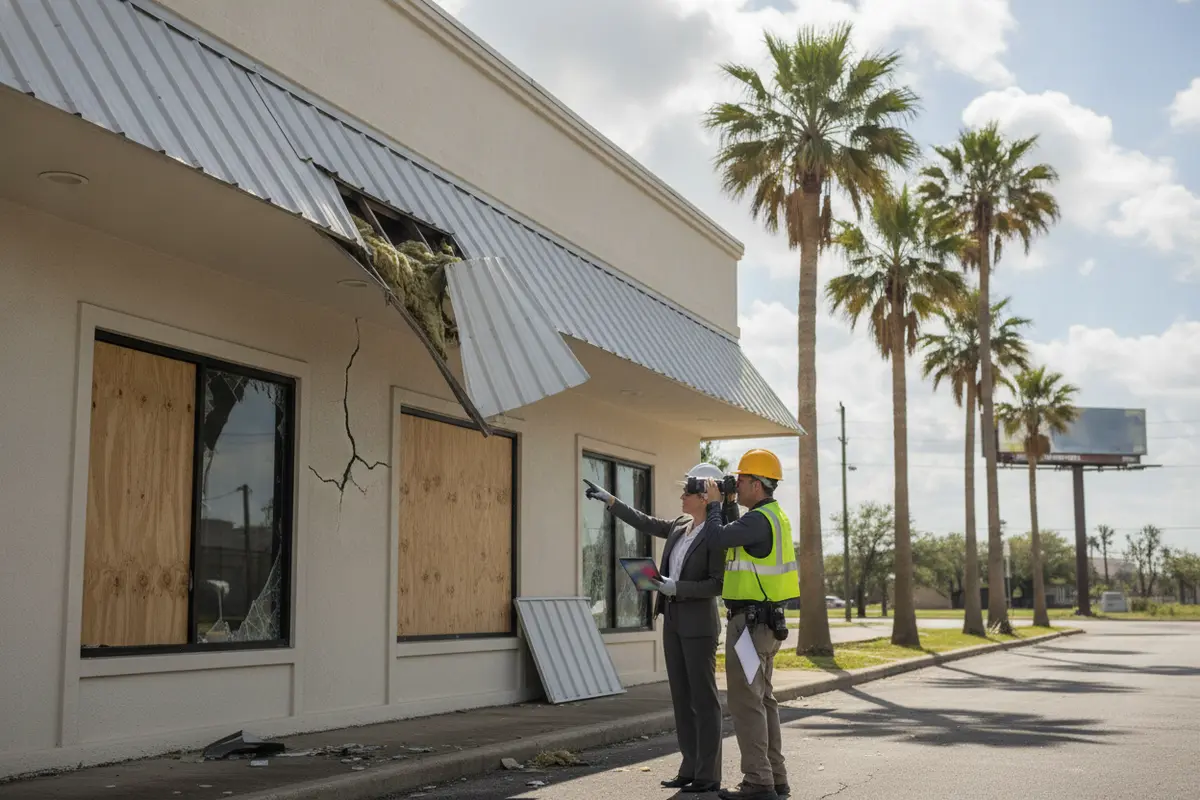
Which records can help support the requested amount?
Choose records that answer a question. A photograph may show a condition, while a measurement or expert explanation may show its extent or cause. An invoice can establish what was done and paid, but it may not by itself establish that the policy covers the work. Together, well-labeled records can make the chain of reasoning easier to follow.
- Photographs and video: Include wide views that identify the building area and closer views of individual conditions. Label the date and location where possible. Preserve original files, not only images embedded in messages.
- Inspection and measurement records: Keep roof diagrams, elevations, room lists, moisture readings, equipment assessments, and notes showing where inspections occurred. Identify areas that could not be accessed.
- Repair proposals: Request itemized scopes with quantities, materials, labor assumptions, and explanations for specialized work. Ask the professional to distinguish observed conditions from assumptions and to identify any needed testing.
- Mitigation and repair records: Save contracts, invoices, receipts, work logs, disposal records, and before-and-after images. Separate emergency work from permanent repairs when the records allow.
- Prior condition records: Maintenance logs, prior inspection reports, and pre-loss photographs may help explain the property’s condition before the event. Provide context rather than implying that every older condition resulted from the new loss.
- Business records: If damage affected operations, preserve relevant financial and operating records separately from the building-damage file. Hoch Law Firm provides information on business interruption claims; the policy language and facts determine whether any related loss is covered.
Use a consistent file naming approach, such as date-building-area-description. Keep a master index with the document name, date, source, and the issue it supports. This makes it easier to respond to a specific question without resending the entire file.
Separate records by what they establish. A photograph can show an apparent condition and its location; a dated inspection note may add context; a repair proposal can explain the work and quantities; and an invoice can show an expense incurred. Those records do not all prove the same thing. Pair them where possible. For a proposed replacement, for instance, include the observed condition, the professional’s explanation of why the proposed repair is appropriate, and a scope identifying the affected area. If the record is incomplete, say what remains uncertain rather than presenting an assumption as a confirmed fact.
How can you compare the estimates?
A side-by-side table can expose whether the disagreement concerns omitted work, quantity, method, price, or a policy issue. The examples below are categories to investigate, not a conclusion that a particular item belongs in every claim.
| Issue to compare | What to check | Useful supporting record |
|---|---|---|
| Building area or item | Does each estimate identify the same roof section, interior, equipment, or other property? | Annotated site plan, dated photographs, inspection notes |
| Scope of work | Do the proposed steps address the documented condition and explain the repair method? | Detailed contractor scope, technical explanation, testing results |
| Quantity and dimensions | Are measurements and counts consistent with the property? | Measurements, diagrams, inventory, photographs with location labels |
| Cost assumptions | Are materials, labor, access, and other listed components explained and current for the proposed work? | Itemized bids, supplier information, work specifications |
| Cause or coverage | Does the insurer dispute whether damage came from the reported event, or whether policy language applies? | Inspection findings, timeline, policy and endorsements, expert analysis |
| Payment calculation | Can the amount offered be reconciled with stated adjustments, deductible, limits, and policy terms? | Estimate, payment letter, declarations, relevant policy provisions |
Ask questions that invite a specific response: Which item is not accepted? Is the dispute about the observed condition, cause, repair method, quantity, or policy language? What document or policy provision supports that position? Keep your own response equally specific. A clear table of differences is often more useful than repeating that the offer is unfair.
Prioritize the table by significance and readiness. Start with the items that materially affect the proposed work and for which you have clear supporting records. Do not hide a small, well-documented omission among dozens of speculative entries. If one disputed line depends on a measurement that has not been verified, mark it for follow-up rather than treating it as settled. Likewise, distinguish a factual estimate difference from a policy question: an item can be accurately measured yet still be subject to a coverage dispute. Keeping those columns separate helps the owner, professional, and reviewer focus on the right issue.
How should you submit a supplement or written response?
Follow the method and instructions in the policy and claim communications. Before sending materials, make a short cover letter or email that identifies the claim, the items in dispute, and the records attached. Organize the submission in sections, such as building exterior, roof, interior, equipment, and business records when those categories apply.
For each disputed item, state the insurer’s position as you understand it, explain the evidence that differs, and identify the requested action. For example, if a report identifies a damaged area not listed in the estimate, identify the location and attach the relevant photograph, inspection note, and repair scope. Avoid unsupported conclusions about motive or legal wrongdoing. Keep the tone factual and preserve a copy of everything you send.
Request confirmation of receipt and ask what additional information is needed. If the insurer asks for records, track the request and response dates. If you cannot provide something, explain why and offer a reasonable alternative where possible. Do not sign a release or accept a payment as full resolution without understanding its terms and effect. Payment documents can have legal consequences, so seek advice when uncertain.
Before sending, check the package from the recipient’s point of view. Can a reviewer tell which property and claim it concerns? Does each attachment have a label that matches the issue list? Are estimates dated and are revisions distinguished from earlier versions? A one-page attachment index can identify each file and the question it addresses. Keep a complete copy of the final package, including the transmittal and delivery confirmation. If you provide additional material later, label it as a supplement and note what new information it contains so the record remains understandable.
What options may address a continuing disagreement?
The next step depends on the policy, the dispute, and any deadlines. Some disagreements can be addressed with additional documentation or a further inspection. A policy may contain an appraisal process for certain disputes over the amount of loss, but appraisal may not decide every question, including whether a type of damage is covered. Read the applicable provision and understand its scope before invoking a process.
Hoch Law Firm describes its work on Texas insurance appraisal disputes. If the issue concerns an insurer’s handling of a claim or a disputed policy obligation, the firm also provides information about bad faith insurance claims. These are distinct issues; a low estimate alone does not establish bad faith. A lawyer reviewing the policy, correspondence, and evidence can help identify whether a legal dispute exists and what options may be available.
Consider obtaining legal guidance when the insurer denies a significant part of the claim, the parties disagree over policy interpretation or cause, a deadline may be approaching, or a proposed release could affect future rights. Bring the policy, estimates, letters, photographs, repair records, and a concise timeline to any consultation. Hoch Law Firm’s property insurance claim process overview offers additional context about claim handling.
Discuss your commercial property claim
Frequently Asked Questions
Can I ask the insurer to reconsider its estimate?
You can submit relevant evidence and ask the insurer to review specific differences, following the policy and claim instructions. A request is more useful when it identifies the disputed estimate items and supports each point with records rather than only stating a preferred total.
Should I start repairs before the claim is resolved?
Urgent work may be needed to protect people or prevent additional damage. Document conditions and expenses when safe and practical, and review policy requirements about mitigation, inspection, and notice. For non-urgent permanent work, consider how starting before an inspection could affect the available evidence, and ask the insurer about access or documentation.
Does a contractor’s estimate determine what the insurer must pay?
No. An estimate is evidence of proposed work and cost, not a guarantee of coverage or payment. The policy, the cause and extent of damage, and supporting documentation all matter. Ask the professional to explain the scope and provide records that address the specific points in dispute.
Does appraisal decide whether damage is covered?
Not necessarily. The policy’s appraisal language controls what the process can address, and appraisal may be limited to a disagreement about the amount of loss. A coverage or policy-interpretation dispute may require a different analysis. Review the actual provision before taking action.
Can a lawyer guarantee a higher payout?
No responsible review can guarantee a result. Legal counsel can assess the policy and claim record, explain potential issues, and discuss available options. The outcome depends on the policy language, facts, evidence, and applicable law.
A well-supported claim is organized around the policy and the evidence, not just a target figure. Preserve records, identify the exact points of disagreement, and get timely advice when a substantial dispute or deadline requires closer review.