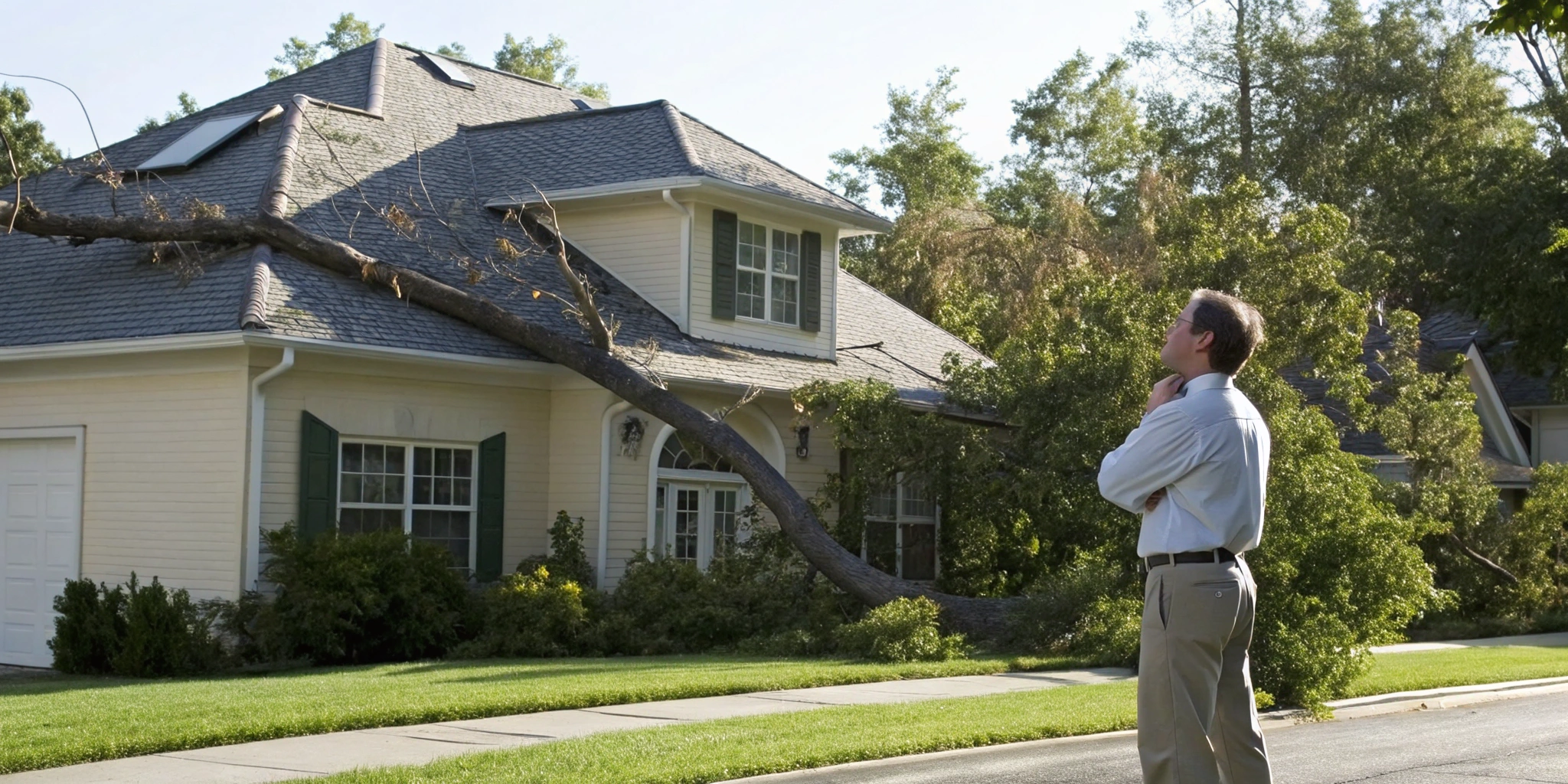
Your insurance policy is a contract, but it’s one written by the insurance company to protect its own interests. When you file a wind damage claim, their team of adjusters and lawyers will scrutinize every detail to minimize their payout. They are experts at this. To level the playing field, you need your own expert—an advocate who works only for you. Finding the best lawyer for a wind damage claim means finding someone who can dissect your policy, counter the insurance company’s arguments, and build a powerful case for the full compensation you are owed. This isn’t just about getting a check; it’s about holding your insurer accountable to the promise they made.
Key Takeaways
- Choose a specialist over a generalist. Your best advocate is a lawyer who focuses specifically on Texas property insurance law. Look for key credentials like Board Certification in Trial Law, which proves they have the expert skills to take on insurance companies.
- Look beyond the sales pitch to verify their record. A great lawyer has the results and reviews to back up their claims. Do your homework by reviewing their past case outcomes, reading independent client testimonials, and ensuring you get a clear, written contingency fee agreement.
- Treat the initial consultation as your interview. You are in control of the hiring decision, so use this meeting to your advantage. Arrive prepared with your insurance policy, a claim timeline, and direct questions to confirm the attorney is the right strategic partner for you.
What Makes a Great Wind Damage Lawyer?
When your property is damaged by high winds, the last thing you need is a long, frustrating battle with your insurance company. Finding the right lawyer can make all the difference, but it’s about more than just hiring someone with a law degree. You need an advocate who specializes in this specific type of fight. The best wind damage lawyers possess a unique combination of specialized knowledge, proven experience, and a deep understanding of the tactics insurance carriers use to protect their bottom line. They aren’t just legal representatives; they are strategic partners dedicated to making sure you get the compensation you deserve. So, what exactly should you be looking for? Let’s break down the essential qualities that separate a good lawyer from a great one.
Board-Certified Trial Law Expertise
Board certification is a significant achievement that shows a lawyer has substantial, specialized experience in a specific area of law. Think of it as an expert-level credential. For a lawyer to become board-certified in Texas, they must have extensive trial experience, pass a rigorous exam, and be recommended by their peers and judges. When a lawyer is Board Certified in Personal Injury Trial Law, it signals they have mastered the complexities of courtroom litigation. This is crucial because it shows they have the skills to take your case all the way to a jury if the insurance company refuses to offer a fair settlement. It’s a clear indicator that you’re working with a true specialist, not a generalist.
Proven Experience in Insurance Disputes
You wouldn’t hire a plumber to fix your car, and you shouldn’t hire a general practice attorney for a complex wind damage claim. Look for a lawyer whose practice focuses specifically on property insurance disputes. These attorneys have an intimate understanding of how insurance companies operate—the delay tactics, the confusing policy language, and the lowball settlement offers. They’ve seen it all before and know how to counter these strategies effectively. An experienced insurance dispute lawyer can anticipate the carrier’s next move and build a proactive case designed to overcome their objections, ensuring you are in the strongest possible position from the start.
Deep Knowledge of Texas Law
Insurance law is complex and varies significantly from state to state. A lawyer with a deep understanding of the Texas Insurance Code and relevant case law is essential for your claim’s success. These specialized attorneys ensure that policyholders receive fair compensation for wind-related property damage, whether it’s from a tornado, hurricane, or severe thunderstorm. They know the specific legal standards insurance companies in Texas must follow and can identify when an insurer is acting in bad faith. This local expertise allows them to build a case that is tailored to the legal landscape of Texas, giving you a critical advantage in negotiations or at trial.
A Track Record of Trial Success
While most wind damage claims are settled out of court, the best leverage you have is a lawyer who is ready and able to win at trial. Insurance companies keep track of which attorneys settle for less and which ones have a track record of trial success. When an insurer sees you’ve hired a formidable trial lawyer, they are far more likely to negotiate in good faith and offer a fair settlement to avoid a costly and risky court battle. Always ask about a potential lawyer’s trial experience and their history of results. A high success rate shows they are skilled at both negotiating settlements and winning in front of a jury.
A Strong Network of Local Experts
A strong wind damage claim is built on solid evidence, and that often requires more than just a lawyer. Great attorneys work with a trusted network of local experts to support their clients’ claims. This network can include public adjusters, structural engineers, roofing contractors, and even meteorologists who can provide expert testimony and detailed reports. These professionals help accurately document the full extent of your damages and prove that the wind—not some other cause—was responsible. A lawyer with a strong professional network demonstrates that they have the resources and foresight to build a comprehensive and undeniable case on your behalf.
How to Vet Your Potential Lawyer
Once you have a shortlist of potential attorneys, it’s time to do your homework. Choosing the right lawyer is a significant decision that can directly impact the outcome of your wind damage claim. You need an advocate who not only understands the law but also has a proven history of fighting for clients like you. This vetting process is about looking past the marketing and digging into the details that truly matter: their reputation, their track record, their credentials, and what former clients have to say. Taking these steps will give you the confidence that you’re placing your trust in capable hands.
Check Client Reviews and Testimonials
Start by exploring what past clients have to say. Online reviews and testimonials are a great window into a lawyer’s professionalism, communication style, and overall client experience. Look for patterns in the feedback. Are clients consistently praising the attorney for being responsive and keeping them informed? Or are there recurring complaints about a lack of communication? While a single negative review isn’t necessarily a red flag, a consistent theme is worth noting. A reputable firm will often feature testimonials on its website, but also check independent sites like Google and Avvo for a more complete picture of their reputation in the community.
Review Past Case Results
A lawyer’s track record is one of the most reliable indicators of their ability to handle your case effectively. Don’t just take their word for it—look for concrete evidence of their success. Many experienced attorneys have a dedicated page on their website showcasing their case results. When you review these, look for outcomes in cases similar to yours, involving wind damage or other property insurance disputes. During your consultation, don’t hesitate to ask about their success rate in negotiating fair settlements versus taking cases to trial. An attorney who is transparent about their past performance is likely confident in their ability to deliver for you.
Look for Professional Recognition
Credentials matter, especially in a specialized legal field. One of the highest honors a Texas attorney can achieve is board certification. This isn’t just another plaque on the wall; it means the lawyer has demonstrated substantial, specialized experience and passed a rigorous exam in a specific area of law, like Personal Injury Trial Law. This level of recognition is a clear indicator that the attorney is an expert in their field. When you’re facing a complex wind damage claim, having a board-certified trial lawyer on your side signals to the insurance company that you are serious about getting the compensation you deserve.
Ask for Client References
While online reviews are helpful, speaking directly with a former client can provide invaluable, firsthand insight. A confident and successful attorney should be willing to provide references from past clients whose cases are similar to yours. This gives you a chance to ask specific questions about their experience. You can inquire about the lawyer’s communication habits, how they handled challenges during the case, and whether the client felt supported throughout the process. Hearing directly from someone who has been in your shoes can be the final piece of the puzzle, helping you make a well-informed and confident decision about your legal representation.
Understanding Legal Fees for Wind Damage Claims
Let’s talk about the money side of things. Discussing legal fees can feel awkward, but it’s one of the most important conversations you’ll have when hiring a lawyer. A clear understanding of the costs involved ensures there are no surprises down the road and helps you find a legal partner whose approach aligns with your financial reality. Most property damage lawyers, especially those who represent policyholders against big insurance companies, work on a contingency fee basis. This model is designed to give you access to top-tier legal help without paying out of pocket, which is a huge relief when you’re already dealing with the cost of repairs. It means your lawyer’s success is directly tied to yours. At Hoch Law Firm, we believe you shouldn’t have to pay upfront to get the justice you deserve.
How Contingency Fees Work
A contingency fee arrangement is straightforward: your lawyer only gets paid if you win your case. If they successfully recover money for your wind damage claim, their fee is a percentage of that recovery. If there is no recovery, you owe them no attorney’s fees. This structure is a game-changer for property owners because it removes the financial barrier to hiring an experienced attorney. It allows you to level the playing field against a well-funded insurance company without worrying about hourly bills. Think of it this way—your attorney is investing their time and resources into your case because they believe in its merit. Their payment is contingent upon a successful outcome for you.
Clarifying Percentage Rates
During your initial consultation, don’t hesitate to ask about the specific percentage the law firm charges. Transparency is key, and any reputable attorney will be upfront about their rates. Contingency fees typically range from one-third to 40% of the total amount recovered, but this can vary depending on the complexity of the case and when it gets resolved. For example, the percentage might be lower if the case settles before a lawsuit is filed and higher if it goes to trial. Make sure you understand exactly what the percentage is and how it might change as the case progresses. This clarity helps you accurately calculate your potential net settlement and manage your expectations.
Factoring in Additional Costs
Beyond the attorney’s fee, every lawsuit involves case expenses. These are the out-of-pocket costs required to build and argue your case, such as court filing fees, deposition costs, and fees for expert witnesses like engineers or roofing consultants. It’s crucial to ask how these costs are handled. Are they deducted from the settlement amount before or after the attorney’s percentage is calculated? Will you be responsible for these costs if you don’t win the case? A trustworthy lawyer will explain this process clearly. In many contingency fee agreements, these expenses are also advanced by the law firm and are only reimbursed from the settlement if you win.
Always Get It in Writing
Once you’ve discussed the fees and costs, make sure everything is documented in a written agreement. This contract should clearly outline the contingency fee percentage, how case expenses will be managed, and the scope of the lawyer’s services. A written agreement protects both you and your attorney by creating a clear and mutual understanding from the very beginning. The American Bar Association emphasizes the importance of a signed contract that details the fee structure. Review it carefully and ask questions about anything you don’t understand before you sign. This document is your roadmap for the financial side of your legal journey.
Preparing for Your Initial Consultation
Walking into a lawyer’s office can feel intimidating, but it doesn’t have to be. The initial consultation is your opportunity to share your story, understand your legal options, and decide if an attorney is the right partner for you. The more prepared you are, the more productive this meeting will be. A little prep work beforehand helps your potential lawyer get a clear picture of your situation and allows you to get the answers you need to move forward with confidence. Think of it less as a test and more as the first strategic step toward getting the compensation you deserve for your property damage.
Gather Your Key Documents
To get the most out of your consultation, you’ll want to bring some key paperwork. This isn’t just about having proof; it’s about giving the attorney the full story so they can give you the best advice. Start by gathering your complete insurance policy—the whole thing, including the declarations page. Next, collect any and all correspondence you’ve had with your insurance company, from emails to denial letters. Finally, bring all the evidence you have of the damage itself. This includes photos, videos, repair estimates from contractors, and receipts for any temporary fixes you’ve had to make. Organizing these documents will give your property insurance lawyer a solid foundation to build your case on.
Create a Damage Timeline
When you’re dealing with the stress of property damage, events can start to blur together. Creating a simple, chronological timeline can be incredibly helpful for both you and your attorney. Start with the date the wind damage occurred. From there, list every important event in order: the date you first contacted your insurance company, when the adjuster came to inspect the property, any communications you had with them, and when you received any decisions or payments. Also, note any steps you took to mitigate further damage, like putting a tarp on the roof. This clear sequence of events helps your lawyer quickly understand the history of your claim and identify where the insurance company may have gone wrong.
Prepare Your Questions
Remember, you are interviewing the lawyer just as much as they are evaluating your case. You need to feel confident in their ability to represent you. Come prepared with a list of questions to help you make an informed decision. You might ask about their specific experience with wind damage claims in Texas or how they approach negotiations with difficult insurance carriers. It’s also fair to ask about their track record and what a typical case process looks like. A great attorney will welcome your questions and provide clear, straightforward answers. This is your chance to learn more about their expertise and see if their communication style is a good fit for you. You want an advocate like Tim Hoch, who has the credentials and experience to back up their claims.
Know What to Expect
Your first meeting is a two-way conversation. You can expect the lawyer to ask detailed questions about your property, your insurance policy, and the damage you’ve sustained. Be ready to walk them through your timeline and show them the documents you’ve gathered. This is also your time to observe. Does the lawyer listen attentively to your story? Do they explain complex legal concepts in a way you can understand? You should leave the consultation with a clearer picture of your legal rights and a potential strategy for your claim. A good lawyer will make you feel heard and empowered, not confused or rushed. They should be able to explain the different practice areas they handle and how their experience applies directly to your situation.
Common Mistakes to Avoid When Hiring a Lawyer
Choosing the right lawyer can feel overwhelming, especially when you’re already dealing with the stress of wind damage. It’s a critical decision that can significantly impact the outcome of your claim. To help you make the best choice, let’s walk through some common missteps people make during the hiring process. Being aware of these pitfalls is the first step to avoiding them and finding an advocate who will truly fight for you.
Hiring a Generalist, Not a Specialist
One of the biggest mistakes is hiring a lawyer who tries to be a jack-of-all-trades. You wouldn’t see a family doctor for heart surgery, and the same principle applies here. Property insurance law, especially concerning wind damage in Texas, is complex and constantly changing. You need someone who focuses on these specific practice areas day in and day out. A specialist understands the tactics insurance companies use to deny or underpay claims and knows the specific state laws and regulations that apply to your case. Don’t be afraid to ask a potential lawyer about their experience with cases just like yours.
Overlooking Local Texas Expertise
A lawyer from another state might have a great website, but they won’t have the on-the-ground knowledge that a local attorney provides. A Fort Worth property insurance lawyer understands the local legal landscape, including the tendencies of local judges and the reputations of opposing attorneys. They have established relationships with local experts like public adjusters and contractors who may be crucial to your case. When you’re fighting an insurance company, having a lawyer with deep roots in the North Texas community is a powerful advantage that can make a real difference in your claim.
Forgetting to Check Their Trial Record
Many legal disputes are settled out of court, but you should always hire a lawyer who is ready, willing, and able to go to trial. Insurance companies know which lawyers are just looking for a quick settlement and which ones aren’t afraid to fight in the courtroom. An attorney with a proven track record of success at trial can often secure a better settlement for you because the insurance company knows they mean business. Ask about their trial experience and past results. A true trial lawyer won’t hesitate to share their history of fighting for their clients.
Not Clarifying Fees Upfront
Financial stress is the last thing you need when you’re trying to repair your property. Before you sign anything, make sure you have a crystal-clear understanding of the lawyer’s fee structure. Most reputable property damage lawyers work on a contingency fee basis, meaning they only get paid if you win your case. This fee is typically a percentage of your settlement or award. Ask for a written agreement that outlines the exact percentage, how case-related costs are handled, and whether you’ll be responsible for any expenses if you don’t win. Transparency is key.
Skipping the Free Consultation
Nearly every reputable personal injury and property damage law firm offers a free initial consultation, and you should absolutely take advantage of it. This meeting is your chance to interview the attorney and their team. It’s a two-way street: you’re assessing if they’re the right fit for you, and they’re evaluating the merits of your case. Come prepared with your documents and a list of questions. This is your opportunity to gauge their communication style, their understanding of your situation, and your overall comfort level with them. Don’t skip this crucial step to get the answers you need.
Finding the Right Wind Damage Lawyer in Texas
When your property is damaged by high winds, the last thing you want is a long, drawn-out search for a lawyer. But choosing the right legal partner is one of the most important decisions you’ll make. The right attorney can make the difference between a denied claim and a fair settlement that allows you to rebuild. To find the best fit for your case, focus on a few key qualifications: specialized expertise, local knowledge, and a history of success.
Why Board Certification Matters: Hoch Law Firm, PC
When you see that an attorney is “Board Certified,” it’s not just a fancy title—it’s a mark of proven expertise. Board certification is a significant achievement that shows a lawyer has substantial, specialized experience and has been rigorously tested in a specific area of law. For you, this distinction provides confidence that you are hiring a knowledgeable and skilled attorney who is recognized as an expert by their peers. For example, our founding attorney, Tim Hoch, is Board Certified in Personal Injury Trial Law, a credential held by a very small percentage of Texas attorneys. This level of dedication to trial law demonstrates a commitment to mastering the skills needed to win complex cases.
The Importance of a North Texas Focus
Texas weather is a force of its own, and so are its insurance laws. A lawyer from another state—or even another part of Texas—may not understand the specific challenges North Texas property owners face. It is crucial to find attorneys who have a deep understanding of Texas insurance laws and regulations. An attorney with local experience will be familiar with the tactics insurance adjusters use in the Dallas-Fort Worth area and will know the local courts and judges. This insider knowledge can be a powerful advantage when fighting for the compensation you deserve for your wind damage claim.
What Sets the Best Firms Apart
A great sales pitch doesn’t always equal great results. To find the best law firm for your wind damage claim, you need to look at their reputation and history. Take some time to research online reviews and read what past clients have to say about their experience. More importantly, look for a firm with a proven track record of achieving successful outcomes for clients in storm damage insurance claims. A history of securing substantial settlements and winning at trial is the strongest indicator of a firm’s ability to handle your case effectively and stand up to the insurance company on your behalf.
Making Your Final Decision
You’ve done your research, narrowed down your list, and had a few initial consultations. Now comes the most important part: choosing the right lawyer to handle your wind damage claim. This decision is about more than just credentials on a website; it’s about finding a true partner who will fight for you every step of the way. Think of this final step as a gut check, where you combine all the practical information you’ve gathered with your own intuition to find the perfect fit for your case.
Compare Qualifications Side-by-Side
When you’re dealing with a complex wind damage claim, a general practice lawyer just won’t cut it. You need a specialist. Lay out the qualifications of your top candidates and compare them directly. Look for specific, verifiable expertise in property insurance law. The gold standard here is Board Certification. A Board Certified trial lawyer has gone through rigorous testing and peer review, proving they have substantial, specialized experience. It’s a clear sign that they are an expert in their field and have a deep understanding of the tactics insurance companies use.
Assess Their Communication Style
The legal process can feel overwhelming, and the last thing you need is a lawyer who leaves you in the dark. Communication is key. How did you feel during your initial consultation? Did they listen to your story and answer your questions in a way you could understand, or did they use confusing legal jargon? Check online reviews and testimonials to see what past clients say about their communication. You want an advocate who is responsive, clear, and keeps you informed about your case’s progress. This relationship might last a while, so make sure you choose someone you can talk to.
Consider Their Availability
Insurance companies often try to drag their feet, but your claim has strict deadlines. You need a lawyer who has the time and resources to give your case the attention it deserves. During your consultation, don’t be afraid to ask about their current caseload and who your primary point of contact will be. A lawyer who is stretched too thin may not be able to act swiftly when it matters most. A firm that is ready to dive into the details of your property insurance dispute from the very first call is a good indicator that they are prepared to prioritize your case.
Trust Your Gut
After you’ve weighed all the practical factors—experience, qualifications, and communication style—it’s time to trust your instincts. How do you feel about this person representing you? Do you feel confident in their ability to stand up to a powerful insurance company? Do you feel heard and respected? Your lawyer is your champion in a difficult fight, and you need to have complete trust in them. If something feels off, it probably is. Choose the attorney who not only has the right qualifications on paper but also gives you the confidence that they’re the right person for the job.
Related Articles
- FORT WORTH TX PROPERTY DAMAGE ATTORNEY – Hoch Law Firm, PC
- FORT WORTH TX PROPERTY DAMAGE ATTORNEY – Hoch Law Firm, PC
Frequently Asked Questions
What will it cost me to hire a wind damage lawyer? Most reputable property damage attorneys work on a contingency fee basis. This means you don’t pay any attorney’s fees upfront. The lawyer’s payment is a percentage of the money they successfully recover for you. If they don’t win your case, you don’t owe them a fee. This approach allows you to get expert legal help without the financial strain, ensuring your lawyer is just as invested in a successful outcome as you are.
My insurance company made an offer. Why should I hire a lawyer instead of just taking it? Insurance companies are businesses, and their first offers are often calculated to be the lowest amount they think you might accept. An experienced property insurance lawyer can accurately assess the full value of your claim, including hidden damages or future costs you might not have considered. They understand the tactics insurers use to underpay and can build a strong case to negotiate for the full and fair compensation you’re actually owed.
What does ‘Board Certified’ actually mean for my case? Think of Board Certification as an expert-level credential. In Texas, it means a lawyer has demonstrated substantial, specialized experience in a specific area like trial law, passed a difficult exam, and been vetted by judges and other attorneys. For your case, hiring a Board Certified trial lawyer sends a powerful message to the insurance company that you have a serious, skilled expert on your side who is fully prepared to take your case to court if a fair settlement isn’t offered.
What should I bring to my first meeting with a lawyer? To make your initial consultation as productive as possible, gather a few key items. Bring your complete insurance policy, any letters or emails you’ve exchanged with the insurance company, and all the evidence you have of the damage. This includes photos, videos, and any estimates you’ve received from contractors. Having these documents organized helps the attorney get a clear picture of your situation right from the start.
How do I know if a lawyer is a real trial expert or just someone who settles cases? A lawyer’s track record speaks volumes. Ask them directly about their experience in the courtroom and look for a history of successful trial results on their website. A true trial lawyer prepares every case as if it will go before a jury, which is a strategy that often leads to better settlement offers because the insurance company knows they are ready for a fight. Avoid attorneys who seem hesitant to discuss their trial record or who can’t point to specific successes.