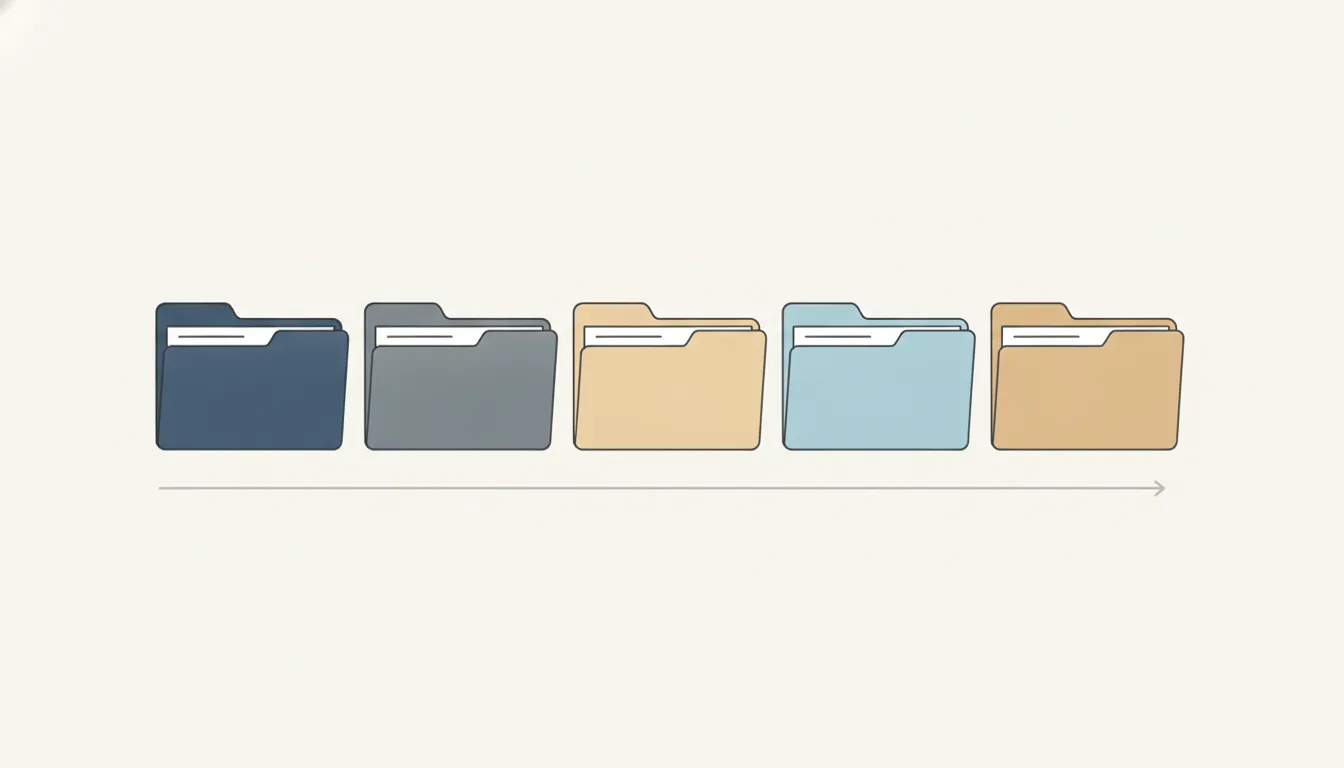
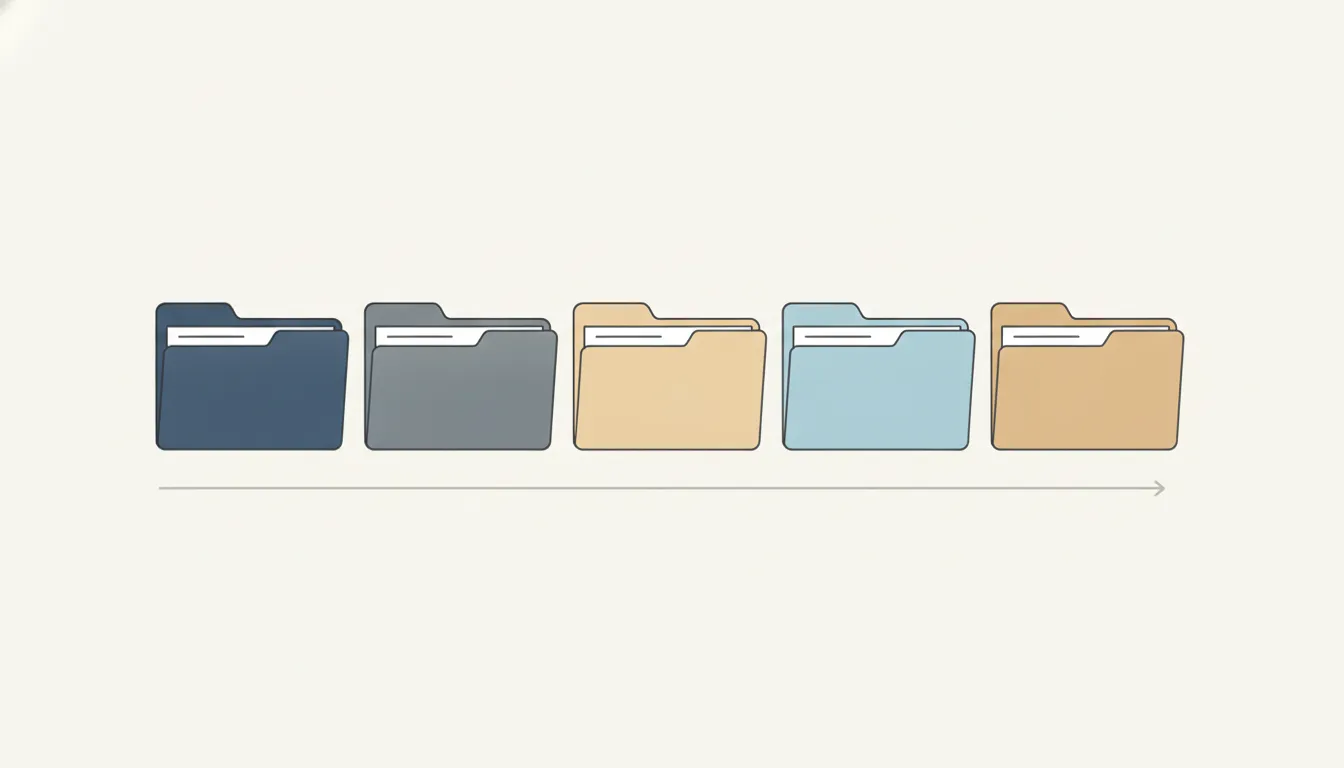
How should a Texas injury victim organize treatment records? Put each provider in date order, with the visit note, the bill, and any written work limit in the same folder. Start with the first exam. Then add later visits, imaging, and therapy. A clean file is easier to review than a stack of portal screenshots. Tim Hoch is Board Certified in Personal Injury Trial Law. From the Fort Worth office, he reviews a select number of serious injury matters.
Call 817-731-9703 for an injury claim evaluation.
The injury claim evaluation page says to contact the firm for a free case evaluation to learn your options. If the firm takes the case, you pay nothing unless the firm wins. That sentence is the page’s offer, not a prediction about your result. This guide stays on the filing system. It does not value a claim. It also does not replace advice about your own dates and providers.
How Should a Texas Injury Victim Organize Treatment Records
Use one master file and the same five sections from the first week through the last visit. A reviewer should be able to open any section and see the date, the provider, and the reason for the visit. Do not sort by the day you downloaded a file. Sort by the day the care happened.
- Start a one-page index. List each provider, the first visit, and the last visit.
- Save the first exam, the discharge papers, and the imaging report before later notes.
- Put each bill next to the visit it describes, not in a pile of totals.
- Add a work-limit note and a pay record only when a provider wrote a restriction or a shift was missed.
- Hold a “do not send yet” folder for drafts, portal chats, and records you have not read.
Label paper copies and digital files the same way. Use the date, the provider, and the document type. A file named “2026-03-04_clinic_visit-note.pdf” is useful. A file named “scan.pdf” is not. Keep the original download and one working copy. If a clinic sends a corrected note, add the letter R to the new file and keep the old one.
Pick one place for the working copy. A folder on a home computer plus a paper index is enough. Do not spread the same record across text messages, email, and three apps with no index. When a family member helps, give that person the index and the backup location. Do not give out portal passwords.
Build the Index Before the Folders Get Thick
The index is the page a reviewer reads first. Keep it to one page for as long as you can. Each line needs five fields: the date of service, the provider name, the document type, whether you have the record, and whether you have the bill. Leave a blank when an item is missing. A blank is a to-do, not a failure.
Update the index the day a record arrives. If you wait for a quiet weekend, visits blur together. Add a one-line reason in your own words, such as a follow-up for the left shoulder. Do not copy the provider’s diagnosis into your own medical opinion. Your line only tells a reader where to look.
Use the same provider name every time. If the hospital, the emergency doctor, and the radiology group bill separately, give each one a line. Mixing them under “hospital” hides a missing report. When care moves to a new city, start a new subsection. Keep the old provider in the index so the story stays in order.
What to Request From Each Provider
Ask each provider for the designated record set that covers your care. Federal privacy rules give a patient a right to inspect and obtain a copy of protected health information in that set, with stated exceptions, under 45 CFR 164.524. A portal view is a start. A complete copy is better. Ask for an electronic copy when the office offers one.
Send the request in writing and save it in the index. Include your name, date of birth, the dates of care, and the way you want the copy sent. Ask for these items:
- Emergency and first-visit records, including the history you gave that day.
- Visit notes, discharge summaries, operative reports, and referral orders.
- Imaging reports and the images themselves when the report is not enough.
- Therapy notes that list goals, limits, and attendance.
- Itemized bills and a line that says what each charge covers.
- Written work restrictions, prescriptions, and equipment orders.
A summary letter from a doctor can help, but it does not replace the notes. If the office offers only a short abstract, ask again for the full set. Keep a calendar of when you asked and when the copy arrived. If a fee is charged, save the receipt with the request. Do not skip a provider because the fee is annoying. A missing month is harder to explain than a small copy charge.
Read every page before you file it. Confirm the name, the date, and the body part. If a note is about someone else, or about a different date, set it aside and ask for a correction. Do not rewrite a record to make it sound stronger. If a fact is wrong, ask the provider for an amendment and keep both versions. Your explanation belongs in the index, not inside the provider’s note.
How Should a Texas Injury Victim Organize Treatment Records for Work Limits
Lost income can be documented by linking work restrictions, missed time, and pay records to the relevant treatment dates. Put the work note, the calendar of missed time, and the pay record in the same dated set. Attach that proof to the visit that created the limit. Do not build a separate earnings story with no medical date on it.
| Record. | What it shows. | Where to file it. |
|---|---|---|
| Written work restriction. | The provider limited lifting, driving, or hours. | Same date as the visit note. |
| Employer schedule or pay stub. | The shift or the pay that was missed. | Behind the restriction, in date order. |
| Itemized medical bill. | The charge for that visit or test. | Next to the matching visit, not as a lump sum. |
| Benefit or leave statement. | Sick pay, short-term disability, or unpaid time. | A wage subsection for the same week. |
Match three dates before you treat a wage paper as proof. The restriction date, the missed time, and the pay period should overlap. A pay stub from a month before the injury does not show a loss. A calendar you wrote with no employer record is a reminder, not the proof itself. Keep both, and label the calendar as your own note.
If you are self-employed, save invoices you could not finish, a simple calendar of lost days, and the tax return you already filed. Do not create a new profit figure for the claim file. If a customer canceled, keep the message that shows the date. Hoch Law Firm also handles construction accidents and burn injuries, where therapy and work limits often run for months. The filing method is the same. The medical facts are not.
Bills need the same care. A credit-card receipt from a pharmacy is not an itemized bill. Ask the billing office for the statement that lists the date of service, the code or description, and the amount. If insurance paid part of a bill, keep the explanation of payment behind that bill. Do not throw away the original charge just because a balance changed.
What to Hold Back Until Counsel Reviews the File
A complete file is not the same as a file you should send. Keep drafts, text messages, and social posts out of the set you share. Hold records from an unrelated condition unless a provider tied that condition to this injury. Also hold photos that show a wound up close. A reviewer can ask for them later. They do not belong in the first packet.
A person must bring a personal-injury suit not later than two years after the day the cause of action accrues. Civil Practice and Remedies Code section 16.003 states that rule, except as provided by sections 16.010, 16.0031, and 16.0045. Some claims use a different period, including claims involving a public entity. The deadline is a reason to date the file early. It is not a reason to guess which date controls your case.
Before you mail records to an insurer or another person, make two lists. One list is what you would send. The other is what stays in the hold folder. Tim Hoch handles only a select few cases at a time and gives each client personal attention. A short review can catch a missing visit or a record that should stay back. He is licensed in Texas and Oklahoma, and the Fort Worth office is the place to start that call.
Keep the File Current Each Month
Once a month, add new visits to the index and check three gaps. Look for a visit with no bill, a bill with no visit, and missed time with no work note. Fix the gap with the provider or the employer while the date is still fresh. Fifteen minutes is enough if the index is already in order.
Serious injuries, including those described on the types of serious injuries page, can involve more than one clinic. Give each clinic its own subsection so a later reader does not mix a therapy note with a specialist note. Oil rig accidents and explosions are one example of care that may move from an emergency room to several specialists. The index should show that path without making you retell it.
Store one backup away from the phone you carry every day. A cloud folder and a paper copy of the index are enough. Tell a trusted family member where the index is, in case you cannot retrieve it yourself. When treatment ends, freeze a copy of the file on that date. Later additions can go in a short supplement. Do not reshuffle the original set.
Bring the index, not the whole box, to a first meeting if you are asked for a sample. The index shows whether the file is complete. The records can follow. If a page is still missing, say so. An honest gap is better than a file that looks finished and is not.
Use the same habit after each new visit. On the way home, write the provider, the date, and the next appointment on the index. Add the work limit the same day if the provider wrote one. Waiting a week invites mixed dates, and mixed dates are what make a treatment file hard to trust. A short note in plain words is enough.
If two people share the work, decide who owns the index. One person requests records. The other files them. Both of you use the same five section names so a page does not land in two places. When a record is requested, put the request date on the index line. When it arrives, add the arrival date. That pair of dates shows the file is active, not abandoned.
Call 817-731-9703 before you send the treatment file.
Frequently Asked Questions
Should I request records from every provider?
Yes. Include the hospital, the clinic, therapy, imaging, and any specialist. A missing provider creates a gap that is harder to explain later. List a provider even if you only went once.
Are portal screenshots enough?
No. Screenshots help as a backup, but you should also request the complete record and the itemized bill. Save the written request with the file. A screenshot can expire or hide pages.
Where do lost-income papers go?
File them behind the work restriction for the same dates. Add the schedule, pay stub, or unpaid invoice that matches those dates. Keep your own calendar labeled as your note.
Can I correct a wrong note?
Ask the provider for an amendment and keep the original with the correction. Do not mark up the provider’s record yourself. Put a short pointer in the index.
When should I call a lawyer?
Call before you send a large set of records, while care is still open, or when a deadline may be close. The personal-injury page offers a free case evaluation to learn your options. If the firm takes the case, you pay nothing unless it wins.