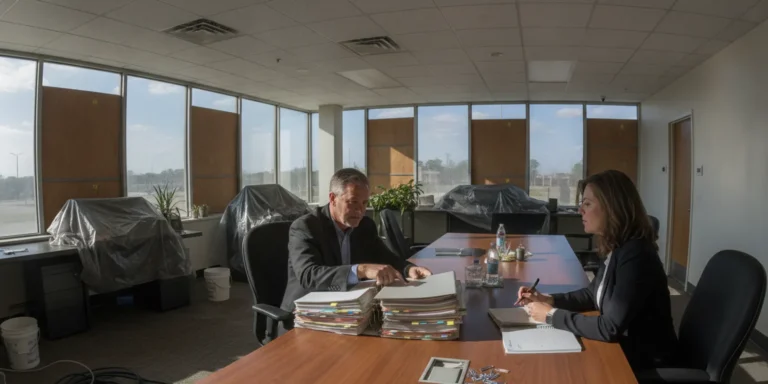
That denial letter in your hands can feel like a brick wall. After a hailstorm damages your business, the last thing you need is a fight with your insurance company. But a denial is often just the insurer’s opening move, not the end of the game. Your response in the hours and days that follow is critical. Knowing exactly what to do if insurance denies a hail damage claim for your business can turn a frustrating setback into a successful appeal. We’ll show you how to calmly analyze their reasoning, gather the evidence you need to build a strong case, and formally challenge their decision.
Key Takeaways
- Your best defense is thorough documentation: Keep detailed records of your property’s condition before a storm, log all maintenance, and document every piece of damage and communication after you file a claim.
- Challenge the denial with a strong appeal: Treat the insurer’s decision as a starting point and build your case with independent damage assessments, multiple repair estimates, and official weather reports to counter their reasoning.
- Know when to get professional help: Texas law protects you from unfair claim practices. If your insurer is unresponsive, acting in bad faith, or rejects your appeal, an experienced attorney can step in to enforce your rights.
Why Insurers Deny Business Hail Damage Claims
Receiving a denial letter after a hailstorm can feel like a slap in the face, especially when you can see the damage with your own eyes. It’s easy to assume the worst, but a denial isn’t always the final word. Often, claims are rejected for reasons that have more to do with paperwork and policy technicalities than the actual damage to your property.
Insurance companies are businesses, and they protect their bottom line by minimizing payouts. They might point to specific clauses in your policy, question the evidence you’ve provided, or argue that you missed a deadline. Understanding these common reasons for denial is the first step in fighting back. When you know what you’re up against, you can build a much stronger appeal and challenge the insurer’s decision effectively. Let’s look at the most frequent hurdles business owners in Texas face.
Policy Exclusions and Fine Print
Your commercial property insurance policy is a dense, complex contract. Buried in the fine print are often exclusions, limitations, and specific conditions that can be used to deny a claim. Insurance companies sometimes take advantage of vague wording or loopholes to reject valid hail damage claims. For example, your policy might cover damage from wind but have specific exclusions for certain types of hail damage, or it may not cover cosmetic damage to metal roofs. Another common reason for denial is when the estimated repair costs don’t exceed your policy’s deductible. An experienced property insurance lawyer can help you interpret your policy and determine if the denial is based on a fair reading of the contract.
Lack of Detailed Proof
When you file a claim, the burden of proof is on you to show the extent of the damage. Poor documentation is one of the leading causes of claim denials. Your insurance adjuster needs comprehensive evidence to approve your claim, and a few quick photos from your phone might not be enough. You need to build a detailed record that clearly links the damage to the specific hailstorm. This includes high-resolution photos and videos of all damaged areas, a log of all communications with the insurer, and professional assessments. Without solid proof, the insurance company can easily argue that the damage isn’t as severe as you claim or that it wasn’t caused by the covered event.
Missed Filing Deadlines
Insurance policies almost always include strict deadlines for reporting damage and filing a claim. If you wait too long after a hailstorm to contact your insurance company, you risk having your claim denied on the spot. Insurers can argue that the delay prevented them from properly investigating the damage or that additional damage occurred in the time you waited. It’s critical to review your policy immediately after a storm to understand your specific deadlines. Even if you think the damage is minor, report it right away. This creates a record and protects your right to file a full claim later if you discover more extensive issues.
Claims of Pre-Existing Damage
A frequent tactic used by insurers is to claim that the damage to your property was already there before the hailstorm. They might argue that your roof damage is simply the result of normal wear and tear, poor maintenance, or damage from a previous storm that was never repaired. Insurers will deny claims based on these assertions of pre-existing damage because policies are designed to cover sudden, accidental events, not gradual deterioration. This is where having thorough maintenance records, including regular inspection reports and photos of your property’s condition before the storm, becomes invaluable. This documentation can directly counter the insurer’s argument and prove the damage is new.
Your First Steps After a Claim Denial
Last updated: June 8, 2026
If your Texas business hail damage insurance claim is denied, protect your rights by taking these five steps right away:
- Read the denial letter and your policy. Identify the exact exclusion, deadline, or policy language the insurer relies on.
- Request the insurer’s explanation and claim file in writing. Ask for inspection reports, estimates, photographs, and other documents supporting the denial.
- Preserve evidence of the hail damage. Photograph the property, keep repair estimates and weather records, and save every email, letter, and call note.
- Prevent further damage without making permanent repairs too soon. Document temporary measures and keep all receipts.
- Have a Texas policyholder attorney review the denial before deadlines expire. Hoch Law Firm provides direct access to Board Certified trial lawyer Tim Hoch, represents policyholders on a contingent-fee basis, and offers a free case evaluation. For the next stage, review how to fight a denied commercial property claim.
What Should You Read First After a Business Hail Claim Is Denied?
Before you do anything else, sit down and read the entire denial letter, from start to finish. Your insurer is required to explain why it denied your claim, and this letter contains the exact reasons you need to address. Look closely at the specific policy language they cite. Pay attention to sections discussing exclusions, limitations, or any “endorsements” that might alter your standard coverage. This document is your roadmap; it tells you precisely which parts of your commercial property policy you need to challenge. Make a copy and highlight the key phrases the insurer uses to justify its decision.
How Do You Get the Insurer’s Explanation and Claim File in Writing?
Once you understand the letter, contact your insurance adjuster or agent for more details. Your goal here is not to argue but to gather information. Ask them to walk you through the denial and explain the specific policy provisions they believe apply to your situation. Stay calm and professional, focusing on the facts of your claim. If they mention an inspector’s report, ask for a copy. This conversation can provide valuable insight into their reasoning and may reveal misunderstandings or errors that you can correct in your appeal. Take notes on who you spoke to and what was said.
What Evidence Should You Preserve After a Hail Claim Denial?
From this point forward, create a detailed record of every interaction with your insurance company. Keep a dedicated notebook or a digital file to log every phone call, email, and letter. For phone calls, write down the date, time, the full name and title of the person you spoke with, and a summary of the discussion. Save all emails and send a follow-up email after a phone call to confirm what was discussed. This written record creates a clear timeline and prevents disputes over who said what. This meticulous documentation can become powerful evidence if your claim dispute continues.
How Do You Prevent More Damage Without Hurting Your Claim?
Even though your claim was denied, you still have a responsibility to prevent further damage to your property. This is often called your “duty to mitigate.” For example, if hail damaged your roof, you should have temporary repairs made, like putting up a tarp to prevent water from leaking into your building. Failing to take these reasonable steps could give the insurer another reason to deny your claim. Take clear photos and videos of the temporary measures you take and keep every receipt for materials or labor. These actions show you are acting in good faith and the costs may be recoverable as part of your property damage claims.
How to Build a Strong Case for Your Appeal
An insurance denial can feel like a final verdict, but it’s often just the start of a conversation. Your insurer has made its decision based on its own assessment, but you have the right to challenge it. The key to a successful appeal is building a powerful case supported by indisputable evidence. By methodically gathering the right documents and expert opinions, you can effectively counter the insurance company’s reasons for denial and demonstrate the true extent of your hail damage claim.
Take Detailed Photos and Videos
Your phone is one of your most powerful tools right now. Document everything with clear photos and videos before any repairs are made. Take wide shots of your building to show the overall impact, then move in for close-ups of damaged areas like the roof, siding, windows, and HVAC units. Place a ruler or coin next to dents and cracks to provide a sense of scale. A walk-around video can also be incredibly effective at showing the full scope of the damage. You can’t have too much visual evidence; it creates a clear record that is difficult for an insurer to dispute.
Get a Professional Damage Assessment
The adjuster your insurance company sent works for them, not for you. That’s why getting an independent, second opinion is a critical step. Hire a reputable public adjuster or an experienced local contractor who specializes in storm damage to conduct a thorough inspection of your property. They can provide a detailed, unbiased report that identifies all the damage caused by the hail. An experienced Fort Worth property insurance lawyer can also help you find qualified experts to ensure your assessment is comprehensive and credible, forming a strong foundation for your appeal.
Collect Multiple Repair Estimates
Once you have an independent assessment, the next step is to show what it will actually cost to fix the damage. Reach out to at least two or three trusted, local contractors for detailed repair estimates. Don’t just accept a single lump-sum number. Ask for itemized estimates that break down the costs of materials and labor for each part of the job. Crucially, make sure each estimate explicitly states that the damage was caused by the recent hailstorm. These documents provide concrete, market-based evidence of your financial loss, directly challenging the insurer’s potentially low valuation.
Find Official Weather Reports
To counter a claim that the damage was pre-existing, you need to prove a specific storm caused it. You can do this by gathering official weather reports for the date the damage occurred. Organizations like the National Weather Service provide historical weather data that can confirm the timing, size, and intensity of hail in your exact area. This meteorological evidence creates a clear and undeniable link between the storm and the damage to your property. It establishes a factual timeline that prevents the insurer from blaming old wear and tear for new storm damage.
Gather Your Maintenance Records
Insurers often try to deny claims by arguing that poor maintenance, not hail, is the real culprit. You can shut down this argument by providing proof of regular upkeep. Pull together any records you have, such as invoices from roofers for past repairs, receipts for materials, or reports from annual property inspections. This documentation shows that you have been a responsible property owner and that your building was in good condition before the storm. Proving a history of proper care strengthens your claim and addresses one of the most common reasons for denial in property insurance disputes.
How to Formally Appeal the Insurer’s Decision
When your business hail damage claim is denied, it’s not the end of the road. The next step is to file a formal appeal. This isn’t about sending an angry email; it’s a structured process where you present a clear, evidence-based argument to make the insurance company reconsider its decision. A strong appeal demonstrates that you are serious and organized, and it systematically dismantles the insurer’s reasons for denial. By carefully preparing your appeal letter and supporting documents, you can significantly increase your chances of getting the denial overturned and receiving the coverage you’re entitled to. Let’s walk through how to build a compelling case.
Write a Clear and Persuasive Appeal Letter
Think of your appeal letter as the cornerstone of your argument. It should be professional, factual, and persuasive. Start by clearly stating your policy number, claim number, and the date of the hail damage. Explain precisely why you disagree with the denial, referencing specific language in your insurance policy and the evidence you’ve collected. Avoid emotional language and stick to the facts of your case. Conclude the letter by stating exactly what you want the insurer to do, whether that’s reopening your claim, covering specific repairs, or scheduling a new inspection. Always send this letter via certified mail so you have a record that it was sent and received.
What to Include with Your Appeal
Your appeal letter is your argument, but your evidence is what makes it convincing. You need to provide thorough documentation that supports your position and counters the insurer’s reason for denial. Your goal is to make it impossible for them to stand by their initial decision.
Your evidence file should include:
- A copy of the denial letter.
- All new photos and videos of the damage you’ve collected.
- Detailed repair estimates from at least two reputable contractors.
- A report from an independent public adjuster or engineer, if you have one.
- Official weather reports confirming the date and severity of the hailstorm.
- Records showing your property was well-maintained before the storm.
Gathering this information creates a comprehensive package that shows you’ve done your homework.
Meet Your Appeal Deadlines
Insurance companies operate on strict timelines, and your window to appeal a denied claim is limited. The deadline should be stated in your denial letter or outlined in your policy documents. Missing this deadline can automatically disqualify your appeal, no matter how strong your case is. As soon as you receive a denial, find that date and mark it prominently on your calendar. Each insurance carrier has its own process, so don’t assume it’s the same as a previous experience. If you’re unsure about the timeline, contact your agent or a legal professional immediately. The Texas Department of Insurance is also a valuable resource for understanding your rights and the regulations insurers must follow.
Avoid These Common Appeal Mistakes
A simple oversight can undermine your entire appeal. The most common reason for claim denials is poor documentation, so your top priority should be providing comprehensive evidence. Another frequent mistake is providing inconsistent information. Make sure the details in your letter, your contractor estimates, and your original claim all align perfectly. Also, be sure you have taken and documented reasonable steps to prevent further damage to your property, like placing a tarp over a damaged roof. An insurer might argue that subsequent damage isn’t their responsibility if you failed to mitigate the initial problem. Finally, don’t wait. Delaying your appeal can signal to the insurer that the issue isn’t urgent and may risk missing your deadline.
When to Call for Professional Help
If you’ve followed all the steps to appeal your denied claim and the insurance company still won’t budge, it might be time to bring in reinforcements. Fighting a large insurance corporation on your own can feel like an uphill battle, especially when you’re also trying to run a business. Professionals like public adjusters and attorneys have the experience to level the playing field. They understand the tactics insurers use and know how to build a case that’s hard to ignore. Recognizing when you need this kind of support is a critical step toward getting the fair payment you deserve for your property’s hail damage.
Signs It’s Time to Hire a Lawyer
If your insurance company denies your hail damage claim, it’s wise to get legal advice early in the process. Insurers sometimes deny or underpay claims hoping you’ll simply give up. An experienced property insurance lawyer can help you challenge their decision effectively. You should seriously consider hiring an attorney if the insurer is unresponsive, accuses you of fraud, or offers a settlement that is far below your own repair estimates. A lawyer can manage all communication with the insurer, file a formal lawsuit if needed, and represent your best interests every step of the way.
How a Public Adjuster Can Help
A public adjuster is another valuable professional who can help with your claim. Unlike the adjuster sent by your insurance company (who works for them), a public adjuster works for you. Their main goal is to accurately assess your property damage and help you get the most money possible for your claim. They are experts at finding and documenting damage that an insurance company’s adjuster might overlook. Many business owners hire a public adjuster at the very beginning of the claims process to ensure their initial claim is as strong and detailed as possible, which can sometimes prevent a denial in the first place.
Understanding the Costs Involved
Many business owners hesitate to hire a lawyer because they worry about the cost. However, most property insurance attorneys, including our team at Hoch Law Firm, work on a contingent fee basis. This means you don’t pay any attorney fees unless we win your case. If we do secure a settlement or verdict for you, our fee is a percentage of the amount recovered. In Texas, you may also be able to recover additional money for lawyer fees, court costs, and penalty interest. If the insurance company knowingly acted in bad faith, you could even be awarded up to three times the amount of your actual damages.
Know Your Rights as a Texas Policyholder
When your insurance company denies your hail damage claim, it can feel like you’ve hit a dead end. But it’s important to remember that the insurer doesn’t get the final say. As a policyholder in Texas, you are protected by specific laws designed to ensure you are treated fairly. Your insurance policy is a contract, and your provider has a legal obligation to uphold their end of the deal. Understanding your rights is the first step toward successfully challenging a denial and getting the compensation you deserve for your business property.
Protections Under the Texas Insurance Code
The state of Texas has your back. The Texas Insurance Code includes a list of policyholder rights and outlines exactly what constitutes an unfair or deceptive practice. Under this code, it is illegal for an insurance company to misrepresent the facts about your policy, fail to provide a reasonable explanation for a claim denial, or refuse to pay a claim without conducting a proper investigation. They are also required to approve or deny your claim within a reasonable timeframe. These rules exist to hold insurers accountable and prevent them from taking advantage of property owners like you.
What Is Insurance Bad Faith?
When an insurance company violates the rules set out in the Texas Insurance Code, it’s known as acting in “bad faith.” This isn’t just poor customer service; it’s a serious legal issue. Insurance bad faith can look like an insurer intentionally misinterpreting your policy language, making an unreasonably low settlement offer, or delaying your payment for no good reason. Some companies deny valid claims hoping that you’ll get frustrated and give up without a fight. If your insurer is acting in bad faith, you have the right to hold them accountable and pursue legal action for the damages they’ve caused.
How Insurers Are Legally Required to Act
Your insurance provider has a legal duty to act in good faith and deal with you fairly. This means they must conduct a prompt, objective, and complete investigation of your hail damage claim. They are obligated to consider all the evidence you provide and make a fair decision based on the facts and the terms of your policy. The claims process can often feel confusing and exhausting, but that doesn’t change their responsibility. You never have to accept an unfair denial or a lowball offer. Challenging their decision is your right, and having an experienced property insurance lawyer on your side can make all the difference.
What to Do If Your Appeal Is Denied
Receiving a denial on your appeal can feel like the end of the road. It’s frustrating, but you still have powerful options to pursue the compensation you deserve for your business’s hail damage. When your insurance company refuses to reconsider, it’s time to seek outside intervention. This involves escalating the issue to state regulators or taking direct legal action to protect your rights as a policyholder.
File a Complaint with the Texas Department of Insurance
If you believe your insurer handled your claim unfairly, you can file a formal complaint with the Texas Department of Insurance (TDI). As the state’s regulatory body, the TDI will investigate to see if your insurer followed the law and the terms of your policy. While they can penalize companies for improper conduct, it’s important to know their limitations. The TDI cannot force your insurer to reverse its decision or pay your claim. Filing a complaint creates an official record of the dispute, which can be valuable, but it may not be the final step in getting your property repaired.
Take Legal Action Against Your Insurer
When an insurer wrongfully denies a valid claim, taking legal action is often the most effective path forward. Filing a lawsuit holds the insurance company accountable for breaching its contract. If your insurer has violated the Texas Insurance Code, you can sue to recover the funds needed for repairs. You may also be able to claim additional damages, including attorney fees and penalty interest. This step moves the dispute out of the insurer’s control and into a courtroom, where a Fort Worth property insurance lawyer can advocate for your rights and present your evidence to a neutral party.
Explore Your Dispute Resolution Options
Insurance companies sometimes deny claims hoping business owners will simply give up. Before you decide on your next move, it’s wise to discuss your situation with an attorney who specializes in insurance disputes. A lawyer can review your policy, the denial letter, and your evidence to give you a clear assessment of your case and explain your legal options. Getting professional guidance from an experienced trial lawyer like Tim Hoch ensures you understand the strength of your position and can confidently choose the best path forward to protect your business.
How to Prevent Future Claim Denials
While it’s crucial to know how to fight a claim denial, the best strategy is to prevent one from happening in the first place. Being proactive with your property and your policy can save you a massive headache down the road. By taking a few key steps now, you can build a stronger foundation for any future claims, making it much harder for an insurer to find reasons to deny your payout. Think of it as setting yourself up for success before a storm ever hits.
Keep Meticulous Records
Poor documentation is one of the top reasons insurers deny claims. An adjuster’s job is to verify the damage, and without clear evidence, they can easily argue the damage isn’t as severe as you claim or that it existed before the storm. Your best defense is a detailed record-keeping system. Before any damage occurs, take photos and videos of your property, inside and out. Keep a log of all maintenance and repairs, complete with receipts and contractor information. This creates a clear “before” picture, making it simple to prove what damage was caused by a specific event like a hailstorm.
Understand Your Policy Before You Need It
Don’t wait for a crisis to read your insurance policy. That dense document is a contract, and its fine print can make or break your claim. Request a copy from your insurer and review it carefully. Look for specific exclusions, like clauses that limit coverage for hail damage on roofing materials over a certain age or only pay for the “actual cash value” instead of the full replacement cost. If the language is confusing, consider having a Fort Worth property insurance lawyer review it with you. Knowing exactly what you’re covered for is the first step in ensuring you get paid fairly when you need to file a claim.
Perform Regular Property Maintenance
Insurance companies often look for ways to blame damage on neglect or pre-existing issues rather than a covered event like a hailstorm. Regular property maintenance is your counter-argument. By keeping your roof, gutters, and building exterior in good shape, you eliminate the insurer’s ability to claim the damage was due to your failure to maintain the property. Document these efforts with photos and receipts. This not only protects your investment but also strengthens your position if you ever need to file a claim. It shows you’ve been a responsible property owner, making it harder for the insurer to shift blame.
Related Articles
- Business Hail Damage Claim Denied? What to Do Next
- How to File a Commercial Hail Damage Claim: A Guide
- Why You Need a Commercial Hail Damage Attorney
- Commercial Hurricane Damage Claim Denied? Your Next Steps
Frequently Asked Questions
How can I prove my hail damage is new and not just ‘wear and tear’? This is a common tactic insurers use, but you can counter it with solid proof. The best evidence is a collection of maintenance records, such as invoices for past roof repairs or annual inspection reports, which show your property was in good condition before the storm. You can also get official weather data from the National Weather Service to confirm a major hailstorm occurred on a specific date. Combining these records with dated photos of the new damage creates a clear timeline that is very difficult for an insurer to dispute.
I’m worried about the cost. When should I actually consider hiring an attorney? It’s smart to be mindful of costs, which is why most property insurance lawyers work on a contingent fee basis, meaning you don’t pay unless they recover money for you. You should seriously consider calling an attorney if your claim is for significant damages, if the insurer is unresponsive or accusing you of fraud, or if their settlement offer is insultingly low. An initial consultation can help you understand your options without any upfront commitment.
What’s the difference between the insurance company’s adjuster and a public adjuster? Think of it in terms of who they work for. The adjuster sent by your insurance company is an employee or contractor whose job is to represent the insurer’s financial interests. A public adjuster, on the other hand, is an independent professional you hire to work exclusively for you. Their goal is to find and document all of your damage to help you get the most accurate and fair settlement possible.
My insurer is dragging its feet after I submitted my appeal. Is there anything I can do? Yes, you can. Under the Texas Insurance Code, insurance companies are legally required to handle claims and appeals in a timely manner. Unreasonable delays can be a form of insurance bad faith. If you’re getting the runaround, your first step should be to send a formal letter, via certified mail, asking for a status update and citing their legal obligation to respond promptly. If they continue to ignore you, it may be time to file a complaint with the Texas Department of Insurance or consult an attorney.
My policy is so confusing. What’s the best way to understand what it actually covers before there’s a problem? Don’t wait for a hailstorm to try and figure out your policy. The best approach is to be proactive. Sit down with your policy documents and a highlighter, specifically looking for the sections on exclusions, deductibles, and endorsements related to storm damage. If you find the language unclear, ask your insurance agent to explain it in simple terms and send you that explanation in an email. For a complex commercial policy, having an attorney review it can provide clarity and help you identify potential coverage gaps before you ever need to file a claim.