Your insurance company is a business, and its primary goal is to protect its bottom line. After a fire, this often means offering a settlement that minimizes their payout, not one that maximizes your recovery. When you receive an offer that feels insultingly low, it’s because their interests and yours are not aligned. This is a tough reality for many Texas homeowners. So, what to do when insurance underpays for fire damage? You fight back with facts and evidence. This guide will show you how to expose their lowball tactics and build an undeniable case for your claim’s true value.
Key Takeaways
- Build your case with solid evidence: Your strongest tool against an unfair offer is documentation. Gather independent contractor bids, take detailed photos of all damage, and keep a complete record of every conversation with your insurer.
- Calculate the complete cost of recovery: A fair settlement must cover more than just what burned. Factor in hidden expenses like smoke remediation, temporary living costs, and mandatory building code upgrades to understand the true value of your claim.
- Understand your rights and when to call for help: An underpaid offer is a starting point for negotiation, not a final decision. You have the right to appeal, and if your insurer delays, denies, or acts in bad faith, consulting an attorney can protect your interests.
What Is an Underpaid Fire Damage Claim?
After the trauma of a fire, the last thing you need is a fight with your insurance company. Unfortunately, it’s a fight many Texas property owners face. An underpaid fire damage claim is exactly what it sounds like: your insurer offers you a settlement that is less than what you are rightfully owed under your policy. It’s not just a lowball offer; it’s a payment that falls short of covering the full cost to repair, rebuild, and replace what you lost.
This happens for many reasons, from simple errors to more calculated tactics designed to protect the insurance company’s bottom line. Understanding what an underpaid claim looks like is the first step toward getting the fair settlement you deserve. It’s about knowing your rights and recognizing when the numbers just don’t add up.
What “Underpayment” Really Means
When your insurance company underpays your claim, it means their final offer won’t cover the true cost of your recovery. This often happens when the insurer’s adjuster overlooks critical details. They might use outdated pricing for materials and labor, failing to account for current market rates in Texas. They may also ignore hidden damage from smoke, soot, and water used to extinguish the fire, which can cause long-term structural problems and health hazards. An insurer might also apply excessive depreciation to your property, drastically reducing its value. A thorough review of your policy’s terms is necessary to determine if the payout aligns with your coverage.
Signs Your Claim Was Underpaid
It can be tough to know if you’re being treated fairly, but there are several red flags. The most obvious sign is receiving a settlement offer that is significantly lower than the estimates you’ve gathered from independent contractors. You should also be wary if the insurance adjuster rushed through their inspection or refuses to provide a detailed, line-by-line explanation for their calculations. If the insurer pressures you to accept a quick payout or you simply have a gut feeling that the offer is too low, it’s worth investigating. Trusting your instincts and understanding your rights as a policyholder are crucial, as many initial fire damage offers are far from final.
Why Insurance Companies Underpay Fire Claims
Receiving a settlement offer after a fire should bring relief, but often, it just adds another layer of stress. When the number is far lower than you expected, it’s easy to feel defeated. It’s important to know that underpayment is a common issue. Insurance companies are businesses, and their goal is to minimize payouts. This doesn’t always mean they are acting in bad faith, but their standard procedures can lead to offers that don’t come close to covering your actual losses.
Adjusters may be overworked, rely on standardized software that misses crucial details, or simply interpret your policy in the company’s favor. Understanding the common reasons why initial offers are low is the first step in building a case for the full amount you deserve. When you know what to look for, you can effectively challenge their assessment and fight for a fair outcome. A skilled property insurance lawyer can help you identify these issues and hold your insurer accountable.
Overlooking Hidden Damage
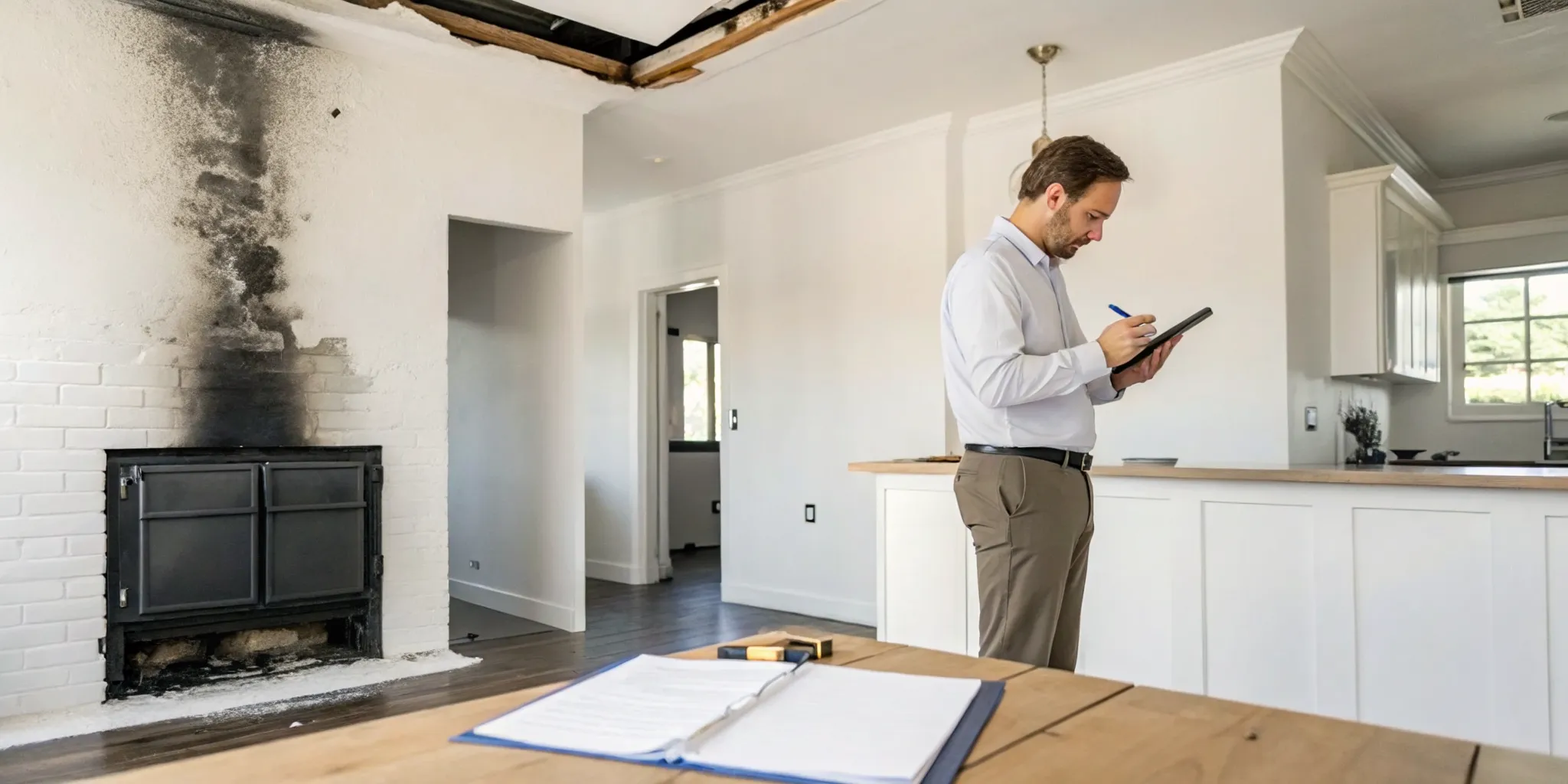
The most visible fire damage, like charred walls and burned belongings, is only part of the story. What many insurance adjusters miss during a quick inspection is the hidden damage that can be just as destructive. Smoke and soot can seep into drywall, insulation, and ventilation systems, causing persistent odors and health hazards that require professional remediation.
Furthermore, the water used to extinguish the fire can lead to its own set of problems, including structural damage, warped flooring, and dangerous mold growth behind walls. These issues aren’t always obvious right away, but they are a direct result of the fire. An incomplete inspection that overlooks these secondary damages will always result in an offer that falls short of your true recovery costs.
Applying Excessive Depreciation
Depreciation is the reduction in your property’s value due to age and wear. While it’s a standard part of the insurance claim process, some companies apply it unfairly to lower your payout. For example, an adjuster might claim your 10-year-old roof had little value left, even if it was in excellent condition before the fire. This results in a much lower “actual cash value” (ACV) payment.
This tactic can leave you with a massive financial gap when it comes time to actually replace what you lost. You are entitled to a fair assessment of depreciation based on the real-world condition of your property, not an arbitrary percentage from a manual. Challenging excessive depreciation is a key part of securing the funds you need to rebuild.
Using Outdated Pricing Data
To estimate the cost of repairs, insurance companies rely on pricing software that pulls data for local labor and material costs. The problem is that this data is often outdated. In a place like Texas, construction costs can change rapidly due to supply chain issues, inflation, or increased demand after a major storm.
If your insurer’s estimate is based on pricing from six months or a year ago, it won’t reflect what contractors are actually charging today. This can leave you thousands of dollars short on everything from lumber and drywall to hiring skilled labor. A fair settlement must be based on current, real-world market prices, not old data from a computer program.
Misinterpreting Your Policy
Insurance policies are dense, complicated contracts filled with legal jargon. It’s common for adjusters to interpret ambiguous language in a way that benefits the insurance company, not you. They might misapply a coverage limit, wrongly deny a portion of your claim based on an exclusion, or argue that a specific type of damage isn’t covered under your plan.
For instance, they could claim that damage to your personal property in an outbuilding isn’t covered, even when your policy says it is. Because policyholders are not insurance experts, they often accept the adjuster’s word. This is why having an experienced attorney review your policy and the insurer’s reasoning is so critical to protecting your rights and understanding all the practice areas of your coverage.
Your First Steps After an Underpaid Claim
Feeling frustrated and overwhelmed by a lowball offer from your insurance company is completely understandable. But don’t lose hope. Receiving an underpayment isn’t the end of the road; it’s a signal to take a more proactive role in your claim. Taking a few strategic steps right away can make a significant difference in getting the full settlement you deserve. Here’s where to start.
Document Everything
From this point forward, treat your claim like you’re building a case. Meticulous record-keeping is your best tool. Maintain a comprehensive file of every document related to the fire and your claim. This includes the initial damage report, all correspondence with your insurer, and every receipt for expenses you’ve paid out of pocket, like temporary lodging or board-up services. If you speak with an adjuster on the phone, follow up with an email summarizing the conversation to create a written record. This detailed documentation will be the foundation of your appeal and is essential for any property insurance lawyer who may assist you later.
Review Your Policy
Now is the time to get reacquainted with your insurance policy. It’s a dense document, but understanding your coverage is critical. If your claim is underpaid, you should review your policy to be sure of all the coverage details and entitlements you are owed. Look for key sections covering the dwelling, personal property, and additional living expenses (ALE). Pay close attention to the difference between Replacement Cost Value (RCV) and Actual Cash Value (ACV), as insurers often use depreciation to lower payouts. Knowing what your policy promises is the first step in proving the insurance company failed to deliver on that promise, which is a key part of our practice areas.
Demand a Written Explanation
You have the right to understand exactly how the insurance company arrived at its settlement offer. Don’t just accept a number; request a detailed, written explanation for the payment amount. This document should break down their assessment, including the scope of repairs they’ve approved, the costs they’ve assigned to labor and materials, and any depreciation they’ve applied. This isn’t an aggressive move; it’s a standard request for transparency. Having their reasoning in writing is crucial because it exposes any errors, omissions, or unfair calculations that you can challenge in your appeal. It also creates a formal record of your dispute.
Get Independent Estimates
Your insurer’s estimate is not the final word on repair costs. To effectively challenge an underpaid claim, you need a competing assessment from a neutral third party. Engage a trusted local contractor, restoration company, or public adjuster to provide a detailed, line-item estimate for restoring your property to its pre-fire condition. This independent evaluation helps you understand the full scope of the work needed and ensures all damages are accounted for. A professional bid from a reputable source provides the concrete evidence needed to demonstrate the true cost of your recovery and can significantly strengthen your position, leading to better results.
How to Calculate the True Cost of Your Fire Damage
The insurance adjuster’s first offer rarely captures the full scope of your loss. To challenge it effectively, you need a realistic calculation of what it will actually take to recover. This means looking beyond the obvious burn damage and accounting for every single cost, from hidden issues to temporary living expenses. A thorough assessment is your most powerful tool for securing a fair settlement.
Replacement Cost vs. Actual Cash Value
Your policy values property in one of two ways: Replacement Cost Value (RCV) or Actual Cash Value (ACV). RCV pays to replace items with new ones, while ACV subtracts depreciation for age and wear. Insurers often use aggressive depreciation to lower your payout. Understanding which method applies to your property insurance claim is the first step in calculating your true costs. Don’t let an unfair depreciation schedule leave you with a financial shortfall.
Account for Smoke and Water Damage
A fire’s damage isn’t limited to what burned. Smoke and soot can permeate walls and ventilation systems, requiring professional remediation. The water used to extinguish the flames often leads to structural issues, ruined belongings, and mold growth. These “hidden” damages are frequently underestimated by insurance adjusters. Be sure to document all signs of smoke and water damage to ensure your claim reflects the complete cost of making your property safe.
Include Additional Living Expenses
If the fire makes your home uninhabitable, your policy likely covers Additional Living Expenses (ALE). This benefit pays for increased costs of living elsewhere, like rent, hotel bills, and restaurant meals. These expenses add up quickly, so keep detailed records and all receipts. ALE coverage is designed to help you maintain your normal standard of living. Don’t let your insurer overlook this critical part of your fire damage claim, as it is essential for your family’s stability.
Factor in Code Upgrade Costs
When you rebuild, you must follow current building codes, which may be stricter than when your home was built. These required upgrades for electrical, plumbing, or structural safety can add thousands to your repair bill. Standard policies don’t always cover these costs; you need to check for “Ordinance or Law” coverage. If an adjuster ignores these mandatory expenses, it can result in a major underpayment. An experienced property insurance attorney can review your policy to ensure all necessary costs are included.
Evidence You Need to Challenge the Offer
When your insurance company comes back with a low offer, it can feel like a final verdict. But it’s not. Think of it as the start of a negotiation, and to win, you need to come prepared with solid proof. Your feelings and frustrations are valid, but a strong counter-argument is built on facts, figures, and documentation. Gathering the right evidence is the most powerful step you can take to show the true value of your claim and get the full settlement you deserve.
Professional Damage Assessments
The insurance adjuster’s estimate is just one opinion, not the final word. To effectively challenge it, you need a second, or even third, opinion from an independent expert. Hiring a trusted public adjuster, contractor, or restoration specialist can give you a much more accurate picture of the damage. These professionals work for you, not the insurance company. They can provide a detailed evaluation that uncovers hidden issues and accounts for the full scope of restoration needed, creating a powerful piece of evidence to support your property insurance claim.
Detailed Contractor Bids
An assessment is a great start, but a detailed bid turns that assessment into a real-world cost. Reach out to reputable local contractors and restoration companies for comprehensive bids on the repair work. Don’t just get a single number; ask for an itemized breakdown of labor and material costs. This documentation is crucial because it substantiates your claim with current market prices, making it much harder for the insurer to argue that their lower, often outdated, pricing is adequate. Multiple bids will strengthen your position even further, demonstrating a realistic and fair cost for the repairs.
Your Photos and Videos
Never underestimate the power of your own documentation. The photos and videos you take are critical for showing the true extent of the damage. Go through every room, closet, and cabinet, capturing images of everything affected by fire, smoke, or water. Get close-ups of specific damage and wide shots to show the overall context. This visual evidence is often more compelling than a written report and can highlight details the adjuster may have overlooked. Your photos create a clear and undeniable record of your loss that supports every part of your claim.
Receipts and Proof of Value
When it comes to your personal belongings, you have to prove what you lost and what it was worth. Start compiling a comprehensive inventory of all damaged items. For each item, find any receipts, credit card statements, or original packaging you might have. If you don’t have receipts, look for photos or videos from before the fire that show the items in your home. This file of documents is essential for proving the value of your personal property and ensuring you are fairly compensated for everything you need to replace.
How to Appeal an Underpaid Claim
Once you have a clear picture of what your claim is actually worth, it’s time to formally challenge the insurance company’s low offer. An appeal is your opportunity to present your case logically and professionally, backed by solid evidence. This isn’t about sending an angry email; it’s a strategic process to show the adjuster exactly where their assessment fell short and why you are entitled to more. Following a clear, step-by-step approach can make the process feel more manageable and significantly improve your chances of getting a fair outcome. Think of it as building a case for the full and fair compensation you deserve under your policy.
Write a Strong Appeal Letter
Your appeal should begin with a formal letter. This document serves as the foundation of your dispute, so it needs to be clear, concise, and professional. Start by stating the purpose of the letter: to appeal the settlement offer for your fire damage claim (include your claim number). Clearly outline why you believe the offer is insufficient, referencing specific parts of the adjuster’s report that you disagree with. For example, you might point out that their estimate for rebuilding your kitchen uses low-quality materials or completely omits the cost of smoke remediation. The goal is to present a compelling, fact-based argument for why your claim needs to be reconsidered.
Submit Your Supporting Evidence
A strong letter is persuasive, but a letter backed by evidence is powerful. Your appeal must include all the documentation you’ve gathered to prove your claim’s true value. This is where your hard work pays off. Organize your supporting documents logically and submit them with your letter. This package should include your independent contractor estimates, your detailed inventory of damaged personal property with receipts or proof of value, and all photos and videos of the damage. If you have reports from specialists, like a public adjuster or an industrial hygienist who found hidden smoke or mold damage, include those as well. This comprehensive evidence file makes it difficult for the insurer to justify their original low offer.
Follow Up on Your Appeal
After you send your appeal package, the ball is in the insurer’s court, but that doesn’t mean you should sit back and wait indefinitely. Follow up consistently and professionally to ensure your appeal is being reviewed. If the insurance company continues to delay, deny, or refuse to negotiate in good faith, it may be time to seek legal advice. An experienced property insurance lawyer can step in to handle communications, apply legal pressure, and ensure your rights as a policyholder are protected. You’ve done your part to resolve the issue, and you shouldn’t have to fight the battle alone if the insurer refuses to be fair.
Common Mistakes to Avoid in Your Fire Claim
After a fire, you’re dealing with immense stress and disruption. It’s a vulnerable time, and unfortunately, it’s also when you can make critical errors that affect your financial recovery. The insurance claim process is complex, with specific rules and deadlines that can feel overwhelming. Knowing what pitfalls to look out for can make a significant difference in the outcome of your claim. By avoiding these common mistakes, you can better protect your interests and work toward securing the fair settlement you need to rebuild.
Don’t Accept the First Offer
It can be tempting to accept the first settlement offer from your insurance company, especially when you need funds quickly. However, this initial offer is often just a starting point. Insurers may calculate a low figure based on a quick inspection that misses hidden issues like smoke, soot, or water damage that has seeped into your home’s structure. They may also apply steep depreciation to your belongings. Remember, the first offer rarely reflects the full cost of your losses. It’s always wise to treat it as the beginning of a negotiation, not the final word.
Don’t Miss Important Deadlines
The insurance claim process is governed by strict timelines. Your policy will outline specific deadlines for notifying the insurance company of the loss, submitting a proof of loss form, and filing a lawsuit if necessary. In Texas, insurers also have their own deadlines for responding to you. Missing one of these key dates can give your insurer grounds to delay or even deny your claim. As soon as you file your claim, create a calendar with all relevant dates. Carefully read every piece of correspondence from your insurer and be proactive about meeting every deadline to keep your claim on track.
Don’t Ignore Unfair Depreciation
Depreciation is the reduction in your property’s value due to age and wear. While it’s a standard part of property claims, some insurers apply it unfairly to reduce your payout. They might use outdated pricing databases to value your items or apply a blanket depreciation percentage without inspecting each item individually. This can result in a settlement that falls far short of what you need to replace your belongings. Always ask your adjuster to explain how they calculated depreciation. If the numbers seem off, you have the right to challenge their assessment and provide your own evidence of value.
Know Your Coverage Limits
Your insurance policy isn’t a blank check. It has specific coverage limits for different types of losses, including the structure of your home, your personal belongings, and additional living expenses. Before you agree to any settlement, you need to understand these limits completely. For example, you might have a total limit for the dwelling but separate, lower limits for detached structures or certain high-value items like jewelry. Reviewing your policy with a Fort Worth property insurance lawyer can help you understand exactly what you are entitled to and ensure the insurance company isn’t misinterpreting your coverage to underpay your claim.
When to Call a Property Insurance Attorney
While you can manage some parts of your insurance claim on your own, there are moments when the complexity and stakes call for professional help. Trying to fight a massive insurance company alone can feel like an uphill battle. They have teams of adjusters and lawyers working to protect their bottom line. A property insurance attorney works for you, leveling the playing field and ensuring your rights are protected throughout the process. If you find yourself in any of the following situations, it’s a strong signal that it’s time to make the call. Don’t wait until the situation becomes unmanageable; getting legal advice early can save you time, stress, and money in the long run. An experienced lawyer can assess your situation, explain your options, and build a strategy to pursue the full compensation you deserve.
Your Policy Is Confusing or Ambiguous
Insurance policies are dense legal documents, not casual reading material. They are often filled with jargon, complex clauses, and specific exclusions that can be difficult for anyone without a legal background to understand. If you’re reading your policy and can’t figure out what’s covered, why certain items were excluded, or how the insurance company arrived at its settlement amount, you’re not alone. An attorney can cut through the confusion. They are trained to interpret this language and can determine if the insurer is misrepresenting the terms of your policy or unfairly applying a vague clause to underpay your claim. Getting a professional review of your policy is a critical step toward getting a fair outcome.
The Insurer Is Acting in Bad Faith
In Texas, insurance companies have a legal duty to treat you fairly and honestly. When they don’t, it’s known as “acting in bad faith.” This isn’t just poor customer service; it’s a serious issue. Signs of bad faith include unreasonably delaying your claim without explanation, refusing to communicate with you, failing to conduct a proper investigation, or using threatening tactics to pressure you into accepting a low offer. If your gut tells you that the insurance company is deliberately giving you the runaround or not being truthful, it’s time to consult an attorney. You can learn more about your rights on our Justice Blog, but suspecting bad faith is a clear sign you need an advocate on your side.
The Stakes Are High
When a fire causes catastrophic damage, the financial stakes are incredibly high. This is especially true if your home was destroyed, your business is unable to operate, or you lost irreplaceable valuables. The gap between the insurer’s lowball offer and what you actually need to rebuild your life can be massive. In these situations, the risk of accepting an underpaid claim is too great. An attorney can help you document the full extent of your losses and fight for a settlement that truly covers your recovery costs. Seeing a firm’s past results can give you confidence that your high-stakes case is in capable hands.
Your Claim Is Delayed or Denied
An outright denial or an endless delay is one of the clearest signs you need legal help. Insurance companies are required to make a decision on your claim within a reasonable timeframe. If weeks or months have passed with no clear answer, or if you received a denial letter with a weak or nonsensical explanation, don’t just accept it. An attorney can step in to demand answers and hold the insurer accountable. A skilled trial lawyer like Tim Hoch knows how to apply legal pressure, challenge an improper denial, and prepare your case for court if the insurance company refuses to pay what it owes.
Know Your Rights as a Texas Policyholder
When you’re facing off against a big insurance company, it can feel like they hold all the cards. But as a policyholder in Texas, you have significant legal rights designed to protect you from unfair treatment. Understanding these rights is the first step toward getting the full and fair settlement you deserve for your fire damage claim. The law provides a framework to ensure insurers handle your claim properly, and knowing what you’re entitled to can make all the difference in your recovery process.
Protections Under the Texas Insurance Code
The Texas Insurance Code is your ally. This set of laws requires insurance companies to handle claims fairly and promptly. It’s not just a suggestion; it’s their legal obligation. If your insurer has underpaid your claim and isn’t responding to your efforts to fix the issue, the law is on your side. When you can prove your claim was underpaid, you are entitled to recover the additional money you’re owed. Consulting with an experienced property insurance lawyer can help you understand how these protections apply directly to your situation and what steps to take next.
Your Right to Prompt Payment
Waiting for your insurance settlement can be incredibly stressful, especially when you need the funds to start rebuilding. In Texas, you have the right to expect your valid claims to be paid fully and without unnecessary delays. The law demands that insurers operate in good faith, which includes processing your claim efficiently. If you feel your claim is being dragged out or you’ve received an unfairly low offer, it’s a sign that you may need to take action. Don’t let an insurer’s slow pace prevent you from moving forward; you have the right to hold them accountable for their timelines.
Your Options for Bad Faith Claims
Sometimes, an underpaid claim is more than just a disagreement over costs; it can be a sign of bad faith. This happens when an insurance company unreasonably denies a valid claim, fails to conduct a proper investigation, or deliberately misinterprets your policy to avoid paying. If you suspect your insurer is acting in bad faith, it’s time to get professional help. An attorney can analyze your policy and the insurer’s actions to determine if you have a case. Pursuing a bad faith claim can help you recover the money you’re owed and hold the insurance company accountable for its unfair practices.
Related Articles
- Fire Damage Claims Attorney in Dallas | Hoch Law Firm, PC
- When to Hire a Fort Worth Underpaid Commercial Claim Attorney
- When to Hire an Attorney for a Fire Damage Claim
- Fort Worth Commercial Fire Damage Attorney: Maximize Your Claim
- Why Hire a Law Firm for a Business Interruption Claim
Frequently Asked Questions
What’s the difference between a low offer and an actual underpaid claim? A low offer is simply the insurance company’s starting point in a negotiation. An underpaid claim, however, is an offer that is factually insufficient to cover the full cost of restoring your property according to your policy’s terms. It’s the gap between their number and the real-world price of materials, labor, and hidden repairs like smoke remediation. If their offer won’t make you whole, it’s an underpayment.
Is it normal for the first settlement offer to be low? Yes, it is very common for the initial offer to be lower than you expect. Insurance adjusters often rely on standardized pricing software and may conduct a quick inspection that misses less obvious damage. You should treat this first number as the beginning of a conversation, not the final word. It’s your signal to gather your own evidence and prepare to show them what a fair settlement actually looks like.
What is the most critical piece of evidence I can have to fight an underpaid claim? While photos are essential, the most powerful tool you can have is a detailed, itemized bid from a reputable, independent contractor. This document moves the argument away from opinions and grounds it in reality. It shows the current, local market costs for labor and materials, providing concrete proof that the insurer’s estimate is inadequate and giving you a solid foundation for your appeal.
My adjuster seems friendly. How can I challenge their offer without making things hostile? You can be firm while remaining professional. The key is to base your appeal on facts, not feelings. Present your independent estimates and documentation as a way to provide a more complete picture of the damages. A clear, direct letter explaining that their offer doesn’t cover the documented costs, accompanied by your evidence, is a standard business practice. It keeps the focus on resolving the financial discrepancy.
I’m overwhelmed. At what point should I stop trying to handle this myself and call an attorney? You should consider calling an attorney the moment the process feels unmanageable or unfair. If the insurance company is using delay tactics, refusing to provide a clear explanation for their numbers, or simply won’t negotiate in good faith, it’s time for professional help. An attorney can take that pressure off your shoulders and ensure the insurer takes your claim seriously.