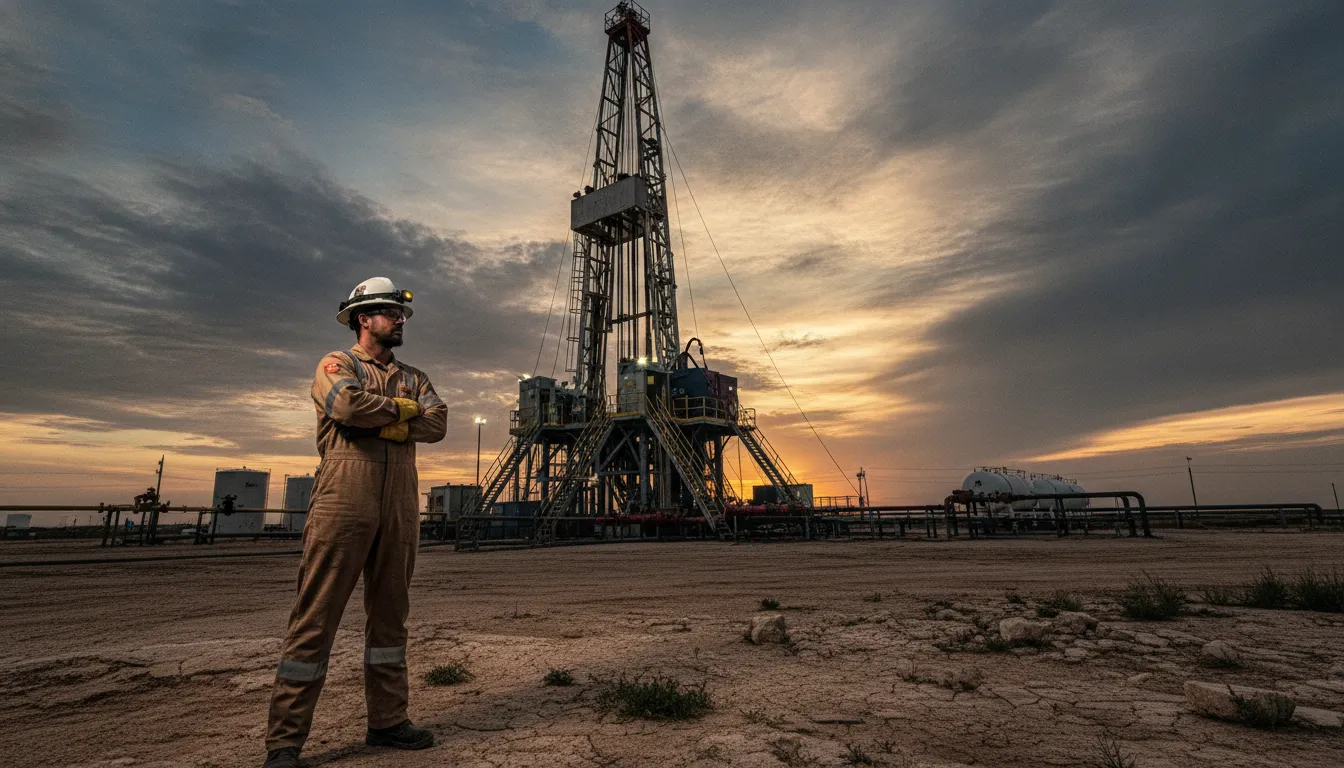
An oil rig injury can change your ability to work, support your family, and plan for the future in seconds. Texas workers may face crushing injuries, burns, falls, chemical exposure, or equipment failures on onshore sites and offshore operations. The legal path is not always limited to an employer claim. Contractors, rig operators, maintenance companies, and equipment manufacturers may also bear responsibility.
An oil rig accident lawyer Texas workers can rely on will investigate the entire worksite. Identify every potentially liable party, and pursue the recovery available under Texas law or applicable offshore statutes. That may include medical expenses, lost wages, pain and suffering, and damages for a fatal injury. The CDC reported 2,101 severe injuries among oil and gas extraction workers across 32 jurisdictions from January 2015 through July 2022: CDC data.
Understanding how often these incidents occur, and which hazards drive them, helps clarify why prompt evidence preservation matters. The scope of the risk begins with the industry’s injury record in Texas.
Call Hoch Law Firm now to review the parties who may be liable for your oil rig injury.
How Common Are Oil Rig Accidents in Texas?
Texas has a high concentration of oil and gas extraction jobs, and the industry has high rates of fatal and nonfatal occupational injuries. That combination makes oil and gas work one of the state’s most dangerous employment environments. For workers and families asking how common these incidents are, the available data shows a persistent pattern of severe harm, not isolated accidents.
Between January 2015 and July 2022, 32 jurisdictions reported 2,101 severe injuries among oil and gas extraction workers. The Centers for Disease Control and Prevention defines these severe injuries as those involving an amputation, loss of an eye, or inpatient hospitalization. The figure does not represent every injury. It captures only the most serious reported outcomes, which means the broader number of workplace injuries is higher. CDC data on severe oil and gas injuries provides the underlying reporting and methodology.
Why Texas workers face elevated risks
Oil and gas extraction combines heavy equipment, high-pressure operations, flammable materials, and demanding physical work. The CDC’s National Institute for Occupational Safety and Health identifies physical, chemical, and ergonomic hazards across the industry. A worker may face risks from moving machinery, intense lifting and repetitive motion, chemical exposure, or a sudden release of pressure. These hazards can overlap during drilling, well servicing, transportation, maintenance, and other site operations.
The employment structure also matters. Oil rigs commonly involve operators, drilling contractors, service companies, maintenance crews, and other subcontractors working in the same environment. A worker can be injured while performing a task for one company because another company’s equipment, instructions, maintenance, or safety practices created the danger. That is one reason an injury should not automatically be treated as only an employer or workers’ compensation matter.
Severe injuries are not limited to explosions
Public attention often focuses on fires, blowouts, and explosions, but serious incidents can occur without a dramatic blast. Heavy machinery can cause crushing injuries. Falls from elevated work areas remain a leading cause of severe, nonfatal injuries across oil and gas extraction subindustries. Chemical exposure can cause serious burns, while equipment failures and high-pressure systems can produce catastrophic trauma in seconds.
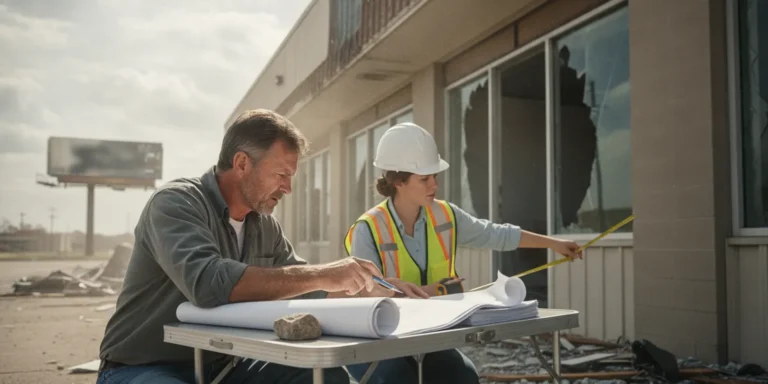
Anyone injured in a construction site or workplace accident should preserve records about the worksite, equipment, crew members, supervisors, and medical treatment. Photos, incident reports, safety communications, and witness information may help establish what happened before conditions change. For more on the hazards and legal issues surrounding oil rig accidents and explosions, review the firm’s related resource.
These statistics cannot determine who is legally responsible in a particular case. They do show why a serious Texas oil rig injury warrants a prompt investigation into the equipment, contractors, safety procedures, and companies involved.
Common Types and Causes of Oil Rig Injuries
Oil rig injuries often happen when heavy equipment, high pressure, hazardous chemicals, and elevated work areas overlap. The resulting harm can be immediate, such as a crushed hand or severe burn, or can develop into permanent disability after a fall or chemical exposure. CDC data shows that 42.6% of reported severe injuries in the oil and gas extraction industry involved the upper extremities, including the hands, arms, and shoulders. These injuries can affect a worker’s ability to earn a living long after the accident scene has been cleared.
Crushing injuries and amputations
Drilling and well-servicing operations place workers near rotating machinery, suspended loads, pipes, winches, and other powerful equipment. A hand, arm, or leg can be caught between moving or shifting components in seconds. The CDC reported that well service contract workers had the highest number of amputations among the severe injuries studied, with 417 amputations. The same group accounted for 1,194 hospitalizations, or 57% of all severe injuries reported in that category. These figures underscore the danger faced by workers who perform specialized service work around active equipment.
Falls from rigs, platforms, and elevated work areas
Falls can occur from ladders, platforms, derricks, scaffolds, roofs, or other elevated surfaces. Wet conditions, inadequate fall protection, poor housekeeping, defective access equipment, and rushed work can all contribute. A fall may cause traumatic brain injury, spinal damage, broken bones, internal injuries, or death. According to the CDC, falls remain a leading cause of severe, nonfatal work-related injuries across oil and gas extraction subindustries. The height and hard surfaces involved can make even a short fall life-changing.
Burns, chemical exposure, and fires
Oil and gas workers may encounter flammable materials, hot surfaces, pressurized fluids, and chemicals used during drilling or well servicing. A release can cause a flash fire, explosion, thermal burn, or chemical burn. Chemical exposure can damage the skin, eyes, lungs, and other organs, sometimes requiring repeated treatment and reconstructive care. The CDC identifies hazardous chemical exposure as a serious safety risk that can lead to severe chemical burns. Some injuries may also appear or worsen after the initial incident, making prompt medical evaluation important.
Equipment failures and high-pressure events
Not every accident is caused by a worker’s movement or decision. Equipment failures can include high-pressure pipe bursts, blowout preventer failures, crane or hoisting accidents, and fires. A malfunction may release energy without warning, send heavy materials into a work area, or expose multiple workers to fire and toxic substances. Inadequate inspection, maintenance, repair, training, or supervision may be relevant when determining how the failure occurred.
For an injured worker, identifying the physical mechanism of the accident is only the beginning. Preserving maintenance records, inspection reports, safety communications, incident footage. And witness accounts can help show whether a defective machine, unsafe worksite, contractor, or other party contributed to the injury.
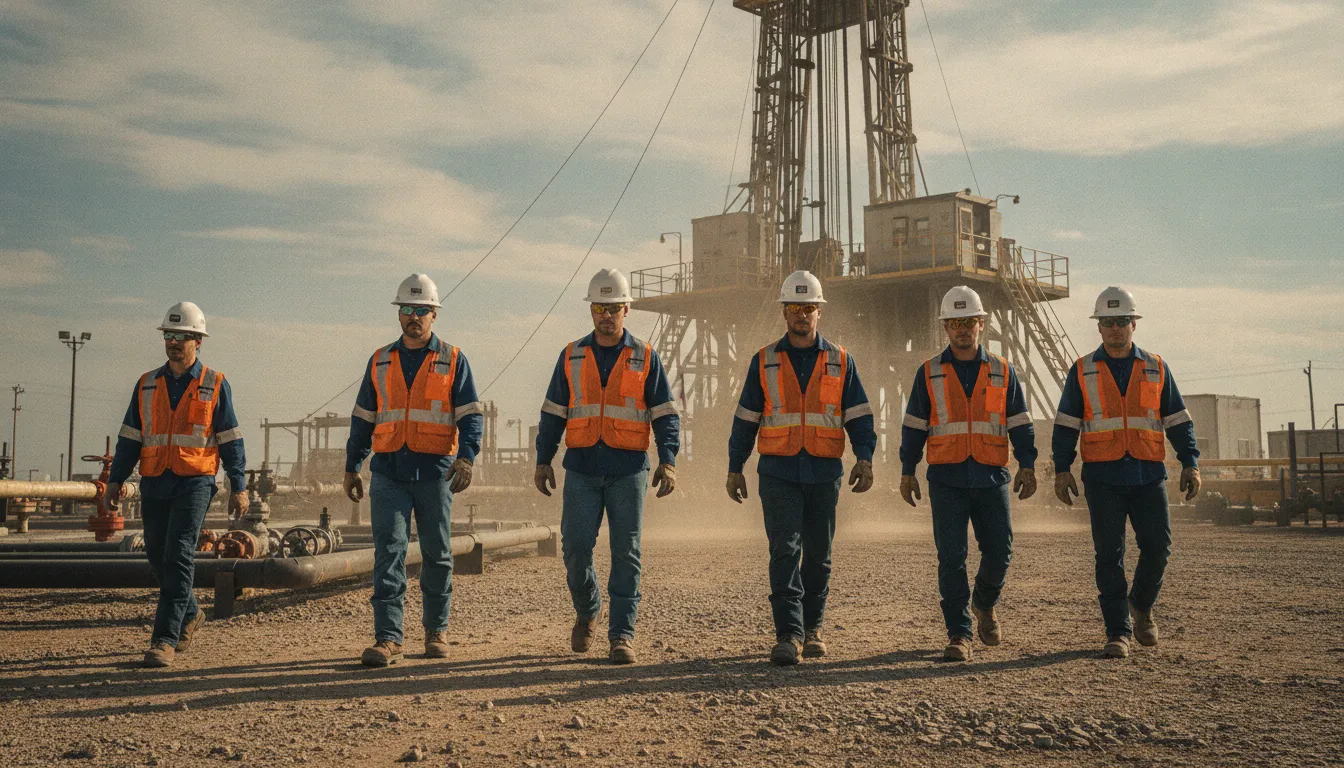
CDC data on severe oil and gas extraction injuries provides additional detail about these hazards and reported outcomes.
Who Can Be Held Liable: Third-Party Liability in Oil Rig Cases
An oil rig accident rarely involves only one company or one decision. A rig owner may hire an operator, the operator may bring in a drilling or well-service contractor, and separate companies may supply, inspect, repair, or maintain the equipment. Those relationships matter because the company that employs an injured worker is not always the only entity whose conduct contributed to the accident.
Oil and gas work combines heavy machinery, combustible materials, and high-pressure drilling and service activities. A failure involving a blowout preventer, high-pressure pipe, crane, hoisting system, or other equipment can raise questions about training, supervision, maintenance, inspection, or product design. The CDC reports that severe injuries in this industry often arise from high-hazard drilling and well-servicing activities.
Potentially liable companies and individuals
Depending on the facts, a claim may involve several parties, including:
- The rig owner or operating company that controlled the worksite or set operating procedures.
- A drilling, well-service, or other contractor that directed the work or supplied personnel.
- A subcontractor whose crew performed a specialized task.
- An equipment manufacturer or distributor if a defective product contributed to the injury.
- A maintenance or inspection company that failed to identify or correct a dangerous condition.
This list is not automatic. Liability depends on the evidence and the role each party played. A company may deny responsibility by pointing to another contractor, while multiple companies may have had overlapping responsibilities. That is why investigating the agreements, safety policies, work orders, inspection records, training records, and communications among the companies is essential. The relationships among owners, contractors, and subcontractors can determine which claims are available and which evidence must be preserved.
Workers’ compensation does not always end the analysis
Many oil field workers may have access to workers’ compensation through their employer. That avenue can provide important benefits, but it may not account for every loss, and it does not necessarily replace a claim against a negligent third party. When a company other than the employer contributed to the accident, an injured worker may have an additional path to pursue compensation.
A third-party negligence claim may seek damages such as medical expenses, lost wages, and pain and suffering when the evidence supports those losses. The available recovery depends on the facts, the applicable law, the worker’s employment status, and the conduct of each defendant. An investigation should also consider whether the injury resulted from an unsafe worksite, inadequate maintenance, negligent supervision, or defective equipment.
For a closer look at the hazards and legal issues surrounding oil rig accidents and explosions, review the incident details and records as soon as possible. Preserving photographs, medical records, equipment information, witness accounts, and company documents can help clarify who controlled the work and what each party knew.
Why identifying every responsible party matters
Finding one possible defendant is not the same as completing a liability investigation. A company may have limited insurance coverage or argue that another entity caused the injury. Identifying all potentially responsible parties helps prevent an incomplete claim and allows the evidence to be evaluated against the full chain of worksite relationships.
If an oil rig accident caused a serious injury or death, prompt legal review can help protect the worker’s or family’s options. Texas law imposes filing deadlines, and important evidence can disappear when equipment is repaired, contracts change, or witnesses move on. A thorough investigation is the starting point for determining whether workers’ compensation, a third-party negligence claim, or both may apply.
Offshore Workers, the Jones Act, and Your Legal Options
The law governing an oil rig injury depends in part on where you worked and what role you performed. An offshore seaman may have rights under the Jones Act that differ significantly from the remedies available to a worker on a fixed platform. An onshore oilfield worker may pursue workers’ compensation benefits and, when another company caused the accident, a separate third-party liability claim.
Those distinctions matter because the wrong claim path can affect who is responsible, what must be proven, and which forms of recovery may be available. Before accepting an employer’s description of your status, preserve your accident records and obtain advice about the laws that apply to your worksite.
| Worker status | Claim path |
|---|---|
| Seamen | Potential claim under the Jones Act, including a negligence claim against the employer. |
| Fixed-platform workers | Potential coverage under the Longshore and Harbor Workers’ Compensation Act and the Outer Continental Shelf Lands Act, depending on the work and location. |
| Onshore oilfield workers | Texas workers’ compensation benefits, plus a possible third-party liability claim when another company or entity caused the injury. |
Offshore seamen and Jones Act claims
The Jones Act, identified in the supplied research as 46 U.S.C. app. 688, protects qualifying seamen injured while working offshore. It allows an injured seaman to sue the employer for negligence. Whether a worker qualifies as a seaman is a fact-specific legal question. The job title alone may not determine the answer. The worker’s duties, connection to a vessel, and the nature of the work can affect the analysis.
Offshore accidents may involve high-pressure operations, equipment failures, unsafe procedures, or inadequate training. A careful investigation should examine the vessel, employer, operator, contractors, maintenance records, and safety communications. Those details can help determine whether the Jones Act or another federal remedy applies.
Fixed platforms and federal compensation laws
A worker injured on a fixed offshore platform may fall under the LHWCA or OCSLA rather than the Jones Act. The available benefits are limited and may provide coverage for medical bills and living expenses, according to the cited competitor research. Coverage depends on the worker’s status, the location, and the work performed. A platform worker should not assume that the same rules apply to a vessel crew member.
Onshore workers and third-party liability
Onshore oilfield workers in Texas may be covered by workers’ compensation. If a party other than the employer caused the accident, a third-party liability claim may provide an additional avenue for recovery. Potentially responsible parties can include a rig operator, drilling contractor, equipment manufacturer, maintenance company, or subcontractor. Determining how those companies interacted is often essential to evaluating the case.
Workers’ compensation and a third-party claim are not interchangeable. The applicable rules, evidence, deadlines, and damages can differ. A Texas oil rig accidents and explosions investigation should identify every potentially responsible party before a worker signs a release or accepts a settlement. A lawyer can also assess whether negligence contributed to medical expenses, lost wages, pain, and other losses.
What an Oil Rig Accident Lawyer in Texas Can Do for You
An oil rig injury claim is rarely limited to a single employer or a single explanation for what happened. A lawyer must examine the rig’s operating structure, the work being performed, the equipment involved, and the conduct of every company connected to the accident. That investigation can determine whether you have a claim against a contractor, equipment manufacturer, maintenance company, or another responsible third party in addition to any workers’ compensation benefits.
Investigate the accident and identify every responsible party
Oil rig cases often involve overlapping relationships among owners, operators, drilling contractors, subcontractors, and equipment providers. Those relationships matter because the company that issued your paycheck may not be the only entity whose negligence contributed to your injury. A thorough investigation can preserve relevant records, identify witnesses, examine maintenance and inspection histories, and determine whether unsafe procedures or defective equipment played a role.
Texas law may allow an injured worker to pursue damages such as medical expenses. Lost wages, and pain and suffering when a negligent third party caused or contributed to the accident. Depending on the circumstances, workers’ compensation and a third-party liability claim may provide separate avenues for recovery. The correct legal strategy depends on your employment status, the location of the accident, and the facts established by the investigation.
Apply the law to serious injuries and wrongful death
Oil and gas operations involve high-pressure activities, heavy equipment, and physical and chemical hazards. An attorney familiar with Texas oil and gas regulations can evaluate whether safety requirements, training obligations, equipment maintenance, or operational decisions were ignored. That legal and technical analysis is especially important when the insurer disputes fault or argues that your injuries are less serious than they are.
Insurance companies often attempt to deny or minimize claims after an oil rig accident. Strong legal advocacy can help protect the value of a claim by documenting the injury. Pursuing the available evidence, and addressing the full impact on your work, health, and family. If a worker dies because of another party’s negligence, family members may also have grounds to pursue a wrongful death claim in Texas. These cases require careful attention to both liability and the losses suffered by surviving family members.
Build a case focused on your long-term recovery
Tim Hoch is Board Certified in Personal Injury Trial Law by the Texas Board of Legal Specialization. That credential reflects a specialized focus on personal injury trial practice. Hoch Law Firm represents plaintiffs only, not insurance companies, and provides selective, individualized representation rather than a volume-based service model.
Hoch Law Firm is based in Fort Worth and serves clients throughout Texas. The firm handles qualifying cases on a contingent-fee basis, so you pay nothing unless we win. A lawyer can also help you understand the practical consequences of accepting an early settlement, including whether it accounts for future treatment, lost earning capacity, and permanent limitations.
Because Texas imposes statutes of limitations on personal injury claims, it is important to act promptly after an oil rig accident. Delaying can make evidence harder to preserve and may jeopardize your ability to file a claim within the applicable deadline. Learn more about hiring legal representation after an oil rig accident, and contact counsel before giving a recorded statement or signing a release.
Call Hoch Law Firm today for a free consultation about your oil rig accident claim.
Frequently Asked Questions
What should I do after an oil rig accident?
Seek medical attention promptly, report the incident as required, and preserve photographs, work records, witness names, and safety communications. Avoid giving a recorded statement or signing a settlement before you understand whether a contractor, equipment manufacturer, or another third party may share responsibility.
Can I pursue compensation beyond workers’ compensation?
Possibly. Workers’ compensation may apply to your employment injury, while a separate third-party claim may be available when negligence by an owner. Contractor, maintenance company, or equipment manufacturer contributed to the accident. A third-party claim may include medical expenses, lost wages, and pain and suffering under Texas law. See the different parties that may be involved in oil rig accidents and explosions.
What is the Jones Act, and does it cover every offshore worker?
No. The Jones Act generally concerns seamen injured while working aboard vessels, but worker status and the nature of the work matter. Employees on fixed platforms or other offshore worksites may fall under different federal laws. Including the Longshore and Harbor Workers’ Compensation Act or the Outer Continental Shelf Lands Act. The correct framework depends on your duties, worksite, and employer relationships.
How soon should I speak with an oil rig accident lawyer in Texas?
As soon as practical. Evidence can disappear, witnesses may become difficult to locate, and Texas deadlines can restrict when an injury or wrongful-death claim may be filed. Early legal review can help identify all potentially responsible parties and protect your options while medical treatment continues.
Ready to Discuss Your Oil Rig Injury?
An early conversation can help clarify the circumstances of your injury, identify potential responsible parties, and outline possible recovery options under Texas law. You do not have to sort through those questions alone.
Call Hoch Law Firm for a free consultation about your oil rig or energy-industry injury case.