A severe burn can change a person’s health, work, finances, and daily life in seconds. The cause may be a fire, explosion, chemical exposure, electrical hazard, workplace incident, or defective product. The legal claim depends on more than the severity of the injury. It also requires evidence showing who caused the danger and how the injury resulted.
A severe burn accident attorney Texas victims trust can investigate the accident, identify potentially responsible parties, and pursue compensation for medical care, lost income, pain, and long-term effects. Major burns include third-degree burns, larger second-degree burns, and burns affecting areas such as the face, hands, feet, groin, or major joints, according to the National Library of Medicine.
Understanding how doctors classify burn depth is an important first step. It helps explain why an injury that appears limited on the surface may still require extensive treatment, rehabilitation, and legal attention.
Call Hoch Law Firm for a free consultation about a severe burn injury claim at 817-731-9703.
What Counts as a Severe Burn Injury in Texas
A burn’s seriousness depends on more than how painful it feels or how it looks at first. Medical professionals evaluate the depth of tissue damage, the size of the injured area, and the body parts involved. These details can affect hospitalization, surgery, rehabilitation, scarring, and the long-term effects on a person’s ability to work and live independently.
Burn depth is commonly described in degrees. A first-degree burn affects only the outer layer of skin. A second-degree burn reaches the dermis beneath that outer layer and may cause swelling, redness, blistering, and intense pain. According to the Mayo Clinic, deeper second-degree burns can also result in significant scarring.
A third-degree burn is a full-thickness injury. It destroys all layers of skin and may extend into the fat or muscle below. The affected area may appear white, brown, black, or leathery. Nerve endings can also be destroyed, which means a third-degree burn may cause little or no pain even when the underlying damage is severe. Lack of pain should never be treated as evidence that an injury is minor.
MedlinePlus identifies several circumstances that may make a burn a major burn requiring urgent medical attention:
- Any third-degree or full-thickness burn.
- A second-degree burn larger than approximately 2 to 3 inches across.
- A second-degree burn affecting the face, hands, feet, groin, buttocks, or a major joint.
Location matters because burns in these areas can interfere with movement, sensation, appearance, or essential bodily functions. Burns that encircle an arm or leg, or involve the neck, may also create additional medical concerns.
Doctors may assess catastrophic severity using total body surface area, or TBSA, which estimates how much of the body has been burned. A smaller burn in a critical location can be more disabling than a larger superficial burn elsewhere. The medical records should therefore document both the depth and distribution of the injury, along with complications such as infection, grafting, contractures, and permanent scarring.
For legal purposes, the classification does not by itself establish who is responsible. It does help show the seriousness of the harm and the treatment likely to be required. Photographs, emergency records, specialist evaluations, and a clear account of how the accident happened can help preserve that evidence while the injury is being treated.
What Causes Severe Burn Accidents in Texas?
Severe burns can result from more than an open flame. Medical sources identify heat, electric current, radiation, and chemical agents as common mechanisms of burn injury. These exposures can destroy tissue, require hospitalization, and create lasting medical needs. The circumstances surrounding the exposure also matter because they may show that a person, business, employer, or manufacturer failed to take reasonable safety measures.
Fire and explosions are frequent sources of catastrophic thermal burns. A flash fire, fuel ignition, gas explosion, or industrial blast can injure people who are working nearby or simply present on the property. Workers in oil and gas operations may face especially dangerous conditions. A person injured in an oil-field explosion may need to investigate equipment, warnings, training, maintenance, and site procedures. Learn more about oil rig burn injuries and the safety issues that can arise in those cases.
Workplace burns can also occur on construction sites, manufacturing floors, warehouses, and commercial properties. Electrical hazards, energized equipment, welding operations, hot materials, and inadequate protective equipment can expose workers to serious injury. Construction companies and other responsible parties may have obligations involving site inspections, hazard communication, training, supervision, and emergency planning. These issues can be central when evaluating construction site burn injuries.
Chemical exposure is another major cause. Corrosive substances can burn the skin and eyes, while toxic fumes may injure the lungs even when visible skin damage seems limited. A defective product may also start a fire, release dangerous chemicals, or fail to provide adequate warnings. In those cases, the investigation may focus on the product’s design, manufacturing, instructions, warnings, and foreseeable uses.
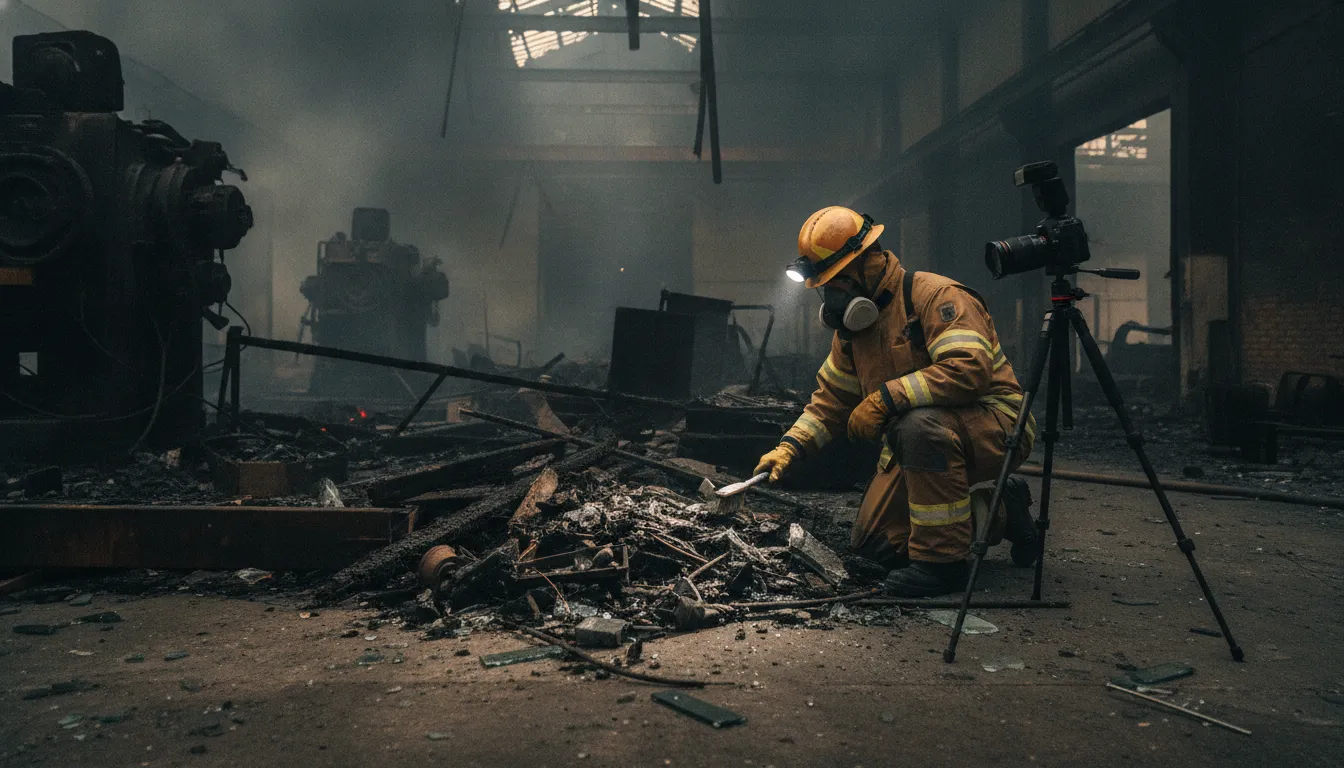
Property conditions can contribute to severe burns as well. A landlord, business, or property manager may face questions about unsafe wiring, blocked exits, missing fire protections, leaking fuel, or dangerous storage practices. Liability depends on the specific facts, including who controlled the condition and whether the danger was known or reasonably discoverable.
Emergency care is particularly important for burns involving the hands, feet, face, neck, groin, buttocks, or a major joint. Children younger than five and adults older than 55 also face a higher risk of complications from severe burns. Preserve medical records, photographs, clothing, incident reports, and witness information while the cause is investigated. Those details can help connect the injury to the unsafe condition or conduct that caused it.
How a Severe Burn Accident Attorney in Texas Proves Liability
A severe burn accident attorney in Texas builds a liability case by connecting the unsafe condition or defective product to the injury. Then showing who had a legal duty to prevent the incident. Potentially responsible parties may include negligent property owners, employers, or manufacturers of defective products.
Texas personal injury claims generally require proof by a preponderance of the evidence. In practical terms, the evidence must show that the responsible party was more likely than not at fault. A legal team evaluates what happened, who controlled the location or product, what safety measures were required, and whether the failure caused the burn injury and resulting losses.
Establishing negligence and premises liability
Negligence may involve failing to correct a dangerous condition, failing to provide appropriate warnings, or failing to train and supervise workers. For example, a property owner may face a premises liability claim if an unsafe electrical condition. Flammable material, or other hazard caused a visitor’s burn and the owner knew or should have known about it. An employer may be responsible when inadequate safety procedures, defective protective equipment, or unsafe working conditions contribute to the accident.
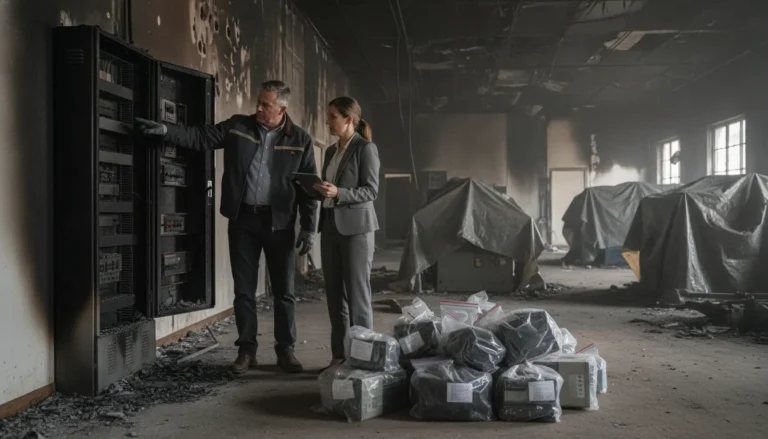
The investigation focuses on notice and control. Was the hazard documented before the incident? Did managers receive prior complaints? Were inspections performed, and were corrective actions completed? Incident reports, safety logs, training records, maintenance records, and photographs can help establish what the responsible party knew and when it knew it.
Evaluating strict product liability
A manufacturer or seller may be liable when a defective product causes a severe burn. The defect may involve the product’s design, manufacturing process, or warnings and instructions. Product recall records, testing materials, purchase records. And the product itself can help determine whether a defect existed and whether a safer warning or design could have prevented the injury. Preserving the product is important because repairs, disposal, or ordinary use can alter evidence.
Witness testimony can clarify the sequence of events, the condition of the area, the product’s behavior, and the response after the accident. Experts may also analyze fire patterns, electrical systems, industrial safety, product design, medical treatment, and future care needs. Their opinions can connect the technical cause of the accident to the injuries without asking a jury to speculate.
Hoch Law Firm’s burn injury lawyer in Texas can assess these liability theories and preserve evidence before it disappears. Learn more about Board Certified trial attorney Tim Hoch and the firm’s direct-attorney approach to serious injury cases.
Damages Available in a Texas Severe Burn Injury Claim
Severe burn injuries can create expenses and losses that continue long after emergency treatment ends. Compensation may include medical bills, lost wages, and pain and suffering. But the full value of a claim depends on how the injury affects the victim’s health, work, independence, and relationships over time.
Burn care often involves more than an initial hospital stay. A survivor may need surgeries, skin grafts, wound care, physical therapy, occupational therapy, prescription medication, and treatment for infection or complications. Rehabilitation can also address limited movement, nerve damage, and the ability to return to ordinary activities. Those future costs should be evaluated rather than treating the first set of medical bills as the complete measure of loss.
| Damage category | Examples | What the claim may address |
|---|---|---|
| Economic damages | Past and future medical care; rehabilitation; lost wages and lost earning capacity | Documented financial losses and reasonably expected costs caused by the injury |
| Non-economic damages | Pain and suffering; permanent disfigurement or scarring; loss of consortium | The physical, emotional, relational, and lifestyle impact of the burn injury |
Long-term rehabilitation and future medical care
Severe burns can require staged treatment. Scar tissue may tighten as it heals, limiting movement around the hands, arms, legs, face, or major joints. A survivor may need additional procedures, compression garments, reconstructive care, counseling, or ongoing therapy. The need for that care may change as healing progresses, so a claim should account for both current treatment and credible future recommendations.

Lost wages may include income missed during hospitalization and recovery. If scarring, reduced mobility, nerve damage, or psychological effects prevent a return to the same work, the claim may also address diminished earning capacity. Non-economic damages recognize losses that do not appear on an invoice, including severe pain. Distress, permanent scarring, disfigurement, and the effect on a spouse’s relationship with the injured person.
Medical records, employment documentation, treatment plans, and qualified professional opinions can help connect these damages to the burn accident. A careful evaluation is especially important when the injury will require years of care or permanently change how the survivor works and lives.
Who Can Be Held Liable for a Severe Burn Accident in Texas?
Identifying the responsible party after a severe burn accident requires more than determining where the injury occurred. The cause may involve unsafe property conditions, inadequate workplace safeguards, a defective product, or the conduct of another person or company. In some cases, more than one defendant may share responsibility.
Property owners and managers. A property owner or manager may face a premises liability claim when unsafe conditions contribute to a fire, explosion, or other burn hazard. Potential issues include blocked exits, inadequate fire protection, unsafe wiring, neglected equipment, or a failure to warn visitors about known dangers. The legal analysis depends on what the owner or manager knew, what a reasonable inspection would have revealed, and whether appropriate safety measures were taken.
Employers and contractors. Workplace explosions and fires can result from inadequate training, missing protective equipment, unsafe procedures, or failures to maintain machinery and hazardous systems. An employer may be responsible for its own negligent safety decisions. A contractor, subcontractor, or site operator may also be involved when its work created or failed to correct the dangerous condition. Employment and workers’ compensation rules can affect the available claims, so the facts and the parties’ roles must be examined carefully.
Manufacturers and sellers. Defective appliances, tools, machinery, batteries, or other products can cause severe burns even when the user follows instructions. A product liability investigation may examine whether the design was unsafe. Whether a manufacturing defect affected a particular item, or whether warnings and instructions failed to address a foreseeable danger. The manufacturer, distributor, or seller may be a potential defendant depending on the evidence and the product’s path to the consumer.
Other responsible parties. A maintenance company, property management firm, equipment supplier, utility contractor, or another third party may have contributed to the accident. Preserving the scene, securing maintenance records, identifying witnesses, and documenting the product or equipment can help determine how the accident happened before evidence disappears.
Texas also applies proportionate responsibility in many injury claims. If the evidence shows that the injured person was partly at fault, a court may reduce the damages by that percentage. That possibility does not automatically eliminate a claim, but it makes a careful investigation of every party’s conduct important. Hoch Law Firm, led by Tim Hoch, a Board Certified in Personal Injury Trial Law attorney, handles catastrophic injury matters on a contingent fee basis and provides direct attorney attention to select cases.
When to Hire a Severe Burn Accident Attorney in Texas
Contacting an attorney early can protect important evidence and give you a clearer view of your legal options. Burn cases often depend on facts that can change quickly, including the condition of an accident scene. Witness recollections, equipment, safety procedures, and the cause of the fire, explosion, chemical exposure, or electrical event.
Texas generally gives an injured person two years to file a personal injury claim under Texas Civil Practice and Remedies Code Section 16.003. That deadline is not a reason to delay. Waiting can make it harder to preserve physical evidence, locate witnesses, obtain complete medical documentation, and identify every party whose conduct contributed to the injury.
Early investigation can preserve the facts
A careful investigation may begin with the scene itself. Counsel can work to document unsafe conditions, inspect machinery or electrical systems, preserve product evidence, and determine whether maintenance or safety rules were followed. In a workplace incident, relevant evidence may include training records, incident reports, inspection logs, and employer communications. In a product case, the damaged device, its packaging, purchase history, and design or manufacturing information may matter.
Medical records are equally important. Severe burns can require emergency treatment, surgery, rehabilitation, scar management, and continuing care. The records can help connect the accident to the injury and document the physical limitations, pain, treatment needs, and likely long-term effects. They may also help establish lost income and other financial consequences.
Insurance companies act quickly, too
After a serious burn, an insurer or another responsible party may request a recorded statement, medical authorization, inspection, or settlement discussion. Those requests can arise before the full extent of the injury is known. A lawyer can help evaluate communications, protect your interests, and assess whether an offer accounts for future medical care and other losses. You should not assume an early offer reflects the claim’s full value.
Hoch Law Firm handles catastrophic injury cases on a contingent fee basis and provides personalized, direct-attorney service. Tim Hoch is Board Certified in Personal Injury Trial Law. That experience can be especially valuable when a case requires coordinated investigation, medical evidence, liability analysis, and communication with insurers. Learn more about the firm’s severe burn accident attorney Texas practice before evidence or filing deadlines put your claim at greater risk.
Call Hoch Law Firm today to discuss your severe burn injury case at 817-731-9703.
Frequently Asked Questions
What damages can be recovered in a severe burn injury claim in Texas?
A claim may seek compensation for emergency treatment, hospitalization, surgeries, rehabilitation, future medical care. Lost wages, reduced earning capacity, physical pain, emotional suffering, disfigurement, and other losses supported by the evidence. The value and availability of damages depend on the injury, liability proof, and the victim’s documented long-term needs.
Who can be held liable for a severe burn accident in Texas?
Potentially responsible parties may include a negligent property owner, an employer, a contractor, or a manufacturer whose defective product caused the injury. Liability depends on the facts, including who controlled the hazard, whether reasonable safety duties were breached, and whether the conduct or defect caused the burn.
How long do I have to file a burn injury lawsuit in Texas?
Texas generally allows two years to bring a personal injury lawsuit, subject to exceptions that can change the deadline. The period is addressed in the Texas Civil Practice and Remedies Code. A prompt legal review helps preserve evidence and identify the correct filing deadline.
What are common causes of severe burn injuries?
Common causes include fires, explosions, chemical exposure, electrical hazards, and defective products. Burns can involve heat, electric current, radiation, or chemical agents, according to MedlinePlus. The cause matters because it helps identify the applicable safety duties, evidence, and potentially liable parties.
Talk to a Texas Severe Burn Accident Attorney Today
A severe burn cannot be undone, but the people responsible for causing the danger can still be held accountable. The sooner your case is investigated, the easier it is to preserve the evidence, medical records, and witness testimony your claim will need. Waiting can put the Texas filing deadline and your legal options at greater risk.
Call Hoch Law Firm for a free consultation about your severe burn injury claim at 817-731-9703.A severe burn can change a person’s health, work, finances, and daily life in seconds. The cause may be a fire, explosion, chemical exposure, electrical hazard, workplace incident, or defective product. The legal claim depends on more than the severity of the injury. It also requires evidence showing who caused the danger and how the injury resulted.
A severe burn accident attorney Texas victims trust can investigate the accident, identify potentially responsible parties, and pursue compensation for medical care, lost income, pain, and long-term effects. Major burns include third-degree burns, larger second-degree burns, and burns affecting areas such as the face, hands, feet, groin, or major joints, according to the National Library of Medicine.
Understanding how doctors classify burn depth is an important first step. It helps explain why an injury that appears limited on the surface may still require extensive treatment, rehabilitation, and legal attention.
Call Hoch Law Firm for a free consultation about a severe burn injury claim at 817-731-9703.
What Counts as a Severe Burn Injury in Texas
A burn’s seriousness depends on more than how painful it feels or how it looks at first. Medical professionals evaluate the depth of tissue damage, the size of the injured area, and the body parts involved. These details can affect hospitalization, surgery, rehabilitation, scarring, and the long-term effects on a person’s ability to work and live independently.
Burn depth is commonly described in degrees. A first-degree burn affects only the outer layer of skin. A second-degree burn reaches the dermis beneath that outer layer and may cause swelling, redness, blistering, and intense pain. According to the Mayo Clinic, deeper second-degree burns can also result in significant scarring.
A third-degree burn is a full-thickness injury. It destroys all layers of skin and may extend into the fat or muscle below. The affected area may appear white, brown, black, or leathery. Nerve endings can also be destroyed, which means a third-degree burn may cause little or no pain even when the underlying damage is severe. Lack of pain should never be treated as evidence that an injury is minor.
MedlinePlus identifies several circumstances that may make a burn a major burn requiring urgent medical attention:
- Any third-degree or full-thickness burn.
- A second-degree burn larger than approximately 2 to 3 inches across.
- A second-degree burn affecting the face, hands, feet, groin, buttocks, or a major joint.
Location matters because burns in these areas can interfere with movement, sensation, appearance, or essential bodily functions. Burns that encircle an arm or leg, or involve the neck, may also create additional medical concerns.
Doctors may assess catastrophic severity using total body surface area, or TBSA, which estimates how much of the body has been burned. A smaller burn in a critical location can be more disabling than a larger superficial burn elsewhere. The medical records should therefore document both the depth and distribution of the injury, along with complications such as infection, grafting, contractures, and permanent scarring.
For legal purposes, the classification does not by itself establish who is responsible. It does help show the seriousness of the harm and the treatment likely to be required. Photographs, emergency records, specialist evaluations, and a clear account of how the accident happened can help preserve that evidence while the injury is being treated.
What Causes Severe Burn Accidents in Texas?
Severe burns can result from more than an open flame. Medical sources identify heat, electric current, radiation, and chemical agents as common mechanisms of burn injury. These exposures can destroy tissue, require hospitalization, and create lasting medical needs. The circumstances surrounding the exposure also matter because they may show that a person, business, employer, or manufacturer failed to take reasonable safety measures.
Fire and explosions are frequent sources of catastrophic thermal burns. A flash fire, fuel ignition, gas explosion, or industrial blast can injure people who are working nearby or simply present on the property. Workers in oil and gas operations may face especially dangerous conditions. A person injured in an oil-field explosion may need to investigate equipment, warnings, training, maintenance, and site procedures. Learn more about oil rig burn injuries and the safety issues that can arise in those cases.
Workplace burns can also occur on construction sites, manufacturing floors, warehouses, and commercial properties. Electrical hazards, energized equipment, welding operations, hot materials, and inadequate protective equipment can expose workers to serious injury. Construction companies and other responsible parties may have obligations involving site inspections, hazard communication, training, supervision, and emergency planning. These issues can be central when evaluating construction site burn injuries.
Chemical exposure is another major cause. Corrosive substances can burn the skin and eyes, while toxic fumes may injure the lungs even when visible skin damage seems limited. A defective product may also start a fire, release dangerous chemicals, or fail to provide adequate warnings. In those cases, the investigation may focus on the product’s design, manufacturing, instructions, warnings, and foreseeable uses.
Property conditions can contribute to severe burns as well. A landlord, business, or property manager may face questions about unsafe wiring, blocked exits, missing fire protections, leaking fuel, or dangerous storage practices. Liability depends on the specific facts, including who controlled the condition and whether the danger was known or reasonably discoverable.
Emergency care is particularly important for burns involving the hands, feet, face, neck, groin, buttocks, or a major joint. Children younger than five and adults older than 55 also face a higher risk of complications from severe burns. Preserve medical records, photographs, clothing, incident reports, and witness information while the cause is investigated. Those details can help connect the injury to the unsafe condition or conduct that caused it.
How a Severe Burn Accident Attorney in Texas Proves Liability
A severe burn accident attorney in Texas builds a liability case by connecting the unsafe condition or defective product to the injury. Then showing who had a legal duty to prevent the incident. Potentially responsible parties may include negligent property owners, employers, or manufacturers of defective products.
Texas personal injury claims generally require proof by a preponderance of the evidence. In practical terms, the evidence must show that the responsible party was more likely than not at fault. A legal team evaluates what happened, who controlled the location or product, what safety measures were required, and whether the failure caused the burn injury and resulting losses.
Establishing negligence and premises liability
Negligence may involve failing to correct a dangerous condition, failing to provide appropriate warnings, or failing to train and supervise workers. For example, a property owner may face a premises liability claim if an unsafe electrical condition. Flammable material, or other hazard caused a visitor’s burn and the owner knew or should have known about it. An employer may be responsible when inadequate safety procedures, defective protective equipment, or unsafe working conditions contribute to the accident.
The investigation focuses on notice and control. Was the hazard documented before the incident? Did managers receive prior complaints? Were inspections performed, and were corrective actions completed? Incident reports, safety logs, training records, maintenance records, and photographs can help establish what the responsible party knew and when it knew it.
Evaluating strict product liability
A manufacturer or seller may be liable when a defective product causes a severe burn. The defect may involve the product’s design, manufacturing process, or warnings and instructions. Product recall records, testing materials, purchase records. And the product itself can help determine whether a defect existed and whether a safer warning or design could have prevented the injury. Preserving the product is important because repairs, disposal, or ordinary use can alter evidence.
Witness testimony can clarify the sequence of events, the condition of the area, the product’s behavior, and the response after the accident. Experts may also analyze fire patterns, electrical systems, industrial safety, product design, medical treatment, and future care needs. Their opinions can connect the technical cause of the accident to the injuries without asking a jury to speculate.
Hoch Law Firm’s burn injury lawyer in Texas can assess these liability theories and preserve evidence before it disappears. Learn more about Board Certified trial attorney Tim Hoch and the firm’s direct-attorney approach to serious injury cases.
Damages Available in a Texas Severe Burn Injury Claim
Severe burn injuries can create expenses and losses that continue long after emergency treatment ends. Compensation may include medical bills, lost wages, and pain and suffering. But the full value of a claim depends on how the injury affects the victim’s health, work, independence, and relationships over time.
Burn care often involves more than an initial hospital stay. A survivor may need surgeries, skin grafts, wound care, physical therapy, occupational therapy, prescription medication, and treatment for infection or complications. Rehabilitation can also address limited movement, nerve damage, and the ability to return to ordinary activities. Those future costs should be evaluated rather than treating the first set of medical bills as the complete measure of loss.
| Damage category | Examples | What the claim may address |
|---|---|---|
| Economic damages | Past and future medical care; rehabilitation; lost wages and lost earning capacity | Documented financial losses and reasonably expected costs caused by the injury |
| Non-economic damages | Pain and suffering; permanent disfigurement or scarring; loss of consortium | The physical, emotional, relational, and lifestyle impact of the burn injury |
Long-term rehabilitation and future medical care
Severe burns can require staged treatment. Scar tissue may tighten as it heals, limiting movement around the hands, arms, legs, face, or major joints. A survivor may need additional procedures, compression garments, reconstructive care, counseling, or ongoing therapy. The need for that care may change as healing progresses, so a claim should account for both current treatment and credible future recommendations.
Lost wages may include income missed during hospitalization and recovery. If scarring, reduced mobility, nerve damage, or psychological effects prevent a return to the same work, the claim may also address diminished earning capacity. Non-economic damages recognize losses that do not appear on an invoice, including severe pain. Distress, permanent scarring, disfigurement, and the effect on a spouse’s relationship with the injured person.
Medical records, employment documentation, treatment plans, and qualified professional opinions can help connect these damages to the burn accident. A careful evaluation is especially important when the injury will require years of care or permanently change how the survivor works and lives.
Who Can Be Held Liable for a Severe Burn Accident in Texas?
Identifying the responsible party after a severe burn accident requires more than determining where the injury occurred. The cause may involve unsafe property conditions, inadequate workplace safeguards, a defective product, or the conduct of another person or company. In some cases, more than one defendant may share responsibility.
Property owners and managers. A property owner or manager may face a premises liability claim when unsafe conditions contribute to a fire, explosion, or other burn hazard. Potential issues include blocked exits, inadequate fire protection, unsafe wiring, neglected equipment, or a failure to warn visitors about known dangers. The legal analysis depends on what the owner or manager knew, what a reasonable inspection would have revealed, and whether appropriate safety measures were taken.
Employers and contractors. Workplace explosions and fires can result from inadequate training, missing protective equipment, unsafe procedures, or failures to maintain machinery and hazardous systems. An employer may be responsible for its own negligent safety decisions. A contractor, subcontractor, or site operator may also be involved when its work created or failed to correct the dangerous condition. Employment and workers’ compensation rules can affect the available claims, so the facts and the parties’ roles must be examined carefully.
Manufacturers and sellers. Defective appliances, tools, machinery, batteries, or other products can cause severe burns even when the user follows instructions. A product liability investigation may examine whether the design was unsafe. Whether a manufacturing defect affected a particular item, or whether warnings and instructions failed to address a foreseeable danger. The manufacturer, distributor, or seller may be a potential defendant depending on the evidence and the product’s path to the consumer.
Other responsible parties. A maintenance company, property management firm, equipment supplier, utility contractor, or another third party may have contributed to the accident. Preserving the scene, securing maintenance records, identifying witnesses, and documenting the product or equipment can help determine how the accident happened before evidence disappears.
Texas also applies proportionate responsibility in many injury claims. If the evidence shows that the injured person was partly at fault, a court may reduce the damages by that percentage. That possibility does not automatically eliminate a claim, but it makes a careful investigation of every party’s conduct important. Hoch Law Firm, led by Tim Hoch, a Board Certified in Personal Injury Trial Law attorney, handles catastrophic injury matters on a contingent fee basis and provides direct attorney attention to select cases.
When to Hire a Severe Burn Accident Attorney in Texas
Contacting an attorney early can protect important evidence and give you a clearer view of your legal options. Burn cases often depend on facts that can change quickly, including the condition of an accident scene. Witness recollections, equipment, safety procedures, and the cause of the fire, explosion, chemical exposure, or electrical event.
Texas generally gives an injured person two years to file a personal injury claim under Texas Civil Practice and Remedies Code Section 16.003. That deadline is not a reason to delay. Waiting can make it harder to preserve physical evidence, locate witnesses, obtain complete medical documentation, and identify every party whose conduct contributed to the injury.
Early investigation can preserve the facts
A careful investigation may begin with the scene itself. Counsel can work to document unsafe conditions, inspect machinery or electrical systems, preserve product evidence, and determine whether maintenance or safety rules were followed. In a workplace incident, relevant evidence may include training records, incident reports, inspection logs, and employer communications. In a product case, the damaged device, its packaging, purchase history, and design or manufacturing information may matter.
Medical records are equally important. Severe burns can require emergency treatment, surgery, rehabilitation, scar management, and continuing care. The records can help connect the accident to the injury and document the physical limitations, pain, treatment needs, and likely long-term effects. They may also help establish lost income and other financial consequences.
Insurance companies act quickly, too
After a serious burn, an insurer or another responsible party may request a recorded statement, medical authorization, inspection, or settlement discussion. Those requests can arise before the full extent of the injury is known. A lawyer can help evaluate communications, protect your interests, and assess whether an offer accounts for future medical care and other losses. You should not assume an early offer reflects the claim’s full value.
Hoch Law Firm handles catastrophic injury cases on a contingent fee basis and provides personalized, direct-attorney service. Tim Hoch is Board Certified in Personal Injury Trial Law. That experience can be especially valuable when a case requires coordinated investigation, medical evidence, liability analysis, and communication with insurers. Learn more about the firm’s severe burn accident attorney Texas practice before evidence or filing deadlines put your claim at greater risk.
Call Hoch Law Firm today to discuss your severe burn injury case at 817-731-9703.
Frequently Asked Questions
What damages can be recovered in a severe burn injury claim in Texas?
A claim may seek compensation for emergency treatment, hospitalization, surgeries, rehabilitation, future medical care. Lost wages, reduced earning capacity, physical pain, emotional suffering, disfigurement, and other losses supported by the evidence. The value and availability of damages depend on the injury, liability proof, and the victim’s documented long-term needs.
Who can be held liable for a severe burn accident in Texas?
Potentially responsible parties may include a negligent property owner, an employer, a contractor, or a manufacturer whose defective product caused the injury. Liability depends on the facts, including who controlled the hazard, whether reasonable safety duties were breached, and whether the conduct or defect caused the burn.
How long do I have to file a burn injury lawsuit in Texas?
Texas generally allows two years to bring a personal injury lawsuit, subject to exceptions that can change the deadline. The period is addressed in the Texas Civil Practice and Remedies Code. A prompt legal review helps preserve evidence and identify the correct filing deadline.
What are common causes of severe burn injuries?
Common causes include fires, explosions, chemical exposure, electrical hazards, and defective products. Burns can involve heat, electric current, radiation, or chemical agents, according to MedlinePlus. The cause matters because it helps identify the applicable safety duties, evidence, and potentially liable parties.
Talk to a Texas Severe Burn Accident Attorney Today
A severe burn cannot be undone, but the people responsible for causing the danger can still be held accountable. The sooner your case is investigated, the easier it is to preserve the evidence, medical records, and witness testimony your claim will need. Waiting can put the Texas filing deadline and your legal options at greater risk.
Call Hoch Law Firm for a free consultation about your severe burn injury claim at 817-731-9703.