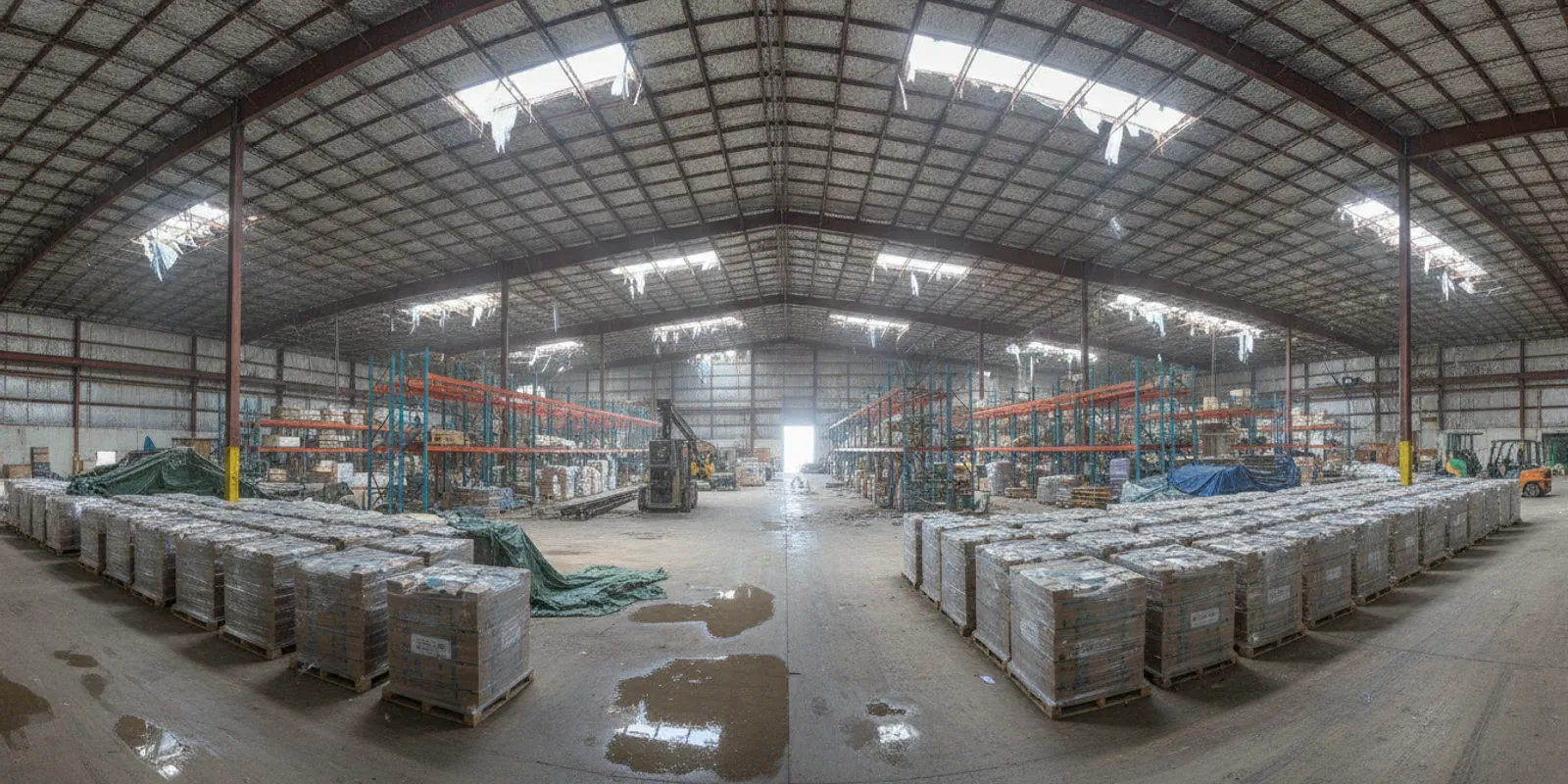
A warehouse loss can involve far more than a roof or wall. A warehouse property damage attorney Texas property owners consult may need to evaluate the building, stock, machinery, cleanup, and interruption as distinct parts of one claim. Clear records help show what was damaged, what it costs to address, and how the loss affected operations.
Call to discuss your warehouse loss
Why does a warehouse claim need a separate review?
Warehouses combine real property with movable goods and business operations. One event may damage roof decking, loading areas, electrical systems, racking, stored products, and specialized equipment. The policy may treat these items differently, and different records may be needed to establish each part of the loss.
Start by identifying the date and cause of loss, affected areas, and immediate safety concerns. Keep a written chronology of inspections, conversations, emergency work, and insurer requests. Note who observed each condition and when photographs were taken. A simple log can include date, location, person involved, observation, action taken, and related file name.
A warehouse owner should review the policy, endorsements, declarations, limits, deductibles, and conditions affecting notice or proof. Coverage depends on the actual policy language and facts; a damage estimate alone does not answer every coverage question. The Texas Department of Insurance provides consumer information about insurance and claims. For general commercial property claim context, see the firm’s commercial property insurance resource.
Preserve the policy version in force on the loss date, not just a current renewal packet. Keep the complete form and endorsements together. Make a note of policy provisions that appear relevant, such as covered property, causes of loss, exclusions, valuation, duties after loss, and business-income terms. Do not assume a heading or summary page resolves how a provision applies.
How should you separate building, inventory, and equipment?
Build separate schedules rather than placing every item into one undifferentiated estimate. This makes it easier to trace evidence, identify missing categories, and compare your documentation with the insurer’s scope. Use consistent location names, item descriptions, dates, and units across the schedules.
| Claim component | Useful records | Questions to check |
|---|---|---|
| Building and systems. | Photos, plans, contractor scopes, invoices, and inspection notes. | Are roof, walls, doors, electrical, plumbing, and loading areas addressed? |
| Inventory and stock. | Inventory reports, purchase records, SKU lists, sales records, and disposal logs. | Which goods were damaged, contaminated, or unsalable, and how is quantity supported? |
| Machinery and equipment. | Asset register, maintenance records, repair quotes, and service reports. | Can equipment be repaired, and are related components or installation included? |
| Mitigation and cleanup. | Work orders, photographs, labor logs, disposal tickets, and invoices. | What work was necessary to prevent additional damage or restore safe access? |
| Operational interruption. | Orders, shipping records, production logs, payroll, and financial statements. | How did damage affect operations, and what extra costs followed? |
For inventory, preserve records that connect a claimed quantity to a location and date. A warehouse-management export, cycle count, receiving record, or purchase invoice may help. Photograph affected goods before disposal when safe and practical. If goods must be discarded for safety or sanitation, retain disposal records and document why the decision could not wait.
For example, a count of 240 damaged cartons is more useful when it identifies the aisle or storage zone, product code, count date, and source report. If the count comes from a later physical inspection, explain what changed between the loss and inspection. Reconcile the quantity against receiving and shipping records so that the basis for the number is visible.
For equipment, record make, model, serial number, condition, and location. Ask repair vendors to explain observed damage and whether repair is feasible. Keep removed parts when possible until the insurer has had a reasonable opportunity to inspect. If replacement is recommended, request a written explanation of why repair would not restore function or reliability.
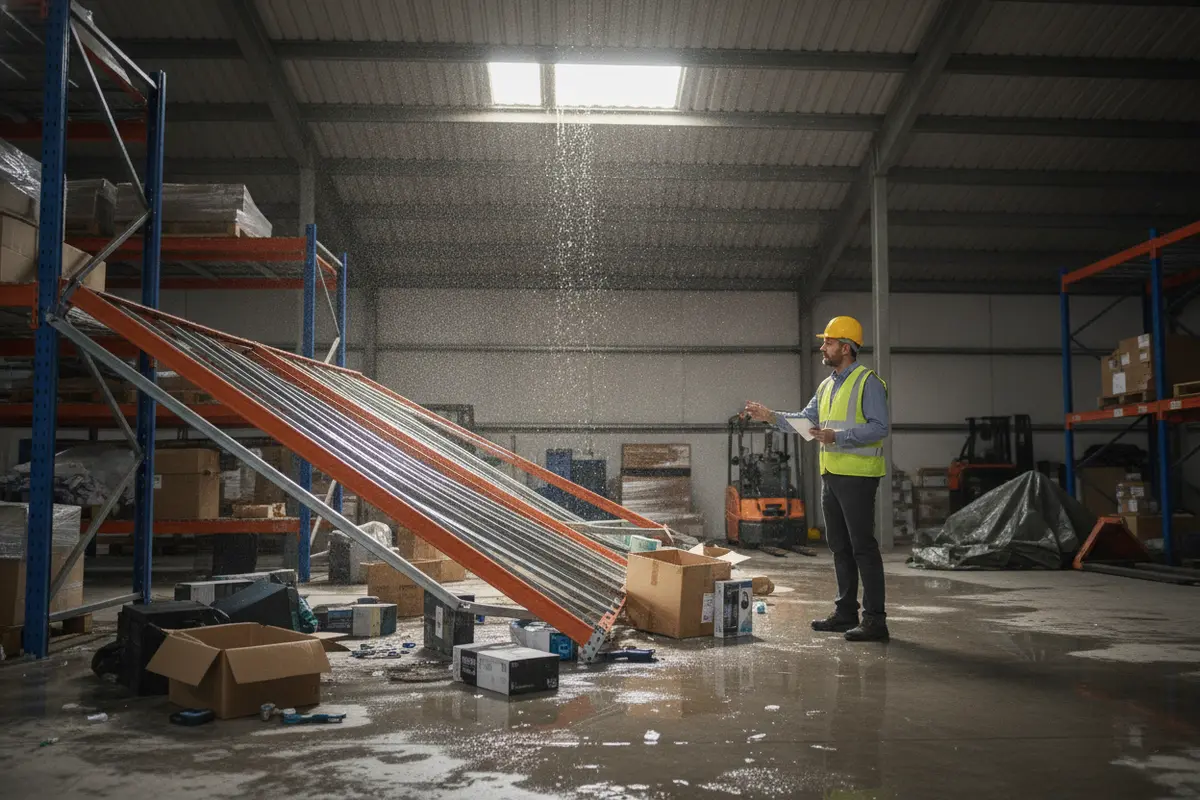
Building scopes also benefit from location-specific detail. Instead of a broad line for roof repairs, identify the affected section, material, measured area, and work sequence. Note whether interior finishes, insulation, electrical components, or loading equipment were affected by the same event. A contractor’s photographs and measurements can help explain why a task is included.
What evidence supports interruption and extra costs?
Operational losses are easier to understand when a business can show both the disruption and its financial effect. Preserve a timeline of downtime, partial operations, temporary relocation, reduced capacity, delayed shipments, and resumed work. Identify which departments or processes were affected rather than describing the interruption only in general terms.
Records may include shipping manifests, canceled orders, production logs, customer communications, payroll, utility bills, and financial statements. Keep invoices for temporary storage, equipment rental, expedited freight, security, or other extra expenses. Tie each expense to the event and explain why it was incurred.
A practical timeline might show that a receiving bay closed after water intrusion, that deliveries were redirected for a period, and that normal use resumed after specified repairs. The records should distinguish what the business expected to do from what it actually did. If some operations continued, document the reduced capacity and the steps taken to keep work moving.
Organize financial materials by period and label the source. Keep the underlying reports when a summary is prepared. For an added expense, record the date, amount, vendor, purpose, and connection to the disruption. For an alleged lost order, preserve the order, communications, shipment history, and any explanation of why it could not be fulfilled or rescheduled.
Do not assume every lost sale or added cost is covered. Policy terms, causation, waiting periods, exclusions, limits, and documentation can matter. The purpose of organizing these materials is to make the claimed connection clear, not to presume a coverage result. Keep ordinary operating expenses distinct from costs incurred because of the loss.
What mitigation steps should a warehouse owner take?
Address urgent hazards first. Restrict access to unsafe areas, protect exposed contents from further weather, and arrange reasonable emergency work. Use qualified professionals for structural, electrical, or other safety-sensitive conditions.
- Photograph conditions before moving items or beginning work, when it is safe.
- Notify the insurer promptly and keep a copy of the notice and delivery details.
- Keep damaged materials and equipment available for inspection when practical.
- Record emergency labor, materials, equipment, and disposal in dated logs.
- Save estimates, contracts, invoices, and communications in one claim file.
Mitigation is not the same as completing permanent repairs without coordination. Preserve samples or removed components when feasible, and document why emergency steps were needed. If the insurer or an adjuster inspects the site, note the date, attendees, areas viewed, and any follow-up requested.
For a broader property-loss checklist, review the firm’s storm damage claim guidance and its discussion of the property insurance claim process. If water damage is involved, keep moisture readings, drying logs, equipment records, and photographs that show the affected area over time. These may help distinguish the initial condition from later work.
Before cleanup, consider whether the insurer needs an opportunity to inspect, subject to urgent safety and preservation needs. When waiting is not reasonable, document the condition thoroughly, keep representative samples where practical, and record who authorized the work. Do not put people at risk to preserve evidence.
How can you evaluate claim valuation?
Compare the insurer’s estimate with the physical scope of damage and the records supporting each claimed category. Look for omitted locations, quantities that do not match measurements, repair assumptions that overlook access or installation, and items assigned to the wrong category. Ask contractors to identify the basis for their scope and to separate observed damage from proposed work.
For building repairs, compare like with like: material, dimensions, labor, access, and necessary removal or protection. For inventory, reconcile the count with purchasing and warehouse records. For equipment, distinguish a repair estimate from replacement analysis and identify associated installation or testing needs.
A useful review is a side-by-side comparison, not simply a comparison of bottom-line totals. Place each line item from the insurer’s scope beside the corresponding contractor or owner documentation. Mark whether the item is included, omitted, measured differently, assigned a different quantity, or based on a different repair approach. Then attach the record that explains the difference.
For instance, if one estimate includes only a roof membrane but the inspection records also identify wet insulation and interior damage, list each component separately and point to the supporting inspection or photograph. If the quantity differs, show the measurement and method. If a repair recommendation differs, request a clear technical explanation rather than relying on a conclusion alone.
Valuation disputes can involve specialized policy provisions. Avoid treating a single estimate or appraisal figure as a complete answer to questions about coverage, responsibility, or claim handling. The firm’s appraisal disputes page explains one process that may arise in insurance valuation disagreements. The right process depends on the policy and the kind of issue in dispute.
How can you keep a claim file usable?
A well-ordered file reduces repeated searching and helps others follow how each amount was developed. Use folders for policy and correspondence, building, contents, equipment, mitigation, operations, and estimates. Give files descriptive names with dates, locations, and versions, and keep a separate index of key documents.
Preserve original photos and electronic records when possible. Avoid overwriting the only copy of a spreadsheet or inspection report. If you create a revised schedule, keep the earlier version and note what changed. A short document index might include the filename, date, source, affected area, and claim category.
Track insurer requests in a log with the request date, requested items, response deadline if stated, materials provided, and delivery confirmation. Keep copies of what was sent. If a requested record does not exist, note that and identify any substitute material that may be available. This makes the status of open questions easier to see.
Choose one point of contact for collecting internal records, but confirm technical details with the people who know the operations or equipment. A warehouse manager may know where goods were stored; a maintenance technician may identify a machine’s service history; an accountant may explain the financial reports. Their records and explanations should be labeled by source and date.
When may legal review help?
Consider asking for legal review when the insurer disputes whether damage is covered, leaves significant warehouse components out of its scope, challenges the claimed inventory, or does not account for documented operational effects. Review may also be useful when repeated inspections and estimates fail to resolve material differences.
Before a consultation, assemble the policy, claim correspondence, estimates, photographs, repair records, inventory support, and a short chronology. Identify the decision or issue you want reviewed. A clear file makes it easier to discuss what is known, what remains uncertain, and what additional records could matter.
Hoch Law Firm represents policyholders in property insurance disputes. Learn more about the firm’s attorney and experience, or use the contact page to request a discussion.
When speaking with counsel, prioritize unresolved questions rather than trying to narrate every document. For example, ask whether the current disagreement concerns policy interpretation, damage cause, quantity, repair scope, valuation, or the effect of the loss on operations. Bring the records that bear on those points, along with a list of material deadlines or pending requests.
For a policyholder considering a claim dispute, timely review can help clarify what information matters and what steps may be available. No single checklist can determine coverage; the policy language, evidence, and facts of the loss must be assessed together.
Call to discuss a warehouse property claim
Frequently Asked Questions
Should I separate inventory from building damage?
Yes. Separate schedules and supporting records make it easier to show what was damaged and how each amount was calculated. Keep inventory, building, equipment, and cleanup evidence organized by category.
Can I begin emergency repairs before an inspection?
Safety and preventing further damage come first. Photograph conditions when safe, notify the insurer promptly, retain relevant materials when practical, and keep dated records of emergency work and costs.
What records help support warehouse inventory losses?
Inventory reports, purchase invoices, receiving records, location data, photographs, sales records, and disposal documentation can help establish what was present and what happened to it.
Are interruption losses automatically included in a property claim?
No. Coverage depends on the policy language and facts. Preserve operational records and expense documentation, then review the applicable provisions and insurer’s position.
Take a clear view of the remaining issues
A well-organized claim connects each damaged asset and operational effect to reliable records. Separating the categories, documenting mitigation, and comparing estimates can help a warehouse owner identify what is supported and what still needs review.