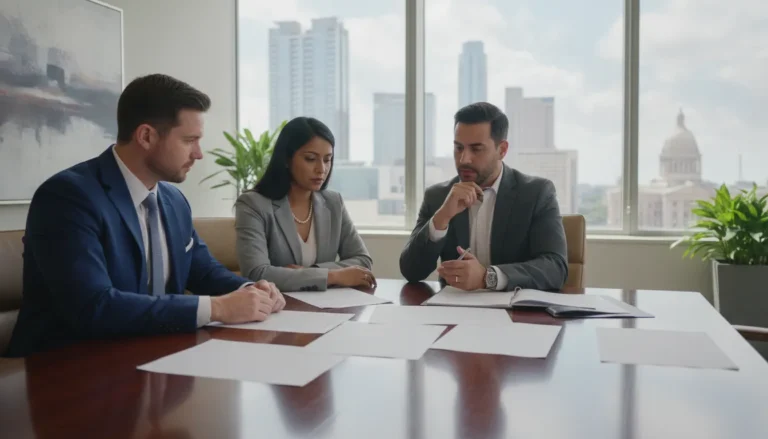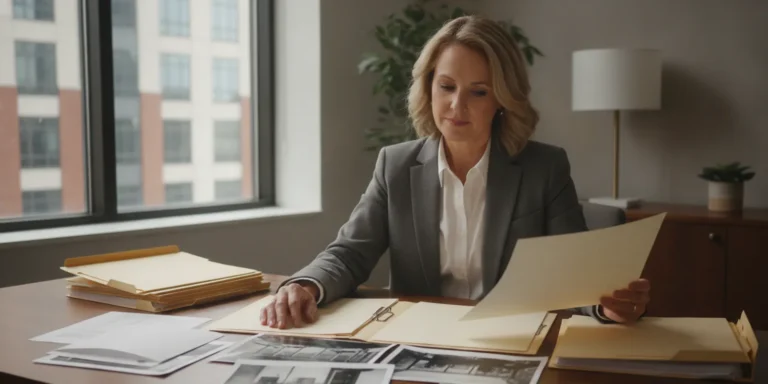
Water-loss claims are rarely decided by the visible stain or the first repair estimate. The outcome may turn on the cause, timing, policy exclusions, and whether the proposed scope reflects concealed conditions as well as visible surfaces.
A water damage insurance lawyer Fort Worth review examines the policy, source and causation evidence, mitigation records, hidden damage, repair scope, valuation, and the insurer’s written position. Coverage depends on the policy language and the facts, so a careful review does not assume that every water loss is covered or excluded.
Texas property owners should preserve photographs, invoices, inspection findings, estimates, and communications while the claim is evaluated. Those records can help distinguish a disagreement about scope or value from a dispute about coverage itself. That distinction calls for a closer look at the claim review process.
Call Hoch Law Firm at 817-731-9703
What Does a Water Damage Insurance Lawyer Fort Worth Claim Review Involve?
A post-loss claim review begins with the policy and the evidence, not with an assumption that every water-related loss is covered. The central question is how the policy language applies to the actual event, the property conditions, and the damage documented after the loss. A review can help separate a genuine coverage dispute from an estimate problem, an investigation gap, or a disagreement about the cause of damage.
Policy language and the cause of loss
The first lens is the policy itself. Counsel may examine covered causes of loss, exclusions, endorsements, definitions, deductibles, valuation provisions, and policy-period requirements. The analysis then turns to what happened. Was the damage connected to a covered event? Or is the insurer asserting wear and tear, an excluded cause, or damage outside the applicable policy period? Those positions must be tested against the facts rather than accepted or rejected automatically.
The Texas Department of Insurance explains that property policies differ and that coverage can depend on the policy, the cause of loss, exclusions, and valuation terms. See the Texas Department of Insurance guidance on property insurance for general consumer information. It is not a substitute for reviewing the policy governing a particular loss.
Damage scope and valuation
The next lens is the physical scope of damage. A claim review may compare photographs, inspection findings, contractor estimates, invoices, repair records, and the property’s pre-loss condition with the insurer’s estimate. It can address whether the estimate includes all reasonably supported repairs, whether concealed damage was investigated, and whether materials or work necessary to restore the property were omitted.
Valuation is a related but separate issue. The policy may contain terms addressing replacement cost, actual cash value, depreciation, or limits for particular property. The insurer’s number may reflect a different repair scope, pricing assumption, or interpretation of those terms. A careful review identifies the specific difference instead of treating a single estimate as the complete value of the claim.
Dispute position and next steps
Finally, the review considers the insurer’s written position, requests for information, inspection history, and communications about the claim. The goal is to identify what is actually disputed: coverage, causation, scope, valuation, or some combination. If appraisal is available, it may address a valuation disagreement, but it does not necessarily resolve whether the policy covers the damage or what caused it. Depending on the facts, the work may include policy analysis, additional investigation, expert damage assessment, negotiation, or litigation. None of those steps guarantees coverage or a particular result, because the outcome depends on the policy language and the evidence developed in the individual claim.
How Do You Prove the Source and Cause of Water Damage?
Source and cause evidence helps separate what happened from what an insurer believes happened. A water-loss claim may turn on whether the damage came from a covered event, an excluded condition, wear and tear, or a problem outside the policy period. The goal is to build a supported chronology before assumptions become the foundation of the claim.
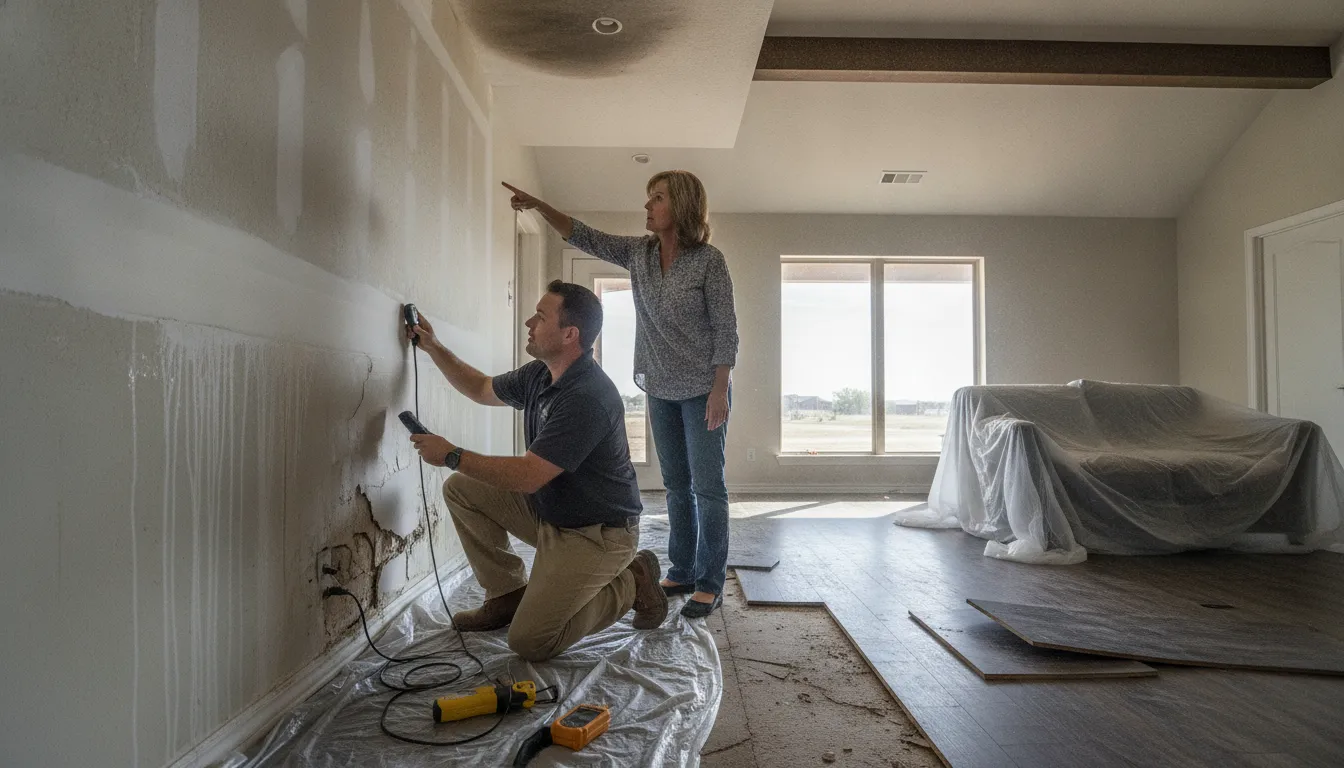
- Build a dated timeline. Record when the issue was first noticed, what conditions existed before the loss, when water was discovered, and what happened afterward. Include weather observations, occupancy information, maintenance concerns, prior repairs, communications, and every inspection or repair visit. A clear timeline can help address an allegation that the damage predates the policy or developed gradually.
- Preserve photographs and video. Capture wide views that show the affected room or exterior area. Then take close images of staining, swelling, damaged materials, plumbing connections, roof areas, ceilings, flooring, and personal property. Keep the original files when possible. Add dates and locations in a separate log rather than editing the images. Photographs should show both the damage and the surrounding conditions that help explain its path.
- Collect source records. Gather plumber, roofer, contractor, appliance, mitigation, and maintenance records that relate to the suspected source. Ask providers to describe what they observed, what testing they performed, and whether their conclusions are based on direct inspection or available history. Do not ask a contractor to decide coverage. That question depends on the policy and the facts, not simply on the repair invoice.
- Obtain an independent inspection when needed. An insurer may inspect the property, review photographs, and request additional information. TDI advises policyholders to document damage and provide supporting material when disagreeing with an estimate. An independent professional may help evaluate moisture patterns, building systems, roof or plumbing conditions, and the difference between a sudden event and long-term deterioration. The assessment should identify limits as well as conclusions.
- Test the policy-period and wear-and-tear theories. Compare the inspection findings with the policy dates, prior condition evidence, maintenance history, and reported event. An insurer may contend that deterioration, defective maintenance, or an older condition caused the loss. Those positions should be tested against the physical evidence and policy language. TDI explains that coverage varies by policy, causes of loss, exclusions, and valuation terms. A Fort Worth property insurance lawyer can help organize the causation record when the source, timing, or exclusion remains disputed.
Keep copies of every submission and response. Evidence is most useful when each photograph, report, and invoice connects to a specific date, location, and disputed issue.
Why Mitigation and Hidden Damage Matter to the Claim
After water enters a property, policyholders may need to take reasonable steps to limit additional damage. The specific steps depend on the situation, the condition of the property, and the policy. Safety comes first, and potentially hazardous conditions should be handled by qualified professionals rather than through improvised repairs.
Keep a written record of what happened and what was done afterward. Photographs and video can show affected rooms, materials, personal property, and visible water marks before cleanup changes the condition. If a drying or restoration company is involved, preserve its inspection notes, moisture readings, work orders, invoices, and reports. Plumbing, roofing, environmental, or other professional records may also help explain the timing and scope of the loss.
Receipts matter, but they are only part of the record. Save invoices for emergency services, temporary protection, storage, temporary lodging, and other expenses connected to the loss. Keep copies of emails, text messages, letters, and calls with the insurer, adjuster, contractors, and restoration vendors. A simple chronology can connect each expense or repair to the event and show when information was provided or requested.
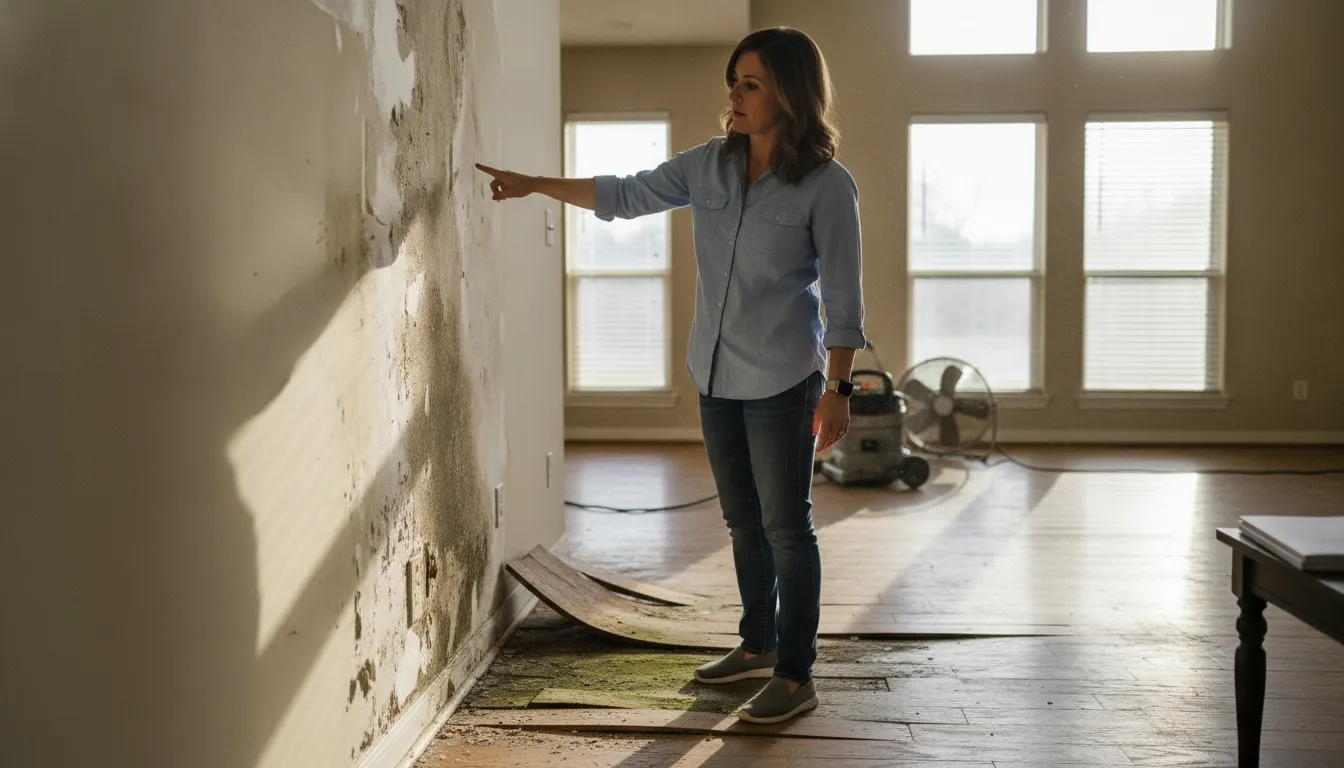
Some damage is not apparent during the first inspection. Moisture may remain behind walls, beneath flooring, above ceilings, or in other concealed areas. Later discovery does not automatically establish coverage, but it should be documented promptly. Take photographs before additional work where reasonably possible, identify when the condition was found, and preserve any professional assessment describing the affected materials and likely cause. Avoid discarding damaged materials or authorizing permanent repairs without considering how the evidence will be preserved, unless immediate action is necessary to protect people or property.
Mitigation records can also help separate the original loss from later deterioration. An insurer may ask when the damage occurred, what conditions existed beforehand, and whether the property owner acted after discovering the problem. Those questions do not decide the claim by themselves. Coverage can turn on policy language, exclusions, causation, the policy period, and the facts supported by the evidence.
When the record becomes difficult to organize or the insurer disputes the scope or cause of the loss, a Fort Worth property insurance lawyer can review the policy and claim materials with the appropriate experts. That review may clarify what additional documentation is needed without promising that a particular item will be covered.
How Are Water-Damage Scope and Value Disputes Evaluated?
An insurer may agree that water damage occurred while disputing how much of the property must be repaired or what the work should cost. Those are usually amount-of-loss issues. They are different from coverage or causation disputes, such as whether the loss resulted from a covered event, an exclusion, wear and tear, or damage outside the policy period. The distinction matters because an appraisal may help address the amount of loss, but it does not necessarily resolve whether the policy covers the damage.
The scope of repair should be supported by evidence, not only by an adjuster’s estimate. Photographs, drying records, contractor estimates, inspection findings, and documentation of concealed damage can help show what work is reasonably connected to the loss. Texas Department of Insurance guidance recommends documenting damage, explaining disagreements with an estimate, and submitting supporting documents such as contractor estimates. See the Texas Department of Insurance guidance for general claim-handling information.
| Issue | What it addresses | Evidence to review |
|---|---|---|
| Repair scope | Which materials, rooms, systems, and related work must be repaired or replaced. | Photos, moisture readings, mitigation records, inspection reports, and detailed contractor estimates. |
| Replacement cost | The estimated cost to replace damaged property with comparable materials, subject to policy terms. | Line-item estimates, material specifications, labor assumptions, and local repair conditions. |
| Actual cash value | A valuation that may account for depreciation rather than treating every item as new. | The policy’s valuation language, age and condition of materials, and the depreciation applied. |
| Exclusions and causation | Whether the claimed damage falls within coverage or is attributed to an excluded condition or cause. | Policy provisions, the loss timeline, maintenance history, expert opinions, and causation evidence. |
Replacement-cost coverage and actual-cash-value calculations should be read alongside the policy’s conditions and endorsements. Depreciation may be applied differently depending on the policy and the property involved. An estimate that omits necessary demolition, matching materials, code-related work, or concealed damage may understate the repair scope. On the other hand, an estimate can include work that is not tied to the covered loss. Careful comparison is needed on both sides.
Appraisal may be one issue to evaluate when the primary disagreement concerns the amount of loss. The Texas property insurance appraisal process is not a substitute for analyzing coverage, exclusions, or causation. A water damage insurance lawyer Fort Worth property owners consult can help separate those questions, identify missing proof, and determine whether negotiation, appraisal, or litigation fits the dispute. The policy language and facts remain controlling.
What If the Insurer Delays, Denies, or Underpays the Claim?
Start by asking the insurer to state its position in writing. A denial, partial payment, or request for more information should be tied to the policy language, claimed cause of loss, requested documents, or estimate items at issue. Texas Department of Insurance guidance explains that an insurer may inspect the damage, review photographs, and request additional information. It also advises policyholders to document disagreements and provide supporting records. A written position gives you a specific issue to evaluate instead of relying on a phone conversation that may be difficult to reconstruct later.
If the insurer disputes the estimate, respond with an organized package rather than sending scattered documents. Include a line-by-line comparison of the insurer’s scope and the contractor’s or other qualified professional’s estimate. Identify omitted rooms, materials, demolition, drying, access work, code-related issues, or concealed damage only when the records support those items. Add dated photographs, invoices, moisture or drying records, inspection findings, repair proposals, and a concise explanation of why each disputed item relates to the loss. Keep a copy of everything submitted and record when it was sent.
Additional damage may become apparent after materials are removed or repairs progress. That does not automatically establish coverage, but it may justify supplemental documentation and a renewed request for review. Preserve the original condition where reasonably possible. Communicate before making changes that could affect inspection. Explain why urgent work was necessary when safety or further property damage required action. The policy, the facts, and the quality of the supporting proof all matter.
For a focused dispute over the amount paid, you can learn more about how to appeal an underpaid property claim. Appraisal may be available under some policies for certain valuation disputes. But it does not necessarily resolve questions about causation, exclusions, or whether the policy covers the claimed damage.
Texas Insurance Code Chapter 542 addresses claim notice and insurer response or payment timing, subject to statutory exceptions and the specific facts of the claim. It should not be treated as a universal deadline that applies identically to every water loss. Review the statute and the claim record carefully, including any requests for information and the insurer’s stated reasons for delay. Hoch’s overview of Texas insurance claim payment deadlines provides additional context, while the Texas Insurance Code Chapter 542 contains the statutory text.
When the written position, policy terms, evidence, and financial impact do not align, a Fort Worth property insurance lawyer can assess the dispute. The firm can discuss possible next steps without assuming that coverage or a particular result is guaranteed.
A Texas Water-Damage Claim Checklist for Property Owners
A complete claim file helps separate the facts of a water loss from later disagreements about coverage, scope, or value. Use this checklist to organize the record before responding to an insurer or evaluating whether the claim needs further review.
- Preserve the policy and every claim communication. Save the complete policy, endorsements, declarations, claim number, notices, adjuster emails, letters, estimates, and recorded statements. Keep a dated log of calls, inspections, requests for information, and responses.
- Record the source and timeline. Write down when the problem was discovered, what happened before and after discovery, and what areas were affected. Preserve relevant plumbing, roof, maintenance, contractor, or weather records. Do not assume the source alone determines coverage. Policy language, exclusions, causation, and the policy period may all matter.
- Document visible and hidden damage. Photograph and video rooms, finishes, contents, equipment, and areas opened during drying or repair. Keep the original files when possible. Note odors, staining, swelling, mold concerns, moisture readings, and damage discovered behind walls, floors, cabinets, or ceilings.
- Track mitigation and access. Keep invoices, work orders, drying logs, disposal records, and communications with mitigation contractors. Record why materials were removed or areas opened. Reasonable mitigation can reduce further damage, but it does not resolve whether the resulting work is covered.
- Compare scope and valuation. Place the insurer’s estimate beside contractor estimates and your own damage inventory. Identify omitted rooms, line items, hidden conditions, depreciation, or differences between repair and replacement assumptions. Ask the insurer to explain disputed items in writing.
- Submit organized supplements. Send photographs, expert or contractor findings, receipts, estimates, and a concise explanation of each requested adjustment. Keep proof of delivery and a copy of everything submitted. A supplement should address the insurer’s stated position rather than simply repeat the original demand.
- Check policy-specific proof and deadline requirements. Review the policy for notice, documentation, proof-of-loss, appraisal, and suit-limitation provisions. Requirements can vary, so do not rely on a universal deadline. Texas rules may also address claim notice and insurer response or payment timing, as discussed in Texas insurance claim payment deadlines.
- Seek review when the position remains unresolved. Consider legal review if the insurer delays, denies, or underpays after receiving supporting evidence, or if the dispute turns on causation, exclusions, hidden damage, scope, or valuation. A lawyer can evaluate the policy and claim record, coordinate appropriate damage analysis, and discuss available next steps without assuming the outcome.
Call Hoch Law Firm at 817-731-9703
Frequently Asked Questions
Does insurance cover every type of water damage?
No. Coverage depends on the policy language, the source and cause of the loss, applicable exclusions, and whether the damage occurred during the policy period. A water loss may raise questions about wear and tear, maintenance, sudden damage, or another cause. The facts and the policy must be evaluated together before reaching a coverage conclusion.
Can I repair the property before the insurer inspects it?
Take reasonable steps to prevent additional damage, but preserve evidence whenever possible. Photograph and record the condition, keep invoices and reports, and notify the insurer about the loss and planned work. If emergency repairs remove damaged materials, retain samples or detailed documentation when practical, because those materials may help establish the source and extent of damage.
What if hidden damage appears after the claim is filed?
Report the newly discovered damage promptly and provide photographs, contractor estimates, inspection findings, and other supporting records. An updated scope can help show how concealed damage relates to the original loss. The insurer may request additional information while evaluating the cause, extent, or value of the claim.
Will appraisal resolve my water-damage claim dispute?
Not necessarily. A policy may provide an appraisal process for disagreements about the amount of loss, but appraisal does not automatically resolve disputes about causation, coverage, exclusions, or policy interpretation. Those issues may require a separate coverage analysis and supporting evidence.
When should I speak with a property-insurance lawyer?
Consider a review when the insurer delays, denies, or underpays the claim, disputes the cause, limits the repair scope, or questions hidden damage. Early review can help organize the policy, timeline, evidence, estimates, and insurer communications before positions harden.
Ready to Discuss Your Water-Damage Claim?
When the cause, repair scope, or valuation of water damage is disputed. A focused review of the policy and claim record may clarify the issues and the next step.
Call Hoch Law Firm at 817-731-9703
The firm can discuss the available next steps.