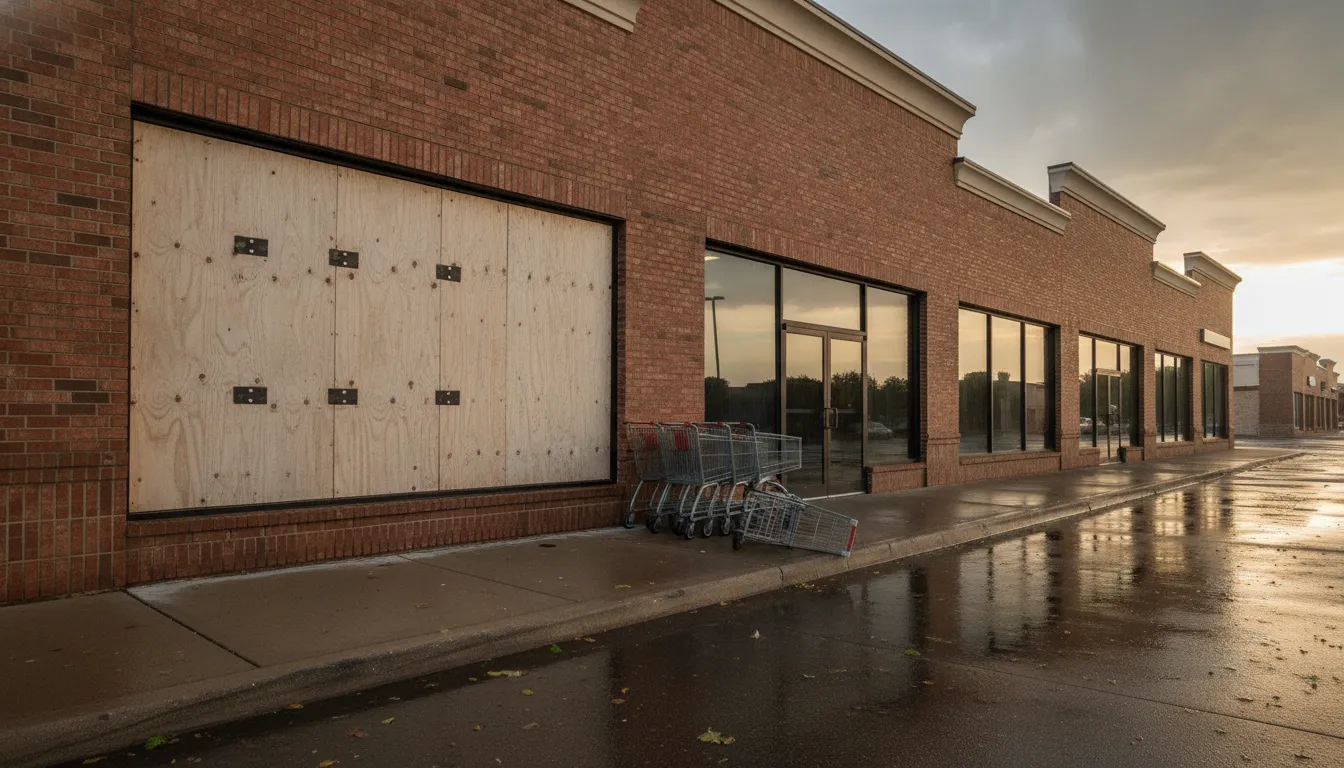
A retail property insurance claim lawyer helps a Texas store operator sort a claim the insurer can review. That file covers storefront damage, merchandise, blocked customer access, repairs, and lost sales. The question is not only whether the building is hurt. It is whether shoppers can still reach the sales floor, whether the inventory can be sold, and which part of the loss the policy actually covers.
Hoch Law Firm, PC represents policyholders, not insurers, from its Fort Worth office. The contact page lists that office at 5616 Malvey Ave, Fort Worth, TX 76107. Tim Hoch is Board Certified in Personal Injury Trial Law.
Call Hoch Law Firm at 817-731-9703
This guide stays on the operator’s file: the storefront, the stock, the entrance, and the repair path. A landlord’s rent claim is a different job, and the firm’s commercial landlord insurance claim lawyer page covers that file. Broad practice context lives on the commercial property insurance page, which lists retail centers alongside other property types. Income-loss math belongs on the Texas business interruption claim guide. Use those pages for their own questions. Use this one to organize a store claim.
What a retail property insurance claim lawyer reviews first
Start with the named insured and the location. A single-store LLC, a management company, and the person who signed the lease are not the same party. The declarations page should name the entity that owns the merchandise and operates the store, or the file should explain the relationship in one sentence. Hoch Law Firm reviews the policy the operator actually bought, including endorsements, rather than a generic commercial form.
Then separate the loss into pieces the carrier already uses. Mixing a broken storefront, soaked inventory, and a closed entrance into one dollar figure invites a partial payment that does not say which piece was denied. Four records usually belong in different folders:
- Storefront and building items the operator must repair, with photos taken before cleanup.
- Merchandise, supplies, and business personal property, with a pre-loss count if one exists.
- Customer access, including a blocked door, a closed parking lane, or a city order that keeps shoppers out.
- The repair path: bids, code items, and the date the sales floor can reopen.
If the landlord owns the shell and the operator owns the fixtures, say so early. Hiding that split does not speed payment. It gives the carrier a reason to pause while it looks for another policy.
Storefront damage, inventory, and customer access
A retail loss is often three losses at once. Glass, doors, signage, and the entry canopy affect whether the store can open. Inventory on the floor and in the back room may be wet, smoked, or contaminated even when the structure still stands. Customer access can fail when the building looks fine but the sidewalk, parking, or a shared entrance is closed.
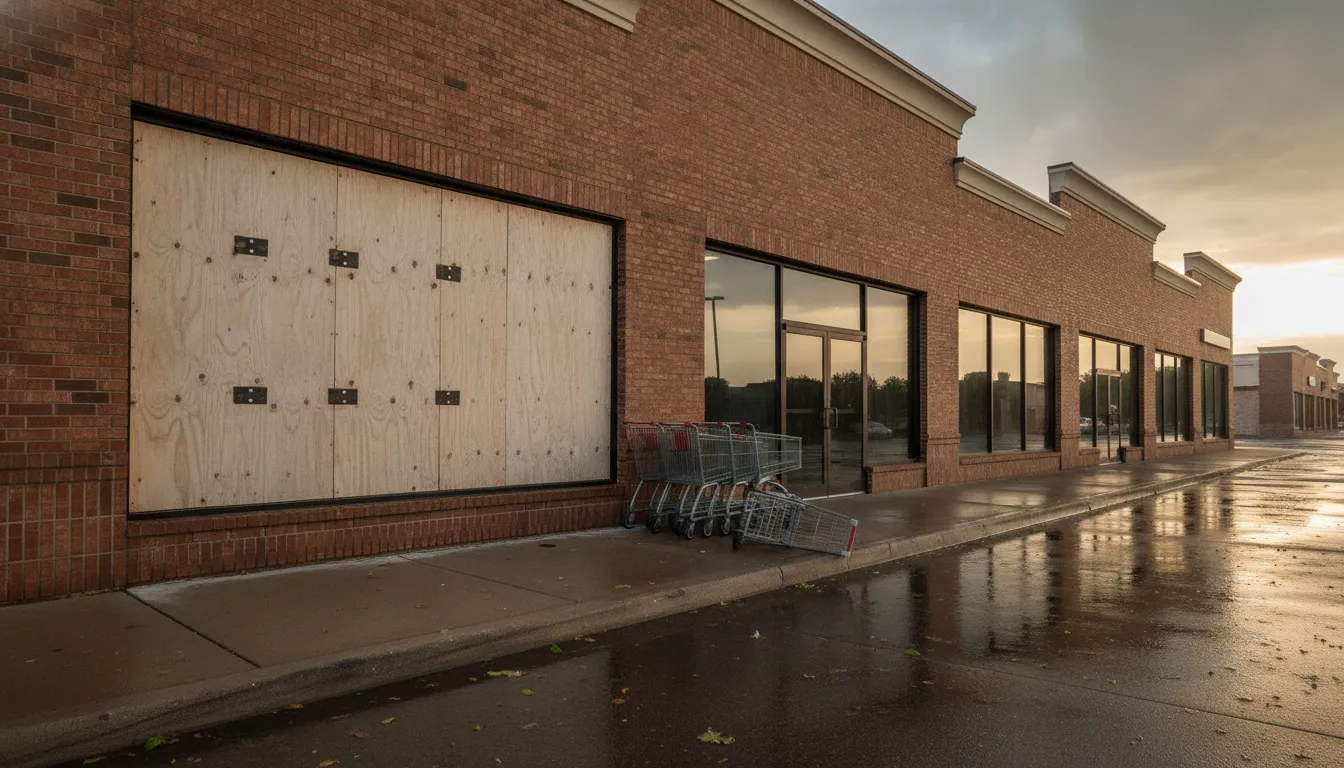
Photograph each piece before it moves. A boarded window and a wet sidewalk tell different stories, and a later repair photo does not replace the first set. For weather damage, keep the carrier’s own weather or inspection notes next to yours. The firm’s commercial hail damage claim evidence page covers weather records for a building claim. Do not copy that checklist here. For a store, add the merchandise photos and a note of which entrance shoppers actually use.
Inventory needs a count, not a guess. Pair register reports, purchase orders, and the last physical count with photos of unsellable goods. Mark what was discarded for safety and what is still on hand. If a restoration vendor removes stock, get the inventory of what left the building.
Seasonal stock changes the count. A store that received holiday goods the week of the loss should separate those receipts from older merchandise. A store that had already marked goods down should keep the markdown log so the carrier does not price everything at full retail or at zero. Attach that log to the count instead of describing it from memory. Extra costs to keep a limited operation going, such as temporary barriers or off-site storage, are a different dispute. Those costs belong on the extra expense coverage dispute guide, not in a pure building repair. Link that page when the dispute is the extra-cost formula. Keep the store file focused on what shoppers could not reach.
How retail claim pieces differ
Carriers often pay the easiest piece and stall the rest. A useful file shows which grant, limit, and deductible applies to each piece, without treating the whole store as one bucket. The comparison below is a filing map, not a coverage promise. The policy controls.
| Claim piece | Typical proof | Common dispute | What to keep separate |
|---|---|---|---|
| Storefront and glass. | Photos, contractor scope, and code notes. | Cosmetic versus functional damage. | Landlord shell items the operator does not own. |
| Merchandise and stock. | Counts, invoices, and discard logs. | Salvage value versus a total loss. | Ordinary shrinkage that predates the event. |
| Customer access. | Closure notices, photos of the entrance, and sales-hour logs. | Whether the store could have opened in part. | A general income formula that is not tied to the entrance. |
| Repair timeline. | Bids, permits, and a reopen date. | How long the restoration period lasts. | Rent the landlord claims on a different policy. |
Read the lease once, then stop. The lease may say who repairs the storefront and who carries insurance on fixtures. That fact belongs in a short memo, not in a second copy of a landlord guide. If only the landlord’s building is damaged, say that in the first notice. The operator’s loss may be lost sales from a closed entrance. Keep those two claims from getting blended.
Repairs, lost sales, and the insurer dispute
Mitigate the damage without guessing at coverage. Board what must be boarded, dry what must be dried, and keep receipts. Do not sign a broad release or a proof of loss you have not compared with the inventory and the repair bids. If the carrier asks for an examination under oath or a recorded statement, the general property-claim examination page is the place for that process. This guide does not repeat it.
Code and safety repairs belong in the bid, not in a side conversation. If the city required a different door, a rated glass type, or a temporary barrier before customers could return, keep that notice with the contractor scope. Those items are part of reopening the sales floor. Say which rule applied and which entrance it affected.
Lost sales need a before-and-after record tied to the dates the entrance or the sales floor was actually limited. Daily sales, staffing, and the hours posted on the door are more useful than a single monthly total. The income formula itself stays on the business interruption guide. Here, the job is to show why a retail entrance, a stock-out, or a partial reopen changed the number.
When the payment is short, compare it line by line with the four folders above. An underpayment that labels everything “building” may have skipped merchandise or access. The firm’s page on underpaid commercial property claim next steps covers the denial and short-pay sequence. A broader dispute posture lives on the commercial property insurance dispute lawyer page. Use one of those when the letter is already in hand. Keep building the store file either way.
Deadlines depend on the policy and on when the claim accrued. Do not assume a single statewide number covers every retail loss. The firm’s Texas property insurance claim deadline guide is the place to start that review, including policy language that can shorten a contract claim. Prompt notice still matters even when the lawsuit deadline is later. Dallas-area operators can also use the Dallas property insurance lawyer page for local claim context. Hoch Law Firm’s property work is not limited to Fort Worth.
Notice, records, and a retail property insurance claim lawyer’s file
Give notice in the way the policy describes, then keep a copy of what you sent. A phone call with no follow-up note is hard to prove later. Write the date of the loss, the store address, the named insured, and a short list of what is hurt: glass, stock, entrance, or all three. Do not put a final dollar figure in that first note if the count is unfinished.
The Texas Department of Insurance explains commercial property claim timing under the Insurance Code. That includes notice that a claim was received, then a later written decision to accept, deny, or take more time. Read that summary on the TDI commercial property consumer rights page. Those timelines are a floor for claim handling. They do not decide whether a particular storefront, inventory, or access loss is covered.
Build the file in this order so a reviewer can test it:
- Policy: declarations, forms, and endorsements for that location.
- Scene: dated photos of the storefront, stock, and the path shoppers use.
- Numbers: the last inventory count, purchase orders, and daily sales around the loss.
- Repairs: bids, permits, and receipts for boarding, drying, or storage.
- Letters: every carrier email, estimate, and payment, kept in date order.
Name a person at the store who can explain the records. Adjusters ask who counted the stock and who decided an item could not be sold. A manager who was on site that day is more useful than a stack of photos with no author. If a vendor threw goods away, ask for that vendor’s list the same week.
Partial reopening needs its own note. Many Texas stores reopen the front half, move stock to a side room, or shorten hours while glass is on order. Write the date, the hours, and what shoppers still could not do. A carrier that assumes a full reopen will understate the sales gap. A carrier that assumes a total shutdown will challenge the claim if the doors were in fact open. The note prevents both fights.
Shared spaces need a one-page map. Strip-center operators often share a sidewalk, a rear corridor, or a parking row with neighbors. Mark what you control and what the landlord or another tenant controls. That map stops a storefront claim from turning into a rent dispute. It also shows why a closed common entrance can cut sales even when your own door is intact.
Payment drafts deserve a second look before anyone deposits a check. Some drafts name the lender, the landlord, or a vendor as a co-payee. Depositing the wrong draft can be treated as agreement that the listed items are settled. Ask which folders the draft is supposed to close: glass only, stock only, or the whole loss. If the draft is silent, do not guess. Hoch Law Firm reads that draft against the policy and the five-part file before recommending a response.
Tim Hoch handles a select number of matters so each client gets his attention. He is also a business owner, which helps when the argument is about sales, inventory, and the cost of staying open. The firm represents policyholders on property insurance claims and does not represent the carrier. Bring the records. The review starts there, not with a promise about a result.
Speak with Hoch Law Firm at 817-731-9703
Frequently asked questions
Does a retail policy pay for inventory and the building on one claim?
Often they are different coverages, limits, and deductibles. List merchandise, supplies, and storefront repairs separately so a payment on one piece is not mistaken for a decision on the others. The declarations page and endorsements control the split.
What if customers cannot enter but the stock is fine?
Document the blocked door, sidewalk, parking, or city closure, and match those dates to sales. A closed entrance can be a claim fact even when the goods are undamaged. Do not fold that fact into a landlord rent ledger.
Should the store operator wait for the landlord’s carrier?
No. Notice your own insurer on the timetable in your policy, and say which items you own. Waiting on another policy can be treated as late notice. You can still note the landlord’s claim so the carrier does not think a second payer was hidden.
Who should call about a Texas retail claim?
Call the firm that will read the policy and the store file. Tim Hoch is Board Certified in Personal Injury Trial Law, represents policyholders, and gives each matter personal attention from the Fort Worth office. The contact page offers a free case evaluation and says you pay nothing unless the firm takes the case and wins. Whether a case is accepted is decided only after that review.
Bring the store file, not a mixed pile
A retail property insurance claim lawyer is most useful before the carrier picks one easy number and stops. Bring the photos, the inventory count, the entrance timeline, and the repair bids as separate stacks. Hoch Law Firm, PC will tell you whether those records support a storefront claim, and which neighboring issue belongs on another page.