After a hailstorm, the visible damage—shattered windows, dented gutters, and pockmarked siding—is alarming enough. But the real threat to your apartment building often lies hidden beneath the surface. Small, unseen cracks in roofing materials can lead to slow leaks, mold growth, and serious structural issues down the road. Simply walking the property isn’t enough to grasp the full extent of the problem. A methodical approach is essential to ensure nothing is missed. This guide outlines what to do after hail damage to your apartment building, focusing on how to document both obvious and hidden issues to build a comprehensive and successful insurance claim from the very beginning.
Key Takeaways
- Act quickly and strategically after a storm: Your first moves are critical. Prioritize tenant safety, thoroughly document all damage with photos before cleanup begins, and take reasonable steps to prevent the damage from getting worse.
- Take control of your insurance claim: Don’t rely solely on the insurance company’s adjuster. Protect your interests by hiring an independent inspector, carefully reviewing any settlement offers before accepting, and understanding your policy rights.
- Prepare your property for future weather: Reduce the risk of future damage by creating a preventative maintenance schedule, choosing impact-resistant materials for repairs and replacements, and developing a clear emergency response plan for your staff.
What to Do Immediately After Hail Damages Your Apartment Building
When a hailstorm hits your apartment building, the aftermath can feel overwhelming. With tenants to protect and a significant investment at stake, knowing what to do first is critical. The actions you take in the first few hours can make a huge difference in ensuring everyone’s safety and setting your property up for a successful recovery. It’s about moving quickly but methodically. By following a clear set of steps, you can manage the situation effectively and protect your rights as a property owner. Here’s where to start.
Prioritize Tenant and Staff Safety
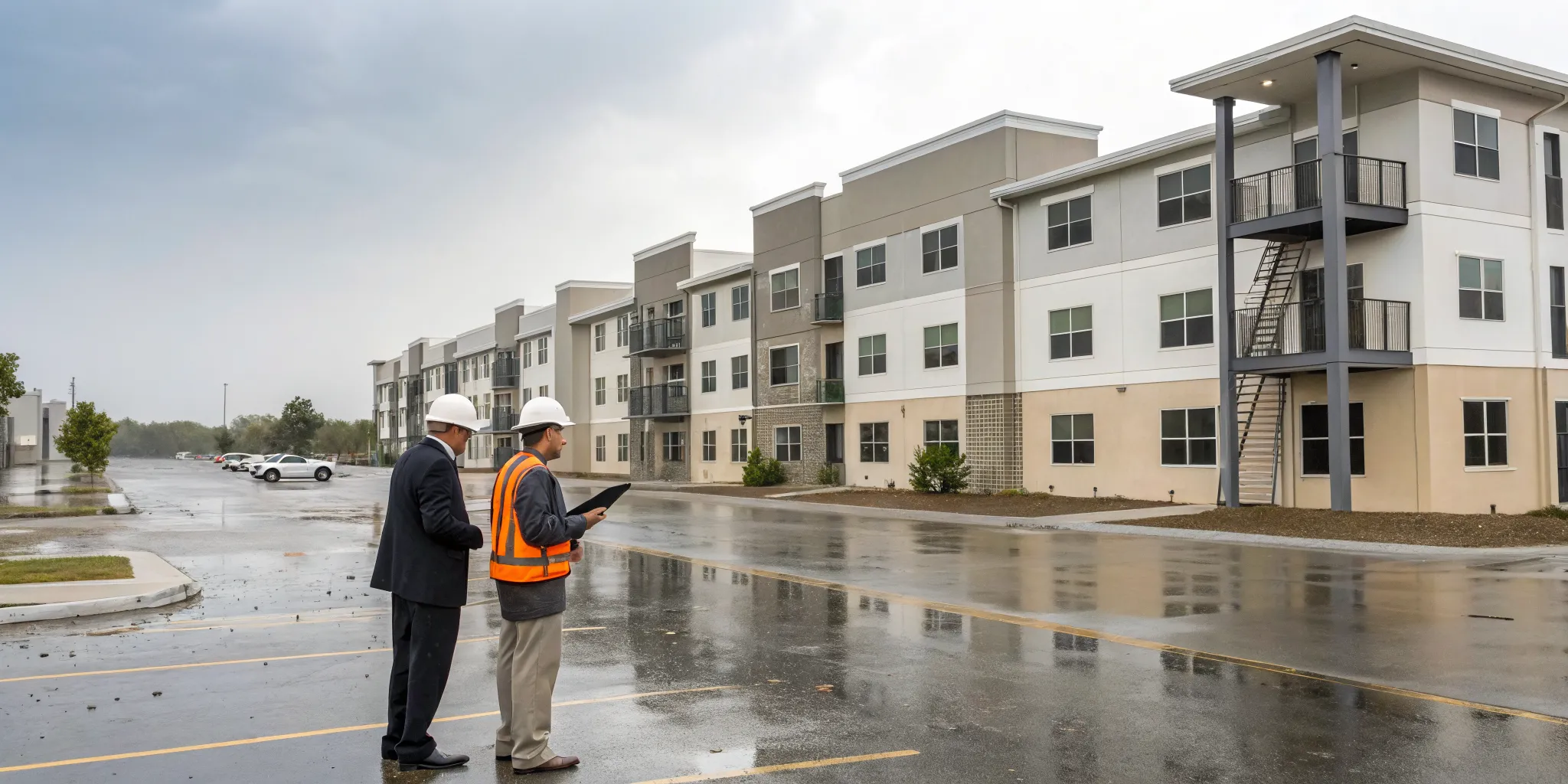
Before you assess the property, your first priority is the people inside. Check on your tenants and staff to make sure everyone is okay. Walk the property cautiously, looking for immediate hazards like shattered windows, exposed nails, or falling debris. If you spot sagging ceilings or active leaks, cordon off those areas immediately to prevent accidents. Securing the site and communicating any dangers to your residents is the most important first step. All other tasks can wait until you are certain that everyone is out of harm’s way.
Document the Damage Immediately
Once the area is safe, grab your phone and start documenting everything. Take clear photos and videos of all visible damage. Don’t just focus on the obvious; get pictures of the hail itself for scale, dents in gutters and downspouts, damaged siding, and any roofing materials scattered on the ground. This initial evidence creates a timestamped record of the storm’s impact before any cleanup or repairs begin. This documentation will become the foundation of your insurance claim, so be as thorough as you can from the very beginning.
Prevent Further Damage to Your Property
Your insurance policy requires you to take reasonable steps to prevent the damage from getting worse. This is often called “mitigating damages.” This could mean boarding up broken windows to keep the rain out, clearing away loose debris, or placing a temporary tarp over a leaking section of the roof. Keep receipts for any materials you buy for these temporary repairs, as they may be reimbursable. Taking these proactive measures not only protects your building but also shows your insurance company that you are acting responsibly, which can strengthen your claim.
Notify Your Insurer Right Away
With safety addressed and initial documentation in hand, contact your insurance provider. Call them as soon as possible to report the damage and officially start the claims process. The sooner you file, the sooner an adjuster can be assigned to your case. Have your policy number ready and provide a general description of the damage you’ve observed. This first call gets the ball rolling. If you encounter delays or feel your claim is being unfairly handled, a Fort Worth property insurance lawyer can help you understand your rights and options.
How to Assess the Full Extent of Hail Damage
After a hailstorm, a quick visual scan won’t reveal the full picture. Hail can cause subtle, hidden damage that leads to major issues like leaks and structural decay over time. To protect your investment and build a strong insurance claim, you need a methodical approach to document every detail, both seen and unseen. This process involves knowing what to look for, creating a thorough record, and understanding when to bring in an expert.
Know the Signs of Visible and Hidden Damage
Hail damage often goes beyond a few cracked windows. From the ground, look for secondary signs like dents on metal vents, gutters, and HVAC units, or granules from your shingles on the ground. These are clear indicators of impact. Remember, some of the most serious damage can be hidden. Hail can create small fractures in roofing materials that aren’t visible but will allow water to seep in over time. This is why a property insurance lawyer will tell you that damage can go unrecognized for years, leading to costly repairs that should have been covered by your initial claim.
Build a Detailed Inventory of All Damage
Once it’s safe, your top priority is to document everything. Use your phone to take photos and videos of the entire property, capturing close-ups of any dents, cracks, or breaks you find. Create a detailed written list of every single issue you notice. The more evidence you gather, the stronger your position will be when you file your claim. Insurance companies require proof of loss, and having a comprehensive inventory from the start can prevent disputes and delays. For more guidance, you can find helpful articles on our Justice Blog that cover the claims process.
Recognize When It’s Time to Call a Professional
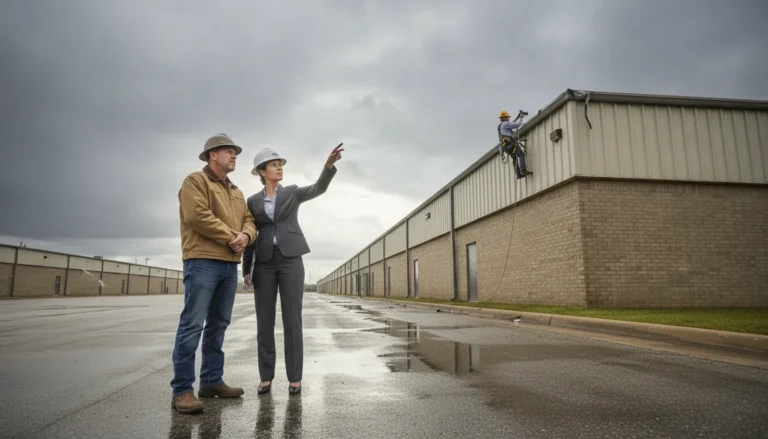
While your own documentation is essential, it’s not a substitute for a professional inspection. A qualified roofing contractor or public adjuster has the training to identify damage you might miss, like bruised shingles or compromised seals. Your insurance company will send its own adjuster, who is trained to evaluate damage from the insurer’s perspective. Hiring your own expert ensures you have someone advocating for your interests. An independent assessment provides a credible report that can be crucial in securing a fair settlement for all your property damage claims.
Why You Should Hire a Professional Inspector
After a major storm, your first instinct might be to walk the property and assess the damage yourself. While that’s a good first step, it shouldn’t be your last. Hail damage, especially to roofing systems on large commercial properties, is often subtle and easily missed by an untrained eye. What looks like minor cosmetic damage could be hiding serious issues that lead to leaks, structural problems, and costly repairs down the road.
The safe and prudent thing to do after any significant hail event is to hire a professional to inspect your property. Your insurance company will send its own adjuster, whose job is to evaluate the damage from the insurer’s perspective. You need an independent expert on your side who is working exclusively for you. A qualified inspector can identify hidden damage, accurately estimate the full cost of repairs, and create a detailed report that serves as critical evidence for your property damage claim. This professional assessment is one of the most important investments you can make in protecting your property and securing a fair settlement.
What to Look For in a Qualified Inspector
When searching for an inspector, look for a licensed public adjuster or a certified roofing consultant with specific experience in commercial hail damage in Texas. Insurance companies send their adjusters to specialized schools to learn how to identify and often dispute storm damage, so you need someone with an equal or greater level of expertise. A public adjuster is a great choice because they are licensed by the state and work directly for you, the policyholder. They will assess the damage, compile a detailed report, and can even handle the claim on your behalf, ensuring your interests are represented from the start.
What to Expect During a Professional Assessment
A thorough inspection is much more than a quick walk-around. Your inspector will get on the roof and meticulously examine every surface, including shingles, flashing, vents, and gutters. They will also check siding, windows, and HVAC units. Expect them to take extensive photos and detailed notes to document their findings. A key part of their job is to look for signs of previous damage or deferred maintenance, as insurance adjusters often use these as reasons to reduce or deny a claim. Having your own expert document the hail damage before the insurer’s adjuster arrives gives you a powerful baseline to protect your claim.
Use a Professional Report to Support Your Claim
The detailed report from your inspector is your most powerful tool in the claims process. This document provides an unbiased, expert assessment of the damage and a comprehensive estimate for the necessary repairs. You can submit this report to your insurance company as evidence to support your claim and counter any lowball settlement offers. If your insurer disputes the findings or refuses to pay what you are owed, this report becomes the foundation of your case. Working with an experienced hail damage attorney who can leverage this evidence is the best way to ensure your damage is evaluated fairly and you receive the compensation you need to make proper repairs.
Common Mistakes That Can Jeopardize Your Hail Damage Claim
Filing an insurance claim for hail damage can feel like a complex process, and a few missteps can unfortunately lead to delays, underpayments, or even denials. Insurance companies are businesses, and their adjusters are trained to protect the company’s bottom line. As a property owner, your goal is to protect your investment and secure the full and fair compensation you need to make repairs. Knowing the common pitfalls ahead of time can make all the difference.
Navigating the claims process successfully means being proactive, organized, and informed. From the quality of your documentation to your understanding of the policy, every detail matters. By avoiding these frequent mistakes, you can present a stronger claim and stand up for your right to a fair settlement. Let’s walk through what to watch out for so you can feel confident every step of the way.
Submitting Incomplete or Inaccurate Documentation
The strength of your hail damage claim rests on the quality of your documentation. Submitting a claim with missing information, blurry photos, or inaccurate details gives the insurance company an easy reason to question its validity. Insufficient documentation often leads to disputes and can significantly slow down the payment process. It’s crucial to create a comprehensive record of all damage, including detailed notes, clear photos and videos from multiple angles, and estimates from trusted contractors. Waiting too long to gather this evidence or file your claim can also be a critical error, as memories fade and further damage can obscure the initial impact of the hail.
Relying Only on the Insurance Company’s Adjuster
It’s important to remember that the adjuster sent by your insurance company works for them, not for you. While they may seem friendly and helpful, their primary responsibility is to evaluate the claim based on the insurer’s interests, which often means minimizing the payout. Relying solely on their assessment can be a costly mistake, as they may overlook hidden damage or undervalue the cost of repairs. To ensure a fair evaluation, consider hiring an independent public adjuster or a qualified contractor to conduct a separate inspection. This gives you a second opinion and a detailed report to compare against the insurer’s findings, ensuring all damages are properly accounted for.
Accepting the First Settlement Offer Too Quickly
After a storm, you’re likely anxious to get repairs underway, and it can be tempting to accept the first settlement offer you receive. However, this initial offer is often just a starting point and may not cover the full extent of your damages, especially costs related to hidden issues that aren’t immediately apparent. Insurance companies know you’re under pressure and may count on you accepting a quick, low offer. Take your time to carefully review the settlement, compare it with your independent estimates, and make sure it aligns with your policy coverage. Once you accept an offer, you typically can’t go back and ask for more.
Failing to Understand Your Policy and Legal Rights
Commercial property insurance policies are complex legal documents filled with specific definitions, exclusions, and conditions. Not fully understanding your coverage is a common mistake that can lead to major problems when filing a claim. You need to know what your policy covers, what your responsibilities are after a loss, and what the deadlines are for filing. If the language is confusing or if your insurer is interpreting the policy in a way that seems unfair, it’s time to seek professional guidance. A Fort Worth property insurance lawyer can help you understand your rights and ensure the insurance company holds up its end of the agreement.
How to Protect Your Property from Future Storms
After you’ve managed a major hail damage claim, the last thing you want is to go through it all again. While you can’t stop the Texas weather, you can take proactive steps to fortify your property against future storms. A solid preparedness strategy not only minimizes potential damage but also simplifies the recovery and claims process next time. By focusing on regular upkeep, stronger materials, and a clear plan of action, you can better protect your investment and ensure the safety of your tenants.
Implement a Preventative Maintenance Schedule
Think of preventative maintenance as your property’s regular health check-up. Scheduling routine inspections is the best way to catch small issues before a storm turns them into catastrophic failures. Your roof is the most critical area. It’s wise to have a professional roofing contractor inspect it at least twice a year and after any significant weather event. While your on-site staff is invaluable, a trained roofer can identify subtle signs of weakness that an untrained eye might miss. Beyond the roof, keep gutters and downspouts clear of debris, trim tree branches that hang over buildings, and check the seals on all windows and doors to prevent water intrusion. A consistent maintenance schedule is one of the most effective ways to reduce your property’s vulnerability.
Upgrade to Impact-Resistant Materials
Investing in stronger building materials is a direct investment in your property’s resilience. When it’s time to replace a roof, consider upgrading to Class 4 impact-resistant shingles. These materials are specifically designed and tested to withstand significant hail and high winds, which can dramatically reduce the extent of damage during the next storm. This upgrade can also lead to potential discounts on your insurance premiums, offering a long-term financial benefit. Don’t stop at the roof; impact-resistant windows and siding can also provide an extra layer of protection for your entire building envelope. While the upfront cost is higher, using fortified materials can save you thousands in repairs and lost rent down the line.
Develop a Clear Emergency Response Plan
When a storm hits, having a clear, documented emergency plan eliminates guesswork and allows your team to act quickly and effectively. This plan should be your go-to guide for storm preparedness and response. It needs to include a list of pre-vetted emergency contacts, such as a trusted roofer, a water mitigation company, and your insurance agent. It should also outline a clear communication strategy for keeping tenants informed before, during, and after the storm. Your plan should detail procedures for staff to safely document damage with photos and videos as soon as it’s safe to do so. A well-thought-out emergency plan ensures a coordinated response that protects both your property and your tenants.
Related Articles
- When to Hire a Hail Damage Claim Lawyer in Dallas
- How to File a Commercial Hail Damage Claim: A Guide
- Why You Need a Multi Family Property Damage Attorney
- Find the Best Lawyer for Apartment Insurance Claims
- 7 Steps to File an Apartment Damage Claim
Frequently Asked Questions
How long do I have to file a hail damage claim in Texas? In Texas, you generally have two years from the date of the damage to file a lawsuit against your insurance company if there’s a dispute. However, your policy itself will require you to notify your insurer of the damage much sooner, often with language like “promptly” or “as soon as practicable.” Waiting too long to report the damage can give the insurance company a reason to deny your claim, so it’s always best to notify them immediately after the storm.
What’s the difference between the insurance company’s adjuster and a public adjuster? The key difference is who they work for. The insurance company’s adjuster is an employee or contractor hired by your insurer, and their main responsibility is to protect the company’s financial interests. A public adjuster, on the other hand, is a state-licensed professional you hire to work exclusively for you. They assess the damage from your perspective, document everything, and advocate on your behalf to help you get a fair settlement.
My insurance company’s first offer seems too low. What should I do? First, don’t feel pressured to accept it. Initial offers are often just a starting point and may not account for hidden damage or the true cost of materials and labor. You should carefully review the adjuster’s report and compare it to estimates from your own trusted contractors or a public adjuster. If there are significant discrepancies, you can present your evidence to the insurer to negotiate a higher amount. If they refuse to be reasonable, it may be time to consult a property insurance lawyer.
Can I start permanent repairs before my claim is approved? You should only make temporary repairs to prevent further damage, like tarping a roof or boarding a window. Starting permanent repairs before the insurance adjuster has inspected the property can seriously jeopardize your claim. The adjuster needs to see the full extent of the storm’s impact firsthand. If you replace the roof before their inspection, the insurance company could argue that the damage wasn’t as bad as you claimed, leaving you to cover the cost yourself.
Are impact-resistant roofing materials really worth the extra cost? For a commercial property in Texas, they are almost always a smart investment. While the upfront cost is higher, Class 4 impact-resistant materials can significantly reduce the damage from future hailstorms, saving you from costly repairs, tenant disruptions, and the headache of another complex claim. Many insurance companies also offer meaningful premium discounts for properties with these fortified materials, so the upgrade can help pay for itself over time.