When a property or business insurance issue becomes difficult to resolve, people may search for attorneys insurance guidance to understand what legal help can and cannot do. In Texas, an attorney can review the policy, assess the dispute and the claim record, explain possible next steps, and represent a policyholder in a covered dispute when appropriate. The right approach depends on the policy language, the facts, and the stage of the claim.
What does an insurance attorney do?
An insurance attorney represents a policyholder in a dispute about insurance rights or a claim. The work may begin with reviewing the policy and the insurer’s written position. Depending on the situation, an attorney may help identify the specific disagreement, request or organize relevant records, communicate with the insurer, evaluate available dispute procedures, or pursue litigation.
That does not mean every disagreement requires a lawsuit or that legal representation guarantees a particular outcome. A lawyer needs to understand the facts and applicable policy terms before advising on options. A claim may involve disputed damage, a question about what a policy covers, an estimate that does not account for all claimed work, or a disagreement about how the insurer reached its decision.
Hoch Law Firm focuses on complex litigation and represents policyholders in property insurance disputes. The firm’s insurance litigation practice is one place to learn about that work. The specific legal path depends on the dispute, and a consultation is an opportunity to discuss whether the matter fits the firm’s practice.
When might you speak with an attorney about insurance?
Consider seeking legal guidance when you cannot resolve a material issue through ordinary claim discussions, or when a decision may affect a significant property or business interest. The following situations can justify asking a lawyer to review the file:
- A claim is denied or limited. The written explanation may rely on a policy exclusion, a condition, a causation issue, or the insurer’s view of the evidence. A lawyer can compare that explanation with the policy and the information available.
- The amount offered does not address the claimed loss. Differences in scope, pricing, damage assessment, or repair documentation may need to be examined. An attorney can help identify which disagreements are legal, factual, or both.
- The insurer attributes damage to another cause or time. When the parties disagree about what caused the damage, photographs, inspection materials, maintenance history, and other records may matter. Avoid assuming that one document settles the question.
- A claim remains unresolved and the next step is unclear. Ask what information is missing, what the insurer has decided, and whether the policy describes a procedure for addressing the disagreement.
- You suspect the insurer has not handled the matter properly. A delay or disagreement alone does not establish bad faith. If you have concerns about conduct as well as the claim decision, a lawyer can review the facts and explain whether a separate issue may exist. Read about Texas insurance bad faith disputes for related information.
These are reasons to ask questions, not proof that a policy or law has been violated. The policy wording, claim history, and supporting evidence all matter. Do not rely on a general article to decide whether a deadline applies to your own situation.
What should you gather before discussing a claim?
A focused review is easier when key materials are organized. You do not need to solve the legal issues before speaking with a lawyer. Collect what you have, note what is missing, and keep the original files intact.
- The policy documents. Gather the policy, declarations, endorsements, renewal materials, and any later changes you received. If you do not have a full copy, note what documents are unavailable.
- The claim timeline. Write down the reported loss date, when you notified the insurer, inspections, requests for information, decisions, payments, and important conversations. Use dates where you can verify them.
- Written communications. Save letters, emails, portal messages, estimates, and explanations of the insurer’s decision. Keep attachments with the message that came with them.
- Damage and property records. Collect photographs, videos, inspection reports, invoices, maintenance records, and repair proposals that relate to the disputed damage. Label the date and location when known.
- Your questions and priorities. List what remains disputed, what has already been repaired or paid, and what you need to decide next. This helps make an initial discussion more useful.
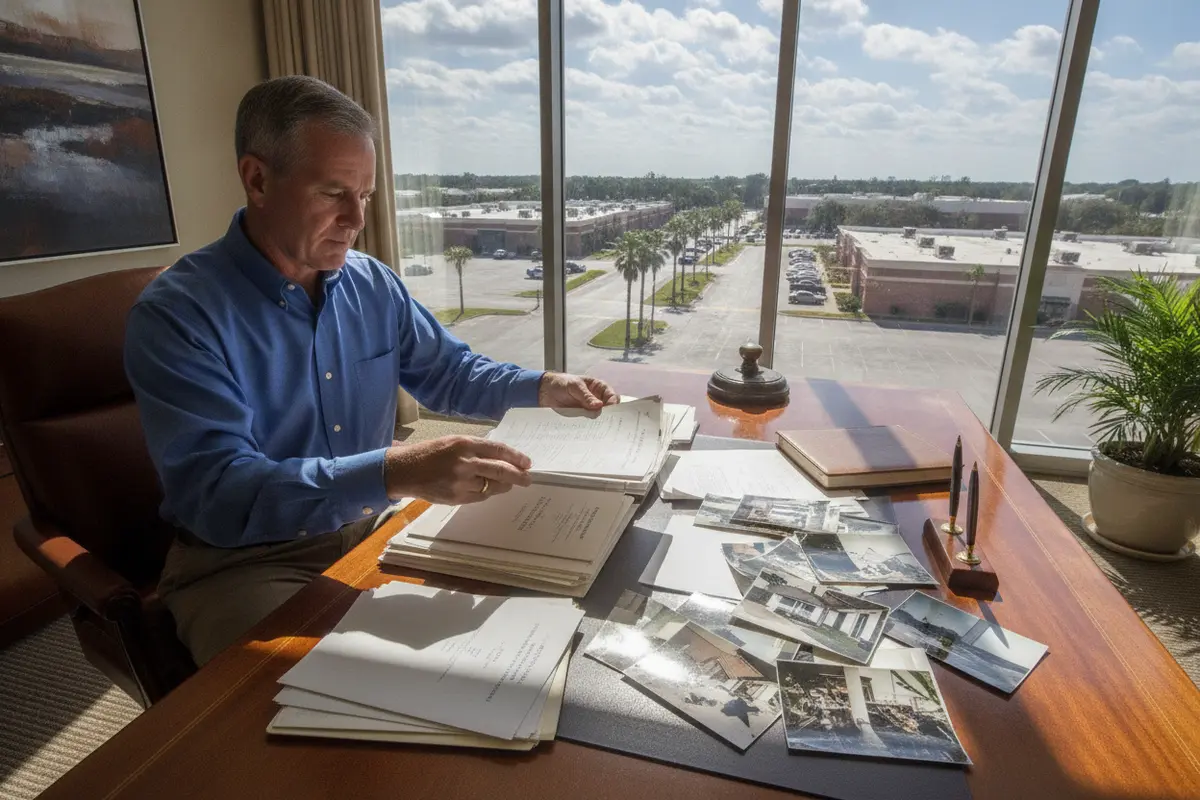
Keep a copy of everything you provide. Do not alter original photographs or documents. If urgent work is needed to protect people or prevent further damage, record the condition as reasonably possible and retain related receipts and reports. For guidance specific to a storm loss, Hoch’s storm damage claim resource discusses steps property owners may consider after a storm.
How can you assess the next step?
Start by stating the disagreement in one sentence. For example: “The insurer accepted some roof damage but did not include the interior damage we reported.” Then identify the documents that support each part of that statement and what response you have received. A clear issue statement helps distinguish a missing record from a deeper disagreement over policy terms or responsibility.
Next, compare the insurer’s explanation with the policy documents and your own records. Look for the exact policy language or factual basis cited in the decision. Avoid assuming that a policy summary, estimate, or verbal explanation includes every relevant term. Ask for clarification in writing when a position is not clear, and retain the response.
If the policy or claim materials identify an appraisal process, understand what issue it addresses before choosing that route. Appraisal is not automatically the right tool for every dispute, and its effect depends on the policy and the disagreement. Hoch Law Firm’s Texas appraisal dispute information explains the topic without replacing advice about a particular policy.
For a claim denial, the written explanation may help define what the insurer says is unresolved. Review whether the decision rests on a coverage position, the cause or extent of damage, missing information, or another stated reason. The distinction matters because different issues can call for different evidence and responses.
For example, if the written decision says the claimed damage is not covered, identify the policy terms it cites and preserve the full policy version that applied to the loss. If the dispute instead concerns how much damage occurred, compare the insurer’s inspection materials with your photographs and repair documentation. These are different questions, even when they arise from one event.
It can also help to separate confirmed facts from assumptions. Note what you personally observed, what a contractor or inspector reported, and what the insurer stated. If two reports conflict, keep both and record when each was prepared. A disagreement between documents may need explanation; it does not by itself establish which account is correct.
Before sending a response, check that it addresses the insurer’s stated reason and includes the records that support your position. Keep a copy of what you send, when you sent it, and any delivery confirmation. If the requested material is not available, state that rather than implying it exists. Written, organized communication can make it easier for everyone reviewing the file to understand the unresolved issue.
When reviewing policy documents, check that they relate to the correct property and policy period. A renewal packet may differ from the version in effect when the loss happened. Declarations pages can help identify listed limits and forms, but they are not a substitute for reading the applicable policy wording and endorsements. If you are unsure which version applies, flag that question rather than relying on a document from a different period.
For a commercial property, consider who is named on the policy and who has authority to discuss the claim. A property-owning entity, management company, tenant, and contractor may each hold different records or have separate roles. Identify the people involved and the documents each one has. Do not assume that one person’s account includes every relevant fact.
| Situation | Useful first review | Possible discussion with counsel |
|---|---|---|
| Written denial or limitation | Decision letter, cited policy terms, and claim materials | Whether the explanation matches the policy and documented facts |
| Disagreement about damage scope | Inspections, photographs, estimates, invoices, and repair records | What evidence supports the claimed damage and what remains contested |
| Unresolved claim communications | Timeline, requests, responses, and open questions | What follow-up or formal process may be appropriate |
| Possible appraisal issue | Policy provisions and the specific issue in dispute | Whether the policy process addresses that issue and what it does not decide |
| Concern about claim handling | Chronology and complete written communications | Whether the facts support a separate legal concern beyond the claim amount |
The table is a preparation aid, not a conclusion about rights or outcomes. Ask a lawyer to explain how the relevant policy and facts apply before making a decision with lasting consequences.
What can affect the choice of an insurance attorney?
Look for relevant experience with the kind of policy and dispute involved. A commercial property loss, for example, can raise different practical issues from a personal property claim. Ask whether the lawyer regularly handles insurance disputes, who will work on the matter, how communication will happen, what information is needed to evaluate the claim, and how fees are structured.
Also ask the lawyer to identify the limits of an early assessment. A short initial discussion may not establish what the full policy says or whether all evidence is available. A responsible review should distinguish what is known, what needs confirmation, and what options may depend on further investigation.
Hoch Law Firm is based in Fort Worth and represents policyholders in complex property insurance disputes. Its practice includes commercial property matters in Texas and Oklahoma. Learn more about Tim Hoch’s legal background, or review the firm’s hail damage claim information for an example of a specific property-loss topic.
For a business property loss, the potential effect on operations may also be part of the discussion. Keep records that show the property condition, repairs, expenses, and any business effects relevant to the claim. Do not assume that all consequential costs are covered; policy terms and evidence must be reviewed. The firm’s business interruption claim resource offers related information.
Where can Texas policyholders find official insurance information?
The Texas Department of Insurance is a state resource for insurance information and consumer assistance. Official agency material may help you understand where to direct general questions, but it does not replace legal advice about interpreting a policy, evaluating a claim record, or deciding how to respond to a dispute.
Keep your inquiry focused. Explain what happened, what the insurer has said in writing, what you believe remains unresolved, and what outcome or next step you are seeking. If you are contacting a lawyer, share the policy and key correspondence when requested. If you are contacting an agency, follow its current instructions and confirm that the issue fits its process.
Frequently Asked Questions
Can an attorney help if an insurance claim was denied?
An attorney can review the denial, relevant policy terms, and claim records, then explain possible options. Whether there is a basis to challenge the decision depends on the policy and facts; a denial by itself does not establish that the insurer acted improperly.
Should I speak with a lawyer before filing an insurance claim?
Many people first report a loss to the insurer and follow the policy’s claim instructions. If you are unsure how the policy applies, the dispute is substantial, or you receive a decision you do not understand, you can ask a lawyer to review the available information. Do not delay any required notice or action while waiting for general guidance.
What documents should I bring to an initial discussion?
Bring the policy if available, the decision letter, claim correspondence, estimates, inspection records, photographs, and a short timeline. If you do not have everything, identify the missing items instead of delaying the conversation solely to assemble a perfect file.
Does contacting an attorney mean I have to file a lawsuit?
No. A consultation can help you understand the dispute and possible next steps. The available options depend on the policy and facts, and litigation is only one possible path; no result can be promised in advance.
What if the dispute involves hail or storm damage to a business property?
Preserve relevant policy and claim documents, document the property condition as reasonably possible, and keep repair records. A lawyer can review the insurer’s position and explain what evidence or procedures may matter in that specific dispute.
Call Hoch Law Firm at 817-731-9703
Each insurance dispute turns on its policy terms, records, and circumstances, so obtain advice based on the specific claim before choosing a course of action.