When a commercial building has water intrusion, roof damage, or other problems after a storm, the cause may not be obvious. Weather damage vs construction defects insurance claims are not always separate issues: a storm can expose a weakness in design, materials, or installation, and the available coverage may depend on the policy language and evidence about what happened. Here is a practical way to sort out the questions before deciding what to do next.
Discuss a property insurance dispute
What is the difference between weather damage and a construction defect?
Weather damage describes harm associated with an event such as wind, hail, or heavy rain. A construction defect generally refers to a problem with how a building was designed, built, repaired, or maintained. These descriptions identify possible causes. By themselves, they do not decide whether an insurer must pay a claim or whether another party may be responsible.
For example, water may enter through a roof after a storm. The relevant questions can include whether wind or hail damaged the roof covering, whether a flashing detail was improperly installed, whether an older condition contributed, and when each condition arose. More than one factor may be involved. A policy may address some causes differently from others, and its exclusions, exceptions, conditions, and endorsements matter.
It also helps to separate two kinds of dispute. A property insurance claim asks what the policy covers and how the insurer evaluated the reported loss. A construction-related dispute may ask whether a contractor, designer, manufacturer, or another party had a duty and failed to meet it. One set of facts can raise both questions, but the legal standards, parties, deadlines, and evidence may differ.
Why can one building problem involve both?
A sudden weather event can damage a sound building, worsen an existing weakness, or reveal a condition that was already present. A defect can also make a building more vulnerable to a later event. The sequence and contribution of each cause may be disputed, especially when damage was not visible until water entered or repairs began.
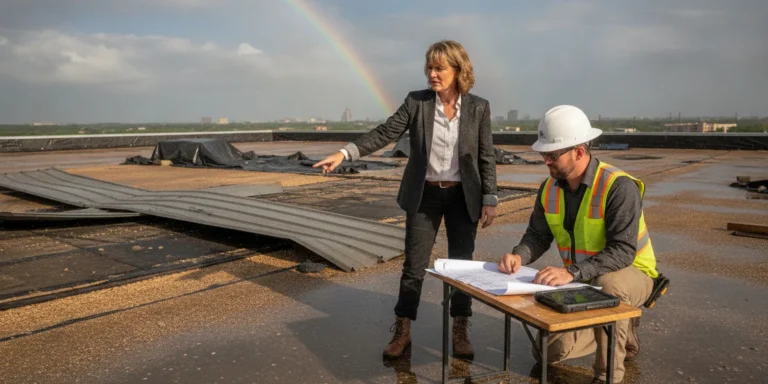
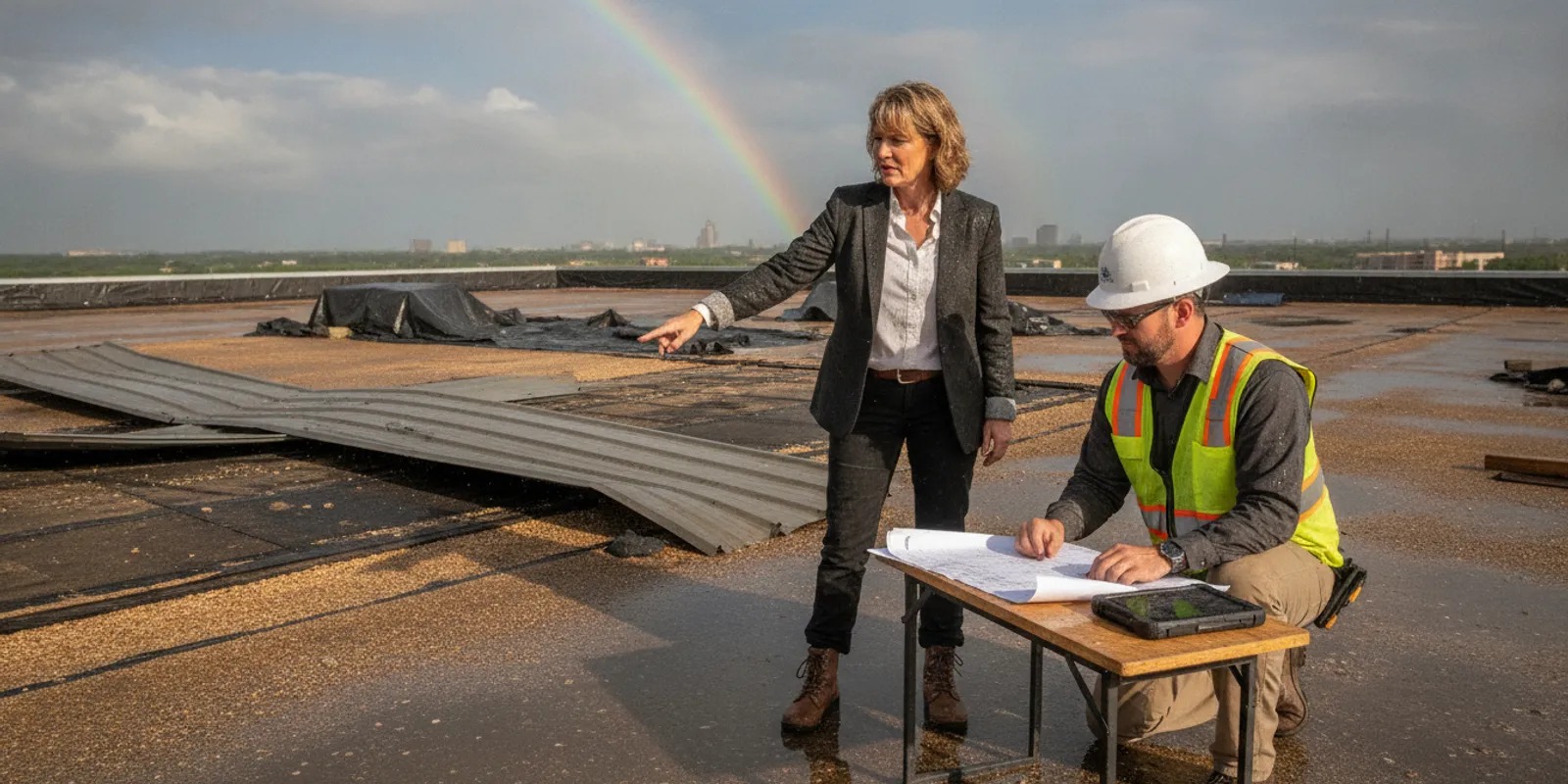
Consider a commercial roof with a leak discovered after hail and strong winds. A contractor might point to loose or poorly secured materials. The insurer might identify wear, prior repairs, or an installation issue. The owner may have maintenance records, earlier inspection photographs, or evidence of damage appearing after the storm. Those observations are a starting point, not a final coverage decision. A qualified inspection and a close review of the policy may be needed to assess competing explanations.
A label in an estimate or claim letter is not necessarily the whole story. Ask what specific area was inspected, what physical evidence supports the stated cause, and whether the reviewer considered other plausible causes. Avoid treating a contractor’s opinion, an insurer’s initial description, or the timing of discovery as conclusive without examining the underlying information.
What should an owner document first?
Preserve information that can help show the building’s condition before and after the reported event. Keep original files when possible and note who created each record and when. Useful materials may include:
- Photographs and video from before the event, immediately afterward, and during later inspections. Keep the original files and their dates where available.
- Inspection reports, maintenance logs, repair invoices, warranties, construction plans, specifications, and records of prior leaks or repairs.
- The complete insurance policy for the relevant period, including declarations, forms, endorsements, and renewal documents.
- Claim correspondence, estimates, inspection notes, photographs, requests for information, and records of conversations with the insurer.
- Contractor, engineer, or other inspection findings, along with the scope of the inspection and any limits on access or testing.
- A simple chronology showing when the weather occurred, when damage was found, what actions followed, and when each party was notified.
Take reasonable steps to prevent additional damage, while keeping a record of temporary measures and expenses. Before removing or discarding damaged materials, consider whether they may need to be inspected or documented. If urgent work is necessary to protect people or property, record the condition before work if it is safe, retain relevant materials when practical, and keep itemized invoices. Do not delay necessary safety measures just to preserve evidence.
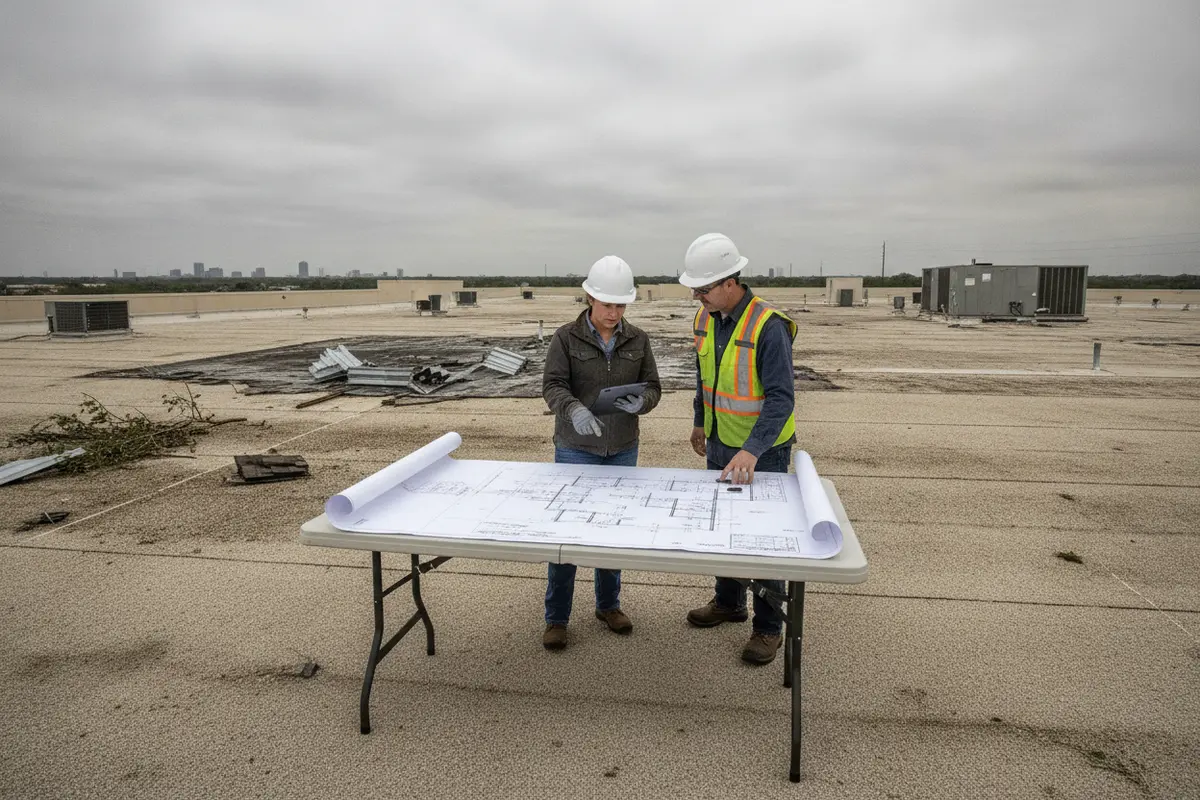
How can you compare the competing explanations?
Start with the location and physical pattern of the damage. Note whether the reported problems appear in one area or across multiple elevations, whether water entry aligns with a roof opening or building detail, and whether other parts of the property show similar conditions. These observations can guide questions for an inspector; they do not independently establish the cause.
Next, compare current observations with records from before the event. Earlier photographs or repair reports may show whether a condition existed already, while post-event images may help identify what changed. Look for gaps in the record as well as evidence that supports one explanation. A clear chronology can be especially useful when the date a problem was discovered differs from the date it began.
Then review the insurer’s explanation against the policy and the evidence. Identify the exact policy language cited, the areas or items the insurer evaluated, and any facts it says are missing. If an inspection report relies on a particular cause, ask what observations support that conclusion and whether it addresses other possible contributors. For questions about how valuation provisions work, avoid mixing that issue with the separate question of what caused the damage; the appraisal process and its role may be relevant to some disputes but does not answer every coverage question.
How should you organize the insurer’s response?
Make a working list of each part of the property at issue and the current position on it. For every location, record the reported condition, the explanation given by the insurer or inspector, the policy provision cited, and any supporting or conflicting evidence. Mark items that are paid, disputed, not inspected, or still awaiting information. This simple structure can expose whether the disagreement concerns cause, scope, valuation, a policy condition, or more than one of those questions.
Keep a separate chronology for notice and follow-up. Note when the event occurred, when damage was discovered, when the claim was reported, when inspections took place, and when documents or decisions arrived. Save complete copies of letters and emails, including attachments. If you speak by phone, record the date, the person’s name if known, the topic, and any requested next step. Written follow-up can help avoid confusion about what information was provided or promised.
When sending additional material, identify what it is and why it matters rather than sending an unorganized bundle. For instance, explain that a dated pre-event roof inspection relates to the prior condition of a specific area, or that an invoice documents temporary work undertaken to prevent further water entry. Keep copies of what you submit and note the delivery date. Respond to reasonable requests, but ask for clarification when a request is unclear or seems unrelated to the remaining issue.
Texas policy terms and claim circumstances vary. The Texas Department of Insurance explains that some homeowners claim payments may be issued in more than one check, with amounts affected by depreciation and the deductible. That example is not a rule for every commercial policy or every loss, so check the terms that apply to the property. Review the Texas Department of Insurance storm-claim guidance. United Policyholders also notes that storm claim payments depend on policy details; its information should likewise be read alongside the actual policy. Read its Texas storm claim discussion.
What does a comparison of the issues look like?
| Question | Weather-related damage inquiry | Construction-related inquiry |
|---|---|---|
| What is being examined? | Whether a reported weather event caused covered physical damage under the applicable policy. | Whether a design, material, construction, repair, or maintenance issue contributed to the condition. |
| What records may help? | Policy forms, claim file, event and damage photographs, inspection findings, repair estimates, and notice records. | Plans, specifications, contracts, warranties, work records, prior inspections, and expert evaluation. |
| What is a useful next step? | Compare the insurer’s explanation with the policy language and evidence for each damaged area. | Identify the work or condition at issue, preserve related records, and obtain an appropriately scoped assessment. |
| What can complicate the analysis? | Multiple causes, prior damage, policy exclusions or limitations, valuation disputes, or an incomplete investigation. | Unclear project history, later repairs, concealed conditions, disputed responsibility, or applicable contractual and legal deadlines. |
The table is a starting framework, not a coverage checklist that guarantees an outcome. A single file may require both columns, and additional legal or technical questions can arise. For a wind or hail loss, the firm’s pages on storm damage claims and hail damage claims provide related information. A separate business litigation review may be relevant when the dispute concerns a business relationship or work performed, rather than policy coverage alone.
What deadlines and notice issues deserve attention?
Do not assume that the date a leak became visible is the only date that matters, or that all deadlines start at the same time. A policy may contain requirements for prompt notice, cooperation, documentation, or other steps. A contract or applicable law may set separate time limits for a dispute involving construction work. The dates and rules can depend on the policy, parties, facts, and governing law, so avoid relying on a general online summary to calculate a deadline for a specific claim.
Make a list of any dates stated in claim letters, policy provisions, contracts, or legal notices. Keep the full document that contains each date, rather than copying a date without its context. If an insurer asks for a recorded statement, examination, documents, or access to the property, note the request and any response deadline. If the owner believes a contractor or designer may be involved, preserve the relevant agreements and communications and seek timely guidance about notice and preservation duties.
There can be practical tension between investigating the damage, keeping a building in use, and preserving evidence. A property manager may need to arrange safe access, protect tenants or employees, and prevent further loss while the cause remains disputed. Document those decisions and retain records of the work. Early organization can help the owner explain both why action was necessary and what evidence was available before conditions changed.
What should you ask before more repairs or testing?
Before authorizing extensive work or destructive testing, clarify what the proposed work will examine, who will perform it, what it may disturb, and how findings will be recorded. Depending on urgency and the circumstances, it may be sensible to notify relevant parties and provide a reasonable opportunity to inspect. There is no single procedure that fits every policy or dispute, so review applicable notice requirements and get advice about a particular situation.
Ask the professional to distinguish direct observations from conclusions. A useful report can identify the inspected areas, methods used, photographs taken, materials sampled, and limits of the evaluation. If the report addresses causation, it should explain the factual basis for its opinion and acknowledge relevant competing evidence. Keep versions of reports and communications so later reviewers can understand how conclusions changed.
Do not assume that every defect allegation belongs in an insurance claim, or that every weather-related condition is excluded as a construction issue. Policy wording, facts, and applicable law control. A repair contractor can help identify and address a building problem, but the contractor’s role is different from an insurer’s coverage analysis or a lawyer’s legal assessment.
When may legal review help?
Consider a legal review when the insurer’s position appears inconsistent with the policy or the available evidence, when significant areas of damage remain unresolved, or when a construction-related issue creates a separate dispute about responsibility. A lawyer can review the claim communications and policy terms, identify unanswered questions, and help assess whether more documentation or expert input may be useful. The appropriate next step depends on the facts; no result can be promised.
For a property claim disagreement, see information about insurance bad-faith disputes and steps involved in evaluating a potential claim. These pages are general resources, not a conclusion that a particular insurer acted improperly. A timely, well-organized file makes it easier to discuss the actual decision and the basis for it.
Contact Hoch Law Firm about a claim dispute
Frequently Asked Questions
Does finding a construction defect mean the insurer can deny the whole claim?
Not automatically. The policy language and evidence about the cause and extent of damage matter. A finding about one condition may not resolve whether other damage resulted from a covered event, so review the insurer’s explanation area by area.
Can weather trigger damage that started with a construction problem?
It may be possible for a later event to expose or worsen an earlier condition. Determining what occurred in a particular building requires evidence about its prior condition, the event, and the resulting damage, as well as review of the policy and applicable law.
Should I repair the property before the insurer reinspects it?
Protect people and prevent additional damage when needed, and document conditions before work when it is safe and practical. Review the policy and communications for inspection or notice requirements. For non-urgent work that could remove evidence, ask about coordinating an inspection before proceeding.
Does an engineer’s report decide whether the policy covers the loss?
An expert report can offer technical observations or opinions, but coverage depends on the policy and the facts as a whole. The report is one part of the record, and its scope, methods, assumptions, and supporting evidence may matter.
What records should I bring to a claim review?
Bring the policy, claim letters, estimates, photographs, inspection reports, maintenance and repair history, and a timeline of events. If construction or repair work is at issue, include available plans, contracts, invoices, warranties, and communications about the work.
Weather-related damage and construction conditions can overlap, but careful documentation and a policy-specific review can help clarify which questions remain and what steps may make sense next.