A bicycle crash can leave you managing medical care, missed work, damaged equipment, and questions about responsibility. If you are looking for a bicycle accident lawyer Texas residents can consult, begin with your health and a clear record of what happened. Evidence may change quickly, and insurance questions can arise before you know the full extent of an injury.
Call to discuss your bicycle accident
What should you do first after a bicycle crash in Texas?
Get urgent medical attention for serious, worsening, or concerning symptoms. Even when an injury seems manageable, a clinician can assess it and advise you about follow-up. Tell the provider what happened and describe symptoms accurately. Keep visit summaries, referrals, instructions, and bills together.
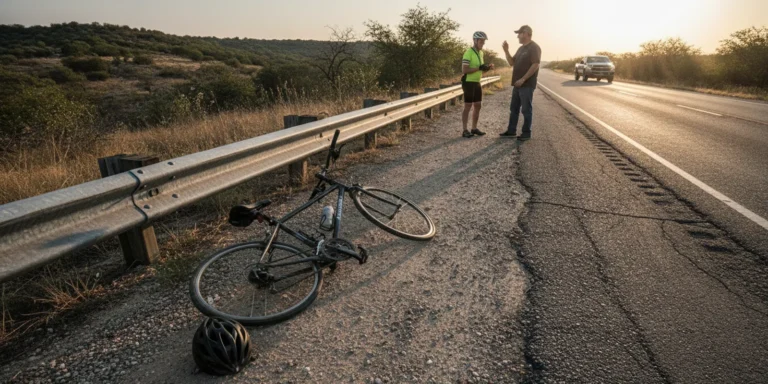
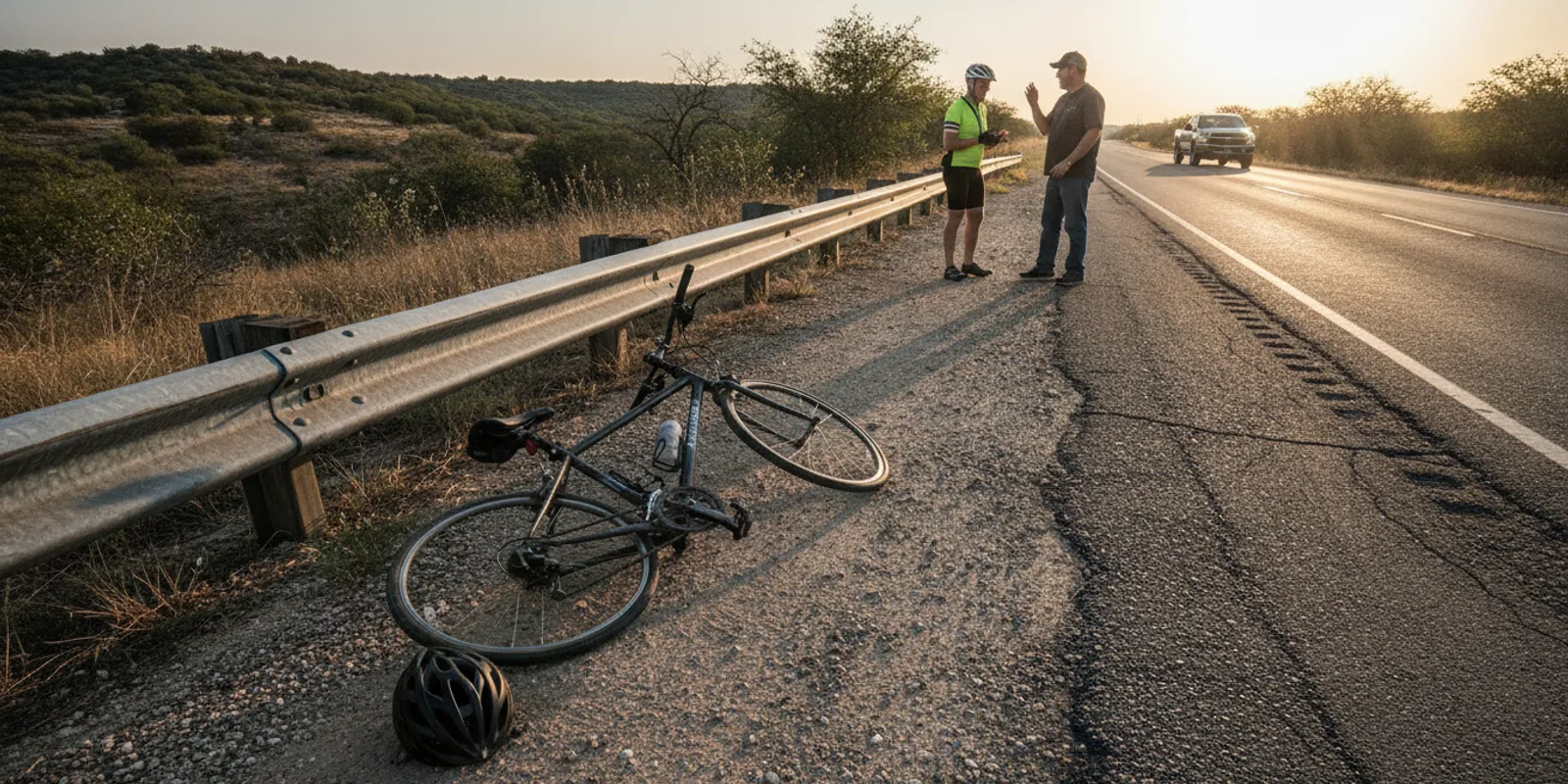
If you are still at the scene, prioritize safety. Move away from traffic if you can do so safely, and ask someone to contact emergency services when needed. Do not risk another injury to photograph the roadway or retrieve equipment. Once safe, write down the date, approximate time, exact location, direction of travel, weather, lighting, and what you remember about the moments before impact.
- Get names and contact details for witnesses, if they are willing to provide them.
- Record the other road user’s identifying and insurance information when available.
- Ask how to obtain any incident or crash report and note its reference number.
- Photograph the bicycle, helmet, clothing, visible injuries, roadway, signs, signals, and any vehicle damage, if safe.
- Save original images and messages; make a separate copy for working or sharing.
A report is one source of information, not necessarily the final answer about how a crash happened. It may contain useful observations, while other evidence can add context or differ from an early account. Keep a copy of the report request and update your file when the document arrives.
How can you preserve evidence before it disappears?
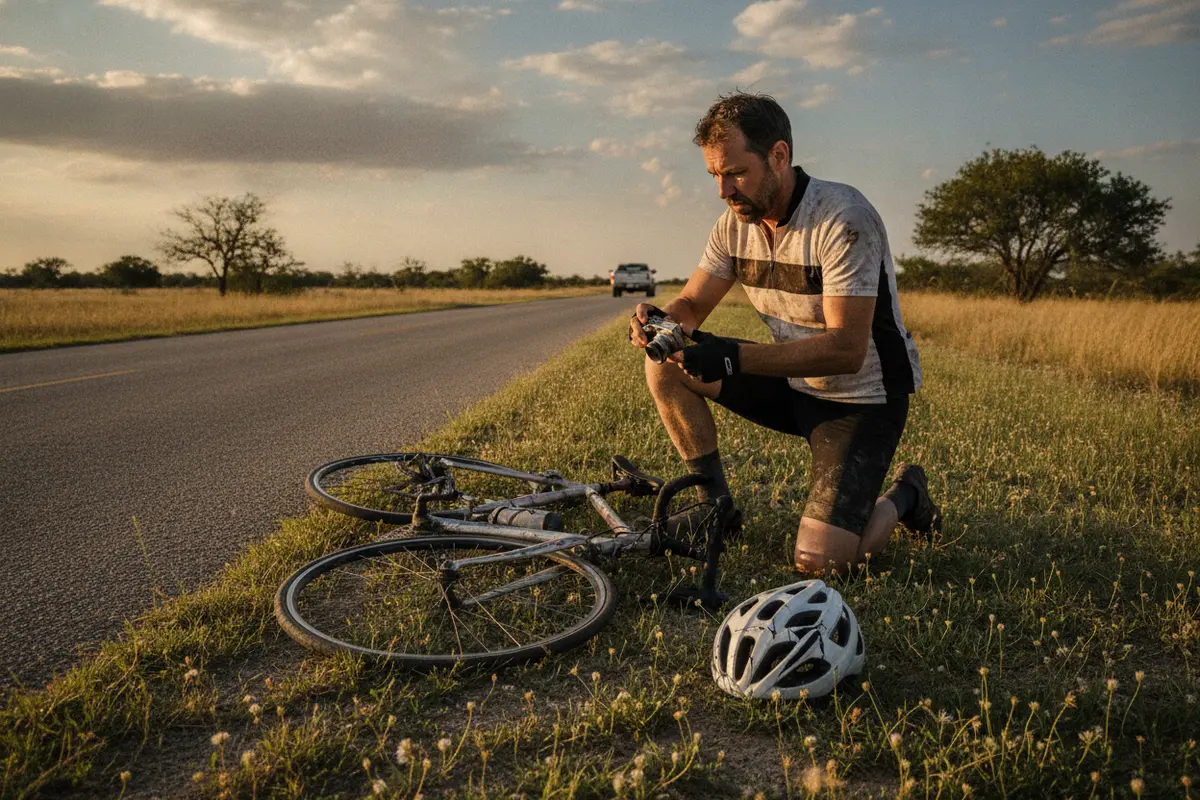
Evidence can be physical, digital, or personal. A damaged bicycle, helmet, or clothing may help show where and how an impact occurred. Store those items safely and avoid discarding or repairing them until you have photographed their condition and considered whether anyone needs to inspect them. If a repair is necessary for safety, photograph it first, retain removed parts when practical, and keep the estimate and invoice.
Scenes also change. Temporary construction, debris, weather, lighting, and traffic controls may look different days later. Take wide photographs that show the setting as well as close views of relevant details. Note where each image was taken and what it depicts. Do not alter original files or add assumptions to their descriptions.
Nearby cameras may capture only a short time window, and some systems overwrite recordings. If a business, residence, or public facility may have relevant footage, record its location and promptly ask how a preservation request should be directed. Do not assume a camera recorded the event or that a recording will be provided automatically.
Keep an event log while your memory is fresh. Separate what you personally saw from what another person told you. If unsure about a detail, mark it uncertain rather than filling the gap with a guess. This makes it easier to explain later why accounts or estimates may differ.
What information may help explain responsibility?
Responsibility depends on the circumstances, not simply on whether someone was cycling or driving. Relevant questions may include each person’s direction and position, turns or lane changes, traffic controls, visibility, road surface, and whether an obstruction or hazard affected movement. Applicable rules should be evaluated against the actual evidence.
For example, a rider may remember traveling straight through an intersection, while a witness recalls a turning movement. The useful next step is not to choose the most favorable version. Preserve the witness’s contact information, identify any photographs or footage, and note what each account actually says. A difference may matter, but it does not by itself resolve fault.
Texas law is available through the Texas Legislature’s official statutes website. A statute or general road rule does not answer every factual question in a particular collision. Conditions at the location and each person’s conduct still matter.
If you believe a road defect, construction condition, or blocked sightline contributed, document what you observed and when. Record whether the condition was temporary, whether it was later repaired, and who may control the location if known. Do not assume a public entity or property owner is responsible merely because the crash occurred near its property.
How should you organize injury and expense records?
Use one folder, digital or paper, for records related to the incident. A dated timeline can help compare symptoms, treatment, work disruption, and insurer communications. Keep it factual and brief. Note appointments attended, recommendations received, and questions you still need to ask your provider.
- Medical information: visit summaries, referrals, prescriptions, bills, and explanations of benefits.
- Work information: dates missed, schedule changes, and documents showing lost time or reduced duties.
- Daily effects: specific activities that became difficult and when you noticed the limitation.
- Property loss: photographs, repair estimates, receipts, and records for damaged equipment.
Describe what you experience without exaggerating or minimizing it. Do not diagnose yourself or predict when an injury will resolve. If your condition changes, tell your healthcare provider and update your notes. A record is most useful when it reflects what happened at the time rather than a reconstruction made much later.
Costs may not all be known immediately. Keep the original bill and any later adjustment, payment, or insurance explanation together. A simple list can identify the provider, date, billed amount, amount paid if known, and any balance or question. Avoid treating an estimate as a final charge or assuming a pending claim will cover a particular expense.

Make the file usable, not just complete
Create folders named for the date or topic, such as scene photographs, treatment, work, bicycle, and insurance. Use filenames that show when and what an image depicts, without changing the original image. Keep a separate contact list for witnesses, providers, and claim representatives, noting how and when you spoke.
For example, if a repair estimate arrives before the bicycle has been inspected, save it as an estimate rather than recording it as a final cost. If a later invoice differs, retain both and add a note explaining when the work occurred. This simple sequence preserves the history instead of leaving an unexplained number in the file.
Which issues should you compare as a claim develops?
The table is an organizing aid, not a conclusion about coverage, fault, or claim value. What you need depends on the facts and the policies involved. Review it periodically: a new record may answer a question or reveal what remains missing.
| Issue | Information to collect | Practical action |
|---|---|---|
| Crash circumstances | Location, direction, signals, witness accounts, photographs, report details | Keep original records and identify gaps or conflicting accounts |
| Injury and treatment | Visit summaries, recommendations, referrals, bills, symptom timeline | Follow medical guidance and save each updated record |
| Time away from work | Dates missed, schedule, work changes, available employer records | Track dates and retain documents that explain the change |
| Bicycle and equipment | Damage photographs, purchase information, repair estimates, receipts | Document before repair and retain relevant parts when practical |
| Insurance communications | Claim number, letters, forms, requests, call notes, deadlines | Keep copies and note the date each request or notice arrives |
Use the comparison to identify the next task
Suppose the report lists a witness but no contact details, while your own notes identify the nearby shop where the person stopped. Your next task is to locate the report reference and ask whether contact information can be obtained, not to assume the witness will support either account. If the estimate, bill, and payment record do not match, place them together and note what each document represents.
Likewise, if a treatment record shows a follow-up recommendation but your calendar does not show an appointment, ask the provider’s office about the scheduling step. The point is not to build a perfect file in one sitting. It is to turn uncertainty into a specific question and then keep the answer with the record it explains.
How should you handle insurance questions?
Keep communications organized and answer questions accurately. You may be able to provide basic identifying and incident information, but avoid guessing about speed, distance, timing, fault, or medical causes if you do not know. If you later discover a detail was inaccurate, correct it rather than repeating it.
After each call, record the date, representative’s name, claim number, and topics discussed. Save emails, letters, text messages, and forms. Keep notices with their envelopes when delivery dates may matter. If a request is unclear, ask what information is sought and when a response is due; do not ignore it while collecting records.
Be careful with broad authorizations and releases. Before signing, understand what information or claims the document covers and whether it could limit future options. The effect depends on its wording and circumstances. Consider asking a lawyer to review a document you do not understand, especially if treatment is continuing or important facts remain unresolved.
Do not assume an informal discussion pauses a legal deadline. Deadlines can depend on the type of claim, parties, and other circumstances. If time may be an issue, seek advice promptly rather than relying on an insurer’s schedule or an unconfirmed estimate of a filing period.
A practical call-and-letter routine
Before a call, write down the claim number and the question you need answered. During it, take brief notes rather than trying to preserve every word. Afterward, send or save a dated note summarizing what you understood, including any requested document and due date. If the representative gives a deadline, record it and ask what event or document it concerns.
When a letter arrives, note the date received, the response requested, and any attachments. Put the response date on a calendar with a reminder several days earlier. If you cannot meet it because records are pending, contact the sender before the date and ask what process applies. Keep a copy of the request and your response together.
When may a bicycle accident lawyer in Texas help?
Legal review may be useful if injuries are serious, accounts conflict, multiple people or policies may be involved, a release arrives, or an insurer disputes important facts. A lawyer can review available records, explain issues that may need investigation, and discuss possible next steps. Whether a firm can accept a matter depends on its review and the particular facts.
Hoch Law Firm handles selective personal injury matters, including catastrophic injuries. Its personal injury information describes the firm’s injury practice, and its page on serious injury claims offers related context. Learn more about attorney Tim Hoch on the attorney biography. These pages provide background, not a promise that a particular matter will be accepted or result in a specific outcome.
To make an initial conversation more useful, prepare a short account of what happened and list what remains uncertain. Bring the incident date and location, report information if available, photographs, insurance letters, and a basic treatment timeline. You do not need every document or a polished chronology. Mention any upcoming appointment, response date, or document you have been asked to sign.
Hoch Law Firm handles only a select few cases at a time. A review may identify missing records or questions that need answers, but it cannot replace medical advice or guarantee a result. You can also review the firm’s practice areas to see the broader types of matters it handles.
Frequently Asked Questions
Do I need a crash report before speaking with a lawyer?
No. You can explain what you know and say that you have requested the report or do not know whether one is available. Share its reference number if you have it, and provide a copy later if you receive it.
Should I repair the bicycle before documenting it?
Photograph the bicycle and its damage first when safe and practical. Keep estimates and receipts. If a repair is necessary for safe transportation, retain replaced parts when practical and note what work was done and when.
What if I may have contributed to the crash?
Do not decide the legal effect based only on an early impression or an insurer’s initial description. Give an accurate account, preserve relevant evidence, and seek advice if responsibility is disputed. The effect of any person’s conduct depends on the facts and applicable law.
What should I bring to an initial legal discussion?
Bring what is readily available: a brief timeline, report information, photographs, insurance correspondence, and treatment or expense records. Identify questions you need answered, such as a pending deadline or the scope of a requested release. Missing documents can often be identified afterward.
Request a conversation with Hoch Law Firm
A careful record of the crash, your care, and claim communications can help you understand what remains uncertain and choose an informed next step.