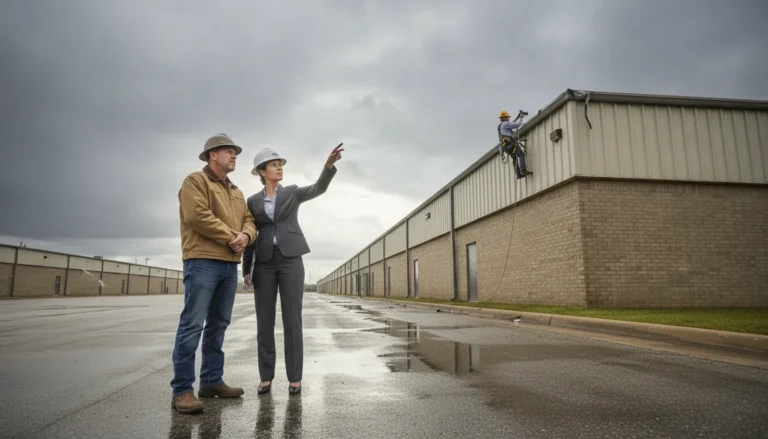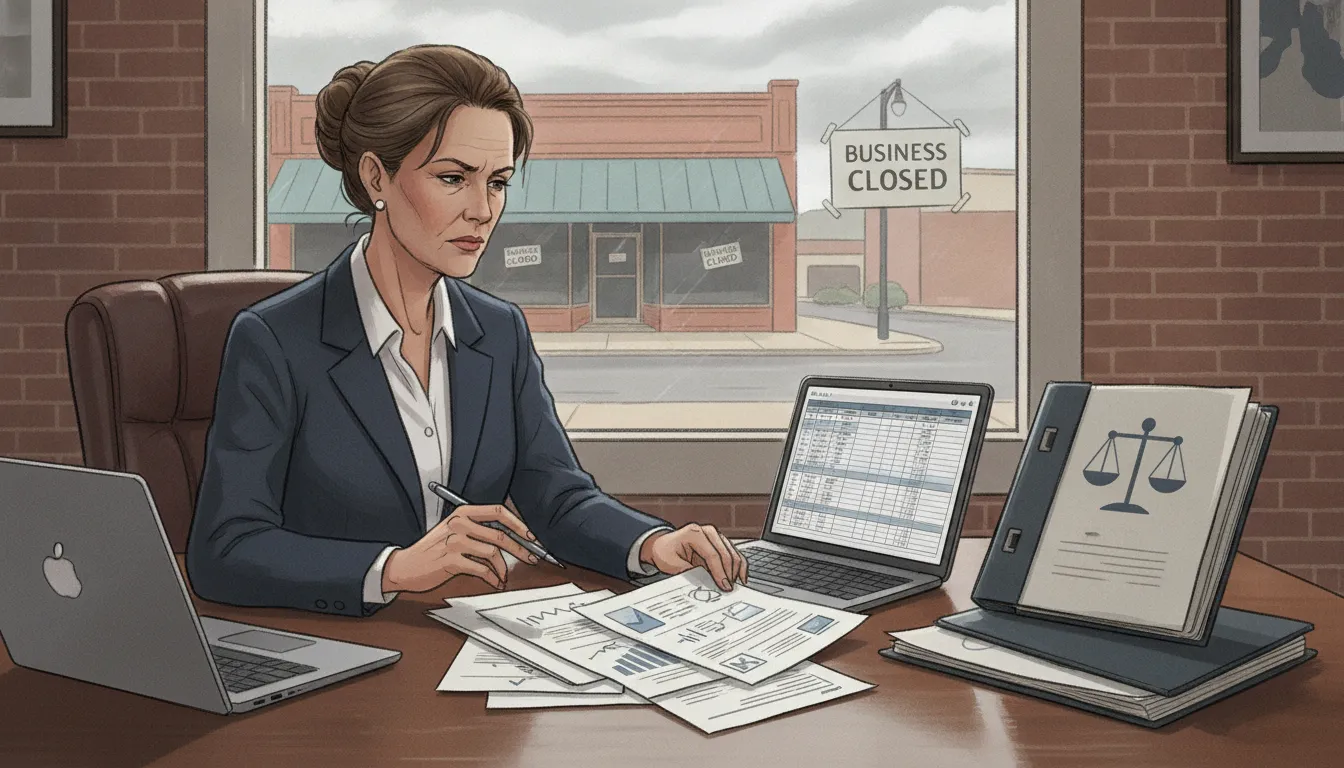
A single storm or fire in Texas can stop your cash flow and threaten your business’s future. Insurance companies often prioritize their own profits over your recovery by undervaluing your interruption losses. Protecting your livelihood requires aggressive representation from a firm that knows how insurers operate.
A business interruption claim lawyer helps Texas business owners get the money they need after a fire, storm, or other disaster stops their daily work and cash flow. These attorneys look at complex insurance policies to find ways to cover lost profits, fixed costs, and extra expenses while your business stays closed during a long recovery. Legal experts show that courts have seen many more lawsuits over how these policies work since 2020 as carriers try to avoid paying full claim values to clients. An expert lawyer makes sure you record losses the right way, stops insurance firms from using confusing words, and fights to get you every dollar you are owed.
Understanding your policy is the first step toward getting the payout your company needs to survive. We will look at the specific items that your carrier should pay for in the next section, What business interruption insurance may cover. These details help you build a stronger case as the process begins.
What business interruption insurance may cover
Business interruption insurance helps companies stay afloat when a disaster forces them to close. This coverage is often an optional part of a commercial property policy. It aims to replace the money your business would have made if it had stayed open. Because every policy is different, you must check your specific plan to see what is included.
Lost income and operating costs
The main goal of this insurance is to cover lost net income. It also helps pay for costs that do not stop when your doors close. This includes rent, utility bills, and loan payments. If you have to move to a new spot, it may cover those extra costs too. A business interruption claim lawyer can help you calculate these losses to ensure you get a fair payout.
Payroll is another big part of these claims. You may need to keep paying key workers to make sure they do not leave for other jobs. Some policies also cover loss of rents if you own a building and lose rental income from tenants. This helps you maintain your cash flow during a long repair period.
Triggers and limits for coverage
Most policies only start if there is direct physical damage to your property. Common causes are fires, wind, or floods. If a storm hits your roof and you must close for a month, your policy should kick in. But if a virus or slow economy shuts you down, you might face a denial. Carriers often use fine print to avoid paying for these types of losses.
| Coverage Type | What It Typically Pays | Common Trigger |
|---|---|---|
| Lost Profits | Net income based on past records | Physical damage to shop or office. |
| Fixed Expenses | Rent, utilities, and debt payments | Forced closure from a covered peril. |
| Extra Expense | Costs to move or set up a new site | Need to resume work quickly. |
| Payroll | Wages for staff during a shutdown | Intent to keep staff on the books. |
| Civil Authority | Losses due to government orders | Nearby damage blocking access. |
Understanding policy extensions
Some plans have extra parts called extensions. For example, civil authority coverage may help if the government blocks access to your street after a fire next door. You do not need damage to your own walls for this to work. You should review your commercial property insurance policy to see if these useful add-ons are in your plan.
Why business interruption claims become disputed
Insurance firms often put their own profits first over your business life. When you file a claim for lost income, the firm may look for any reason to pay less. These fights can delay your fix and put your company at risk. A business interruption claim lawyer in Fort Worth can help protect your business. Tim Hoch knows how firms operate because he is both a trial lawyer and a business owner. Knowing why these fights happen helps you prepare for the road ahead.
Failure to show direct physical loss
Most business insurance plans need a trigger for coverage. This trigger is usually a “direct physical loss or damage” to the property. For example, a fire that burns your building or a flood that ruins your gear counts as physical damage. If your business stops because of a power outage or a closed road, the firm may argue that no physical loss occurred. They often use a narrow view of the law to avoid paying for your losses.
The California Department of Insurance notes that coverage mostly starts only if physical damage leads to the stop in work. Many owners face denials because they cannot prove their property was harmed. This is a common hurdle in Texas, where storm damage or system failures often lead to shutdowns. A business interruption claim lawyer can help you show how physical damage caused your loss of sales.
Disputes over the loss of income
Even when the firm agrees that the event is covered, you may still fight on the value. Firms use complex math to decide how much money you lost. They look at your past earnings and try to guess what you would have made if the damage never happened. This work is rarely simple and leads to many fights.
Your firm might claim that your business was already moving down before the loss. They may also argue about the time it takes to repair your building. This is often called the “period of restoration.” If the firm thinks you took too long to reopen, they may stop paying before you are ready. If you fight their math, you need a strong case based on real money records. Working with an expert helps you fight for the full amount you are owed under your policy.
Exclusions and record errors
Many policies have specific rules about what they do not cover. These are called exclusions. For instance, many business plans do not cover losses from viruses or bacteria. If your business closed due to a health order, the firm might point to these exclusions to deny your claim. They may also claim that the cause of the loss was not a “covered peril” under your plan.
Also, small errors in your files can cause big delays. You must track every cost and every dollar of lost sales. If you lack clear proof, the firm will likely underpay you. This includes missing tax forms, payroll logs, or receipts for extra costs. Getting legal guidance for your business interruption claim ensures that your files are in order before you submit them. Clear records make it much harder for the firm to reject your case.
How to protect a business interruption claim
Protecting your claim starts the moment your Texas business stops. When a fire, storm, or flood hits, you must act fast to save your rights. Most policies in Texas need you to show a direct physical loss to your property to start your claim. If you wait too long or fail to track your costs, you might lose the pay you need to survive.
Initial steps for owners
Your first goal is to stop more loss. If your roof leaks, fix it fast. If a pipe bursts, turn off the water. Your insurer wants to see that you did your part to save the building. After you secure the site, you need to tell your carrier about the loss. Do not wait for a full count of your lost income. Tell them at once that a loss has occurred so they can start the file.
- Prevent more damage to the site. Take photos of everything before and after you make small fixes to keep the building safe.
- Tell your insurance carrier about the loss. Call them at once so they can give you a claim number and start the process.
- Get a full copy of your insurance policy. Do not just look at the summary page. Read the full text to see what is covered and what is not.
- Create a timeline of the event. Write down when the damage happened and when you had to close your doors to the public.
- Keep every receipt for extra costs. This includes things like rent for a new space, clean-up fees, or costs to move your stock.
- Avoid giving the insurer rough guesses on your losses. Wait until you have real data from your books before you give them a final number.
Exact financial tracking
Proof is the most vital part of your case. You must show how much money your business would have made if the loss never happened. Insurers often try to use low numbers to pay out less. They may claim that your business was already on a downward trend. This has led to a surge in court cases as owners fight for fair pay. You should keep your claim records separate from your daily books. Use a new file or code in your system to track every cent spent due to the loss. This makes it easy to show the carrier what you are owed. If your books are a mess, the insurer will likely deny or cut your pay. Small errors in your math can lead to a big loss in your final check.
Expert legal guidance
Insurance carriers focus on their own profits. They do not work for you. When a claim is big, they often use complex rules to limit what they pay. This is when a business interruption claim lawyer can help you fight back. An expert can read your policy to find paths to pay that you might miss. They know how to counter the low-ball offers that many firms get at the start. In Texas, law has strict rules for how firms must pay claims. If they treat you poorly, you may have the right to seek more than just your lost sales. Working with an attorney ensures that you do not miss any key dates or filings. Your lawyer will handle the talk with the carrier so you can focus on getting your business back on its feet.
How lost income and extra expense are documented
To get a fair payout, you must show what your business would have earned. This is not just a look at your bank balance. You need to gather tax returns, profit and loss reports, and sales records. A business interruption claim lawyer can help you organize these files. They look at your past sales to find a start point for your income.
Proof of money loss
It is also vital to track busy times of the year. If your shop makes most of its money in the summer, last winter’s sales do not show the full loss. You must prove that your income would have been higher during the time you were closed. Solid proof of loss is the best way to back up your claim.
You should also look at how your business was growing before the loss. If your sales were going up each month, your claim should show that trend. Insurers often try to use low means to save money. A lawyer will fight to make sure the math is right for your firm.
Some costs may stop when your doors close. These are called saved costs. They might include power bills or shipping fees that you did not have to pay. Your insurance company will take these out of your final claim. It is key to be clear about these saved costs so there are no shocks later.
Tracking extra costs
Sometimes you must spend more money just to keep working. These are called extra costs. They might include renting a new space or paying staff to work over time. You should keep every receipt and bill for these costs. Some lost income policies cover these if they help you lose less money in the end.
Payroll is another big factor. You may need to keep paying key staff while your main site is shut down. An insurance company might try to limit what they pay for these costs. You should check your policy limits to see what is covered. This helps ensure you get the funds needed to stay in business.
Taking steps to lower your loss is vital. You have a duty to try and keep your business running if you can. This might mean setting up a shop at a new site. While this costs money, it shows you are trying to cut the total loss. This can help your case when it comes time for the insurer to pay.
The use of expert help
Proving a loss often takes more than just adding up numbers. You may need to show how market trends would have helped your growth. Experts can look at your field to guess what you missed. They use data to show that your business was on track to do well.
A lawyer can bring in money pros to help. These experts find hidden losses that an insurance agent might miss. They also help you deal with hard policy terms. With the right legal help, you can build a strong case for the full value of your claim.
When should you call a business interruption claim lawyer?
Filing an insurance claim for lost income can be hard for any firm. You should call a business interruption claim lawyer if your insurer says your loss is less than it is. These claims often turn on the exact words in your policy. For example, the plan may require “direct physical loss or damage” to the property. Since each policy is unique, a lawyer must check your limits and rules to see what is covered.
What a lawyer does for your claim
A lawyer looks at your files to show the full scale of your shutdown. They work to prove how the damage caused your loss of income. Your lawyer will also talk to the insurance firm for you. This lets you run your business while they fight for a fair check. If the insurer will not pay what they owe, a trial lawyer can take the case to court.
Insurance firms often look for ways to pay as little as they can. Data from the California Department of Insurance shows that most plans do not cover loss from a virus or germ. A lawyer helps you use these rules so you do not lose out on money you need. You can get a free case review to see if your plan covers your loss.
Benefits of expert legal help
Working with a firm that only helps people and not insurers keeps your goals first. You should find a lawyer with trial skill who is ready to go to court. At Hoch Law Firm, you work directly with an attorney who knows how a closed shop hurts your cash flow. This one-on-one care helps you get fast answers about your case.
Most business interruption lawyers use a contingent-fee model. This means you do not pay any legal fees unless the lawyer gets money for you. This helps owners get great legal help without a big cost at the start. It is best to speak with a lawyer as soon as you think your claim might be low or denied.
Mistakes that can weaken a business interruption claim
Filing a claim for lost income after a fire or storm is a hard task. Insurance firms often look for any reason to pay less. Even a small slip can lead to a denial or a tiny check. You must be careful with every step you take. This helps you protect the money your Texas firm needs to survive.
Problems with records and statements
Many owners make errors early in the process. One big mistake is giving a recorded statement to the insurer without help. You might say something that the firm uses to cut your pay. It is also a bad move to throw away old records like receipts or logs. You must keep every piece of paper that shows your income and costs.
Insurance firms need proof that your loss came from a covered event. Most policies only pay if there is direct physical property damage to your shop. If you do not have good records, you cannot prove this link. You should save all mail and notes from your insurer to stay ready.
Issues with timing and values
Another common trap is failing to keep your costs apart. You must keep repair bills in a different file than your income logs. If these costs get mixed up, the firm may get confused. This often leads to a long wait for your cash. You should get legal guidance for your business interruption claim before you send in your files.
Waiting too long to file is a major risk. Texas policies have strict rules about when you must report a loss. If you miss a date, you may lose your right to any money at all. You should start the process as soon as you see the damage. This gives you more time to find a business interruption claim lawyer to read your policy.
You should also avoid taking a low offer. Firms often use their own math to decide what your firm is worth. Their goal is to save their firm money, not to help yours. If you take the first offer without checking the math, you might get much less than you need. A full look at your tax logs can show the true loss.
Risks in the final steps
Signing a release is another dangerous move. Some owners sign these forms just to get a fast check. But these papers often mean you cannot ask for more cash later. You should never sign anything you do not fully understand. If you have any doubts, talk to a lawyer first.
Each policy has different limits and rules that change how much you can get back. A mistake in reading these rules can cost your firm thousands of dollars. You must know your rights as a policyholder in Texas. Being careful will give you the best chance of a fair win.
What happens when the insurer will not pay fairly?
When an insurance company denies a claim or offers a low payment, the dispute process starts. Many policyholders find that their initial legal guidance for your business interruption claim is not enough to move the carrier toward a fair result. You must then look at your policy words and the facts of your loss to find the best path forward.
Review your policy and claim file
The first step in any dispute is to read your full insurance policy. Each policy is different. It carries its own set of rules, limits, and exclusions. For example, most commercial policies have clear parts about what counts as a loss. You need to check for words about direct physical loss. This often triggers your coverage.
You also need to look at your claim file. This file shows how the insurer saw your loss and why they made their choice. To work with a business interruption claim lawyer helps you spot errors in the carrier’s math or logic. Finding these gaps early is key to preparing for a formal challenge.
Negotiation and formal disputes
If simple talks do not work, you may need to enter formal talks. This stage involves showing the insurer new proof, such as money records or damage reports. Since insurance lawsuits have climbed since 2020, carriers often fear long legal fights. Showing that you are ready for a trial can sometimes lead to a better payout offer.
In Texas, your case may move toward a lawsuit if the carrier refuses to pay. This path can be long and has many deadlines. Working with trial counsel who prepares for court from day one ensures that you do not miss a key step. A strong plan focuses on the law and the specific financial blow to your Texas business.
Frequently Asked Questions
How can a business interruption claim lawyer help?
A business interruption claim lawyer helps you get the money your policy owes you. These lawyers look at your policy to find the best way to get paid. They handle the hard work of talking to the insurance company for you. This allows you to focus on running your Texas business while they fight for your rights. Most firms work on a contingent fee. This means you only pay if they win your case. This gets you expert help without risk.
What does business interruption insurance cover?
Business interruption insurance covers the income you lose when your company must close. This often includes money for rent, taxes, and payroll. It can also pay for extra costs you have to keep your business running after a loss. According to the California Department of Insurance, this coverage is usually an optional part of a commercial property policy. It helps you stay in business while you repair damage to your property.
What should I do if my business interruption claim is denied?
If your claim is denied, you should have a lawyer review the denial letter from your insurer. Insurance companies sometimes use complex words to avoid paying. A lawyer can find if the company broke the rules or read your policy wrong. You may be able to challenge the denial in court. Getting legal help early can help you find the best path to get your money. This is vital for the survival of your Texas business.
What are common causes for business interruption claims?
Most business interruption claims start with physical damage to your property. This includes things like fire, wind, or storm damage. These events must force you to stop your work to trigger the coverage. In Texas, storms and floods are very common causes of these losses. You must show that the damage led directly to your loss of income. A lawyer can help you gather the proof needed to show the insurance company why they should pay.
Ready to talk to a business interruption claim lawyer in Texas?
If you wait to file your claim, the insurance firm may try to pay you less. You need that money to fix your business loss. Acting now helps you lock in your rights. It gives you a much better chance to get the full payout for your shut down. Every day that you do not start your case is a bad day. The firm can use that time to build a strong wall against you. You do not have to face these large firms on your own. You can have a board certified lawyer on your side to help. Our team will look at your policy to find the best path for your commercial property insurance claim. We will work to make sure you do not miss any key dates or steps.
Ready to request a free case evaluation? Call 817-731-9703 to talk to a lawyer today.