When an older adult suddenly seems fearful, injured, isolated, or unable to explain missing money, families should treat the change as a warning, not a family disagreement.
An elder abuse attorney Fort Worth families trust can investigate physical, emotional, financial, and other mistreatment, identify who may be responsible, protect evidence, and pursue legal remedies for the harm suffered. Abuse can occur in a nursing facility, a private home, or through misuse of a guardianship or trusted relationship. The first step is understanding what Texas law recognizes as elder abuse and how those categories apply to the facts.
Warning signs are not always dramatic. Unexplained bruises, anxiety, sudden behavior changes, poor living conditions, or unauthorized use of money may justify prompt action. If you suspect abuse, medical care and immediate safety come first, followed by careful documentation and legal guidance.
Call Hoch Law Firm for a free consultation about protecting your loved one.
What Is Elder Abuse Under Texas Law?
Elder abuse is more than physical violence in a nursing facility. The Centers for Disease Control and Prevention defines elder abuse as an intentional act or failure to act by a caregiver or trusted person. That conduct can cause harm, or create a risk of harm, to an adult age 60 or older. The relationship of trust matters because the person causing harm may be a relative, guardian, caregiver, professional, or another person with access to the older adult.
The five recognized forms of elder abuse can overlap. Financial exploitation may occur alongside emotional pressure, while neglect may be hidden behind a caregiver’s claim that an older adult is difficult to manage. A family that suspects abuse should focus on the older adult’s safety and preserve evidence rather than waiting for the situation to become unmistakable. A conversation with an elder abuse attorney Fort Worth families trust can help identify the legal issues and next steps.
- Physical abuse: The intentional use of physical force that causes illness, injury, functional impairment, or death. Striking, pushing, burning, or using inappropriate restraints may fall within this category.
- Sexual abuse: Sexual contact or behavior involving an older adult who cannot consent, does not consent, or is pressured or coerced into participating.
- Emotional or psychological abuse: Conduct that causes fear, distress, humiliation, intimidation, isolation, or other emotional harm. Depression, anxiety, and significant behavior changes may be warning signs, although they can have other causes.
- Neglect: A failure to provide necessary care, supervision, food, medication, hygiene, or medical attention. Preventable health problems such as bedsores or unclean living conditions may signal neglect.
- Financial abuse: The illegal, unauthorized, or improper use of an older adult’s money, benefits, property, or assets for someone else’s benefit. Unauthorized withdrawals, pressured transfers, changed documents, and misuse of a power of attorney can raise serious concerns.
| Form of abuse | What it looks like | Common warning signs |
|---|---|---|
| Physical | Intentional use of force causing illness or injury | Unexplained bruises, burns, scars, restraint marks |
| Sexual | Contact without consent, or coercion | Genital injuries, fear of a caregiver, sudden withdrawal |
| Emotional or psychological | Conduct causing fear, humiliation, or isolation | Depression, anxiety, agitation, behavior changes |
| Neglect | Failure to provide care, food, medication, or hygiene | Bedsores, malnutrition, unclean living, missed meds |
| Financial | Improper use of money, benefits, or assets | Unexplained withdrawals, changed documents, missing valuables |
These categories are not rare technicalities. The National Elder Mistreatment Study reported that about 11.4% of surveyed adults age 60 or older experienced mistreatment during the prior year. The National Institute of Justice likewise describes elder abuse as affecting roughly one in 10 older adults, while noting that many incidents are never reported. Fear, dependence on the abuser, cognitive impairment, and inability to communicate can all prevent disclosure.
Texas cases may involve civil claims, protective action, guardianship concerns, or criminal reporting, depending on the facts. The CDC’s definition and categories provide a useful framework, but the legal analysis depends on who caused the harm, what occurred, and what evidence can be documented. Abuse outside a nursing facility deserves the same careful attention as abuse in one, including exploitation by a trusted family member or appointed decision-maker.
Warning Signs of Elder Abuse Families Should Watch For
Warning signs are not always obvious, especially when an older adult is embarrassed, afraid, isolated, or unable to explain what happened. A single symptom does not prove abuse. Several unexplained changes, however, deserve prompt attention. Compare what you observe with the person’s usual condition, ask calm questions privately, and record dates, statements, injuries, and financial changes.
-
Physical injuries and possible restraint
Look for bruises, scars, burns, cuts, broken bones, or other injuries that do not have a clear explanation. Injuries that repeatedly appear after a particular caregiver’s visits, or explanations that change, warrant closer review. Marks around the wrists or ankles, rope-like injuries, pressure marks, or other signs of inappropriate restraint are also concerning. The National Institute on Aging identifies unexplained bruises, scars, burns, and restraint marks as potential physical-abuse signs. Physical abuse can cause illness, injury, loss of function, or death through the intentional use of force.
-
Emotional distress or sudden behavior changes
Pay attention to depression, anxiety, fearfulness, unusual withdrawal, agitation, or a significant change in behavior. An older adult who was previously engaged may become quiet around a specific person or appear nervous before answering simple questions. They may also stop participating in activities, avoid eye contact, or seem unusually watchful. These signs can have medical or emotional causes unrelated to abuse, but they should not be dismissed when they appear alongside threats, humiliation, intimidation, or social isolation. Whenever possible, speak with the older adult alone and allow time for an answer without a caregiver present.
-
Neglect and unsafe living conditions
Neglect may appear as preventable health problems, including bedsores, untreated injuries, dehydration, or missed medications. Unclean living conditions, poor personal hygiene, soiled clothing or bedding, spoiled food, extreme temperatures. And a lack of necessary supplies can also signal that basic care is not being provided. Consider whether the condition is consistent with the older adult’s needs and care plan. A home that has changed sharply, or a person who is suddenly losing weight or becoming ill, deserves medical evaluation and careful documentation. Do not assume neglect is intentional without investigating, but do treat preventable harm as an urgent concern.
-
Financial exploitation and unexplained asset changes
Review unexplained withdrawals, new joint accounts, missing valuables, unpaid bills, unusual purchases, or sudden transfers of money or property. Be alert when an older adult suddenly changes a will, trust, beneficiary designation, or power of attorney after a new caregiver, relative, or acquaintance becomes involved. Pressure to sign documents, secrecy about finances, or a person controlling every conversation with a bank or lawyer can add to the concern. Financial abuse includes the illegal, unauthorized, or improper use of an older adult’s money, benefits, property, or assets for someone else’s benefit. Some exploitation also involves a trusted person abusing a position of control. Learn more about how a breach of fiduciary duty can harm an older adult.
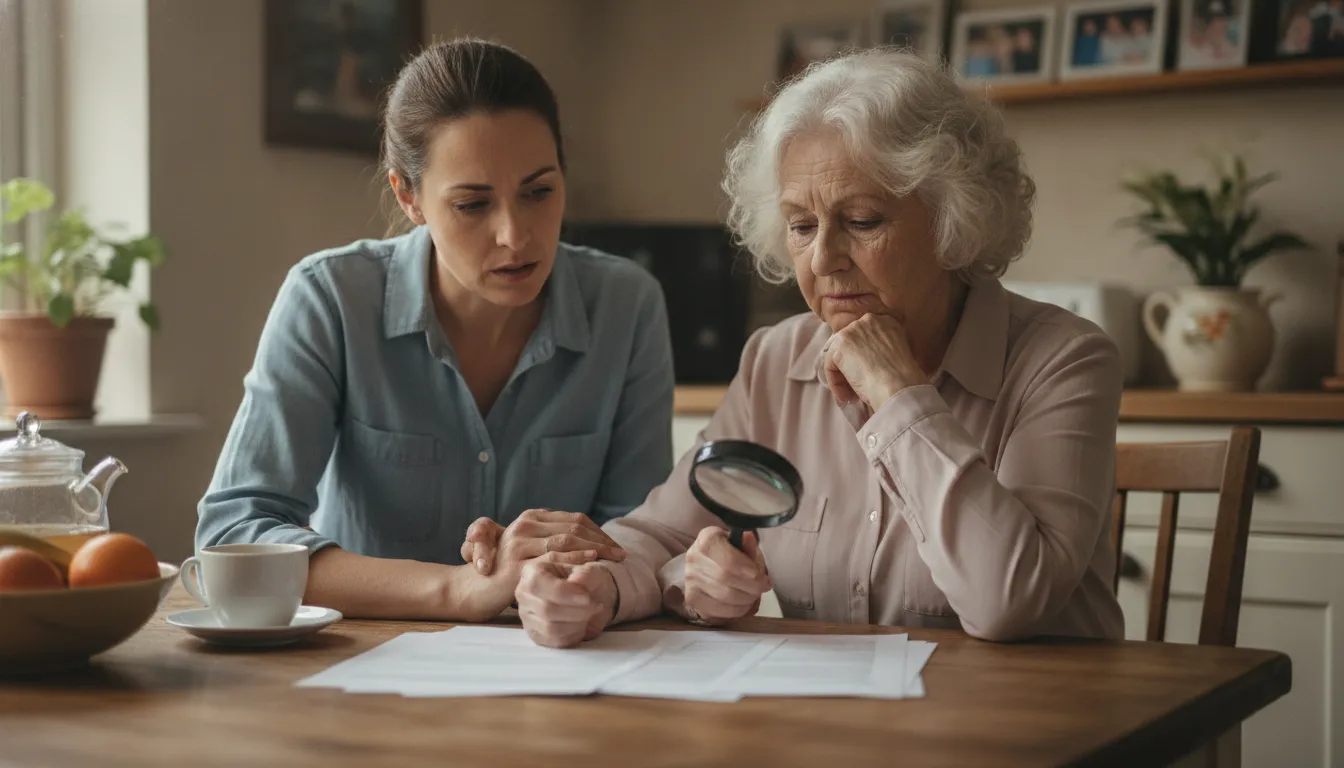
Keep copies of relevant records and avoid confronting a suspected abuser if doing so could increase the older adult’s risk. If there is immediate danger, contact emergency services. Otherwise, seek medical and legal guidance promptly, because evidence and financial records can become harder to recover over time.
How an Elder Abuse Attorney in Fort Worth Can Help
An elder abuse attorney Fort Worth families trust can investigate suspected harm independently, rather than relying only on a facility’s internal report or a caregiver’s explanation. The first priority is protecting the older adult. That may require coordinating medical care, addressing immediate safety concerns, and helping the family preserve information before records disappear or memories change.
A thorough investigation may include interviewing the older adult, relatives, caregivers, witnesses, and medical professionals. The attorney can request medical records, care plans, medication records, staffing information, incident reports, photographs, financial documents, messages, and surveillance footage when available. Evidence should be preserved carefully because a pattern of neglect, unexplained injuries, or unauthorized transactions may not be clear from one document alone.
Identifying everyone who may be responsible
Elder abuse does not occur only in nursing homes. Depending on the facts, potentially responsible parties may include a nursing facility or assisted-living operator, individual staff members, home-care providers, guardians, family members, financial advisers, or other institutions. Financial elder abuse includes the illegal, unauthorized, or improper use of an older adult’s money, benefits, property, or assets for someone else’s benefit. That conduct may involve a trusted relative, a guardian, or another person with access to accounts and legal documents.
Guardianship-related exploitation can require a different investigation from a facility injury claim. Texas provides the Guardianship Abuse, Fraud, and Exploitation Deterrence Program to help deter and address abuse, fraud, and exploitation in guardianships. A lawyer can evaluate whether court action, a civil claim, or another protective response is appropriate.
Filing a civil claim and pursuing compensation
After gathering the facts, an attorney can identify viable claims, determine the proper defendants, and file a civil lawsuit when negotiation does not provide a fair resolution. Potential damages may include reasonable medical expenses, pain and suffering, emotional distress, and, when the evidence supports it, punitive damages for especially wrongful conduct. The available damages depend on the injury, the proof, the parties involved, and the applicable Texas law.
The scope also matters. A case involving abuse by a relative, guardian, home caregiver. Or financial professional may require a broader elder-abuse investigation than a case focused solely on conditions inside a nursing facility. If the suspected harm occurred in a nursing home or similar care setting, a nursing home abuse lawyer can evaluate the facility-specific issues. The broader investigation considers every person and organization connected to the harm.
Families do not need to prove the entire case before seeking advice. An early review can help preserve evidence, clarify reporting and safety decisions, and determine whether civil accountability is available.
What to Do If You Suspect Elder Abuse in Texas
Act promptly, but do not put the older adult or yourself at greater risk. Elder abuse often goes unreported because a victim is afraid or unable to tell family, friends, or law enforcement. Available data can also understate the problem because some records capture only injuries treated in emergency departments. A careful response can protect the person, preserve proof, and create a path to accountability.
-
Document what you observe
Write down dates, locations, names, and specific facts. Record changes in the older adult’s mood, behavior, finances, living conditions, or physical condition. Note who was present and what the person said, using the older adult’s own words when possible. Avoid pressuring the person to repeat a story or confronting a suspected abuser before a safety plan is in place.
-
Preserve records, photographs, and statements
Keep photographs of visible injuries or unsafe conditions, medical records, medication information, bank or account records, messages, emails, and relevant legal documents. Save original files with their dates and avoid editing them. Ask witnesses to write down what they saw or heard while their memories are fresh. Do not remove documents from a residence or account without permission. If guardianship or a court-appointed guardian is involved, preserve orders and accountings as well. The Texas Courts Guardianship Abuse, Fraud, and Exploitation Deterrence Program is a resource addressing abuse, fraud, and exploitation in guardianships.
-
Report suspected abuse to Texas APS and law enforcement
Report concerns to Texas Adult Protective Services through the Texas Department of Family and Protective Services. The Texas APS data and resources can help families understand the state’s protective-services system. Contact local law enforcement when there is immediate danger, a crime in progress, serious injury, or a need for emergency protection. Give investigators the facts you documented, identify witnesses, and explain why you believe the person may be unable to report independently.
-
Arrange medical care and immediate safety
Call 911 for an emergency. Otherwise, arrange a medical evaluation for injuries, medication problems, dehydration, malnutrition, or other urgent concerns. Tell medical staff privately that you suspect abuse and ask that the concern be documented. If the living situation is unsafe, work with APS, medical professionals, family, or emergency responders on a safe alternative. Do not delay care while gathering evidence.
-
Consult an elder abuse attorney
After immediate safety needs are addressed, speak with an attorney who can evaluate the facts, identify potentially responsible people or institutions, protect evidence, and explain available legal remedies. A board-certified Texas trial lawyer can also help assess complicated guardianship, fiduciary, personal injury, and financial-exploitation issues. Bring your timeline, photographs, records, witness information, and any APS or police report numbers to the consultation.
Call Hoch Law Firm for a free consultation about suspected elder abuse.
Frequently Asked Questions
What are common signs of elder abuse?
Warning signs can include unexplained bruises, scars, burns, or restraint marks; sudden anxiety, depression, or behavior changes; poor hygiene; bedsores; and unexplained financial losses. One sign does not prove abuse, but a pattern or sudden change deserves prompt attention. The National Institute on Aging identifies unexplained injuries, behavior changes, bedsores, and unclean living conditions as possible indicators (National Institute on Aging).
What types of conduct can qualify as elder abuse?
Texas elder abuse concerns can involve physical, sexual, emotional or psychological abuse, neglect, and financial exploitation. Financial abuse may include the illegal, unauthorized, or improper use of an older adult’s money, benefits, property, or assets for someone else’s benefit (Centers for Disease Control and Prevention). Abuse can occur in a nursing facility, at home, through a guardianship, or in another trusted relationship.
When should I contact an elder abuse attorney?
Contact an attorney when you suspect abuse, neglect, exploitation, or retaliation, especially if the older adult suffered an injury, lost money, or cannot safely speak for themselves. Early advice can help protect the senior, preserve records and financial evidence, identify responsible parties, and evaluate civil claims. You do not need to wait until every fact is confirmed.
How do I report suspected elder abuse in Texas?
If someone faces immediate danger, call 911. For suspected abuse or neglect that is not an emergency, report it to the appropriate Texas Adult Protective Services channel and consider notifying law enforcement. Preserve photographs, messages, medical records, account statements, and witness information. Many cases go unreported because victims are afraid or unable to tell others, so a trusted family member or professional may need to help make the report (Texas Department of Family and Protective Services).
What legal remedies may be available to an abused senior?
Depending on the facts, remedies may include medical-cost recovery, compensation for pain and suffering, protection from further exploitation, and potentially punitive damages for egregious conduct. Guardianship-related abuse may also be addressed through Texas’s Guardianship Abuse, Fraud, and Exploitation Deterrence Program (Texas GAFEDP). An attorney can distinguish elder-abuse litigation from general elder-law planning and identify the appropriate course.
Ready to Discuss Your Family Member’s Situation?
When an older adult may be experiencing abuse, a focused legal review can help your family understand what happened and consider appropriate next steps. Hoch Law Firm can discuss your concerns during a free consultation and explain how Tim Hoch may investigate the situation and protect your family member’s interests.
Call Hoch Law Firm for a free consultation about potential elder abuse