As a business owner, you hire experts to handle critical tasks you can’t manage alone, from accounting to IT. Dealing with a complex insurance claim after a major windstorm should be no different. Your insurance provider has a team of adjusters and lawyers working to protect their interests, not yours. Attempting to handle the claim yourself puts you at a significant disadvantage. The smartest, most strategic move you can make is to level the playing field. Knowing how to find a lawyer for wind damage to commercial building is about equipping yourself with your own expert advocate. This article provides a clear roadmap for selecting a legal partner who can manage the entire process, allowing you to focus on what you do best: running your business.
Key Takeaways
- Look beyond the obvious damage: Wind can cause hidden structural issues and damage rooftop equipment, so a comprehensive assessment is crucial to understanding the true cost of repairs and potential business interruption.
- An attorney levels the playing field: Insurance companies use specific tactics to deny, delay, and underpay claims; a lawyer specializing in property disputes knows how to counter these moves and protect your rights as a policyholder.
- Prioritize specialized legal expertise: When choosing representation, look for board certification, a history of winning against big insurers, and deep knowledge of Texas insurance law, as these qualifications are essential for complex commercial claims.
How Wind Can Damage Your Commercial Property
When you think of wind damage in Texas, your mind might jump to a major hurricane. But the truth is, severe thunderstorms, tornadoes, and even straight-line winds can cause devastating harm to your commercial property. Even winds at 50 miles per hour are strong enough to cause serious issues. The damage isn’t always obvious from the ground, and what starts as a small problem can quickly spiral into a major, costly repair. Understanding the different ways wind can impact your building is the first step in protecting your investment and knowing what to look for after a storm.
Roof and Structural Failures
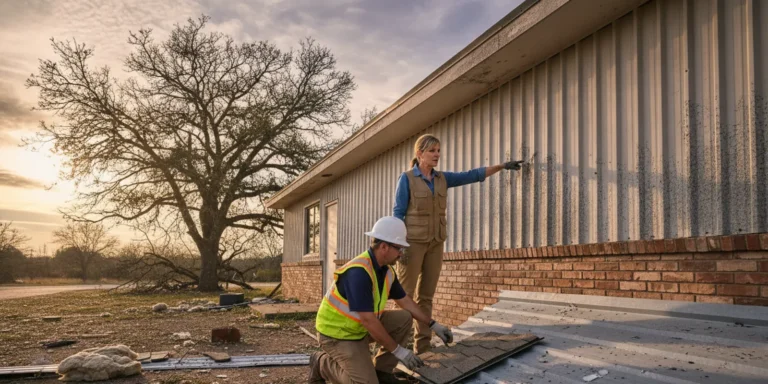
Your building’s roof is its first line of defense, and it’s also the most vulnerable to high winds. Strong gusts can create uplift pressure, which can peel back or completely tear off roofing materials like shingles, metal panels, or membranes on flat roofs. Once the outer layer is compromised, your property is exposed to water intrusion, which can lead to damaged insulation, electrical systems, and inventory. Over time, this moisture can weaken the building’s structural components, threatening its overall integrity. If your insurer tries to downplay the severity of roof damage, a Fort Worth property insurance lawyer can help you document the full extent of the loss and fight for the repairs you need.
Shattered Windows and Torn Siding
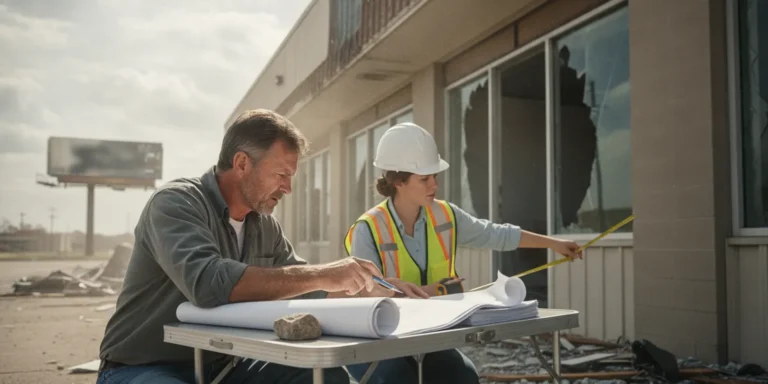
High winds can turn everyday objects into dangerous projectiles. Tree branches, unsecured outdoor furniture, and other debris can easily shatter windows, leaving the interior of your business exposed to wind and rain. This not only creates a significant safety hazard but also allows for extensive water damage to flooring, equipment, and documents. Similarly, wind can rip siding and exterior panels directly off your building. This exposes the underlying structure to the elements, which can lead to rot, mold, and other long-term problems. These types of damage require immediate attention to secure your property and prevent further losses while you handle the claims process.
Damaged HVAC Systems and Equipment
Many commercial buildings have large HVAC units and other essential equipment located on the roof. These systems are completely exposed during a windstorm. Flying debris can dent housings, damage condenser coils, and harm sensitive electronic components. In severe cases, the wind can be strong enough to shift or dislodge the entire unit from its mounting. Repairing or replacing a commercial HVAC system is a major expense, and the downtime can make your property unusable for employees and customers. It’s a critical loss that should be fully covered under your commercial property insurance policy. An experienced attorney can help ensure your claim accounts for these high-value items.
Business Interruption and Lost Income
Physical damage is only part of the story. When your commercial property is damaged by wind, you may be forced to close your doors for repairs. Every day your business is shut down, you lose revenue. This is where business interruption coverage comes in, but getting your insurer to pay can be a challenge. Insurance companies often dispute the length of the closure or the amount of lost income. They might argue that you could have partially reopened sooner or that your financial projections are inaccurate. These disputes can put a huge strain on your finances, making a difficult situation even worse. You can read more about these kinds of insurance issues on our Justice Blog.
Why Hire a Lawyer for Your Wind Damage Claim?
After significant wind damage, your first instinct is to call your insurance company. You’ve paid your premiums, and now it’s time for them to hold up their end of the deal. Unfortunately, the claims process is rarely that simple. Insurance companies are for-profit businesses, and their adjusters are trained to minimize payouts. This is where having a skilled attorney on your side can make all the difference. An experienced lawyer works for you, not the insurer, ensuring your rights are protected and you are positioned to receive the full and fair compensation your policy provides. They handle the complexities of the claim so you can focus on getting your business back on its feet.
To Counteract Insurance Company Tactics
Even when your policy clearly covers wind damage, you might face frustrating hurdles. It’s common for insurance companies to deny, delay, or underpay valid claims to protect their bottom line. They might argue the damage was caused by a pre-existing issue or a flood, which may not be covered. An attorney who specializes in property insurance disputes recognizes these tactics immediately. They can manage all communications with the insurer, submit the proper documentation, and apply legal pressure to prevent unnecessary delays. By having a professional advocate, you send a clear message that you will not accept an unfair assessment of your claim.
To Decipher Complex Policy Language
Commercial property insurance policies are dense, complicated legal documents filled with jargon, exclusions, and specific conditions. Trying to understand your coverage and obligations on your own can be overwhelming and lead to costly mistakes. A single misstep, like missing a deadline or failing to provide a specific type of notice, could jeopardize your entire claim. An experienced lawyer is an expert at interpreting this complex policy language. They will conduct a thorough review to identify every bit of coverage you are entitled to, explain your duties as the policyholder, and ensure you meet all requirements to the letter.
To Fight Bad Faith and Underpayment
When an insurance company fails to treat you fairly, it may be acting in “bad faith.” This can include refusing to investigate your claim, making an unreasonably low settlement offer, or misrepresenting the terms of your policy. If your claim has been wrongfully denied or significantly underpaid, you need a strong advocate to fight back. A lawyer can gather the evidence needed to challenge the insurer’s decision, often by bringing in independent experts to assess the full scope of your damages. They build a compelling case to demonstrate the true value of your loss and hold the insurance company accountable for their legal obligations.
To Secure the Settlement You Deserve
Ultimately, the goal is to recover the funds you need to repair your property and cover any lost income. A lawyer levels the playing field, ensuring you can negotiate with the insurance company from a position of strength. They understand how to value a commercial property damage claim, which includes not just the cost of repairs but also factors like business interruption and damaged equipment. Your attorney will handle all negotiations and, if the insurer refuses to offer a fair settlement, is prepared to represent your interests in court. Their involvement shows the insurance company you are serious about getting the results you deserve.
What to Look For in a Top Wind Damage Lawyer
When your commercial property is on the line, you can’t afford to hire just any attorney. The right lawyer can make all the difference between a swift, fair settlement and a drawn-out battle that leaves you underpaid. Finding an attorney with the right qualifications means looking for specific experience and credentials that prove they can handle the complexities of a commercial wind damage claim. Here’s what to prioritize in your search.
A Focus on Texas Commercial Property Claims
Wind damage claims for commercial properties are a different beast than residential ones. The policies are more complex, the stakes are higher, and the potential for business interruption adds another layer of financial loss. You need a lawyer who specializes in Texas property insurance disputes, not someone who just dabbles in them. An attorney with a deep understanding of claims involving roof damage, structural issues, and equipment failure will know exactly what evidence to gather and which experts to consult. This focused experience ensures they can build a strong case tailored to the unique challenges Texas business owners face after a storm.
Board Certification and Proven Trial Experience
Look for an attorney who is board-certified and has a proven record in the courtroom. Board certification isn’t just a fancy title; it’s a mark of true expertise. In Texas, it means a lawyer has substantial, relevant experience in a select specialty and has passed a rigorous exam. For example, Tim Hoch is Board Certified in Personal Injury Trial Law, a distinction held by a very small percentage of Texas attorneys. This level of specialization shows a commitment to the highest standards and signals that your lawyer is a capable trial attorney, ready and willing to fight for you in court if the insurance company refuses to offer a fair settlement.
A Winning Record Against Big Insurers
Your lawyer should have a history of standing up to large insurance corporations and winning. Insurance companies have vast resources and teams of attorneys dedicated to minimizing payouts. You need an advocate who isn’t intimidated and has a demonstrated ability to secure significant results for their clients. A strong track record shows that a firm has the legal skill and determination to hold powerful insurers accountable. When vetting potential attorneys, ask about their experience with cases like yours and their history of success against major insurance carriers. This gives you confidence that they can effectively champion your claim.
Deep Knowledge of Texas Insurance Law
Texas has a unique set of laws and regulations governing insurance claims, and you need a lawyer who knows them inside and out. An attorney with a comprehensive understanding of the Texas Insurance Code can expertly interpret your policy, identify potential bad faith tactics, and ensure your rights as a policyholder are protected. A Fort Worth property insurance lawyer who focuses on this area will be familiar with the strategies insurers use in our state and will know how to counter them. This local, specialized knowledge is crucial for making sure you receive every dollar you’re entitled to under your policy.
How to Find and Vet the Right Attorney
Finding the right legal partner can feel like a huge task, especially when you’re already dealing with property damage and a difficult insurance company. But choosing the right attorney is the single most important step you can take to protect your business. Think of it as an interview process where you’re in charge. You need someone with the right experience, a clear strategy, and a communication style that gives you confidence. Let’s walk through how to find and select the best lawyer for your commercial wind damage claim.
Where to Start Your Search
Your search for the right attorney can start with your own network. Ask other business owners, colleagues, or trusted friends for recommendations, as a personal referral is often a great starting point. You can also consult professional resources like the State Bar of Texas or reputable online legal directories that vet attorneys based on their experience and peer reviews. The goal is to create a shortlist of a few potential lawyers or firms that specialize in commercial property insurance claims in Texas. Once you have a few names, visit their websites to review their practice areas and see if their focus aligns with your specific needs.
Key Questions to Ask During a Consultation
Your initial consultation is your chance to get answers and gauge if an attorney is the right fit. Don’t hesitate to ask direct questions. Start with the basics: How long have you been handling commercial wind damage claims? What is your experience with my specific insurance provider? Ask them for an honest assessment of your case, including potential strengths and weaknesses. It’s also important to clarify who will be your primary point of contact and who will be doing the actual work on your file. A good lawyer will welcome these questions and provide clear, straightforward answers.
Evaluating Their Communication Style and Fee Structure
Pay close attention to how the attorney communicates during your first meeting. Are they clear, respectful, and willing to explain complex legal terms in a way you understand? A strong working relationship depends on open and responsive communication. You should also have a clear understanding of their fee structure from the beginning. Many property damage attorneys, including Hoch Law Firm, work on a contingent fee basis. This means you don’t pay any attorney’s fees unless they successfully recover money for you through a settlement or verdict. This arrangement aligns your interests and removes the financial risk of pursuing your claim.
Red Flags That Signal the Wrong Fit
Just as important as knowing what to look for is knowing what to avoid. Be cautious of any attorney who guarantees a specific outcome or promises a quick, massive settlement. The legal process is unpredictable, and honest lawyers manage expectations. Another red flag is a lawyer who seems eager to accept the insurance company’s first lowball offer without a fight. You need an advocate who is prepared to challenge the insurer’s assessment and isn’t intimidated by their tactics. If an attorney seems dismissive of your concerns or isn’t transparent about their process, it’s best to trust your gut and continue your search.
What to Expect When Working With Your Attorney
Once you’ve selected the right attorney, you can finally take a breath. You now have a dedicated advocate on your side, which is a huge step. But what happens next? Understanding the legal process for a commercial wind damage claim can help you feel more in control and prepared for the road ahead. While every case is unique, the journey generally follows a clear path from initial assessment to final resolution. Your attorney will guide you through each step, but knowing the milestones will make the process much smoother and less stressful. Think of this as your roadmap to getting your business back on track.
The Initial Consultation and Damage Assessment
Your first meeting is more than just a handshake. This is where your attorney will dig into the details of your situation. Come prepared with your insurance policy, any photos or videos you took of the damage, and all correspondence with your insurance company, including emails and denial letters. If you haven’t already, your lawyer will likely advise you to immediately take photos of everything, as this initial evidence is vital. Your attorney will review your policy to understand your coverage and start assessing the full scope of your losses, laying the groundwork for your property insurance claim.
Gathering Evidence to Build a Strong Case
Your photos and records are the starting point, but your legal team will take evidence gathering to the next level. To build a powerful case, they often bring in a team of independent experts like structural engineers, roofing consultants, and public adjusters. Attorneys often use special software and experts to inspect damage and prove your loss to the insurance company. This professional documentation creates a detailed and undeniable picture of your damages, which is essential for countering the insurer’s own adjusters, who may have minimized the extent of your loss. This thorough approach ensures every aspect of your claim is supported by solid proof.
Developing Your Legal Strategy
With a strong evidence file in hand, your attorney will develop a tailored legal strategy. This plan is based on the specific facts of your case and the insurance company’s actions. As legal experts point out, lawyers are essential for business owners whose wind damage claims have been denied, delayed, or underpaid. If your claim was underpaid, the strategy will focus on negotiating a fair settlement backed by your expert reports. If the insurer is acting in bad faith or has wrongfully denied your claim, the strategy may involve filing a lawsuit. Your attorney will outline the potential paths forward, explaining the pros and cons of each so you can make an informed decision about how to fight for the results you deserve.
Understanding the Timeline and Contingent Fees
Two of the biggest questions clients have are “How long will this take?” and “How much will it cost?” The timeline for a commercial property claim can vary widely, from a few months to over a year, depending on the case’s complexity and the insurer’s cooperation. As for the cost, most reputable property insurance lawyers work on a contingent fee basis. This means you don’t pay any attorney’s fees unless they win your case. The firm’s fee is a percentage of the financial recovery they secure for you. This arrangement ensures your lawyer is motivated to get you the best possible outcome and allows you to pursue justice without paying out of pocket.
Related Articles
- Commercial Property Insurance Claims Attorney | Hoch Law Firm, PC
- Dallas Wind & Storm Damage Lawyer | Hoch Law Firm
- Storm Damage Claims – Hoch Law Firm, PC
- Wear and Tear Exclusions in Property Insurance Claims Law
- Roof Damage Claims – Hoch Law Firm, PC
Frequently Asked Questions
What should I do right after my commercial property is damaged by wind? First, make sure the property is safe for you and your employees to enter. Then, before you move or clean anything, document the damage extensively with photos and videos from every possible angle. Capture close-ups of damaged areas and wider shots to show the overall impact. You should also take reasonable steps to prevent further harm, like placing a tarp over a hole in the roof. Finally, contact an experienced property insurance lawyer to review your policy and guide you on the next steps before you get too deep into the claims process with your insurer.
My insurance company already made a settlement offer. Why do I need a lawyer? Insurance companies are businesses, and their initial offers are often calculated to be the lowest amount they think you might accept. This offer may not account for hidden structural issues, the full cost of commercial-grade repairs, or income lost while your business is closed. An attorney can bring in independent experts to determine the true cost of your damages and negotiate from a position of strength. They work to secure a settlement that covers the full scope of your loss, not just the insurer’s initial, and often inadequate, assessment.
How much does it cost to hire an attorney for a wind damage claim? Most reputable property insurance attorneys work on a contingent fee basis. This means you do not pay any upfront costs or hourly rates. The law firm covers the expense of building your case, including hiring experts. The attorney’s fee is a pre-agreed percentage of the financial recovery they secure for you, whether through a settlement or a court verdict. If they are not successful in recovering money for you, you owe them nothing in fees.
How long will it take to resolve my commercial wind damage claim? The timeline can vary quite a bit depending on the complexity of the damage and how cooperative the insurance company is. A straightforward claim where the insurer is willing to negotiate fairly might be resolved in a matter of months. However, if the insurance company denies the claim, acts in bad faith, or refuses to offer a reasonable settlement, the process could take longer, especially if a lawsuit becomes necessary. A good lawyer will work to move your case forward efficiently while ensuring they don’t rush into a bad deal.
What is the difference between a public adjuster and a property damage lawyer? A public adjuster is a professional who assesses and documents property damage to help you with your claim; they are very good at determining the scope of the loss. An attorney can do that as well, but their role is much broader. A lawyer can provide legal advice, interpret the complex language of your insurance policy, protect your rights, and file a lawsuit if the insurance company acts in bad faith or refuses to pay what you are owed. When you face a dispute, an attorney is the advocate you need to hold the insurer legally accountable.