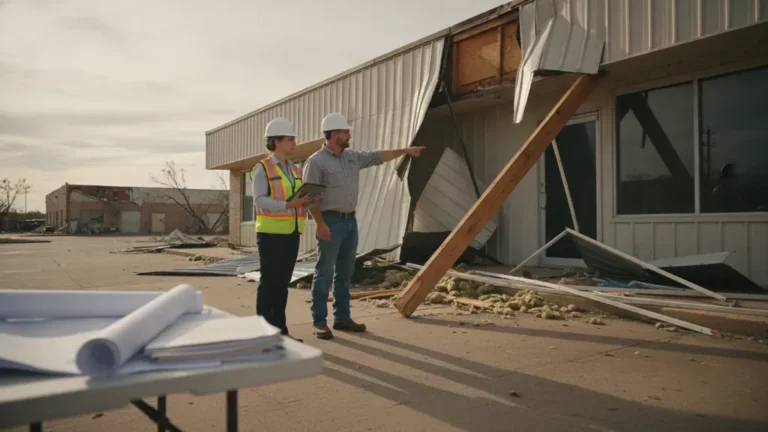
An insurance adjuster might tell you the dents on your metal roof are just “cosmetic,” but what they don’t mention is how those impacts can compromise seams, void warranties, and lead to hidden leaks that cause serious problems down the road. Underestimating the severity of hail damage is a costly mistake many business owners make, often because they take the insurer’s initial assessment at face value. It’s crucial to understand the full scope of your loss, not just the surface-level issues. This guide will help you do just that, explaining what to look for and how to challenge an unfair evaluation. We’ll walk you through the hail damage insurance claim process for commercial property to ensure you don’t settle for less than you deserve.
Key Takeaways
- Document Everything Before You Call: Once the area is safe, your first move should be to photograph and video all damage from every angle. Using a coin for scale helps show the severity of hail impacts and creates undeniable proof that strengthens your claim from the very beginning.
- Know Your Policy Inside and Out: Your insurance policy is the playbook for your claim, so read it carefully. Understand your deductible, coverage limits, and whether you have Replacement Cost Value (RCV) or Actual Cash Value (ACV), as this detail dramatically affects your potential settlement.
- Prepare to Challenge the Insurer’s Assessment: Do not automatically accept a low settlement offer or a claim denial, as these are often just starting points for negotiation. Get your own independent repair estimates to counter the adjuster’s valuation and be ready to advocate for the full amount needed to make your business whole.
First Steps After Hail Damages Your Commercial Property
The moments after a severe hailstorm can feel chaotic. As a business owner, you’re likely worried about your property, your inventory, and how this will impact your operations. It’s completely normal to feel overwhelmed when looking at the potential damage. However, taking a deep breath and following a few key steps right away can make a huge difference in the outcome of your insurance claim. Acting quickly and methodically sets the foundation for a smoother process and helps protect your right to a fair settlement. Think of it as gathering the essential tools you’ll need before you start a big project; these first actions are your tools for a successful claim. By taking control of the situation from the start, you position yourself to effectively manage the claims process and get your business back on track. This initial response demonstrates to your insurer that you are taking the matter seriously and helps build a strong record from day one. It’s about shifting from a reactive state of shock to a proactive stance focused on recovery.
Prioritize Safety
Before you do anything else, your first priority is to ensure the safety of everyone on the property. Check for immediate hazards like shattered windows, fallen debris, or water pooling near electrical outlets and equipment. If you notice any structural damage, like a sagging roof or cracked walls, it’s best to evacuate the area until a professional can assess the building’s integrity. Don’t attempt to climb on the roof or make any repairs yourself, especially in wet or unstable conditions. Your well-being and that of your employees and customers always comes first.
Document the Damage
Once the area is secure, it’s time to become a detective. Thoroughly document every bit of damage you can find. Use your phone to take extensive photos and videos of everything, from the roof and siding to windows, HVAC units, and company vehicles. Capture wide shots to show the overall scope and close-ups to detail specific impacts. A great tip is to place a familiar object, like a coin or a ruler, next to hail dents to provide a clear sense of scale. Even seemingly minor dings can point to significant underlying problems that a property insurance lawyer can help identify later. Keep a running list of all damaged items as you go.
Contact Your Insurance Company
With your initial documentation in hand, notify your insurance provider about the damage as soon as possible. Most policies require prompt reporting, and waiting too long could jeopardize your claim. When you call, have your policy number ready and provide a straightforward description of the event. Avoid speculating on the extent of the damage or admitting any fault. Your goal is simply to get the process started. Be sure to write down the claim number they give you, along with the name and contact information of the representative you speak with. This initial call officially opens your claim and gets the ball rolling.
How to File Your Commercial Hail Damage Claim
After you’ve documented the hail damage to your commercial property, the next phase is filing the insurance claim. This process can feel intimidating, but it’s manageable when you break it down into clear, actionable steps. Think of it as a formal conversation with your insurance provider where you present your case for the repairs you need. Getting it right from the start can make a significant difference in the outcome. By following a structured approach, you can present a strong, well-supported claim and set the stage for a fair settlement. Let’s walk through exactly what you need to do.
Gather Your Policy Details
Before you even pick up the phone, locate your commercial property insurance policy. This document is your rulebook for the entire claims process. Take the time to understand your policy’s terms, coverage limits, and deductibles. You need to know what you’re entitled to. Pay close attention to whether your policy covers Replacement Cost Value (RCV), which pays to replace the property with new materials, or Actual Cash Value (ACV), which only pays for the depreciated value. Also, look for specific coverages like debris removal or business interruption, which can be critical for getting your operations back on track. Having a firm grasp of your property insurance coverage is your first and most important step.
Officially Report the Claim
Once you have your policy information handy, it’s time to formally notify your insurance company. Tell your insurance company about any damage right away. Most policies have strict deadlines for reporting, and waiting too long can cause your claim to be denied. You can usually file a claim over the phone, through an online portal, or via your insurance agent. When you call, have your policy number, the date the hail storm occurred, and a brief description of the damage ready. Be factual and stick to what you know. This official report creates a record and starts the formal claims process. You’ll be assigned a claim number, so be sure to write it down and keep it somewhere safe.
Schedule the Adjuster’s Inspection
After you report the damage, your insurer will assign a claims adjuster to your case. The adjuster’s job is to investigate the claim on behalf of the insurance company. They will schedule a time to visit your property to assess the extent of the damage. It’s a good idea to be present for this inspection so you can point out all the areas of concern you documented earlier. After evaluating the damage, the adjuster may ask you to give a recorded statement. Be cautious here. These statements can be used to limit your claim later. You have the right to consult with an attorney before agreeing to one, especially if the damage is significant. An experienced lawyer like Tim Hoch can help you prepare for these interactions.
What Documentation Will You Need for Your Claim?
Think of your claim documentation as the foundation of your case. The stronger and more organized your evidence is, the sturdier your claim will be. Your insurance company will require proof of the damage and the cost to repair it, and it’s your responsibility to provide it. Gathering thorough documentation from the very beginning helps streamline the process and gives you a powerful tool if you need to dispute a lowball offer or an unfair denial. A detailed file shows the insurer that you are serious, organized, and prepared to advocate for a fair settlement.
This evidence tells the complete story of your loss, from the moment the hail fell to the projected cost of making your property whole again. It includes everything from photos and repair bids to weather data and a copy of your policy. Keeping all these documents in one place, whether in a physical folder or a digital one, will save you from scrambling for information later. This preparation is a critical part of managing all types of insurance disputes and is a key step in protecting your investment. The goal is to leave no room for doubt about the extent of the damage and the insurer’s obligation to cover it under your policy’s practice areas.
Detailed Photos and Videos
Immediately after the storm, and once it is safe to do so, use your smartphone to document everything. Take far more photos and videos than you think you’ll need. Capture wide-angle shots of your entire property to show the overall scope of the damage, then move in for close-ups of specific issues like dented siding, cracked windows, and damaged HVAC units. For hail dents on metal surfaces, place a coin or a small ruler next to them to provide a clear sense of scale. This visual evidence is undeniable and makes it difficult for an adjuster to downplay the severity of the damage.
Professional Repair Estimates
Before the insurance adjuster even schedules their visit, you should have a clear idea of what it will cost to repair your property. Contact at least three reputable, local commercial contractors and ask for detailed, itemized repair estimates. Having these independent quotes in hand gives you a realistic baseline for the repair costs. This prevents you from being anchored to the adjuster’s initial, and often lower, assessment. When you have professional bids to back up your claim, you enter negotiations from a position of strength. If you find yourself struggling to get a fair offer, a Fort Worth property insurance lawyer can use this evidence to fight for you.
Official Weather Reports
Your insurance company will need to verify that the damage was caused by a specific, covered event, in this case, a hailstorm. You can support your claim by gathering official weather reports from sources like the National Weather Service for the date the damage occurred. These reports can confirm the size of the hail and the intensity of the storm in your specific area. This documentation officially links the damage you photographed to a verifiable weather event, satisfying a key requirement of the claims process and leaving no question as to the cause of your loss.
Watch Out for These Common Claim Hurdles
The claims process isn’t always as smooth as you’d hope. Insurance companies sometimes create hurdles that can delay or reduce your payout. Understanding these common challenges is the best way to prepare yourself and protect your investment. From outright denials to frustratingly low offers, here are the obstacles you should be ready to face.
Why Insurers Might Deny Your Claim
Receiving a denial is disheartening, but it happens. Insurers often deny hail damage claims by arguing the damage is only “cosmetic” and doesn’t impact your roof’s function. They might also blame the damage on normal “wear and tear” or claim it isn’t covered by your policy. These initial decisions are frequently based on a quick assessment that may not tell the whole story. Knowing these common tactics is the first step in building a strong response and fighting for the coverage you paid for.
Handling Lowball Offers and Disputes
If your claim is approved, don’t be surprised if the first settlement offer is too low to cover your repair estimates. This is a common negotiation tactic. Remember, you don’t have to accept the insurer’s first offer; it’s often just a starting point. Disputes frequently arise over the true cost of repairs or the extent of the damage. If you’re at a standstill with your insurer, having your independent estimates and documentation organized is key. A Fort Worth property insurance lawyer can help you challenge a lowball offer and fight for a fair settlement.
Spotting Bad Faith and Unfair Delays
Your insurance company is legally required to handle your claim promptly and in good faith. When they don’t, their actions might be considered bad faith. Watch for red flags like unreasonable delays, a refusal to explain a denial, or attempts to misrepresent your policy’s coverage. The claims process should be transparent and move at a reasonable pace. If you suspect your insurer is dragging its feet or not treating you fairly, it’s important to understand your legal options. Taking action can hold the insurer accountable and get your claim back on track.
How Your Insurer Will Evaluate the Damage
After you file a claim, your insurance company begins its own evaluation process. This is the stage where they decide the value of your claim, and it’s critical to understand how it works so you can ensure you’re treated fairly. The central figure in this process is the insurance adjuster, who is sent by your insurer to inspect the property and assess the damage. It’s important to remember that the adjuster works for the insurance company, and their primary goal is to evaluate the loss according to the terms of your policy while protecting the insurer’s financial interests.
This evaluation isn’t just a quick look around. The adjuster’s report will heavily influence the settlement offer you receive. They will compare what they see on your property to the specific language in your insurance contract, which is why knowing your policy inside and out is so important. The entire process can feel intimidating, especially when you’re already stressed about the damage to your business. However, being prepared for what’s to come can give you the confidence to stand up for the full and fair compensation you deserve. Understanding their playbook is the first step in protecting your own interests across all insurance practice areas.
What the Insurance Adjuster Looks For
Once your claim is filed, an insurance adjuster will be dispatched to analyze the extent of the damage. This person is trained to identify and document property damage, but their perspective is shaped by their employer’s guidelines. During the inspection, the adjuster will look for clear signs of hail impact on your roof, siding, windows, gutters, and HVAC units. They’ll be searching for dents, cracks, granule loss on shingles, and other forms of direct physical loss. Their job is to create a report that estimates the cost of repairs, but only for damage they believe is covered by your policy. This report becomes the foundation for your insurer’s settlement offer, making the adjuster’s initial visit a pivotal moment in your claim.
Review Your Coverage, Limits, and Deductibles
Your insurance policy is a complex contract, and the fine print matters. Before the adjuster even arrives, you should review your policy to understand exactly what is covered. Pay close attention to your coverage limits, which is the maximum amount the insurer will pay, and your deductible, which is the amount you must pay out of pocket. Some policies have a separate, higher deductible for hail or wind damage. Your policy is the rulebook for your claim, but it can be hard to read. A Fort Worth property insurance lawyer can explain it in simple terms and help you understand your rights and obligations, ensuring the insurance company holds up its end of the agreement.
Replacement Cost vs. Actual Cash Value: What’s the Difference?
One of the most important distinctions in your policy is whether it provides Replacement Cost Value (RCV) or Actual Cash Value (ACV) coverage. Replacement Cost Value (RCV) is the amount it would take to replace your damaged property with new property of a similar kind and quality, without any deduction for depreciation. In contrast, Actual Cash Value (ACV) is the replacement cost minus depreciation for age and wear. For example, if a hailstorm destroys your 15-year-old roof, an ACV policy will only pay for its depreciated value, leaving you with a significant gap to cover for a brand-new roof. Knowing which coverage you have is crucial, as it will dramatically impact the size of your settlement check.
When to Hire a Property Damage Lawyer
Ideally, your insurance company would process your claim quickly and fairly, getting you the funds you need to repair your commercial property without a fuss. While many claims go smoothly, some can turn into a frustrating battle. When you’re facing a difficult insurer, you don’t have to go it alone. Knowing when to call for legal backup is key to protecting your investment and getting the full and fair settlement you deserve under your policy. An experienced attorney can step in to level the playing field, ensuring your rights are protected throughout the process. For property owners evaluating specialized help, Hoch Law Firm also explains what a commercial hail damage attorney can do and how an apartment complex hail damage lawyer approaches multi-unit losses.
Red Flags That You Need Legal Help
It’s time to consider legal help when you feel like your insurer isn’t treating you or your claim fairly. Watch for tactics like the adjuster calling significant hail damage “cosmetic” or blaming it on pre-existing “wear and tear.” Another major red flag is receiving a lowball settlement offer that doesn’t come close to covering your professional repair estimates. If you’re dealing with constant delays, disputed damage assessments, or a flat-out denial with a weak explanation, these are clear signs that you may be facing property insurance disputes. These are signals that the insurance company may be prioritizing its profits over your policy, and it’s time to get a professional advocate on your side.
How an Attorney Strengthens Your Claim
Hiring an attorney does more than just show your insurer you’re serious; it equips you with an expert who understands the system. A property damage lawyer knows how to interpret complex policy language and can identify the tactics insurance companies use to underpay or deny claims. They work with a network of trusted engineers, roofers, and public adjusters to build a strong case that accurately documents your losses. An experienced Board Certified trial lawyer can take over communications, manage deadlines, and negotiate forcefully on your behalf. This not only relieves you of a significant burden but also strengthens your position to secure the money you need for a full recovery.
Prepare Your Property for the Next Storm
While you can’t stop the next hailstorm from rolling through Texas, you can absolutely prepare for it. Taking a few proactive steps now not only protects your commercial property but also strengthens your position for any future insurance claims. Think of it as building your case before there’s even a problem. This diligence shows you are a responsible property owner and can make a world of difference when it’s time to file a claim, helping you sidestep common disputes with your insurer.
Schedule Regular Maintenance and Inspections
Think of regular inspections as a health check-up for your property. Having a professional roofer inspect your roof twice a year, perhaps in the spring and fall, creates a clear record of its condition. This documentation is incredibly valuable because it establishes a baseline. If a hailstorm hits, you can prove the damage is new and directly caused by that specific event, making it much harder for an insurer to argue it was pre-existing wear and tear. These reports become a key piece of evidence in your corner, supporting your property insurance claim and demonstrating your commitment to maintaining your investment.
Build a Relationship with a Trusted Contractor
The person inspecting your property should be more than just a name on an invoice. Finding a local, reputable contractor you can rely on is a smart business move. When you have a go-to professional, they become familiar with your property’s history and can spot small issues before they become costly problems. If a storm does cause significant damage, your trusted contractor can provide a quick, credible assessment and repair estimate. This relationship shows your insurer that you are diligent about upkeep and rely on expert opinions, which adds weight to your claim and the various issues that can arise from property damage.
Review Your Insurance Policy Annually
Your insurance policy can feel dense, but it’s a critical document for your business. Make it a yearly habit to review your coverage, especially at renewal time. Pay close attention to your coverage limits, deductibles, and any new exclusions. It’s crucial to know if your policy covers Replacement Cost Value (RCV), which pays to replace items, or Actual Cash Value (ACV), which only pays for their depreciated value. Knowing these details prevents surprises and confirms you have the right protection. For more insights, you can often find helpful articles on a firm’s Justice Blog.
Protect Your Rights During the Claim Process
Filing a claim is just the first step. The process that follows can feel like a battle, but knowing what to expect and how to protect your interests can make all the difference. Your insurance policy is a contract, and you have rights that ensure you are treated fairly. Staying informed and proactive is your best defense against tactics designed to undervalue your claim. Let’s walk through what you need to know to keep the process moving in your favor.
Know Your Rights as a Policyholder
Your insurance company has a financial incentive to pay out as little as possible. It’s common for adjusters to downplay the severity of hail damage, sometimes dismissing it as merely “cosmetic” or attributing it to pre-existing “wear and tear.” They might also present a settlement offer that seems reasonable at first glance but falls far short of covering the actual cost of repairs. Understanding these common tactics is the first step in defending your claim. When an insurer isn’t holding up their end of the bargain, a Fort Worth property insurance lawyer can help you hold them accountable and fight for the full compensation you deserve.
Avoid These Common Policyholder Mistakes
A few missteps can unfortunately jeopardize your entire claim. One of the biggest mistakes is waiting too long to file. Most policies have strict deadlines, and delaying can give the insurer a reason to deny your claim. Don’t ignore what looks like minor damage, either. Small dents or cracked shingles can lead to bigger problems like leaks and structural issues down the road. Finally, never accept a denial as the final word. An initial rejection is often a starting point for negotiation, not the end of the conversation. You have the right to dispute their decision and present your own evidence. For more insights, you can explore our Justice Blog.
What to Expect from the Claim Timeline
The insurance claim process is rarely quick or simple. You should prepare for potential hurdles, including delayed inspections, disagreements over the scope of damage, and disputes about repair costs. The timeline can stretch out for weeks or even months, especially if the damage is extensive or the insurer is being difficult. An adjuster will inspect your property, review your policy, and calculate a settlement, but each of these steps can become a point of contention. Understanding that these challenges are a normal part of the process can help you stay patient and persistent. If you feel the process is being unfairly delayed, it may be time to seek legal guidance on your property damage claim.
Related Articles
- How to File a Commercial Hail Damage Claim: A Guide
- When to Hire a Hail Damage Claim Lawyer in Dallas
- Why Hire an Arlington Wind Damage Claim Attorney?
Frequently Asked Questions
What is the single most important thing I should do right after a hailstorm hits my property? Your first priority is always safety, so make sure the building is secure for you and your employees. After that, your most critical task is documentation. Before you even call your insurance company, walk around your property and take extensive photos and videos of all the damage. This initial evidence, captured before anything is moved or repaired, is your strongest tool. It creates an undeniable record of the storm’s impact and serves as the foundation for your entire claim.
My insurance adjuster’s repair estimate is much lower than the quotes I got from my contractors. What should I do? This is a very common situation, so don’t feel discouraged. An adjuster’s initial offer is often just a starting point for negotiations, not the final word. Do not accept the low offer. Instead, provide your insurer with the detailed, itemized estimates you received from your own reputable contractors. A well-documented counterargument, backed by professional quotes, shows the insurer you have done your homework and are serious about receiving a fair settlement that will actually cover your repair costs.
My claim was denied because the insurer said the damage was just “wear and tear.” Is that the final decision? Absolutely not. An initial denial, especially one that blames pre-existing conditions, is often a tactic used by insurance companies to avoid paying a claim. You have the right to dispute this decision. This is the point where your own documentation, including any past maintenance records or inspection reports, becomes invaluable. A denial is not the end of the road; it is a clear signal that you may need to formally challenge the insurer’s position, often with the help of a legal professional.
My policy mentions both “Actual Cash Value” and “Replacement Cost Value.” What is the real-world difference for my business? This distinction has a huge impact on your final payout. An Actual Cash Value (ACV) policy will only pay you for the depreciated value of your damaged property. For example, if your 10-year-old roof is destroyed, ACV will only cover a fraction of the cost of a new one, leaving you to pay the rest. A Replacement Cost Value (RCV) policy, however, is designed to cover the full cost of replacing the roof with new materials. Understanding which one you have is critical for knowing what to expect from your settlement.
Can I handle a complex hail claim myself, or do I really need to hire a lawyer? You can certainly manage the initial stages of a claim on your own, especially if the damage is minor and your insurer is cooperative. However, you should consider hiring an attorney the moment you feel the process is becoming unfair. If your insurer is using delay tactics, offering a lowball settlement, or has denied your claim without a solid reason, a lawyer can step in to level the playing field. They understand the complex legal language of insurance policies and know how to counter the strategies insurers use to protect their bottom line.