Standard property policies often leave Texas business owners responsible for thousands in required building code upgrades. These hidden costs can derail your recovery after a major fire or storm.
Ordinance or law coverage pays for the extra costs of meeting current building codes during repairs after a covered loss. While a standard policy pays to fix damage, it often leaves out the high costs of required upgrades needed by local laws. This coverage is vital because modern safety, energy, and access rules change over time. If your building was built years ago, a new repair might trigger the need for costly changes like wider halls or new wiring. Without this protection, you may have to pay for these code changes with your own money. A study by the Florida Office of Insurance Regulation shows that many owners face large gaps. This happens because they must rebuild to current codes rather than old ones. This coverage ensures your insurance stays in line with today’s laws.
Understanding how these rules affect your property can save your business from a major loss. Many owners assume they are fully covered until they see the true cost of modern code upgrades. You can protect your investment by learning What Is Ordinance or Law Coverage? The path begins with
What Is Ordinance or Law Coverage?
Ordinance or law coverage is a type of insurance help that pays for the extra costs of meeting new building codes after a loss. When a fire or storm damages your business, you might expect your plan to pay for the full repair. But business property insurance often only pays to fix what was there. It often leaves out the cost of making your building safer to match new laws.
Cities often update building rules covering fire safety, power, and access. After a storm, you must follow today’s codes, not the ones from when you built. Without this help, you could face a huge payout gap.
Repairs vs. Modern Building Codes
Most basic plans only cover “like kind and quality.” This means the insurance company will pay to fix the building to the state it was in right before the damage. But new building codes often make it illegal to rebuild exactly as before. A check by the Florida Office of Insurance Regulation found that many owners face costs that go way past their policy caps. This happens because they must rebuild to new rules rather than the laws from years ago.
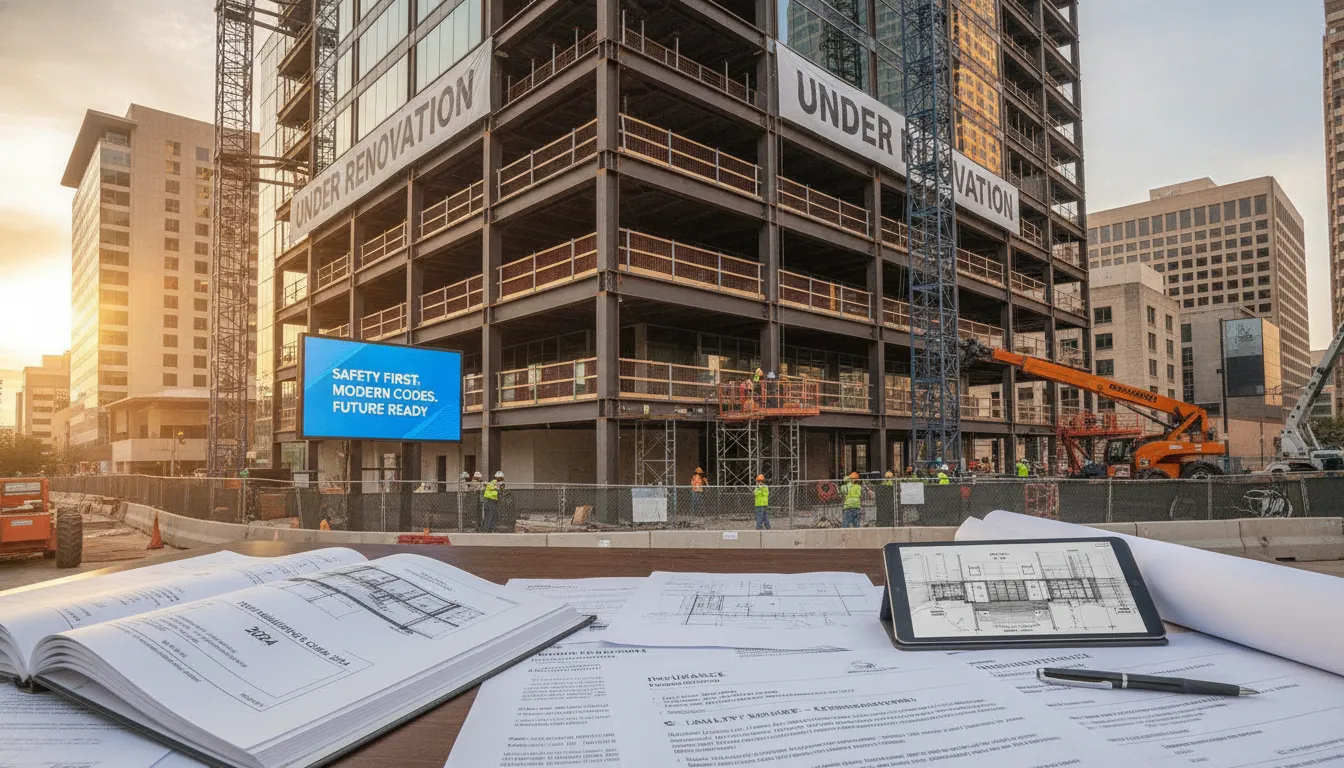
The cost to bring a building up to code is not the same as the cost of simple repairs. For example, you might only need to fix a roof. But the city might force you to add new supports for the whole frame. These forced changes can double or triple your out-of-pocket costs if you lack the right plan. Basic policies often leave these costs out.
Upgrading an Older Texas Business Building
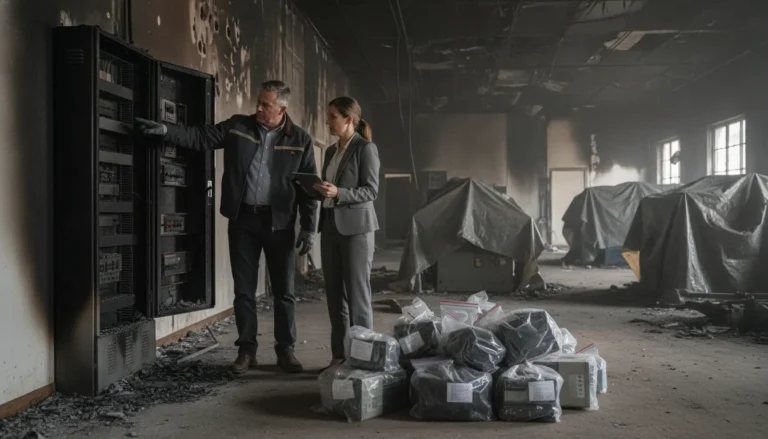
Older buildings in Texas face the most risk from code changes. If you own a business site from the 1970s, it might not meet today’s strict safety rules. If a fire damages a large part of the site, you cannot just patch the old wires. The local government will likely ask for a full power upgrade to meet new fire safety rules. They may also ask for new sprinklers or better alarms that were not needed fifty years ago.
Building access is another common code issue for older Texas sites. You may be forced to add ramps, wide doors, or new restrooms. This is to meet the Americans with Disabilities Act. These are not “repairs” in the eyes of an insurance firm. They see them as upgrades. The Texas Department of Insurance says property plans fix damage. But this extra coverage pays for legal needs. For a business owner, these steps are not optional. You must do them to reopen your doors.
How Coverage Limits Work in Practice
Insurance firms often set these limits as a part of your total building plan. You will often see options for 10% or 25% of your main cap. For a business building worth $2 million, these parts make a big gap in your safety. A 10% cap gives you $200,000 for code needs. While that sounds like a lot, a big fire can eat through that sum fast. This is true if the city forces you to tear down and rebuild.
Picking a 25% cap would give you $500,000 for those same needs. This extra $300,000 of help can be the gap between a good rebuild and a total business closure. It is key to look at the age and size of your building when picking these numbers. Older, larger buildings often need the higher cap. This accounts for the gap between old and new building laws.
What Does Ordinance or Law Coverage Cover? The ABC Breakdown
Most business owners assume their property insurance will cover the full cost of rebuilding after a disaster. However, standard policies often only pay for repairs to the damaged portion of a building. If local codes require you to demolish what is left or upgrade old features, you could face a major bill. This is where commercial property insurance with specific ordinance or law protection becomes vital. This coverage is usually split into three parts: A, B, and C.
Coverage A: The undamaged portion
If a fire or storm ruins part of your building, local laws might require you to tear down the rest. This often happens if the damage exceeds a certain level, such as 50 percent of the structure. While your base policy covers the damaged part, Coverage A pays for the loss of value of the part that was still standing. Without this, you might only get paid for half a building even if the city says you must replace the whole thing.
Consider a wall where a fire burns 75 percent of the surface. A standard policy might only pay to replace that 75 percent. Specifically, Coverage A can pay for the 25 percent that was not directly touched by the flames but must be replaced to meet code. Using ordinance or law coverage ensures you are not stuck with the cost of the remaining portion. This is key for older Texas buildings that must meet new safety rules during a full rebuild.
Coverage B and C: Demo and upgrades
Once you are legally forced to tear down an undamaged part of your building, you face new costs. Coverage B pays for the demolition and removal of that debris. Many owners overlook this expense, but it can run into the tens of thousands of dollars for a large site. This part of your policy covers the cost to clear the land so you can start over. This is a critical step before you can begin making code-required upgrades to the site.
Coverage C focuses on the increased cost of construction. Building codes change often, adding requirements for things like fire sprinklers, wiring, or ramp access. These new rules often make rebuilding much more expensive than the original build cost. According to the Florida Office of Insurance Regulation, these code compliance costs are often excluded from standard policies. Coverage C fills that gap by paying the extra amount needed to meet today’s laws.
Summary of ABC coverage parts
The table below shows how these three parts work together to protect your business. Limits for these parts are often set as a percentage, such as 10 percent or 25 percent of your total building limit. It is vital to check your policy to see if these limits are high enough for your needs.
| Coverage Part | What it Pays For | Why You Need It |
|---|---|---|
| Coverage A | Loss to the undamaged part of the building | Covers the value of parts that must be torn down |
| Coverage B | Demolition and debris removal costs | Pays to clear the site of undamaged materials |
| Coverage C | Increased cost of construction | Pays for new code requirements like sprinklers |
Why Standard Commercial Policies Fall Short
Most business owners believe commercial property insurance fully restores their building after a fire or storm. These policies cover repair costs but often stop there. This creates a huge gap when local laws require new safety features.
The gap between repair and compliance
Building codes change often to improve safety. When a fire or windstorm damages an old building, you cannot just fix it as it was. You must follow the laws in place today. A study by the Florida Office of Insurance Regulation shows that basic policies usually leave out the costs of meeting these local laws. This means you could be on the hook for mandatory building code upgrades like new fire pumps or ramps. The insurance firm sees these as extra costs that you must cover yourself.
These extra costs add up fast. You might need to install new power lines or stronger roof beams to meet new rules. If your policy does not have the right ordinance or law coverage, you will have to pay for these items out of your own pocket. For many firms, these surprise bills can be the key to opening back up or closing for good. You need to know that your policy might only pay to fix old parts, not to bring the whole site up to code.
How sub-limits create hidden risks
Even if your policy has some help, it might not be enough. Many Texas policies include small caps for meeting building laws. These caps set a limit on how much the company will pay for changes. Often, this limit is just a small part of your total plan. If your limit is too low, you still face a huge bill after a major loss. Business owners in North Texas should check their plans for these hidden caps to ensure they have comprehensive property insurance protection. A small limit can give you a false sense of safety until you try to file a claim.
The seven million dollar lesson
Real cases show how big these gaps can get. One older condo complex had a plan with a $250,000 limit for code costs. This seemed like a large amount at the start. But after two hurricanes hit the area, the owners found they needed to spend much more to follow new building laws. The gap between what the company paid and what the job cost was a huge $7 million. This story serves as a warning. Basic caps often fall short of the true cost to build today. You should work with a pro to make sure your limits match the real risks of your site.
Why Texas Commercial Property Owners Should Pay Attention
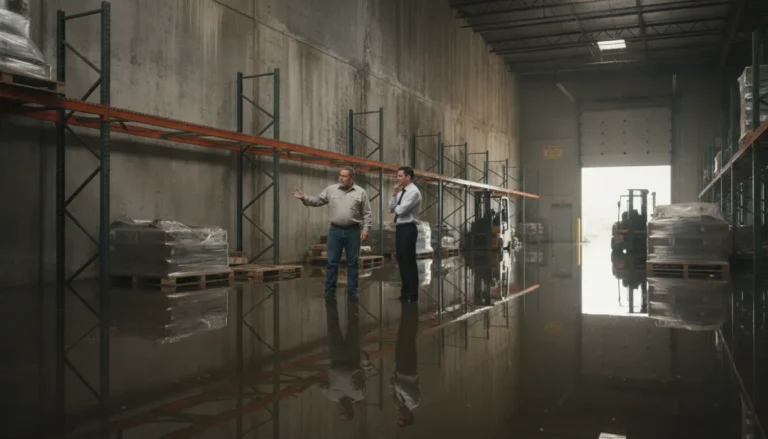
Texas business owners face a special set of risks that make ordinance or law coverage a key part of their plan. From the old office buildings in Fort Worth to the large warehouses across North Texas, many were built under old codes. When a storm or fire hits, simply fixing the damage is often not an option. You must bring the building up to current rules, which can be a huge and costly task.
The risks of old buildings in North Texas
Many business sites in the Dallas-Fort Worth area have stood for a long time. These buildings may not meet new energy, safety, or easy access rules. The Hoch Law Firm says that ordinance or law coverage is critical during repairs. If your property is damaged, city workers may require new fire tools, wider doors, or better walls.
Without the right plan, you might have to pay for these upgrades with your own cash. A basic policy often only pays the cost to return the building to the way it was before the loss. This creates a gap between what the insurance pays and what you must spend to reopen your firm.
Severe weather and code triggers
North Texas is known for its harsh weather, including big hail, high winds, and storms. These events can cause vast damage to roofs and walls. The Texas Department of Insurance says that commercial property insurance is meant to pay to fix or replace business buildings after such events. But a major storm can trigger new code rules if the damage is bad enough.
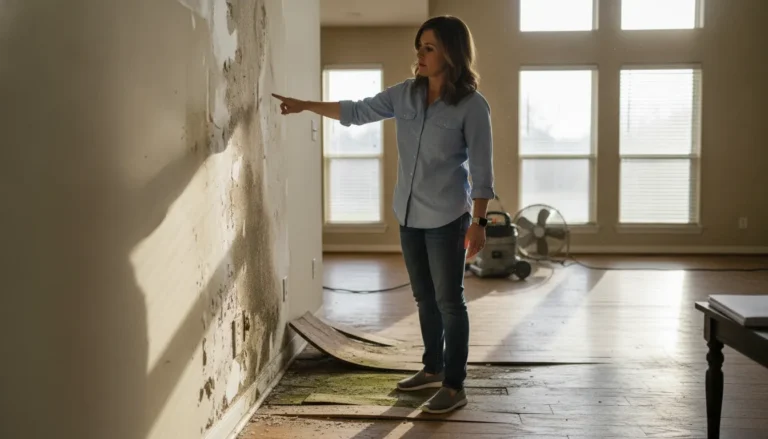
In some cases, you may even be forced to tear down parts of your building that were not hit to meet new safety laws. This is common in areas where rules have changed to protect against wind or fire. If your policy does not have ordinance or law protection, you could be left with a building that you cannot legally use.
Texas-specific exclusions and gaps
It is vital to look closely at your current plan. Texas business policies often have specific gaps or limits for code-required upgrades. These rules can surprise owners after a major loss. You might think you are fully covered, but you could find out too late that your policy caps what it pays for code rules.
As a business owner, you need to know the risks your property faces. Choosing the right plan now can prevent a major loss later. Working with a firm that knows the business side of law can help you understand these complex terms.
How Much Ordinance or Law Coverage Do You Need?
Finding the right amount of ordinance or law coverage is a vital step for any business owner. You do not want to find out you do not have enough insurance after a large fire or storm. Most plans offer this coverage as a small part of your building limit. You must look at the age of your building and local rules to pick the right amount. If you own a large site, the cost to meet new codes can be very high.
Assess your building risk factors
Older buildings need the most coverage. Codes for safety and energy change every few years. If your shop was built decades ago, even small damage could force you to redo the power system or add ramps. For sites worth $2 million to $50 million, these code-required upgrades drain budgets fast.
In North Texas, building costs have risen fast. Rebuilding a large site requires more funds to cover higher rates today. This is why owners in Dallas and Fort Worth choose higher limits.
Typical coverage limits for businesses
Most insurance firms set coverage limits based on a share of your building’s total value. A common choice is 10% or 25% of your main limit. For example, if your building is insured for $2 million, a 10% limit gives you $200,000 for code upgrades. While this sounds like a lot, big changes to a large business site can pass that mark fast. You should review your commercial property insurance to see if your limit fits your actual risk.
Some plans may have even lower limits for certain types of costs. For instance, the cost to tear down the undamaged part of a building is often limited. If the law says you must demo the whole site after 50% damage, you need enough funds for that work. Checking these numbers now can save you from a big loss later. Many experts suggest the 25% limit for any building over twenty years old.
Choose replacement cost coverage
Always choose replacement cost coverage over actual cash value. Actual cash value deducts depreciation, paying less for older parts. Replacement cost pays market prices, which is key when buying new parts to meet current codes.
The Texas Department of Insurance states that replacement cost coverage is the best way to fully protect your assets. It pays the full cost even if that price is much higher than what you first paid for the building. Without this, you might have to pay for the gap between the old value and the new cost yourself. For a high-value business site, this gap could be worth millions of dollars. Making this choice now ensures you can rebuild without losing your business savings.
Real-World Examples of Ordinance or Law Coverage Gaps
Property owners in North Texas often assume their standard policy covers every cost to rebuild. However, building codes change often, and local laws can force you to spend far more than your repair estimate. These gaps in commercial property insurance can lead to big out-of-pocket losses for businesses.
Financial Impact of Local Codes
Most commercial policies exclude costs to meet new safety or energy rules unless you add extra coverage. The Florida Office of Insurance Regulation notes that these exclusions leave many owners with large gaps after a disaster. Knowing these risks helps you protect your business from sudden code rules.
- The partially damaged wall gap. Imagine a fire destroys 75% of a large structural wall. Under a basic policy, the insurer only pays to fix the 75% that burned. If local codes require the full wall replacement, you pay the other 25% yourself without Coverage A.
- The 50% damage rule. In many cities, if a storm or fire damages more than half of a building, you cannot just fix it. The law may force you to tear down the whole structure and rebuild it from scratch to meet new rules. A standard policy only pays to fix the part that was hurt. You would pay the cost to knock down the good half and the extra money needed to meet Texas building standards.
- The multi-million dollar shortfall. One older condo complex had a $250,000 limit for code upgrades. After two major hurricanes, the owners found they needed $7 million to bring the buildings up to current safety rules. They were left with a huge debt because their limit was too low for the real cost of modern work. This shows why a small limit is often not enough for large sites.
Lessons for Business Owners
These cases prove code upgrade costs differ greatly from simple repairs. Tim Hoch, a Board Certified lawyer in North Texas, sees how mandatory building code upgrades drain budgets. Check your policy limits now.
Older buildings are at the highest risk because they have the most catching up to do. If your property was built before 2000, your gap between current value and the cost to meet new codes is likely very large. A free review of your coverage can help find these hidden risks before a fire or storm hits.
How to Verify Your Policy Has Adequate Ordinance or Law Coverage
You should not wait for a fire or storm to find out if you have enough coverage. Checking your policy now can save your business from a large loss later. Many owners do not know that standard plans often leave out the cost of new building rules. A simple review of your insurance papers can show you where you might have gaps in your ordinance or law coverage. Knowing your risks today helps you avoid a bad surprise if you ever need to file a claim.
Policy Summary and Limits
Start by looking at your policy declarations page. This page is a short summary of your insurance plan. It lists what is covered and how much the company will pay. Look for terms like “ordinance or law” or “building code upgrade.” If you do not see these words, your plan may not have this protection. Some plans list this as a sub-limit. This means the insurer only pays a small set amount for code changes. According to the Texas Department of Insurance, commercial property insurance is meant to help you repair or replace your building after a loss. But without the right add-on, you might have to pay for code upgrades on your own.
Most code coverage is set as a percent of your total building limit. You might see a 10 percent or 25 percent limit on your summary page. For an older building, a 10 percent limit is often not enough to cover new city rules. If your building is more than twenty years old, you may need a higher limit. Laws for fire safety, wiring, and ramps for the disabled change often. These changes can add thousands of dollars to your repair bill. You want to make sure your limit matches the real cost of modern work in your area.
Coverage for Parts A, B, and C
Full protection usually has three parts. Coverage A pays for the part of your building that was not damaged but must be torn down. This happens when laws say a partially damaged building is no longer safe. Coverage B pays for the cost of the demolition itself. This covers the crews and tools needed to clear the site. Coverage C pays for the extra cost to build back using modern rules. You should check if your plan has all three. If you only have one part, you are still at risk. It is common for owners to have gaps they do not see until it is too late. A commercial property insurance dispute can often start because these parts were missing from the policy.
Help from a Property Lawyer
Insurance papers are hard to read. They use many legal words that can be confusing. If you are not sure what you have, you should talk to a lawyer who knows property law. They can read the fine print and find any hidden gaps. They know how to spot terms that might limit your pay. As noted by the Hoch Law Firm, failure to check your policy can lead to big money problems after a disaster. A lawyer can help you ask your agent for the right changes. This ensures your business has the full protection it needs before a claim happens. Tim Hoch brings his years of experience as a business owner and lawyer to every review.
Frequently Asked Questions
Does standard commercial property insurance cover building code upgrades?
Standard commercial property policies usually do not cover building code upgrades. Most basic plans contain a rule that excludes costs linked to local laws. If a fire damages your store, your insurer might only pay to restore it to its old state. As Hoch Law Firm notes, business policies often have rules that exclude code-related costs. This can lead to large out-of-pocket expenses for owners who must meet new safety rules.
Is ordinance or law coverage mandatory in Texas?
Ordinance or law coverage is not required by law in Texas, but it is a good idea. Many lenders want this protection before they will give a loan for a commercial building. Without it, you could face a large financial gap if a disaster strikes. The Texas Department of Insurance states that commercial policies pay to fix or replace buildings, but rules against code changes are common. You should check your policy limits to ensure you are fully protected.
Can the city force me to demolish an undamaged building?
Yes, local building codes can force you to tear down the part of a building that is still safe. This often happens if the damage is more than half of the building. If you do not have ordinance or law coverage, your insurance may not pay for the cost of tearing down that safe part. According to Progressive, this coverage helps pay for the tearing down and removal of the part that was not damaged after a major loss.
How do building code changes affect insurance claims for older properties?
Older buildings are at higher risk because they were built under old safety rules. When you fix an old building, new laws may require you to add new fire sprinklers or ramps. These required upgrades can be very expensive. As Hoch Law Firm explains, failing to understand this coverage can lead to large money gaps for business owners after a disaster. This protection ensures your insurance pays for the modern upgrades that the law requires during your rebuild.
Are you ready to protect your business from building code compliance costs?
Waiting to check your policy can be a costly mistake for any Texas business owner who needs to rebuild after a major loss. If a fire or storm hits your property, you may find that high building code costs are not covered by your current plan. This gap often costs property owners hundreds of thousands of dollars in fees that could have been stopped early. Acting now ensures you have the right plan in place before a disaster happens and keeps your business safe from sudden costs. Our legal team can help you review your commercial property insurance policy to find these hidden risks and save you money.
Ready to protect your business? Call (817) 731-9703 to schedule a free consultation with Hoch Law Firm.