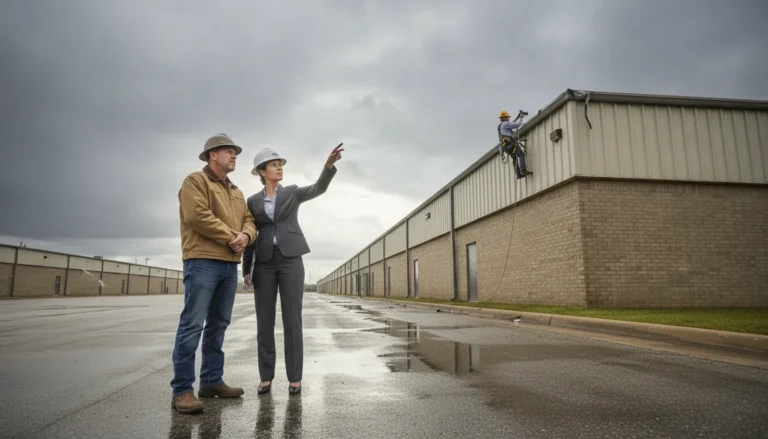
A stalled insurance claim can halt business growth and threaten your commercial property investment. When insurers delay payment for storm damage, they prioritize their quarterly profits over your operational survival. You need a legal strategy that protects your balance sheet and secures your recovery.
A policyholder attorney texas manages the legal details of insurance disputes to ensure business owners receive fair payment for property damage. These experts provide clear help when insurers use bad faith tactics, such as slow payments, to protect their own profits. In Texas, the Texas Department of Insurance requires that carriers acknowledge a claim and begin a review within fifteen business days. When companies fail to meet these deadlines or wrongly use policy terms, a legal advocate starts a lawsuit to recover what the policy owes. This process involves proving storm damage and holding the insurer to their contract. By hiring an advocate, a property owner shifts the legal work to a professional who understands the financial stress of commercial ownership.
Navigating a major insurance dispute requires more than a repair estimate. You need a partner who understands how a denied claim impacts your revenue. Understanding Why Commercial Claim Disputes Require a Policyholder Advocate is the first step toward reclaiming your stability. The path begins with understanding why commercial policy complexities require dedicated advocacy.
Why Commercial Claim Disputes Require a Policyholder Advocate
Commercial property claims often reach millions of dollars in total value. Unlike a home claim, a business loss involves high-stakes assets and complex policy forms. Large losses can stop your cash flow and put your entire operation at risk. This scale makes the role of a experienced policyholder attorney in Texas vital to your recovery.
Complexity of business loss
Commercial insurance policies are not one-size-fits-all contracts. They often include many riders and unique limits that are hard to read. A small error in how you file can lead to a large loss in your payout. Carriers know these rules and may use them to lower what they owe you.
Insurance companies in Texas have a legal duty to act. They must try in good faith to reach a fair and prompt settlement when liability is clear, according to the Texas Department of Insurance. But many firms find that carriers prioritize their own profits over the needs of the policyholder. This tension often leads to long delays or unfair denials that harm your bottom line.
Protecting your business assets
A seasoned legal advocate does more than just fill out forms. They look for ways the carrier might be acting in bad faith to save money. By using an advocate, you level the playing field against a large insurance team. Your lawyer works to ensure the carrier meets its duty to give you a fair result.
Tim Hoch brings a unique view to every case he handles. He is a trial lawyer with Board Certification in Personal Injury Trial Law and a history as a business owner. He understands the stress of a closed shop and the need for a fast, full recovery. This background helps him fight for the best outcome for your firm.
Impact on cash flow
When a storm or fire hits your building, time is your enemy. Business interruption costs can mount each day you are closed. A carrier may delay your claim to pressure you into a low settlement. An advocate pushes the carrier to move fast and pay the full amount you are owed.
Your lawyer will review every part of your policy to find all covered costs. This includes not just the building repair but also lost income and extra costs to stay open. Having a pro on your side ensures you do not leave money on the table when you need it most.
Crucial Deadlines: The Texas Claim Timeline and Catastrophe Extensions
Commercial property owners in Texas face strict rules for insurance claims. The Texas Insurance Code sets clear dates that insurers must meet. If a company misses these marks, they might act in bad faith. A policyholder attorney in Texas can help you track these dates to get a fair result.
Mandatory Claim Response Times
Texas law protects you from long delays. Insurers have specific times to start their work and give you answers. If your insurer stops talking or drags their feet, you may need to take legal action. Knowing these steps helps you hold them to the law.
- Claim acknowledgment and start of review. Once you file your claim, the insurance company has 15 business days to tell you they got it. They must also start their review and ask for any items they need from you. This fast start is required by the Texas Department of Insurance to keep claims moving.
- Decision to pay or deny. After the insurer gets all the items they asked for, they usually have 15 business days to tell you if they will pay. They must give you a reason in writing if they turn you down.
- Request for extra time. An insurer can ask for more time to make a choice. They can get a 45-day extension if they send you a written note. This note must explain why they need more time to finish their work.
- Major storm extension rules. During a big storm or other major event, the state may grant a 15-day extension to these dates. This gives insurers more time to handle many new claims at once.
How an Attorney Helps with Timelines
Insurance companies often use these rules to delay your pay. They might ask for the same files many times to reset the clock. A insurance claim denial lawyer can spot these tricks. We make sure the company follows the law and pays what they owe.
Tim Hoch is a board certified property insurance lawyer who knows these tactics well. He has seen how insurers try to stretch out the clock. Our firm works to keep your claim on track so your business can get back to work fast. We help you push back when an insurer tries to use a storm as an excuse to ignore your rights.
The Entrepreneur’s Advantage in Bad Faith Litigation
Insurance disputes involve more than just legal rules. For a company owner, a denied claim is a threat to the bottom line. Tim Hoch offers a unique edge because he is both a Board Certified trial lawyer and a former business owner. He built and sold a multi-million dollar firm before focusing on law. This background allows him to see a case through the eyes of a peer, not just an attorney.
Bridging Law and Business
Most lawyers only look at the text of a policy. While the law is vital, a seasoned expert knows that real-world experience wins cases. Tim Hoch understands how a loss affects cash flow and daily operations. He can read a balance sheet as easily as a legal brief. This dual view is a major help when holding an insurer accountable with a dedicated policyholder attorney who knows how business works.
Insurance companies often use delay tactics to pressure owners into low settlements. In Texas, the Texas Department of Insurance prohibits firms from refusing to pay without a fair search for facts. Tim’s history as a founder means he can spot when an insurer ignores the true costs of a disruption. He fights for the full amount your firm needs to survive and grow after a loss.
Peer-to-Peer Advocacy
When you hire an experienced policyholder attorney in Texas, you need someone who speaks your language. Commercial claims for warehouses or office buildings have high stakes. A lawyer who has managed payroll and profit knows the pressure you face. This peer-to-peer bond creates a stronger case because the strategy is built on real business needs.
Tim Hoch handles every case directly to ensure a high level of care. He does not pass work to junior staff who lack business experience. This direct link ensures that your legal strategy aligns with your business goals. By focusing on both law and trade, he works to get the best result for your future.
Three Strategic Steps for Business Owners Prior to Litigation
When you face an insurance dispute after a loss, your first moves set the stage for your recovery. You must act as a smart business owner to protect your interests before you even file a lawsuit. Taking the right steps now helps your Texas-based policyholder representation build a strong case if the insurer refuses to pay what you are owed. Good prep work ensures you meet your legal duties while you hold the carrier to theirs.
Locate your policy declaration page
Before you call the insurance company, you must find your policy declaration page. This page acts as a map for your claim by listing your policy number, limits, and costs. It is the core of any business interruption claim review. You need these facts to know how much coverage you have to help your firm survive after a big loss. Knowing your limits early stops the insurer from cutting your claim based on a lack of data.
A policyholder lawyer in Texas will use this page to find gaps the insurer might try to use. Business policies are long and hard to read, but the declaration page gives you the basic facts you need to start the task. Keep a digital copy in a safe place so you can share it with your legal team. This simple step saves time and helps you avoid errors when you talk to the adjuster for the first time.
Document every communication
You must keep a clear record of every talk you have with the insurance firm, and follow a commercial property insurance dispute lawyer checklist as the dispute progresses. This includes emails, letters, and notes from phone calls. If an insurer unfairly denies or cuts a valid claim, they often put their own profit over their duty to you. This is known as insurance bad faith. A paper trail shows how the insurer handled your case and if they failed to meet their duties to the policyholder.
Good records are vital because Texas law needs proof of an insurer’s actions for a bad faith claim to hold up in court. A judge will look for an objective determination that there was no fair reason for the denial or delay in payment. Your notes and saved emails provide the proof needed to show a pattern of bad behavior. Do not rely on your memory; write down the date, time, and name of every person you speak with at the firm.
Prevent further physical damage
You have a legal duty to protect your property after a loss occurs. Texas law needs policyholders to take fair steps to prevent further damage after a storm or fire. This might mean board-up services for broken windows or a tarp for a roof. If you fail to do this, the insurance firm may try to deny parts of your claim by saying the new damage was your fault. This tactic is common when insurers want to pay you less.
Keep all receipts for these quick repairs. These costs are often covered by your policy as part of the claim. By acting fast, you show that you are a responsible owner who is doing their part to stop more losses. This bold stance makes it harder for the insurer to argue that you did not follow the rules of your policy. Keeping track of these steps adds more proof to your files and helps your final recovery.
Public Adjuster vs. Policyholder Attorney Texas: When to Partner with a Trial Lawyer
Property damage can stall your business and hurt your cash flow. When you file a claim, you may wonder if you should hire a public adjuster or a policyholder attorney Texas. Both roles help you get money back, but they provide different levels of support and legal power. Choosing the right partner depends on how the insurance company treats your claim.
Public adjusters and claim costs
A public adjuster is an expert who helps you list the damage to your property. They use tools to create a clear list of repair costs. Their main job is to value the loss and talk with the insurance company to get a settlement. Public adjusters are helpful early in a claim when the big issue is how much the repairs will cost.
But public adjusters cannot give you legal advice. They cannot read the legal parts of your contract to see if the insurer is breaking the law. If your company denies the claim, an adjuster has few tools to fight back. They cannot go to court for you or file a lawsuit to force the company to pay. Their work ends when the insurance company stops talking.
Policyholder attorneys and legal force
A policyholder attorney Texas gives legal help that goes past simple math. Lawyers read your insurance policy to find gaps in coverage. They also spot when a company acts in bad faith. Under Texas law, insurers are not allowed to refuse to pay claims without a fair review first. If the company fails to follow these rules, a lawyer can take them to court.
Attorneys also handle the hard parts of a lawsuit. They can demand files and emails from the insurance company to find the truth. This pressure often forces insurers to act more fairly. While an adjuster stops at talks, a lawyer can push your case to a jury trial. This path is often what it takes to get a fair win for your business.
The value of a board certified trial lawyer
When talks stall, you need a lawyer who is ready to go to trial. Tim Hoch is a board certified property insurance lawyer with more than 30 years of work in court. He handles every case himself so you get direct help from an expert. As a former business owner, Tim knows that a late payment is a big risk. It can threaten how your company works every day.
| Feature | Public Adjuster | Policyholder Attorney |
|---|---|---|
| Authority | Licensed to adjust insurance claims. | Licensed to practice law in Texas. |
| Court Representation | Cannot represent you in court. | Provides full legal representation. |
| Bad Faith Litigation | Cannot sue for bad faith practices. | Can litigate bad faith and contract law. |
| Fee Structure | Percentage of the total claim amount. | Contingent fee basis (no win, no fee). |
A trial lawyer brings a level of power that insurers respect. By hiring a firm that only works for policyholders, you make sure your legal plan fits your business goals. This path helps you get the funds to fix your property and get back to work fast. A strong legal team can turn a denied claim into a win for your company.
Frequently Asked Questions
Why should I hire a policyholder attorney in Texas?
A policyholder attorney helps you navigate complex laws and identifies gaps in your coverage. Unlike the insurance company’s legal team, these lawyers work solely for you. According to the Hoch Law Firm, an attorney holds insurers accountable when they fail to meet their duties. This is vital for business owners who face large property losses or complex contract disputes that require a high level of legal skill and trial experience to resolve fairly.
What is the difference between a public adjuster and a policyholder attorney?
Public adjusters focus on finding the value of your loss and filing paperwork. They are helpful for the early stages of a claim. However, they cannot provide legal advice or represent you in court. As noted by the Hoch Law Firm, a policyholder attorney provides legal representation to hold insurers accountable in disputes and litigation. If your claim is denied or you face bad faith tactics, you need a lawyer who can file a lawsuit.
How do I know if my insurance company is acting in bad faith?
Bad faith occurs when an insurer puts its own profits over its duty to you. Common signs include denying a valid claim without a real reason or delaying payment for too long. The Texas Department of Insurance prohibits insurers from refusing to pay claims without a reasonable investigation. If your insurer stops talking to you or offers much less than your policy allows, they may be breaking the law. A lawyer can help you spot these tactics.
How can an attorney help with business interruption claims?
When a disaster shuts down your company, you lose money every day. An attorney reviews your policy to see which losses are covered and fights for the funds you need to survive. The Hoch Law Firm explains that legal counsel helps determine coverage and challenges insurers that try to minimize your losses. Having a lawyer with a business background is key. They understand how a dispute impacts your balance sheet and your daily operations.
What types of insurance claims can a policyholder attorney handle in Texas?
These attorneys handle many cases, including damage from wind, hail, or fire. They also deal with business interruption and bad faith disputes. In Texas, storm damage is a major cause of commercial property lawsuits. According to the Hoch Law Firm, they represent owners of office buildings, warehouses, and apartment complexes. Whether your claim was denied or the payment is too low, an attorney can step in to protect your rights and your business.
Ready to protect your business with a policyholder attorney?
Waiting to file your case can hurt your bank account and slow down your payout as the insurer works to keep their own profits. Every day you delay gives the insurer more time to build a case against you instead of paying for your property loss to your business. Starting your case today helps you set a clear path and moves you closer to the fair results your firm needs to grow.
Ready to protect your bottom line? Call (817) 731-9703 to schedule a free consultation and case evaluation with Board Certified trial lawyer Tim Hoch. Let a proven business owner and expert trial lawyer fight for the fair pay you deserve to move forward.