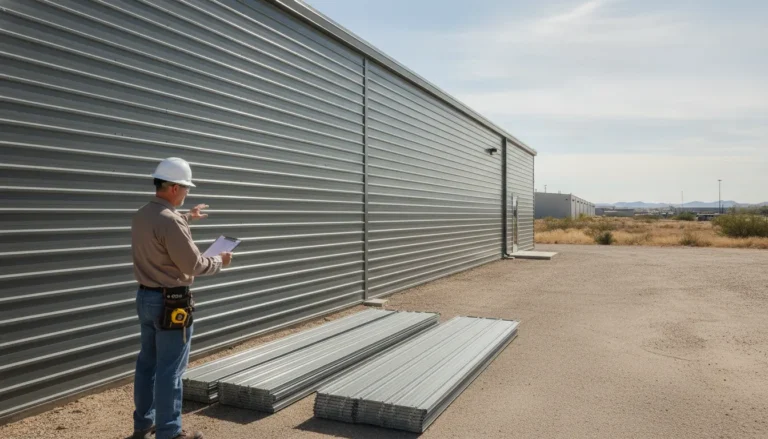
A replacement cost insurance claim lawyer Texas commercial owners consult can help when a carrier prices only the dented panels. The rest of a matching wall or roof can stay unpaid. Matching asks whether adjacent material must be replaced so the finish is like kind and quality. It is not a second lesson in actual cash value versus replacement cost. Hoch Law Firm, led by Tim Hoch, Board Certified in Personal Injury Trial Law, reviews Texas commercial property claims from Fort Worth for owners across the state. Read the valuation clause, the estimate, and the photos before a contractor tears off material you may need as proof.
Call (817) 731-9703 to review a matching dispute.
The commercial property page is the right next stop for a broader replacement cost claim review. This article stays on a narrower job. It covers when matching can change the repair scope and the payment. It also covers which records to keep before work starts, and when to ask counsel to compare the two estimates.
When a replacement cost insurance claim lawyer Texas owners call sees matching change the repair
Replacement cost coverage pays to repair or replace property at current cost, not at a depreciated value. The Texas Department of Insurance states that distinction in its commercial property guide. The definition does not decide whether the insurer must replace undamaged siding, roofing, or flooring so the repair matches. Many commercial forms limit payment to material of like kind and quality. Some add a matching limitation or a cosmetic-damage exclusion. The clause in your form controls.
A neighboring panel that is the same product, color, and profile is a different fact from a panel that only looks close in a noon photo. Matching tends to matter in four commercial settings.
- A roof slope where the damaged field cannot be patched with the same shingle or membrane that is still sold.
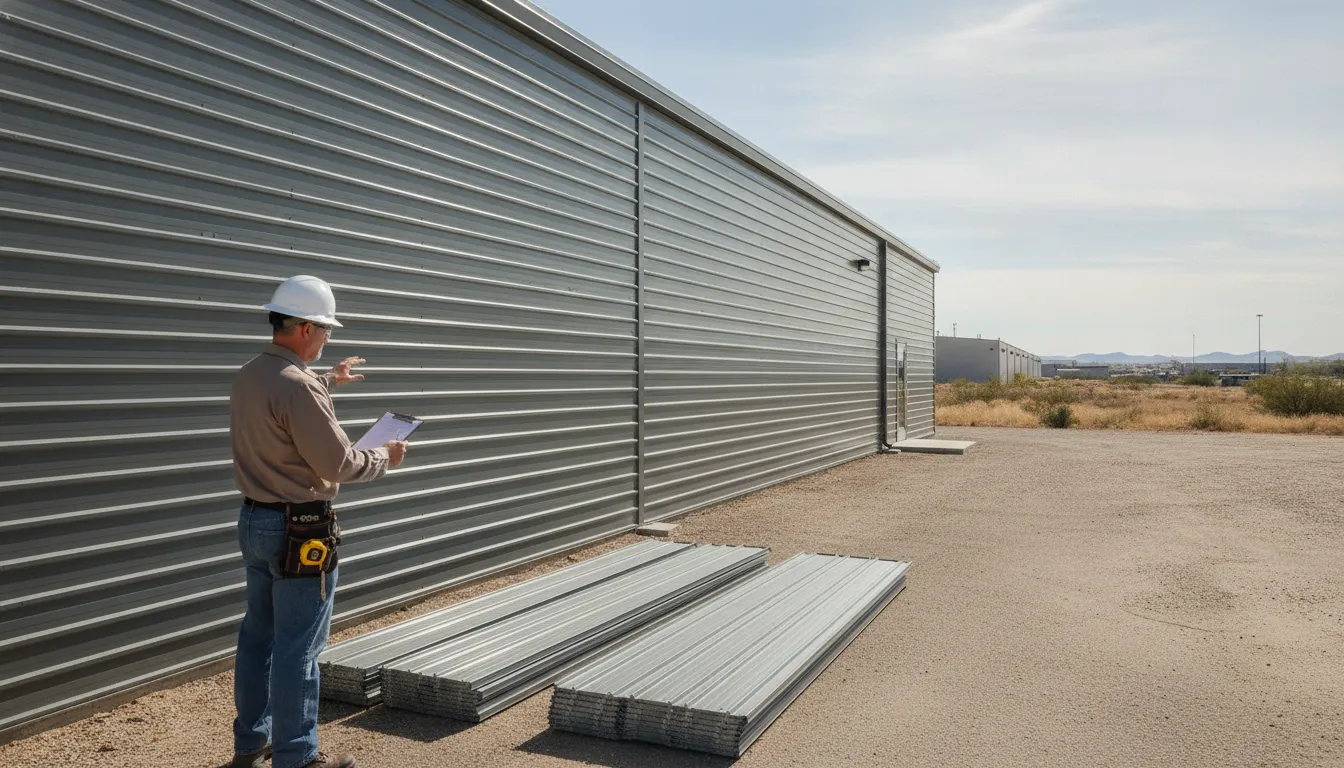
- Metal wall panels where one elevation is dented and the other elevations would show a color or profile break.
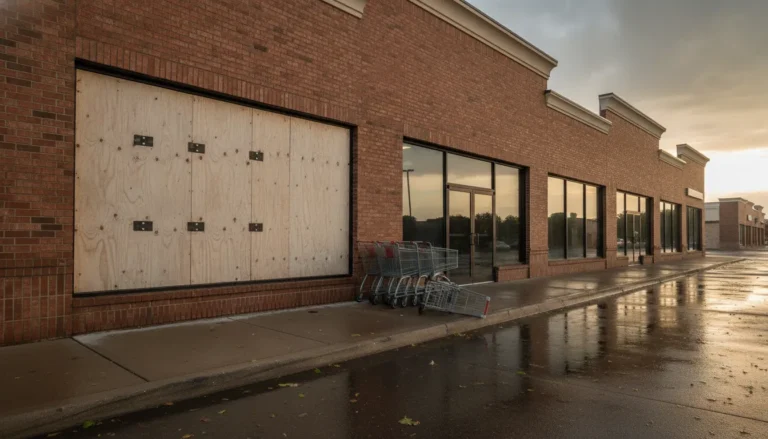
- Storefront glass or an entry system where one lite is broken and the rest of the opening would look patched.
- Interior finishes where one run of flooring, wall covering, or ceiling tile is discontinued.
Matching matters less when the damaged item stands alone. One HVAC condenser, one door, or one light fixture can often be swapped without changing a continuous surface. Do not assume a residential roof rule applies to a commercial form. Ask for the form number. Also ask for any endorsement that mentions matching, pair and set, or cosmetic damage. Keep that page with the estimate.
Color is not the only mismatch. Fastener pattern, panel width, seam direction, and texture can show after a spot repair even when the paint code is close. A membrane patch can meet the leak test and still leave a different surface on a visible slope. Write down which of those differences the contractor can see from the street, and which ones show only up close. That note keeps the dispute tied to the building rather than to a general preference for a new elevation.
What to document before the contractor starts
Repair decisions often get made before anyone has photographed the full elevation. Once the crew removes panels, the color, profile, and fastener pattern are harder to prove. A useful file is specific, dated, and tied to a location on the building.
- Wide photos of each elevation and close photos of the damage, taken in even light, before tarps or tear-off.
- A label, stamp, or manufacturer mark from the existing material, plus a sample if removal will not enlarge the loss.
- The contractor’s note on whether the same product is still made, and any discontinued-product letter from the supplier.
- Two written scopes: one for damaged units only, and one that continues the surface to a corner, ridge, or floor break.
- Estimate lines that price matching labor and material apart from the spot repair, so the dollar gap is visible.
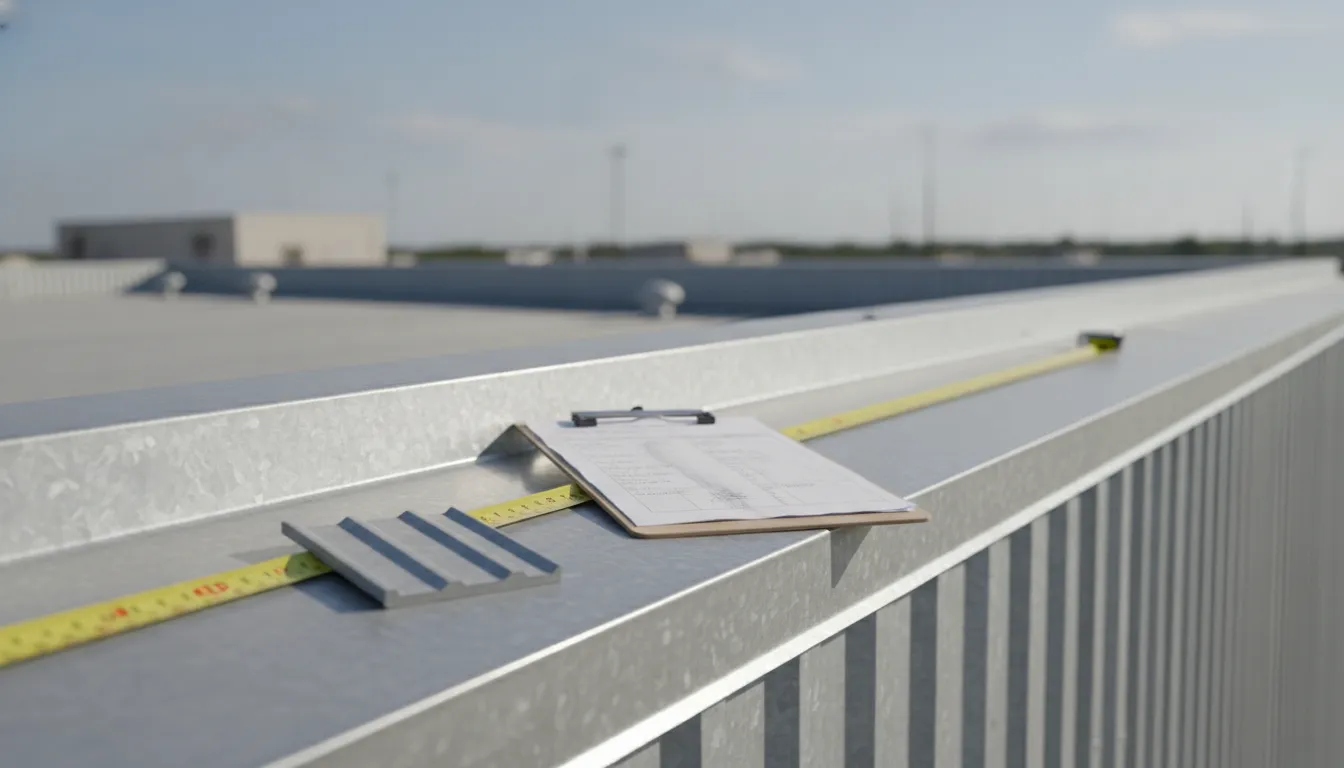
Keep the claim diary short. Note who visited, what they measured, and whether they looked at undamaged portions of the same surface. If an adjuster says matching is not covered, ask which form language they rely on. Save that message with the photos.
Label each photo with the elevation and the date. A north-wall dent and a south-wall color sample answer different questions. If the supplier will not put discontinuation in writing, save the quote that says the current product is the closest available match, and keep the price of that substitute next to the original product name. Do not rely on a verbal “they do not make that anymore” from the job site.
Measure the run that would have to change to reach a natural break. A corner, a ridge, a control joint, or a floor transition is easier to explain than a request to replace an entire building skin. Put that length on the matching scope. The spot-repair scope should use the same unit prices where the work overlaps, so the gap is the extra area rather than a different price book.
How a spot repair and a matching repair differ
Put the two scopes side by side before you accept a payment or sign a repair contract. The point is not to inflate the claim. The point is to see whether the cheaper scope leaves a mismatch the policy language may still have to address.
| Question. | Spot repair only. | Matching repair. |
|---|---|---|
| What gets replaced. | Only the units the adjuster marks as damaged. | Damaged units plus adjacent material to a corner, ridge, or other break. |
| Appearance after the work. | A patch that can show a color, texture, or profile change. | A continuous surface of like kind and quality where the product still exists. |
| Records that support it. | Damage photos and a unit-price estimate. | Elevation photos, a product sample or discontinued letter, and a second scope. |
| Payment risk. | A smaller check that may not finish the elevation. | A larger request the insurer may limit, exclude, or hold until repairs are done. |
| When it usually fits. | A discrete item that stands alone. | A continuous roof, wall, floor, or storefront where the patch would show. |
Depreciation and holdback are a different dispute. If the argument is about age, wear, or the amount withheld until repairs are finished, use the commercial property insurance depreciation guide. Do not treat matching as a depreciation percentage. If the argument is about replacement cost versus actual cash value, start with actual cash value versus replacement cost. The replacement cost versus actual cash value page covers the same split from the other direction. Those pages explain valuation. They do not decide a matching scope.
Read the two estimates for hidden differences that are not about area. One scope may include code-required fasteners, new underlayment, or a coating the other scope omits. Pull those lines out before you call the whole gap a matching dispute. Ordinance or law items belong in their own column. Matching, in this article, means the extra like-kind material needed so the repaired surface does not break at the patch.
How to read the policy language that limits matching
Three kinds of clauses show up in commercial property forms. They are often confused because each can reduce what gets replaced.
- Like kind and quality language describes the material used for the repair. It does not automatically require a whole elevation.
- A matching or pair-and-set limitation can cap or exclude payment for undamaged property, even on a replacement-cost form.
- A cosmetic-damage exclusion can bar payment for dents that do not let water in, which is a coverage question before it is a matching question.
Circle the sentence the adjuster quotes. Then look for an endorsement that changes it. A base form and a later endorsement can point in different directions, and the endorsement usually controls where it says it does. If the denial letter uses the phrase “betterment,” ask whether that word appears in the form or only in the estimate notes. Betterment is sometimes a shorthand for new material on an old building. It is not a substitute for the clause that actually applies.
Bring the declarations page only to confirm which form numbers are on the policy. The declarations page does not decide matching. The form and endorsements do. If a lender or property manager is also on the claim, keep their repair requirements in a separate note. A lender’s request for a uniform elevation is not the same thing as a policy promise to pay for one.
How a replacement cost insurance claim lawyer Texas owners hire compares the two estimates
A lawyer review is a document comparison, not a promise about what a carrier must pay. Tim Hoch and the firm look at the policy form, the endorsements, the two estimates, and the photo set. The review separates three questions that often get blended in one denial letter.
- Does the valuation clause promise repair or replacement at current cost, and has any repair-before-payment condition been met.
- Does a matching, pair-and-set, or cosmetic exclusion limit payment for undamaged property anyway.
- Is the remaining dispute about scope and like-kind quality, or about depreciation the other guides already cover.
Texas claim-handling rules are separate from the matching clause. Under Texas Insurance Code Chapter 542, an insurer may not knowingly misrepresent policy provisions that relate to coverage. It must also adopt reasonable standards for prompt investigation. That statute does not create a matching right the policy omitted. It is a reason to keep the form, the denial wording, and the dates in one file. The Texas Department of Insurance commercial property insurance guide is the plain-language source for the replacement-cost definition used above.
Bring the claim file, both estimates, and the product sample or supplier letter to a consultation. If the carrier has already paid a spot-repair amount, do not spend it on a scope you cannot document. The commercial property insurance page states that a free case evaluation is available. It also states that if the firm takes the case, you pay nothing unless we win. Confirm that arrangement against your own facts. Nothing on this page predicts a result.
Owners who already dispute the number, rather than which panels match, can read the replacement cost dispute guide. Use the property insurance process page for the claim timeline. Use the insurance appraisal page only if the form’s appraisal clause is the live dispute. Tim Hoch’s background is the credential page for the lawyer who would review the file.
A consultation is most useful before you sign a contract that locks in the smaller scope. Once the patch is installed, photographs of the old surface may be all that remains. Counsel can still read the form, but the sample and the side-by-side elevation are stronger if they exist before tear-off. Hoch Law Firm handles commercial property claim disputes for Texas owners. The firm does not sell policies, and it does not write the contractor’s scope.
Call (817) 731-9703 before you approve a spot repair.
Frequently Asked Questions
Does replacement cost coverage automatically include matching?
No. Replacement cost describes the valuation method. Matching depends on the repair language, any cosmetic or matching limitation, and whether the existing material can still be obtained. Read the form before you treat undamaged panels as covered.
Should I repair only the damaged area while the claim is open?
Make the building safe, and photograph the full surface first. A permanent spot repair can remove the sample and the color comparison. Ask the contractor to price both scopes in writing before tear-off.
What if the manufacturer discontinued the panel or shingle?
Save the supplier’s discontinued letter with a physical sample and photos of the undamaged field. Discontinuation is a fact about like kind and quality. It does not, by itself, prove the policy must replace the whole elevation.
Is a matching dispute the same as recoverable depreciation?
No. Recoverable depreciation is the amount a replacement-cost form may withhold until repairs are finished. Matching is about how much of a continuous surface the repair includes. Keep those files separate so the denial answers the right question.
When should a Texas owner call a lawyer about matching?
Call when the carrier has limited payment to a spot repair, the matching scope is materially higher, and you have photos plus the policy form. A consultation can sort valuation, exclusion, and scope before you sign a repair contract.