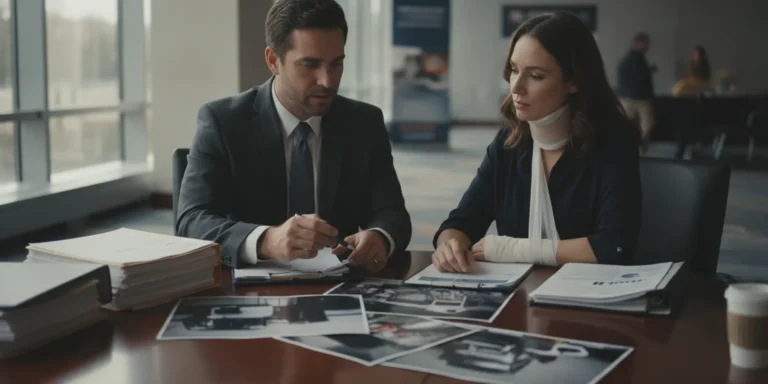
A Texas commercial property insurance vacancy loss claim can turn on a deceptively small detail: when the building’s use changed and what the policy says about that change. An insurer’s use of the word “vacant” does not by itself answer whether a particular loss is covered. Owners should compare the full contract with a dated account of occupancy, operations, physical condition, and the damage itself.
What does a vacancy provision address?
A commercial property policy may restrict coverage for specified losses when a building meets a defined vacancy condition for a stated period. The policy language varies. The contract may define vacancy, distinguish an unoccupied building from a vacant one, set a time threshold, identify affected causes of loss, or apply a condition to only part of a property. Read the declarations together with every form, endorsement, renewal, and amendment in effect on the date of damage.
Do not assume that ordinary speech supplies the definition. A business owner might describe a building as empty because the tenant has left. The policy may instead focus on its use, contents, operations, or some combination. Another building might have occasional maintenance visits but no active business. Those facts may matter, but they do not establish the policy result without comparing them to the actual words in the contract.
The issue can arise after fire, water damage, theft, vandalism, or another reported event. An insurer may ask when the tenant moved out, whether utilities were active, what property remained, who entered the building, and what work was underway. Answer accurately. If a date is uncertain, identify it as uncertain and look for records rather than presenting a guess as a confirmed fact.
Why do insurers and owners disagree about vacancy?
A vacancy dispute often combines several separate questions. One may concern the meaning of a defined term. Another may concern when a vacancy period began or whether it lasted long enough. The parties may also differ over the damaged area, the cause of damage, or whether another provision applies. Treating all of those issues as one broad argument can make it harder to see what evidence is missing.
- Definition: The policy wording may differ from the everyday meaning of “vacant.” Identify the exact definition and any qualifications.
- Timing: A move-out, business closure, renovation, or change in use can affect the timeline the insurer applies.
- Property and operations: Contents, equipment, business activity, visits, or work may be relevant depending on the language.
- Scope: A policy may address the entire building, a specific portion, or a particular described property. Map the affected location precisely.
- Cause of damage: The insurer may connect a vacancy limitation to a specific peril. The physical mechanism and any competing explanation deserve separate attention.
- Other policy terms: An endorsement, protective-safeguard condition, separate exclusion, or notice provision may also appear in the insurer’s explanation.
For example, imagine a retail tenant leaves one suite while another business continues operating in a different part of the structure. A conclusion about the whole property should not be assumed from the status of one suite. The policy’s scope language and a floor plan identifying the affected area can help frame the question. This example illustrates an evidence issue, not a guarantee that the occupied portion controls the result.
In another situation, the owner may have begun renovation after a tenant departed. Dated contractor invoices and progress photographs could establish what work occurred and when. They do not automatically prove that a vacancy provision is inapplicable. Their value depends on how the policy defines the relevant condition and what period it measures.
What should you do after damage to a possibly vacant property?
Begin with safety and reasonable mitigation. Address immediate hazards, take steps to prevent additional damage when feasible, and keep a record of the work. Do not put anyone at risk to obtain photographs or inspect an unstable building. If emergency work cannot wait, document conditions when safe and preserve invoices, work orders, and communications.
- Secure the policy in force. Obtain the full policy for the loss date, including declarations, forms, endorsements, amendments, renewal papers, and any written vacancy permission or other policy change.
- Make a chronology. List tenant move-out dates, changes in operations, utility changes, inspections, repairs, and discovery of damage. Mark each entry as confirmed, estimated, or still unknown.
- Record the physical scene. When safe, photograph damage, entry points, security measures, equipment, contents, and areas under construction. Preserve original files and note who took them and when.
- Collect records of building use. Gather leases, notices, rent records, utility bills, maintenance logs, contractor schedules, access logs, and marketing or leasing records that actually exist.
- Give notice and track requirements. Follow the policy’s notice and cooperation terms. Keep a copy of each notice and record its date, recipient, and delivery method.
- Organize insurer communications. Save letters, claim-portal messages, inspection notes, requests, and your responses with attachments. Keep a record of what was supplied and when.
These steps serve different purposes. The policy establishes the rules being disputed. The chronology organizes the time sequence. Scene documentation records the damage before repair changes it. Operational records help explain how the building was used. Claim communications show what questions were asked and what position the insurer took. Keeping those categories distinct makes later review more efficient.
Do not discard or alter damaged material before documenting it unless safety or urgent mitigation requires action. If a damaged item must be removed, photograph it in place and after removal when practical, list what was removed, and retain invoices or samples if feasible. A qualified inspector or other professional may be appropriate for a complex cause-of-damage question; the right expertise depends on the property and the issue.
Which records can explain occupancy and use?
There is no single evidence list that fits every building or policy. The objective is to assemble contemporaneous records that show what happened over the period in question. A later recollection can provide context, but dated documents, photographs, and business records may help verify its details. Keep contradictory records too; hiding an inconsistency can undermine confidence in the chronology.
| Record | Question it may help answer | How to organize it |
|---|---|---|
| Leases and tenant messages | When did a tenant leave, retain access, or plan to return? | Keep notices, amendments, and messages with dates and sender details. |
| Utility and service records | Did service continue, change, or stop during the period? | Pair bills with service orders and explain known reasons for changes. |
| Inspection and maintenance logs | Who visited, what work occurred, and what condition was observed? | Record dates, names, tasks, findings, and related invoices. |
| Renovation documents | What work was planned or underway, and on what schedule? | Collect contracts, permits, schedules, progress photographs, and payment records. |
| Photographs and access records | What was present, where was damage, and when was entry recorded? | Preserve original files and identify the person or system that created each record. |
| Insurance communications | What policy language and factual basis did the insurer identify? | Save the complete message, attachments, delivery date, and response. |
Interpret each record in context. A utility bill may show service but not who used the building or for what purpose. A photograph of desks or machinery may show contents but not whether a business operated there. A contractor invoice can establish work on a particular day, while a signed contract may show only planned work. Pair records when possible and state the limits of what each one proves.
One practical approach is to create a simple evidence index with four columns: document name, date, source, and issue it may address. If a utility account changed in March, for example, list the account record, the reason for the change if known, and any maintenance or safety records from the same period. This is more useful than sending an unlabelled folder containing years of bills.
How can you assess the insurer’s vacancy position?
Ask the insurer to identify the exact policy text it relies on and explain how it applies that language to the facts. If a reservation-of-rights letter, partial payment, or denial arrives, retain the complete document and note any requested response date. Compare the explanation with the full contract. A short portal message may not state every issue the insurer is evaluating.
Then separate the questions. Is the dispute about the definition, the start date, the length of time, or the portion of the building involved? Is the cause of damage contested? Is the insurer also relying on a different exclusion, safeguard condition, or notice issue? Does the disagreement concern coverage, repair scope, or both? Answering each question in its own section can prevent evidence about one issue from being mistaken for proof of another.
Consider a hypothetical warehouse where the insurer says the building was vacant before a water loss. The owner has records of weekly inspections and a contractor’s work, but no tenant during that period. The inspection records establish visits; the contractor records establish work. Neither alone answers how the policy defines vacancy. The next steps are to identify the applicable wording, pin down the dates, clarify the source of the water, and ask the insurer which facts it considers decisive.
Owners can consult United Policyholders’ Texas property-owner guidance for general information. It says a property owner may hire a qualified attorney or public adjuster to help document losses, file a claim, and negotiate a settlement. The resource is general guidance; it does not decide how an individual policy applies.
For related Texas coverage disputes, Hoch Law Firm provides information about insurance litigation, bad faith insurance claims, and appraisal disputes. Appraisal may address certain disagreements about the amount of loss, but it does not automatically resolve every policy-interpretation or coverage question.

What mistakes can make a vacancy dispute harder?
- Relying on a casual definition. Read the policy’s definition and endorsements instead of assuming ordinary usage controls.
- Turning estimates into firm dates. Label uncertain information and search for records that may confirm it. A transparent uncertainty is easier to evaluate than inconsistent statements.
- Sending records without context. Explain what a document is, when it was created, and what it may show. Do not claim it proves more than it does.
- Removing evidence too soon. Photograph conditions and record emergency work when feasible. Do not delay urgent safety measures for documentation.
- Overlooking deadlines. Track the policy’s requirements and correspondence dates. Do not assume discussions with the insurer extend a deadline.
- Assuming one explanation settles everything. Request the policy basis in writing and distinguish each stated ground for the decision.
- Declaring a conclusion without support. Avoid asserting that the building was occupied or that a cause is certain unless the available facts support the statement.
A concise, indexed file is often easier to review than a large collection of unlabelled material. Keep originals where possible. Make a copy of anything supplied to the insurer, and note the date and method of delivery. If the records conflict, preserve both versions and investigate the difference rather than silently choosing the one that seems more favorable.
When may a lawyer’s review help?
Legal review may be useful when an insurer relies on a vacancy provision to deny or limit a substantial claim, the meaning of a policy term is disputed, or the decision letter combines several coverage grounds. A review can help identify the controlling contract language, separate established facts from assumptions, and clarify which questions need more evidence. It cannot promise coverage or a particular outcome.
Before a consultation, gather the declarations and complete policy, the insurer’s latest position, the notice and claim chronology, photographs, and relevant occupancy or maintenance records. A short list of focused questions can make the discussion more productive. For example: Which definition is the insurer applying? What date does it say the period began? Does it address the whole building or a specific area? What policy language connects the alleged condition to this loss? Are there separate reasons for the decision?
Hoch Law Firm represents policyholders in property insurance disputes and handles a selective number of cases. Read about the firm’s property insurance practice and attorney, or review examples of prior case results. Past outcomes do not predict or guarantee the result of another claim.
Frequently Asked Questions
Does a vacant commercial building automatically lose insurance coverage?
Not necessarily. The policy’s definition, time period, affected perils, exceptions, endorsements, and loss facts all matter. Review the full contract and the insurer’s stated reasoning instead of assuming that a general rule decides the claim.
How does an insurer assess whether a property was vacant?
The insurer may examine the policy wording and records about occupancy, business activity, contents, maintenance, utilities, and dates. Which facts matter depends on the particular policy. Preserve records showing what occurred and when.
What if renovation was underway or a tenant was expected?
Keep contracts, schedules, permits, progress photographs, invoices, and leasing communications with their dates. The work or anticipated tenancy may provide context, but does not establish coverage by itself. The contract still governs.
Can repairs begin before the insurer inspects?
Take reasonable steps to protect people and prevent further damage. When feasible, document conditions first, notify the insurer, and retain records of emergency work. Do not postpone urgent safety or mitigation work solely to preserve evidence.
What should I do after a vacancy-based denial?
Keep the denial and full policy, note dates and deadlines, and ask the insurer to identify the language and facts supporting its decision. Organize evidence about timing, use, cause, and damage. Consider prompt legal advice if the claim is substantial or the basis remains unclear.
A vacancy dispute is best examined through the precise policy language and a reliable timeline, not assumptions about what “vacant” means. Preserving records and asking focused questions can help an owner understand the insurer’s position and decide on a practical next step.