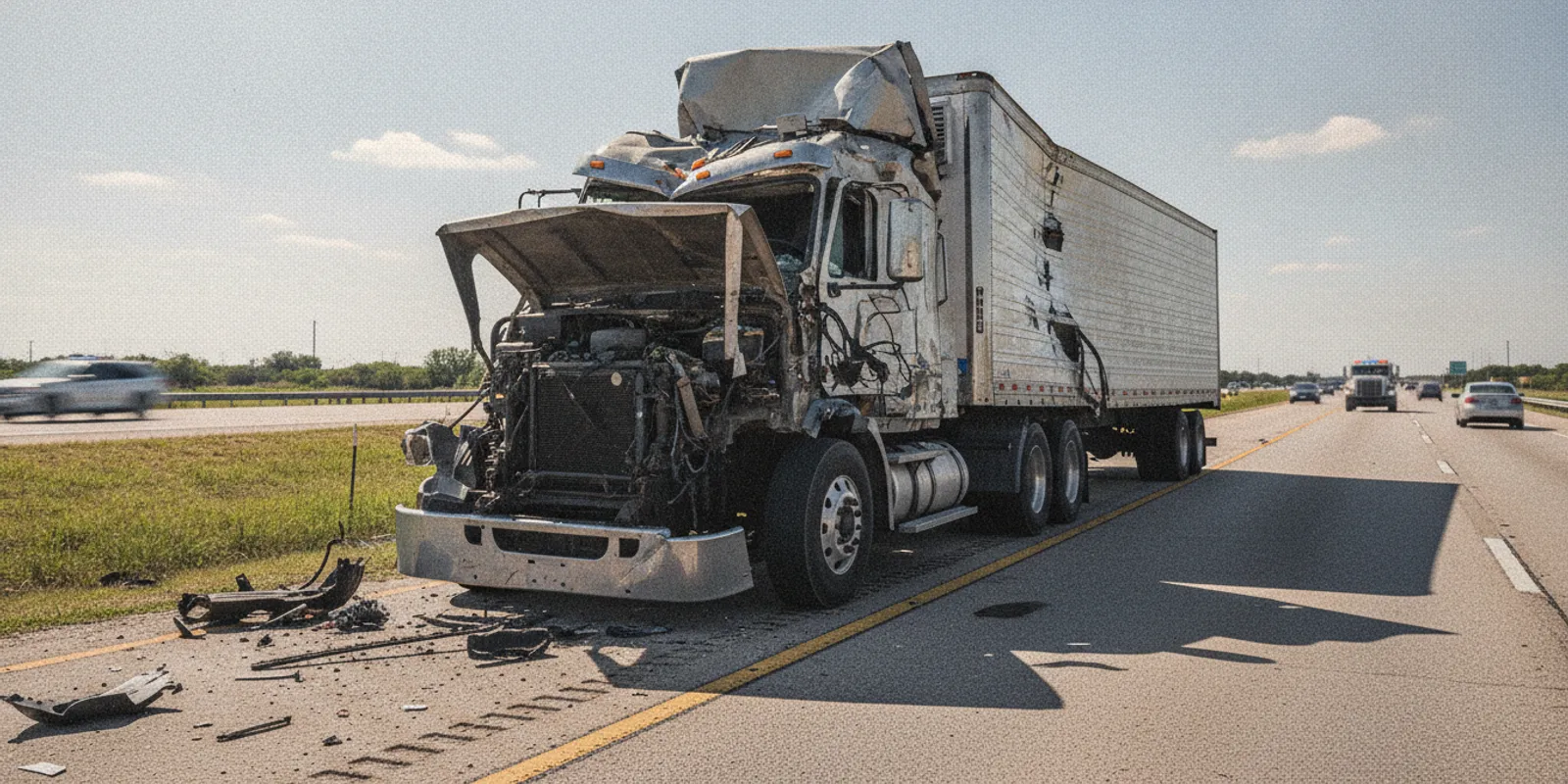
A serious crash involving an 18-wheeler can leave an injured person facing complex evidence, medical care, and questions about who may be responsible. If you are looking for an 18 wheeler accident lawyer Fort Worth families and individuals can turn to, begin by preserving records quickly and keeping a clear account of the harm the collision caused.
Call Hoch Law Firm to discuss your injury claim
Why can an 18-wheeler injury claim involve several layers of evidence?
A commercial truck crash may involve the driver, motor carrier, maintenance provider, cargo handler, vehicle manufacturer, or another party. The facts determine which potential sources deserve attention. A company may have policies, dispatch information, inspection files, and electronic records that are not part of an injured person’s paperwork.
Responsibility should not be assumed from vehicle types or an initial crash report alone. A careful investigation compares physical evidence, witness accounts, medical records, and available company records. The goal is to understand how the collision happened and how it affected the injured person.
For example, a driver may describe braking suddenly to avoid a hazard. A review of roadway photographs, event data, witness statements, and vehicle condition may clarify timing and sequence. If a mechanical issue is suspected, inspection and repair history may matter. Each line of inquiry should connect to an issue in the case rather than rely on speculation.
What truck data should be preserved?
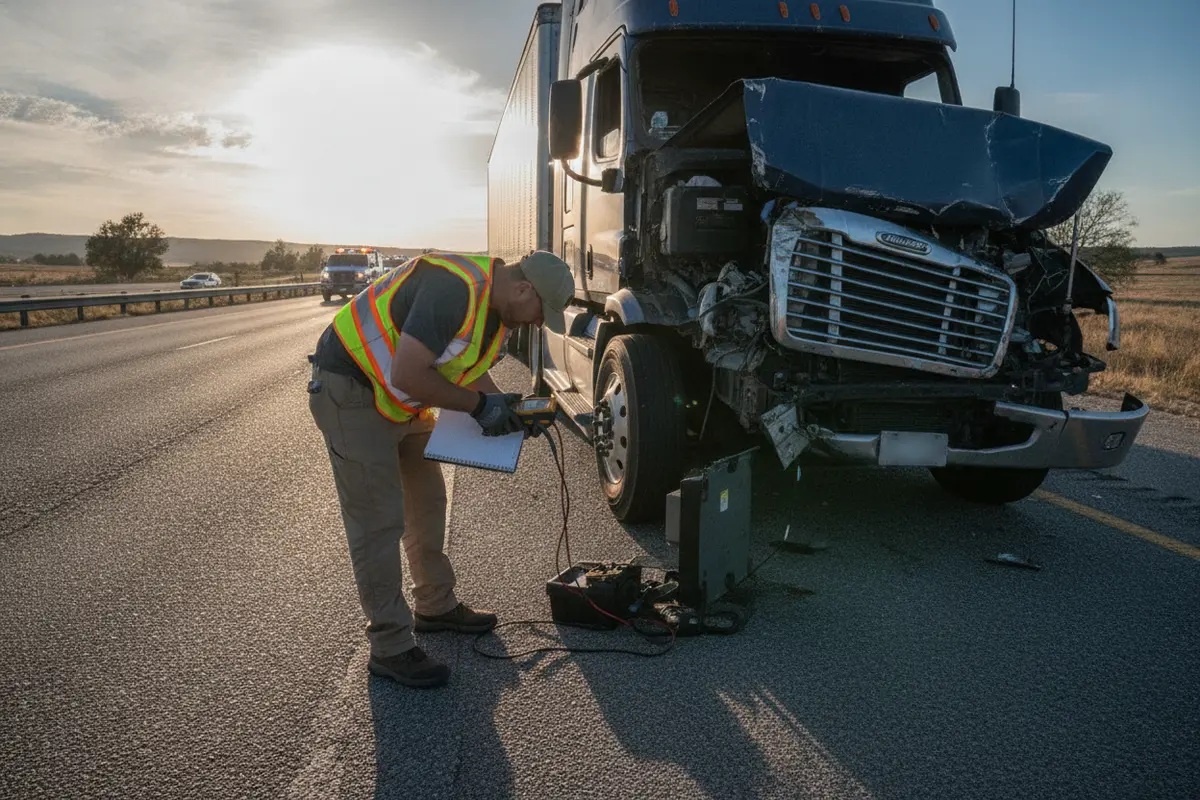
Some commercial vehicles record operational information through electronic systems. Depending on the vehicle and equipment, relevant information may include speed, braking, engine activity, or other event data. Available information and retention periods vary. A prompt preservation request can matter because electronic or company-held records may be overwritten or discarded under ordinary practices.
Other useful records may include driver logs, dispatch messages, trip details, inspection and maintenance records, training materials, cargo documentation, and post-crash reports. These materials can help establish what happened before and after impact, but each record must be interpreted in context. Data may have limitations, require specialized extraction, or need comparison with other evidence.
How can you help preserve useful information?
- Keep photographs, videos, and messages related to the crash in their original form.
- Write down the date, location, direction of travel, weather, and a timeline while details are fresh.
- Save contact information for witnesses and anyone who helped at the scene.
- Keep medical discharge instructions, bills, appointment records, and work-absence documentation.
- Avoid altering or deleting relevant digital files, and make a secure backup.
- Record the names of agencies or companies that contact you and save correspondence.
Do not try to obtain restricted company systems yourself or confront a driver or employer. An attorney can evaluate what formal steps may be appropriate to request preservation and access. If you have the truck’s company name, plate details, or identifying information from the crash report, keep it with your notes.
Which carrier records may help explain the crash?
The motor carrier’s records may help show how the truck was operated, maintained, or assigned. Depending on the issues, an investigation may examine driver qualification and training files, duty and dispatch records, inspection reports, repair history, cargo documentation, and company communications.
Not every record is relevant in every case. Maintenance history may be important when a mechanical problem is suspected, while scheduling and dispatch information may help assess a timeline. Driver qualification records may relate to experience or training questions. Cargo records may matter if load securement or distribution is at issue. A record’s existence does not itself prove wrongdoing; its meaning depends on reliable context.
A crash report is one source, not necessarily the complete account. It may capture initial observations, but it may not include later expert analysis, complete electronic data, or the full medical picture. Preserve your copy and note details that seem incomplete or incorrect. The Federal Motor Carrier Safety Administration provides information about federal commercial motor vehicle safety oversight and regulations; the relevant requirements depend on the vehicle and circumstances.
When reviewing a file, organize it by source and date. A simple index can distinguish scene photos, medical records, company communications, and official documents. Note missing items rather than filling gaps with assumptions. This makes it easier to identify what is known, what is disputed, and what further investigation could address.
When might experts be needed?
Experts may help analyze vehicle data, collision dynamics, roadway conditions, mechanical systems, or the nature and future effects of an injury. Their role is to explain specialized evidence, not replace the underlying facts. In a serious case, the investigation may need to connect technical conclusions to records, photographs, physical evidence, and testimony.
A reconstruction professional might compare vehicle damage, measurements, scene evidence, and available data to test competing accounts. A mechanical specialist may examine whether a component’s condition could have affected operation. The scope of such work should follow a clear question; specialized review is not automatically needed in every claim.
Medical professionals can describe diagnoses, treatment, limitations, and prognosis within their expertise. A vocational or economic analysis may be considered when injuries affect a person’s ability to work. Whether these resources are appropriate depends on the case and evidence. Organizing evidence can help counsel identify unanswered questions. Hoch Law Firm’s 18-wheeler injury resource provides related information, and the firm’s serious injury overview addresses injury-related considerations.
How should serious injuries be documented?
Follow the treatment plan given by your medical providers and tell them about symptoms, limitations, and changes over time. Keep copies of visit summaries, imaging results when available, prescriptions, referrals, and rehabilitation notes. A dated symptom journal can help you remember how pain or restrictions affect daily activities.
Be specific in your notes. Instead of writing only that a day was difficult, record the activity that was limited, how long it took, whether help was needed, and whether symptoms changed afterward. Keep the account factual and contemporaneous. Do not minimize symptoms, but do not exaggerate them. If a task now requires help, record what changed and when.
Keep work information separately. Save pay statements, leave records, employer communications, and any description of changed duties or hours. If an injury makes a commute, lifting, concentration, or a regular task harder, describe the limitation to your provider and record when it affects work. These notes do not replace professional opinions, but they can help show the practical effects of an injury.
Organize records in a way that is easy to update: one folder for treatment, another for expenses, and a dated log for symptoms and missed work. Retain originals when possible and note whether a document is an estimate, invoice, or payment record. If you notice an error in a medical record, ask the provider about the appropriate correction process rather than editing the record yourself.

What damages may be considered?
Depending on the facts and applicable law, claimed losses may include reasonable medical expenses, lost income, reduced ability to earn, physical pain, and effects on normal activities. The evidence and governing law shape which categories may be available. A claim’s value is not determined by a single formula, and no result can be promised.
| Potential category | Examples of supporting information | What to keep in mind |
|---|---|---|
| Medical expenses | Invoices, visit records, prescriptions, and treatment plans | Track dates and providers; do not assume every billed item is automatically recoverable. |
| Lost income | Employer records, pay statements, and time-away documentation | Record missed work and changes in duties or hours. |
| Future work effects | Medical opinions, work history, and vocational information | Future limitations require evidence and may be disputed. |
| Personal effects | Treatment notes and a dated account of symptoms and limitations | Describe actual changes in daily life consistently and specifically. |
Consider a hypothetical person who misses several weeks of work and later returns with restrictions. Pay records may help document missed income, while a provider’s notes and workplace records may clarify whether duties or hours changed. A diary may describe daily limitations, but it is not a substitute for clinical evidence. Each category needs its own supporting records, and the same document may not establish every part of a claim.
Keep receipts for out-of-pocket expenses tied to treatment or recovery, and identify the date and reason for each purchase. Do not assume an expense is recoverable simply because it followed the crash. Ask counsel how to organize disputed, reimbursed, or estimated amounts, and keep insurance explanations of benefits with the underlying bills.
How do the first steps compare with later investigation?
| Stage | Practical focus | Records to organize |
|---|---|---|
| Immediately after the crash | Safety, medical attention, and basic scene details | Photos, witness information, crash report details |
| Early claim review | Preserve evidence and identify involved parties | Truck and carrier information, communications, initial medical records |
| Ongoing treatment | Document diagnosis, care, and functional changes | Appointment notes, bills, work absences, symptom timeline |
| Detailed evaluation | Analyze responsibility, causation, and claimed losses | Relevant electronic data, carrier files, expert and medical analysis |
The sequence is practical rather than rigid. Medical care comes first when needed. A person may be receiving treatment while records are being preserved and responsibility is investigated. Some evidence can be gathered early; the complete effect of an injury may take longer to understand. Keep a running list of open questions, such as whether a witness has been identified or whether a requested record has been received.
What should you avoid while a claim is being evaluated?
- Do not guess about technical facts or accept blame before the evidence is understood.
- Do not sign a release or provide a recorded statement without understanding its scope and purpose.
- Do not post detailed commentary, photos, or speculation about the incident on social media.
- Do not discard damaged property or original records that may relate to the collision.
- Do not stop treatment solely because you are concerned about how a gap may look; discuss care questions with your provider.
Be cautious with requests to resolve a complex injury claim before the extent of the injuries is clear. Keep communications and written offers, and ask questions before making decisions. If a form or request is unclear, save a copy and seek advice about what it covers rather than responding under pressure.
How can legal counsel help with an 18-wheeler claim?
Counsel can review available facts, identify potential evidence sources, communicate with insurers, and assess whether additional investigation may be needed. In a serious injury case, timely attention to electronic data and carrier records may help prevent important evidence from being lost. Legal strategy depends on the specific crash and available evidence.
When speaking with a lawyer, bring a basic timeline, any crash report information, contact details for witnesses, and records of treatment and missed work. You do not need to solve technical questions before seeking guidance. A useful first discussion can identify immediate preservation concerns and distinguish urgent tasks from information that can be gathered later.
Hoch Law Firm handles select serious injury matters. Learn more about the firm’s personal injury practice, review Tim Hoch’s background, or see case results for examples of past matters. Past results do not guarantee a similar outcome.
Call to discuss your next steps
Frequently Asked Questions
How quickly should truck records be preserved?
Act promptly. Electronic data and company records may be subject to retention practices, and available information can vary by vehicle and system. A lawyer can evaluate appropriate preservation steps.
Does a crash report prove who was responsible?
A crash report is useful evidence, but it may not answer every question about fault. Additional records, witness accounts, technical analysis, and medical evidence may be relevant.
What if I am still receiving medical care?
Continue following your providers’ instructions and keep treatment records. It may be difficult to assess the full effect of an injury before its course is better understood.
Can carrier records show more than the driver’s account?
They may provide additional context about dispatch, inspection, maintenance, or other issues, depending on what records exist and are relevant. Their significance must be assessed with the facts of the particular crash.
Every collision and injury is different, so preserve what you can and get advice based on the specific facts before making decisions about a serious claim.