A supplier, customer, or contractor can refuse the deal before the due date. That refusal can stop work, delay payment, and leave the other side guessing. What can a Texas business do after anticipatory breach depends on whether the refusal is clear, what the contract requires next, and whether waiting helps or hurts the company. A vague complaint is not the same thing as a clear refusal to perform.
Call (817) 731-9703 to review a threatened refusal before you answer it.
Hoch Law Firm reviews the agreement, the timeline, and the practical impact before recommending a path. Tim Hoch is Board Certified in Personal Injury Trial Law, has practiced in Fort Worth since 1988, and also looks at disputes as a business owner. The firm keeps a selective caseload so the lawyer who reviews the file stays on it. For the broader dispute, see our contract breach options. This guide stays on the decision that comes after a pre-deadline refusal.
The clear-refusal test: what can a Texas business do after anticipatory breach
Start with the words and the conduct, not the label. Texas businesses usually look for a clear and unconditional statement that performance will not happen when it is due. A written cancellation, a refusal to ship, or a statement that payment will not be made can meet that test. A request to renegotiate, a complaint about price, or a short delay often does not.
Read the contract before you answer. Notice, cure, mediation, and venue clauses can control the next step even when the other side has already refused. If the agreement covers goods, Texas Business and Commerce Code section 2.610 gives the aggrieved party a choice.
That section lets the aggrieved party wait a commercially reasonable time or use a breach remedy. In either case, it may suspend its own performance. Service, lease, and construction deals may follow the contract and Texas common-law rules instead. Do not assume one rule fits every file.
A short written record is the safest first move. Quote the refusal, state the contract section it concerns, and ask whether the other party still intends to perform. Keep the tone factual. Do not add a new deadline, a waiver, or a threat the contract does not support.
Save the agreement, the refusal, and your own performance
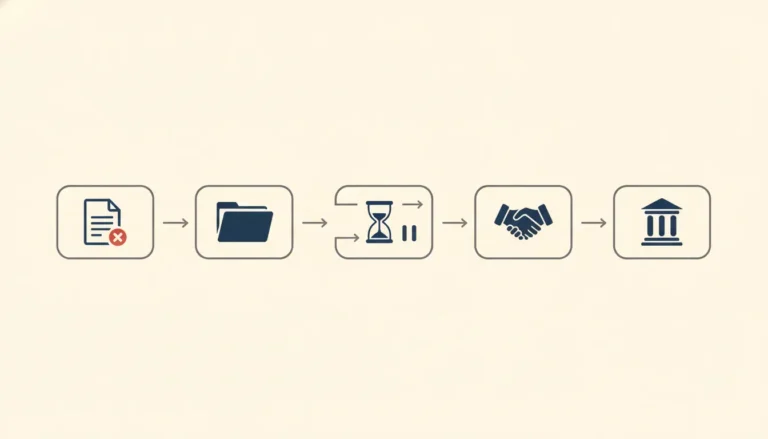
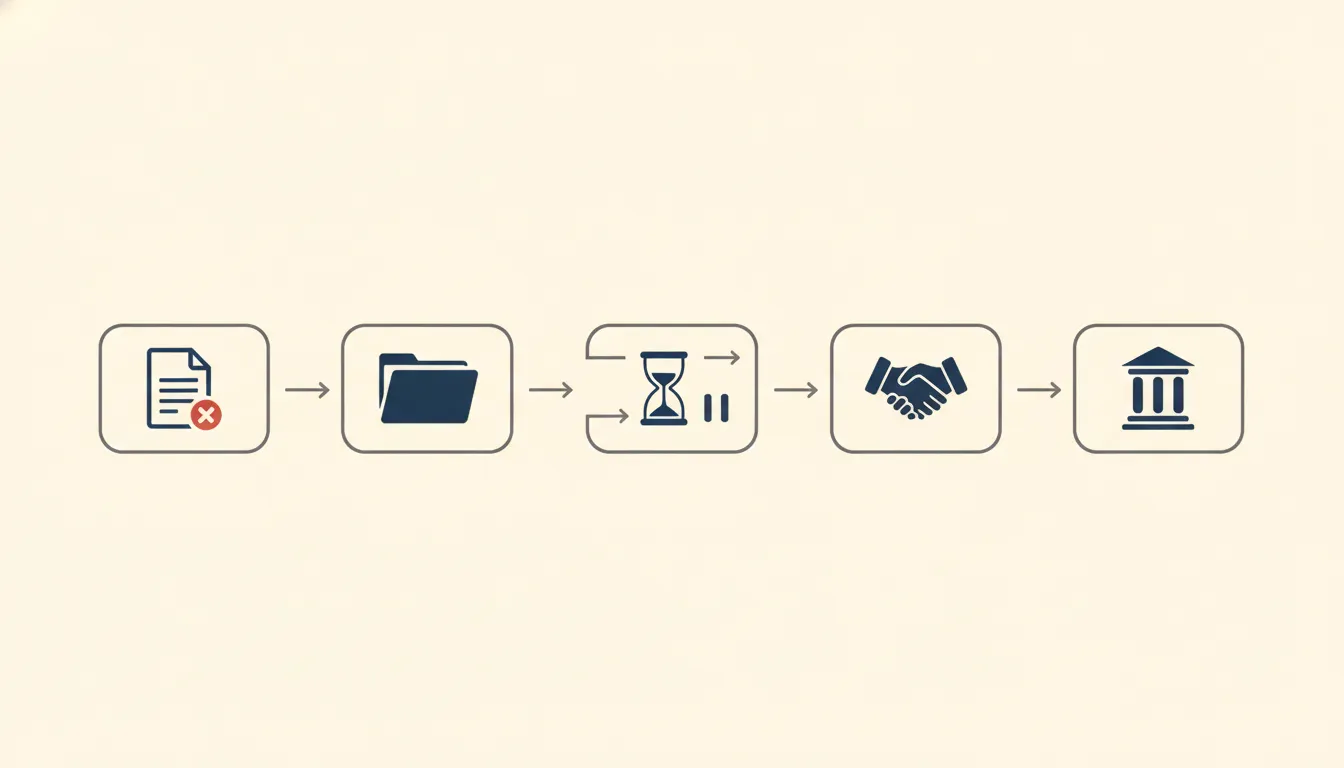
The response is only as strong as the file behind it. Pull the signed contract, amendments, purchase orders, change orders, and the schedule that shows when performance was due. Save the email, text, or letter that contains the refusal, including the full thread.
Then save proof of what your company already did. Invoices, delivery receipts, inspection notes, and payment records show that your side was ready to perform. Texas courts generally do not let a party in default sue the other side for breach, so gaps in your own performance matter. Do not delete internal messages that explain the delay or the cost.
- Keep the signed contract and every amendment in one folder.
- Export the refusal and the messages around it.
- List what your company delivered, billed, or stood ready to do.
- Note any notice, cure, or mediation step the contract requires.
- Write down the business harm as it happens, including cover costs and lost work.
A selective review starts with that folder. Hoch Law Firm looks at the records before it recommends a demand, a negotiation, or a suit. Bringing a clean file to the first call saves time and keeps the company from taking a public position too early.
Compare the real choices before you stop work or sue
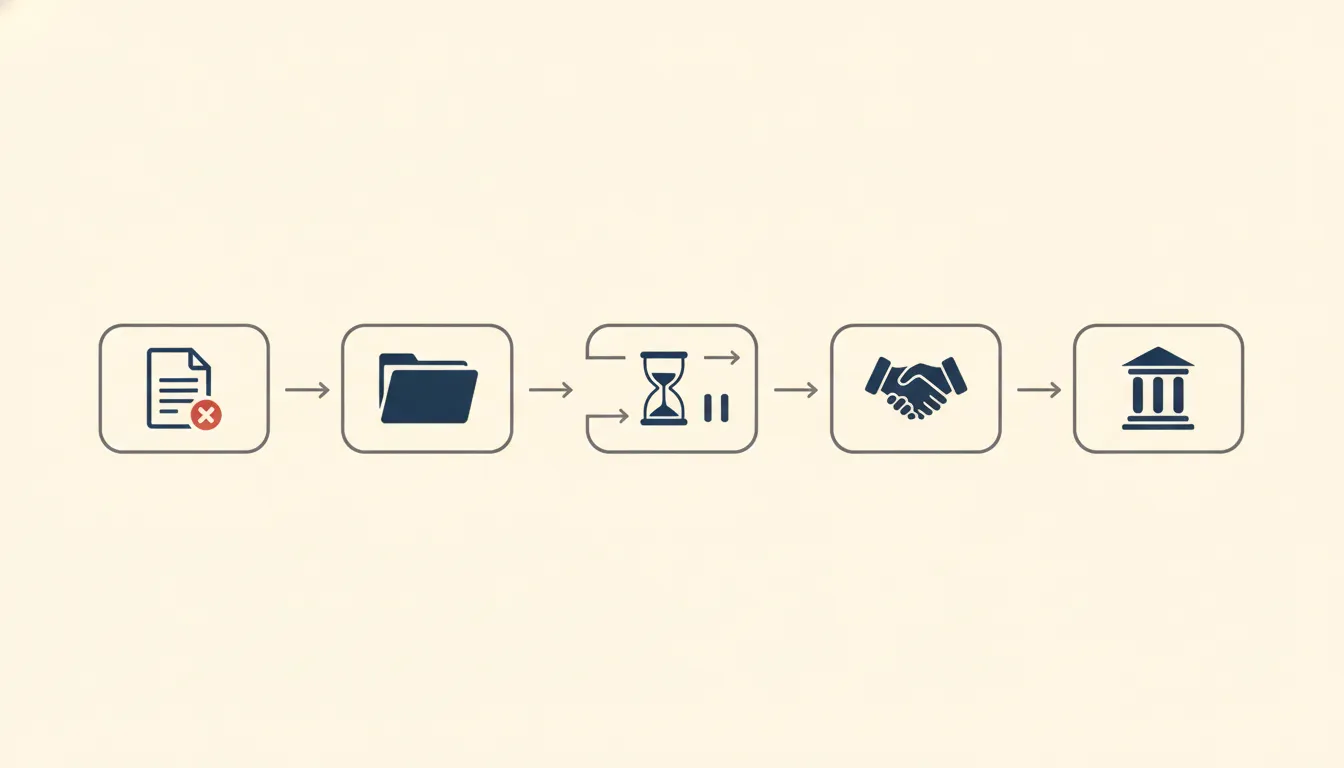
There is rarely one correct move. The right choice depends on whether you still want the deal, how fast you can replace the performance, and what the contract says about notice. Use the comparison below as a checklist, then confirm it against your agreement.
| Choice | When it can fit | Main risk |
|---|---|---|
| Ask for written assurance. | The message is unclear, or you still want the deal. | Waiting without a deadline can increase the loss. |
| Wait a commercially reasonable time. | The contract covers goods and performance may still occur. | Section 2.610 does not define that time for every deal. |
| Suspend your own performance. | The refusal is clear and continued work would add cost. | Stopping too soon can make your company the breaching party. |
| Cover or replace the performance. | You need goods, work, or a substitute vendor now. | Unreasonable cover costs may be challenged later. |
| Treat the refusal as a breach and pursue a remedy. | The refusal is unequivocal and the harm is real. | A premature suit can fail if the statement was only a complaint. |
For a sale of goods, section 2.610 says the aggrieved party may await performance or resort to a breach remedy, and may suspend its own performance in either case. That is a statutory choice, not a script. A services contract may instead require notice and a chance to cure before anyone may stop work. Read that clause before you halt a crew or withhold a payment.
Our breach of contract remedies page covers the money and performance remedies that can follow a completed breach. This article does not repeat that catalog. The point here is the earlier choice: wait, suspend, cover, or treat the refusal as the breach.
Write the choice down the same day. A one-page note should say who spoke, what they refused, whether you still want performance, and what it will cost to wait a week. That note keeps later emails from drifting into a new deal. It also shows why the company picked one row of the table instead of another.
Do not hide a termination inside a friendly message. If you are only asking for assurance, say that. If you are treating the refusal as a breach, say that too, and cite the contract section. Mixed messages are hard to explain later, especially when both sides keep performing in part.
What can a Texas business do after anticipatory breach if the deal still matters
Sometimes the company still wants the contract performed. In that case, a demand for assurance can be more useful than a lawsuit. Ask, in writing, whether the other party will perform on the original date. Give a reasonable reply date. State that you are reserving your rights under the contract.
If the other side retracts the refusal and performance is still possible, you may decide to proceed. Get the retraction in writing. Confirm the date, the price, and any cure. Do not treat a phone apology as a reset unless you also confirm it by email.
If you cover, keep the substitute quote, the invoice, and a note on why that vendor was reasonable. A rush replacement that costs far more than the market may be hard to recover. A modest, documented cover purchase is easier to explain. The same rule applies when you hire a replacement contractor or rent temporary equipment.
Partial performance needs its own decision. A supplier may refuse the remaining shipments but offer to finish one open order. You can accept that limited work and still reserve rights on the rest, if the contract allows it. Say so in writing. Silence while you take the goods can look like a waiver.
Payment disputes follow the same pattern. If the other side says it will not pay an invoice that is not yet due, do not ignore the message and hope the check arrives. Ask whether the refusal covers that invoice, later invoices, or the whole contract. The scope of the refusal changes whether you suspend work or only stop new orders.
- Quote the refusal and identify the contract section.
- Ask for a clear yes or no on future performance.
- Set a short reply date that matches the business need.
- Reserve your rights and avoid new promises.
- Save the reply, or the lack of one, with the rest of the file.
Match the response to the kind of deal
A goods contract and a services contract do not always give the same next step. Section 2.610 applies to transactions in goods. A supply agreement for equipment, inventory, or materials is the usual fit. The statute lets the aggrieved party wait, use a breach remedy, and suspend its own performance. It does not pick the commercially reasonable time for you.
A construction, consulting, or lease dispute may live outside that chapter. Those files turn on the notice clause, the cure period, and any mediation or arbitration step. A Fort Worth owner who stops a crew because of one angry email can create the breach it hoped to avoid. Read the clause, send the notice it requires, and keep a copy.
Hoch Law Firm handles business disputes from Fort Worth for owners across North Texas, including Dallas. The review asks what performance was due, who refused it, and which writing the contract demands before anyone stops work. That is a practical question, not a theory lecture. The contract dispute attorney page is where that review starts.
Bring the numbers with the words. A useful file shows the contract price, the cost of a substitute, and the work your company has already funded. Tim Hoch looks at those figures the way an owner would, because he has run businesses as well as a courtroom practice. The legal label matters only if it changes the next business move.
Know when waiting becomes its own problem
Waiting can be reasonable. Waiting without a plan can also shrink the claim. Witnesses leave, cover prices rise, and a limitations period can start to matter. Texas Civil Practice and Remedies Code section 16.051 says that when no other limitations period is stated, suit generally must be brought within four years after the claim accrues. Accrual rules, contract terms, and the facts of the refusal can change that date. Do not calculate your deadline from a blog post.
A declaratory judgment is another tool when the fight is about what the contract means, not only about money already lost. A court can be asked to state the parties’ rights before a traditional damages case is ready. That path still needs a real dispute and a contract worth interpreting. It is not a shortcut around a notice clause.
If the refusal also involves an owner fight, unpaid invoices, or interference by a third party, those issues have their own pages. Start with business litigation for the broader docket, and with breach of contract when the broken promise is the whole case. A guide to a Texas business contract dispute explains resolution paths after a breach has already occurred. Use those pages for the general dispute. Use this one for the pre-deadline choice.
Call (817) 731-9703 before you suspend work or file suit.
Frequently Asked Questions
What can a Texas business do after anticipatory breach if the other side only complains?
Treat a complaint as a warning, not an automatic breach. Ask for a written answer on whether performance will occur. A clear refusal is different from frustration, a price dispute, or a request to renegotiate.
Can we stop our own work after a clear refusal?
Sometimes. For many sales of goods, section 2.610 allows the aggrieved party to suspend its own performance. Other contracts require notice or a chance to cure first. Stopping too early can put your company in breach.
Do we have to sue right away?
No. One lawful choice is to wait a commercially reasonable time for performance, especially when you still want the deal. Another is to treat a clear refusal as a breach and pursue a remedy. The contract and the business need to decide which choice fits.
What should we bring to a consultation?
Bring the contract, amendments, the refusal, your performance records, and a short note on the harm. Call Hoch Law Firm before you answer the refusal so the next step matches the contract.
Bring the refusal to a lawyer who will read the file
A pre-deadline refusal rewards a calm record more than a fast public response. Confirm the statement, follow the contract’s notice rules, and choose among assurance, waiting, suspension, cover, or a remedy. Tim Hoch reviews a select number of business disputes himself, from a Fort Worth practice he has run since 1988. Call (817) 731-9703 and ask what the next writing should say.