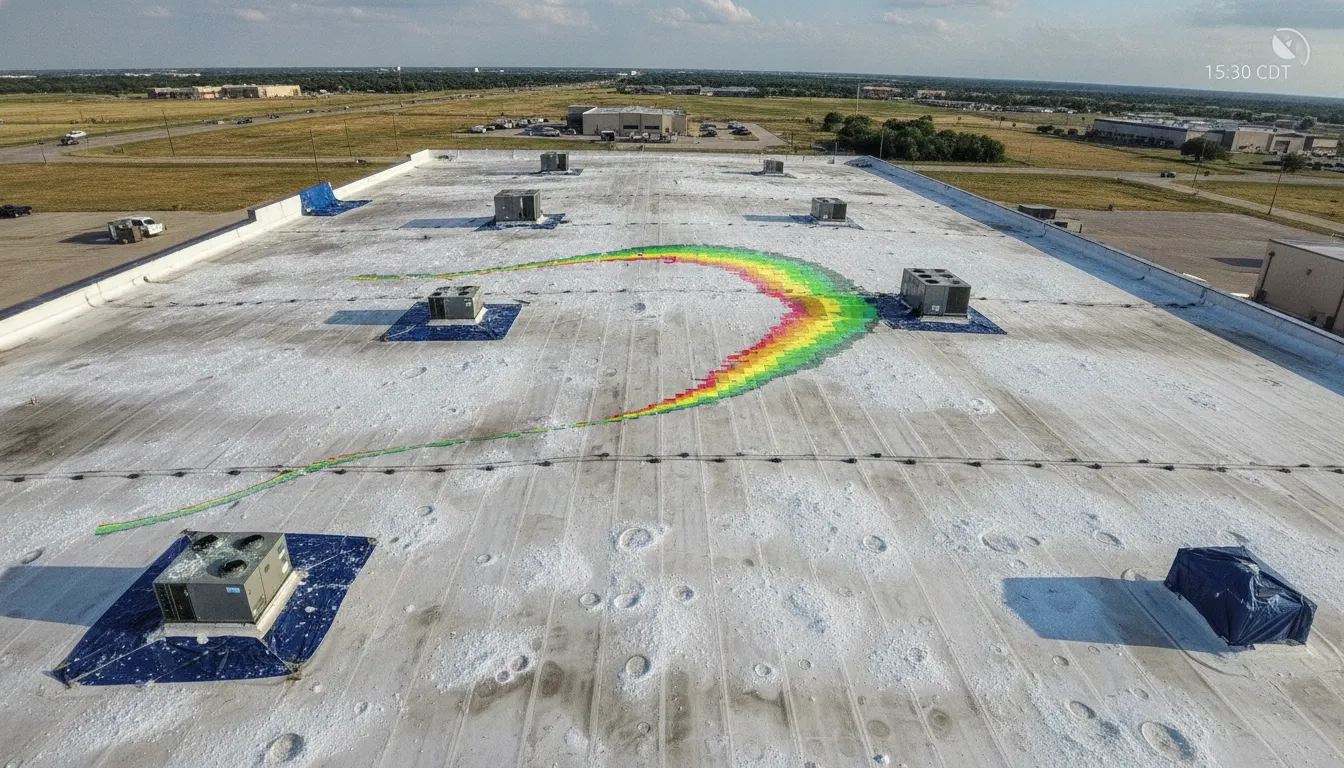
A single Texas hailstorm can cause millions of dollars in damage to a commercial roof in minutes. When insurance companies argue about the timing or strength of the storm, business owners need hard evidence to prove their loss. These technical reports provide the forensic data required to support a fair claim outcome.
Schedule a free case evaluation with Hoch Law Firm
A hail track report insurance claim relies on precise forensic meteorological data to prove that a specific hailstorm damaged a Texas commercial property at a very specific time. These detailed reports use radar mapping technology to help Texas commercial property owners who are challenging insurance company denials based on wear and tear or pre-existing building conditions. According to industry data, forensic tracking helps bridge the gap between a denied claim and a significant settlement by reducing complex arguments over weather timing for insurance adjusters. By providing scientific proof of storm strength, these reports help policyholders prove their losses and secure the funding needed for expensive roof repairs or full system replacements today.
Understanding how this data works is the first step toward getting your claim paid. You need to know how these reports differ from standard weather news and why insurance adjusters value them so highly. To start the recovery process, you must first ask: What is a hail track report? The path starts by answering:
Hail Track Report Insurance Claim: What is a hail track report?
A hail track report is a document that uses radar and past weather data to show where hail fell during a storm. It tracks the path of a storm across a set area and guesses the size of the hail stones. For property owners, this data is a key tool in a hail damage claim guidance. It links damage to a specific weather event.
How these reports work
Weather experts create these reports by pulling data from tools like radar. This technology can tell the difference between rain and ice as it falls from the sky. Groups like the National Oceanic and Atmospheric Administration use these systems to track the fast-changing nature of severe weather threats. The report maps out the storm’s path and marks the spots where the most intense hail likely hit the ground.
The report often shows a map with color codes. Each color stands for a different hail size, such as one inch or two inches. This helps you and your insurance company see if the hail at your address was big enough to dent your roof. This proof is a must for successful commercial property insurance claims.
Proving your claim with data
When you file a claim, your insurance company might say the storm did not hit your building. They may also claim the damage is old and not from a recent storm. A hail track report gives the commercial property insurance claim evidence needed to end these fights. It confirms that a storm hit your specific commercial site on a set date and time.
Using precise hail tracking can help you get a fair check by cutting down on talks about the storm. By showing exactly when and where the hail fell, you can prove your claim even if the insurance company fights the timeline. This data is a key part of the process and makes sure your policy covers the full cost of the loss.
What a report cannot show
While hail track reports are strong, they have limits. A report can prove a storm happened, but it cannot see the actual damage on your roof. You still need a physical site check to confirm the impact patterns on your commercial roof. The report shows the chance for damage, while an inspection proves the fact of it.
You should always pair weather data with site photos and expert reviews. This full set of proof helps tell the difference between new hail impact and old wear. Using both tools together gives you the best chance of a good result in your insurance case.
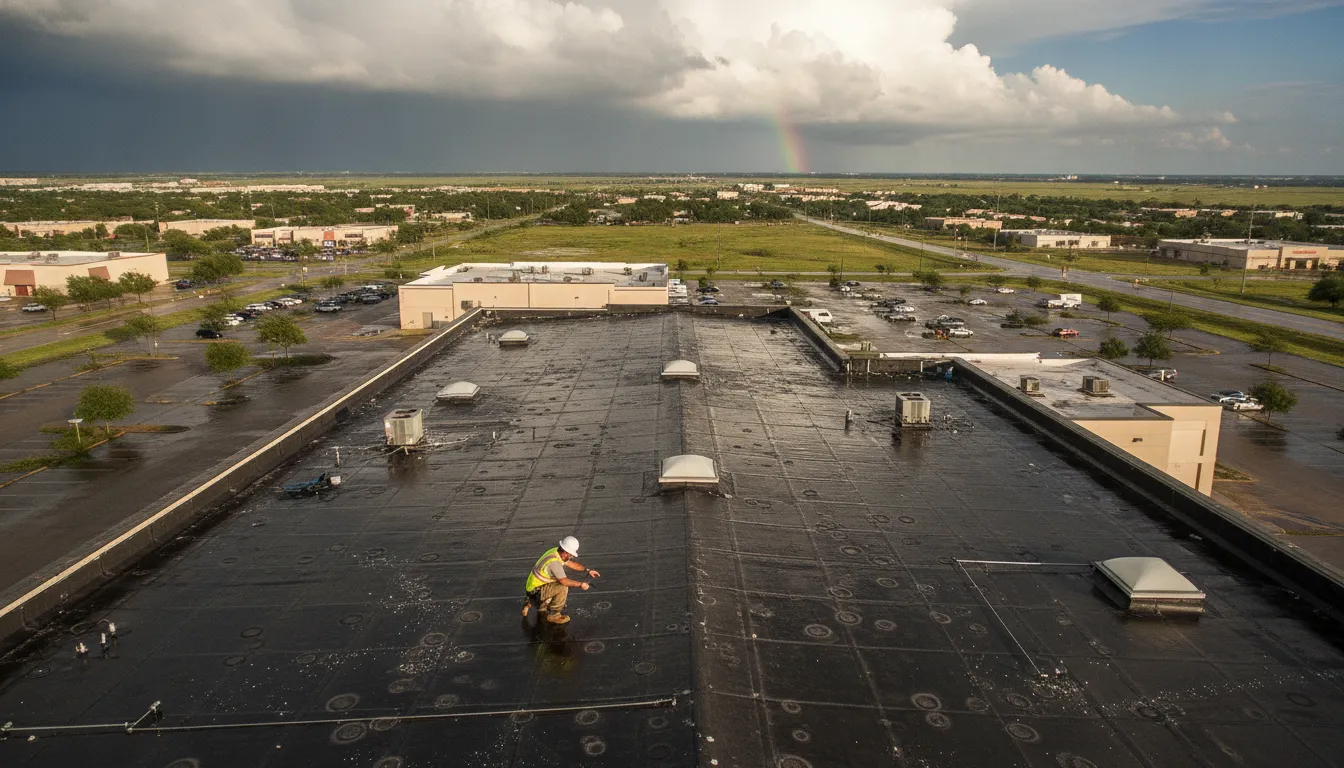
How a hail track report supports an insurance claim
A hail track report is a key tool for any building owner with storm damage. It provides hard data to show that the exact storm hit your site. This report helps you build a strong case for your firm. It is one piece of a larger set of facts. You still need photos and roof checks. But the report gives you a solid base to start your hail damage claim guidance and prove your loss.
Proving the date of loss
Insurance firms often ask for the exact date of the storm. If you cannot give a date, they may deny your claim. A hail track report uses weather data to show when hail fell on your home. If a storm hits while you are away, this data is vital. It also helps when many storms hit your area. You can use the report to show which storm caused the most harm.
Having a clear date makes the whole task easier. It stops the firm from saying the damage is old. If they try to claim the loss happened before your policy began, you can show them the data. This report acts as a third party for your case. It removes the doubt that often leads to a denied claim. You get a clear record that the firm cannot just ignore.
Linking storm strength to damage
The report does more than just show the date. It also shows the size of the hail stones. This is vital because small hail rarely causes deep harm to a strong roof. But large hail can have a debilitating impact on a building. By showing the size and speed of the hail, you prove the storm was strong enough to break things. This links the weather event right to the leaks or cracks you find later.
Adjusters often try to blame old wear and tear for roof issues. They might say your roof was failing for a long time. A hail track report helps you fight this. It shows that a major event took place right when the damage showed up. This makes it harder for the firm to walk away from its duty to pay. You are not just guessing about the damage; you have the facts to back it up.
Fixing coverage disputes
Disputes are common in the insurance world. A carrier might say that no storm hit your part of town. Forensic weather data can solve this problem fast. It provides a map of the storm’s path. This map shows where the hail fell. If your building was in that path, the firm has a hard time saying no. It provides the hard proof needed to settle these fights.
Using this data has helped some people get much larger payouts. In one case, a report helped an owner get a large payout after a $1.1M settlement for their claim. It takes the power away from the adjuster and gives it to you. When you have the facts, you can stand your ground. This report is a vital part of your legal and money plan.
Hail report evidence versus other roof claim evidence
A successful hail track report insurance claim relies on many types of proof. While a weather report shows the storm happened, it works best with other facts about your site. These different pieces of data help build a strong case when your insurance firm tries to deny a loss.
The role of forensic weather data
A hail track report gives forensic proof that a storm hit your specific spot. This data is key for finding the exact time and size of the hail stones. Without this, a firm might claim the damage happened before your policy began. Good weather data helps solve these fights by giving a clear timeline of the event.
Severe weather changes fast and can be hard to track without the right tools. New hazard plans help people see how these threats hit local buildings. You can find more about how weather data supports safety and risk planning through NOAA research. This technical proof is hard to argue with in a legal case.
Comparing types of claim evidence
While weather data shows the storm took place, other proof shows the actual physical hit on the roof. Site checks and photos show the direct results of the hail. When you use both types of proof, you create a full picture of the loss. This helps tell the story of how the storm caused the specific damage you see now.
| Type of Evidence | What it Proves | Best Use Case |
|---|---|---|
| Hail Track Report | Storm date and hail size | Proving when the damage happened |
| Roof Inspections | Physical marks and cracks | Showing the extent of the loss |
| Site Photos | Visual proof of impact | Documenting immediate damage |
| Maintenance Logs | Prior roof condition | Stopping claims of old wear and tear |
| Expert Opinions | Cause of the damage | Resolving complex claim disputes |
Strengthening your insurance claim
Using many forms of proof can lead to better results in a Texas hail claim. One case showed that using policy reviews and hail data helped reach a $1.1 million payment. This shows how useful it is to have professional weather data on your side. It links a storm event to the real damage on your building.
Proper proof also helps when you need to show that damage is new. Insurance staff often look for ways to blame old wear and tear for roof issues. By matching a hail track report with fresh site checks, you can show the damage came from a specific storm. This level of detail is often what it takes to get a fair pay for your loss.
How to build a stronger commercial roof hail claim
When a storm hits your site, you must move fast to guard your assets. A strong hail track report insurance claim rests on clear proof and quick steps. You need to show that the storm caused the harm and that it took place on a set date. This helps you avoid common traps where firms claim the harm was already there.
Record the damage now
Start your logs the moment the sky clears. Walk the site to look for signs of hits on your vents, pipes, and roof pads. Small dents can lead to big leaks later, so every mark counts for your hail track report insurance claim. Good logs make it hard for the firm to deny what took place.
You should also get data from top sources to back up your case. Large storms can harm public buildings and local power lines, which shows the power of the event. Official data shows that hail can have a deep impact on a town’s wealth and health. Using this type of data adds weight to your case and helps prove the storm was bad.
Prove when the loss happened
Firms often try to say that roof wear is just old age. You can fight this with a hail track report insurance claim plan that uses weather data. This data shows the size of the hail and the path of the storm right over your shop. It gives you the clear proof needed to settle fights about when the harm took place.
Site checks are another key part of building a solid case. You can match your photos with old storm reports to show the hit patterns on your roof. To learn more about this, you can read about property insurance claim process to see how experts track these events. This step ensures that your claim is based on facts and not just a guess.
Steps for a good filing
Follow these steps to build a case that is hard to ignore. A clear path helps you stay on track and keeps the work moving forward.
- Protect your site from more harm. Cover broken glass or roof holes with heavy cloths to stop rain from getting in. This shows you are doing your part to keep the loss low.
- Take clear photos of all harm. Get wide shots of the building and close views of the dents. Use a ruler in the photos to show the size of the hail stones.
- Get an expert hail track report. This report uses radar data to prove that hail fell at your exact place. It is a key tool for any hail track report insurance claim.
- Read your full insurance policy. Look for your pay limits and any rules about how soon you must file. Knowing your rights helps you talk to the firm with more skill.
- Send a note to your firm in writing. Do this as soon as you can. A paper trail is much better than a phone call for tracking your claim.
- Keep a log of all talks. Write down the date, time, and name of every person you speak with at the firm. Save all emails in a safe spot.
By using this plan, you put yourself in a better spot to get a fair payout. A solid claim is about more than just seeing harm. It is about proving it with data and keeping tight logs from start to end. This way cuts the risk of a wait and helps you get the funds needed to fix your roof.
Why insurers may challenge hail track report evidence
Storm dates in dispute
Insurance firms often look for ways to cast doubt on a **hail track report insurance claim**. One common move is to argue that no big storm hit on the date you gave. They may use weather data from a far-off airport to say the hail was too small to break a roof. But local data from a hail track report can show a much different story. It gives proof that a storm hit your exact spot in Texas. Past weather data is key when the company tries to change the timing of the event.
Most hail track reports use GPS data to show just where the ice fell. This level of detail makes it hard for a firm to deny that a storm happened. But they may still fight the size of the hail. They might claim that the ice was not hard enough to dent metal or crack shingles. We use expert data to show that the storm was strong enough to cause the harm you see. This type of proof has helped owners secure a $1.1 million payout after a storm dispute.
Wear and tear versus new damage
A firm might also claim that your roof damage is old. They often call it “wear and tear” or “lack of care” to avoid a payout. This is a tough move because all roofs get older every day. The company may also say an “excluded cause” is the real reason for the loss. They might blame poor roof design or a bad setup. These gaps in your policy can lower the check you get. Clear tracking helps show that the damage matches the path and size of a new storm.
The insurer may use an old report to say the roof was already failing. We fight this by showing recent photos and upkeep logs. We also use expert weather data to link the damage to a certain time. Experts at NOAA note that hail can have a big impact on the life of local buildings. Linking the loss to a single event is the best way to get your claim paid.
Late notice and rival reports
If you wait too long to file, the carrier might say you gave “late notice.” They argue that the wait made it hard for them to see the damage as it was. They might also bring in their own team to write a new report. These experts often find much less damage than your report shows. This is why you need a lawyer to read every word the firm writes. We look for flaws in their facts and check that your repair plan is fair.
Insurance staff often miss things during a quick walk-through. They might skip the vents or the side of the building that is hard to reach. A rival report from the firm will often limit the scope of the fix. They might offer to patch a few spots instead of a full new roof. Full reports let owners stand their ground when a firm fights the facts of a Texas storm.
We compare the firm’s report with the facts from your hail track report. If the firm uses a bad storm date, we use data to fix the record. Our goal is to make sure the firm follows the rules of the policy. In Texas, you have rights as an owner that the firm must respect. We handle the talk with the firm so you can focus on your business and your life.
When should a property owner involve a lawyer?
Filing a commercial property claim in Texas often feels simple at first. You find damage after a storm and tell your insurance company. But complex claims can quickly hit roadblocks. Severe weather like hail can cause big damage to local buildings and infrastructure. When the stakes are high, you may need a legal expert to protect your rights.
Unfair delays or claim denials
Insurance companies may take too long to review your case. They might also deny a claim without a clear reason. This often happens when there is a dispute over when the storm hit. A legal team can use a hail track report insurance claim strategy to prove the exact time and place of the weather event. This data helps resolve fights about whether the storm actually hit your property.
Lawyers also help when the carrier offers too little money. If the repair costs for your commercial roof are much higher than the payout, you have a problem. Technical data can show the difference between old wear and new storm damage. This evidence is key for a fair settlement. Using precise tracking tools often helps reduce errors in event verification.
Complex evidence and legal requests
Some claims involve an examination under oath. This is a formal meeting where the insurance company asks you questions while you are under oath. It is a serious step that requires careful prep work. A lawyer can guide you through this process and make sure you do not say things that hurt your case. They also help organize files and storm data to meet strict deadlines.
Organizing proof is a big job for any business owner. You need to show the full impact of the storm on your site. Legal counsel can gather forensic weather data to back up your story. This professional touch makes it harder for carriers to ignore your loss. Having an expert on your side ensures the insurance company follows the law and treats your claim with respect.
Frequently Asked Questions
Can a hail track report prove a hailstorm hit my commercial site?
Yes. A hail track report uses radar data to show the path of a storm. It can prove that hail fell at your exact business address on a set date. This is key because many insurance firms claim that a storm did not hit a site. By using this data, you can stop the firm from denying your hail track report insurance claim. According to the Hoch Law Firm, this data is vital for a good result.
How do insurance companies use hail track data during a claim?
Insurance firms use this data to confirm if a storm hit your area. They also look at the size of the hail. If the data shows small hail, the firm might say the storm was too weak to cause harm. They may try to blame old wear and tear instead. Having your own report helps you fight these claims. It allows you to prove the storm was strong enough to break your commercial roof and needs a fair check.
Will a hail track report increase my insurance settlement?
Yes. Exact weather data can lead to a larger check. It removes the doubt about when and where the damage happened. In one case, a policy review and hail track data helped a property owner get a $1.1 million settlement. By giving the firm hard proof of the storm, you make it much harder for them to offer a low payout. This tech helps you get the full amount your policy covers for repairs.
Is a hail track report alone enough to win an insurance claim?
No. A report proves a storm happened, but it does not show the damage to your roof. You still need a site check by an expert. They will take photos and find the impact marks on your roof. The report and the site check work together to build a strong hail track report insurance claim. If your firm still denies your case, you may need a lawyer to help. These tools give you the best chance to win in Texas.
How long after a storm can I get a hail track report?
You can get a report years after a storm. Weather experts keep past data for a long time. This is helpful if you find damage late. It also helps if the firm says the loss is from an old date. However, it is best to act fast. According to Lundquist Law, writing down the impact right away is key. Getting data early helps you keep your claim moving without long delays.
Ready to protect your commercial roof from hail damage?
If you wait too long to file your hail claim in Texas, your insurance carrier might deny the claim and refuse to pay. You need clear proof that the storm caused the damage to your roof before more leaks start and create even more problems inside your building. Starting the process today helps you get the money you need to fix your commercial roof so you can get your business back on track.
Ready to talk to a trial lawyer about your claim? Call 817-731-9703 to schedule a free case evaluation with our firm today. Our team is ready to help you look at your hail report. We will find the best way to get the fair payment you need for your repairs.