A replacement cost dispute lawyer Texas property owners consult can help assess a disagreement about what a covered repair should cost. Replacement cost and actual cash value are different ways a policy may value damaged property, and the policy language and claim facts matter. Start by preserving evidence, comparing repair scopes, and tracking every notice or proof deadline.
Call to discuss your property claim
What is replacement cost, and how does it differ from actual cash value?
Replacement cost generally refers to the cost to repair or replace covered property with materials of like kind and quality, subject to policy terms, limits, and conditions. Actual cash value (ACV) often reflects depreciation or another valuation method described in the policy. The precise definition can vary by contract and applicable law, so do not assume the labels alone tell you what will be paid.
Some policies pay an initial amount based on ACV, then allow recovery of some or all withheld depreciation after qualifying repairs and documentation. Other terms, such as deadlines, replacement requirements, and limits, can affect that process. Check the policy’s loss settlement, duties after loss, and endorsements before deciding what proof to submit. The guide to actual cash value versus replacement cost for commercial property discusses the valuation distinction; this article focuses on handling a disagreement about scope and supporting proof.
| Issue | Replacement-cost approach | ACV approach |
|---|---|---|
| Basic valuation | Cost to repair or replace covered damage, subject to policy terms | Valuation that may account for depreciation or a stated method |
| Payment timing | May involve an initial payment and later payment after repair proof | May be used to calculate an initial claim payment |
| Key documents | Estimates, invoices, proof of completed work, and policy provisions | Insurer valuation, age or condition information, and policy language |
| Common dispute | Scope, materials, labor pricing, or recovery conditions | Depreciation amount, condition, or valuation method |
What can cause a replacement-cost disagreement?
A disagreement may involve more than arithmetic. The insurer and property owner may be working from different assumptions about what was damaged, what work is reasonably required, or which policy condition applies. Identify the precise point of disagreement before sending another estimate or authorizing additional work.
- Different repair scopes: An estimate may omit affected areas, preparation, access, code-related work, or related trades. Whether an item is covered depends on the policy and facts.
- Different quantities or prices: Measurements, labor, material costs, and project conditions may not match between estimates.
- Damage causation: The parties may disagree about whether an observed condition resulted from the reported event or another cause.
- Depreciation or holdback: A payment may include withheld depreciation or a deduction whose calculation or recovery requirements need clarification.
- Policy limits and conditions: A limit, endorsement, deductible, or repair deadline can affect the amount or timing of payment.
Keep the issue specific. Instead of saying only that the offer is too low, identify the line item, quantity, omitted work, or policy provision at issue. Request the insurer’s explanation in writing and compare it with the policy and the contractor’s documented scope.
What proof should you collect before challenging the estimate?
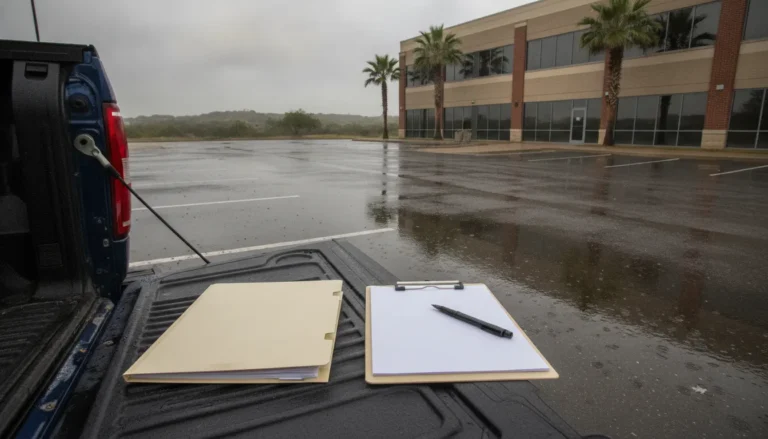
Useful claim records show what happened, what was damaged, what work is proposed, and how communications unfolded. Preserve originals and organize copies by date. Avoid altering original photos or documents; note who created each estimate and when. A simple folder structure can make review easier: policy and letters, photos, estimates, invoices, and communications.
- Photograph and describe the damage. Take clear images of affected areas and, when safe, the surrounding context. Record date and location. Use both wide views and close-ups so a reviewer can orient each detail.
- Keep insurer materials. Save the estimate, adjustment letters, inspection notes you receive, payment breakdowns, and requests for information. Preserve attachments and envelope or email dates where relevant.
- Request an itemized repair scope. Ask a qualified contractor to identify work, quantities, materials, and pricing assumptions. Ask for an explanation of differences from the insurer’s scope, not just a replacement total.
- Track repairs and expenses. Keep contracts, invoices, receipts, proof of payment, and records of completed work. When practical and safe, photograph damaged materials before disposal and retain samples where appropriate.
- Maintain a communication log. Note calls, names, dates, topics, statements, and promised follow-up. Confirm important discussions in writing so the record does not depend on memory.
- Gather the relevant policy terms. Save declarations, forms, endorsements, loss settlement terms, duties, notice requirements, and limits. The declarations page alone may not contain all applicable conditions.

For a commercial building, label records by building, elevation, room, roof section, or trade. If a roofer documents one area and an interior contractor documents another, keep the related photos and scope together. This helps distinguish an omitted room from a disagreement about how an included room should be repaired.
If the dispute concerns appraisal, first check whether the policy contains an appraisal provision and what issues it covers. Appraisal is not automatically a substitute for resolving every coverage or legal disagreement. Read about insurance appraisal disputes in Texas as a separate process, and do not assume it determines coverage questions.
How should you compare estimates and isolate the gap?
Use a side-by-side comparison rather than relying on the total. A difference may arise from omitted work, quantity assumptions, unit pricing, or a different explanation of damage. Ask the contractor to support proposed work with observations and records. Then separate three categories: items both estimates include, items one estimate omits, and items where the description or price differs.
| Compare | Questions to ask | Useful supporting record |
|---|---|---|
| Area and quantity | Are the same rooms, roof sections, or components included? | Measurements, annotated photos, inspection notes |
| Work description | Does either estimate omit removal, preparation, access, or finishing? | Contractor scope and repair-sequence explanation |
| Materials and methods | Are proposed materials and methods consistent with the damaged property and policy? | Specifications, samples, repair documentation |
| Pricing assumptions | Do labor, materials, or project conditions explain the difference? | Itemized estimates and written pricing rationale |
| Payment calculation | What deductible, limit, depreciation, or other adjustment was applied? | Policy forms and payment breakdown |
For example, suppose one estimate includes a roof section but not the related flashing removal and replacement. Do not simply add a lump sum to the total. Ask the contractor to identify the location, explain why the work is needed, and provide photos or measurements. If the insurer included the work but used a different quantity, compare the measurement method. This makes the disagreement answerable rather than rhetorical.
Commercial owners may also organize the file by trade, such as roofing, electrical, or interior finishes. The goal is not to treat a contractor estimate as proof that every item is covered. It is evidence to evaluate alongside the policy, damage record, and insurer’s written position. The firm’s information about commercial property insurance matters provides additional context.
What deadlines and repair conditions should you check?
There is no single deadline for every property claim. The policy may contain notice, cooperation, documentation, repair, or suit-limitation provisions. Texas law may also affect a dispute. The applicable dates depend on the contract, loss, communications, and legal issues. Review the actual documents promptly rather than relying on a general online timeline.
Create a calendar that records the loss date, report date, each proof request and submission, payments, and any deadline to complete repairs or submit receipts. Note the source for each date, such as a policy clause or insurer letter. If wording is unclear or a date is close, ask for clarification in writing and seek legal advice promptly. A continuing discussion does not necessarily change a deadline.
Do not assume that waiting for a final estimate pauses every contractual or legal time limit. Do not conclude that a deadline has passed without reviewing governing terms and facts either. The insurer’s written position and the policy record matter when responding to a claim; see the firm’s overview of denied insurance claims.
How can you respond to a low or incomplete payment?
Start with a focused, documented response. State what is missing or miscalculated, identify the relevant estimate line or policy language if known, and attach support. Keep a complete copy of what you send and record the date and delivery method. A short index can help the reviewer find each piece of proof.
- Read the payment explanation and list each deduction or omitted item.
- Match each disputed item to photos, measurements, contractor notes, invoices, or other evidence.
- Ask the adjuster to explain the disputed calculation or scope in writing.
- Send a concise supplemental package with an index and clearly labeled attachments.
- Track the response and any next step the insurer identifies.
For each issue, a useful format is: the estimate item, what you believe is wrong, the reason, and the document supporting your position. For instance, identify an area omitted from the insurer’s scope, point to the corresponding photo and contractor note, and request review of that specific item. Avoid overstating what a document proves. If the insurer raises an exclusion, causation question, or policy condition, distinguish that from a repair-pricing disagreement. These may require different analysis. The firm’s storm-damage claim information offers related policyholder guidance.
When may a lawyer help with a valuation dispute?
Legal review may be useful when the disagreement involves substantial repair costs, repeated unexplained reductions, disputed policy language, a missed or approaching deadline, or uncertainty about signing a release. Counsel can review the policy, communications, estimates, and evidence to identify the type of dispute and possible next steps. No particular outcome can be promised; each claim depends on its facts and contract.
Hoch Law Firm represents policyholders in property insurance disputes and handles a selective number of matters. Learn about Tim Hoch’s background or review the firm’s information on bad faith insurance claims. Whether a particular legal theory applies depends on the claim record and governing law.
Frequently Asked Questions
Does replacement cost mean the insurer must pay every repair estimate?
No. Payment depends on covered damage, policy terms, limits, conditions, and supporting evidence. An estimate is relevant documentation, but does not by itself establish that every item is covered or payable.
Can I recover depreciation withheld from an initial payment?
Some policies allow recovery of withheld depreciation after specified repairs or proof, subject to their terms and deadlines. Check the loss settlement language and ask the insurer to identify the requirements that apply to your policy.
Should I start repairs before the dispute is resolved?
Safety and preventing further damage may require prompt action, but document conditions and expenses carefully. Review policy duties and communicate with the insurer about inspections and proposed work where practical. For urgent or costly decisions, seek advice based on your circumstances.
Is appraisal the right way to resolve every estimate dispute?
No. Appraisal provisions have defined scope and may not resolve every question about coverage or policy interpretation. Review the actual provision and nature of the disagreement before assuming appraisal is available or sufficient.
Where can Texas policyholders find official insurance information?
The Texas Department of Insurance provides consumer information at its official website. Review your policy for claim-specific terms and consider advice tailored to the facts.
Contact the firm to discuss your claim
Careful records, a clear comparison of estimates, and attention to policy dates can help a property owner understand a replacement-cost disagreement and decide what to do next.