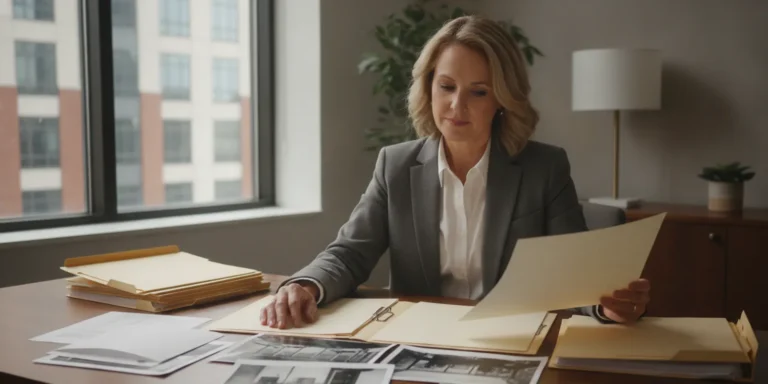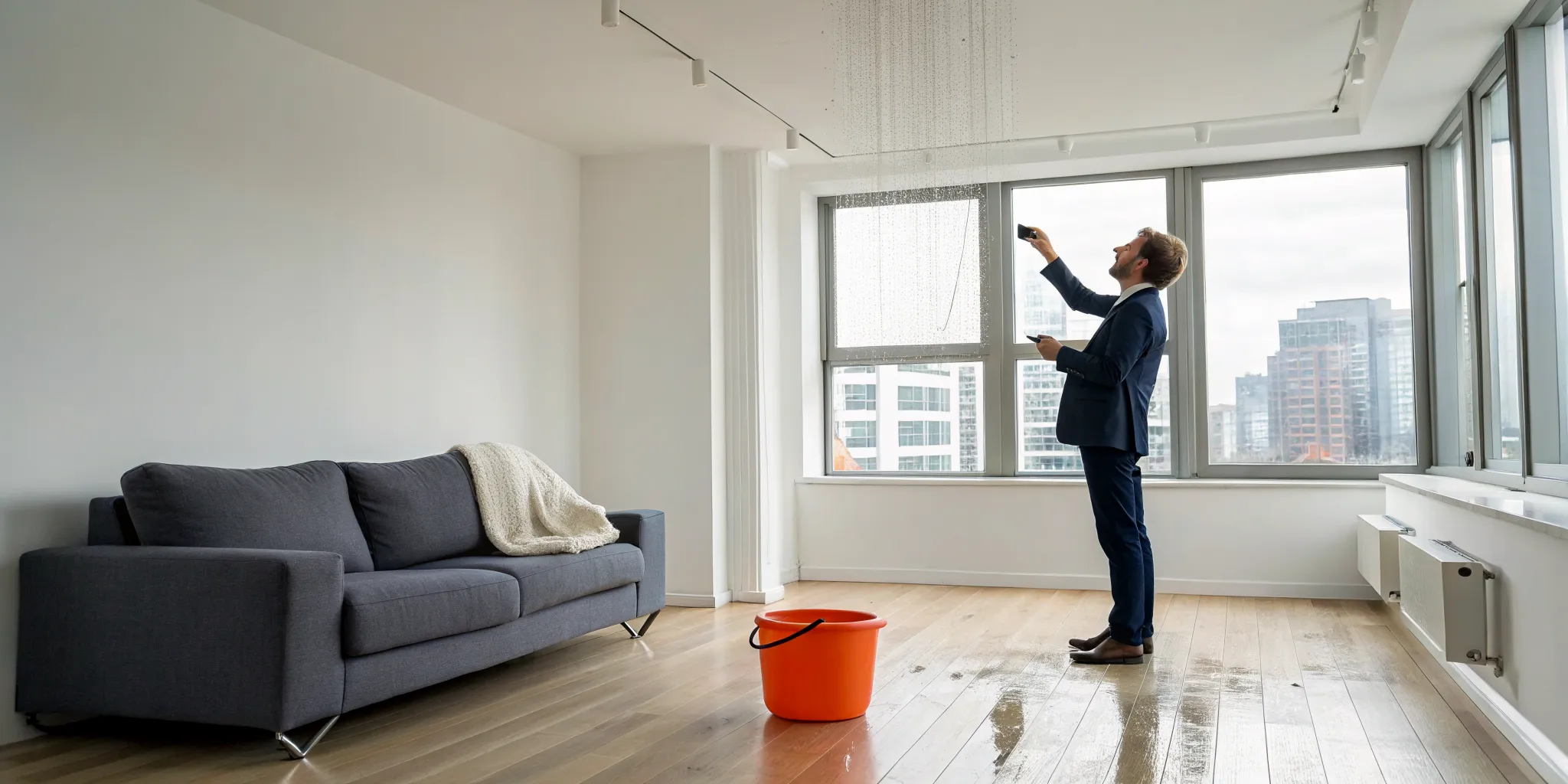
In the hours after a storm, the steps you take are critical. Before you start cleaning or moving your belongings, you need to become a detective. Every photo you take, every email you send, and every receipt you save builds the foundation for your insurance claim and protects you in case of a dispute with your landlord. This guide will show you how to create an undeniable record of the damage and your communications. We’ll provide a clear checklist for what to do if my apartment building has storm damage, focusing on the immediate actions that will make the biggest difference in the weeks to come, ensuring you have the proof you need.
Key Takeaways
- Act Safely, Then Document Meticulously: After confirming the storm has passed and your apartment is safe to enter, your most important job is to document everything. Take detailed photos and videos of all damage to the apartment and your personal belongings before you move or clean anything.
- Put All Communication in Writing: While a phone call is a good first step, always follow up with your landlord in writing. An email or text message creates a time-stamped record of your communication, which is essential for holding them accountable for repairs and protecting your rights.
- Understand Your Insurance Coverage: Remember that your landlord’s insurance covers the building’s structure, not your personal items. Your renters insurance policy is what helps you replace belongings and can cover temporary living expenses if your apartment becomes unlivable.
What to Do Immediately After Storm Damage
The moments after a severe storm can feel chaotic and overwhelming. Once the wind and rain have subsided, your first instinct is to check on your home and belongings. It’s a stressful situation for any renter, but knowing what to do first can make a huge difference in protecting your safety and your rights. Before you start thinking about insurance claims or long-term repairs, you need to focus on the immediate aftermath. Your priorities should be simple and clear: make sure the area is safe, tell your landlord about any problems, and get emergency help if there are any immediate dangers.
Taking these initial steps correctly sets the foundation for a smoother recovery process. It establishes a clear line of communication with your landlord and creates a record of the damage from the very beginning. This can be incredibly important later if you run into disagreements about repairs or need to file a claim. Think of this as your emergency action plan. By methodically assessing the situation, reporting it properly, and calling for help when needed, you take control of a difficult situation and ensure you’re doing everything possible to protect yourself and your home.
Safely Assess the Damage
Your safety is the absolute priority. Before you start inspecting your apartment, make sure the storm has completely passed and it’s safe to move around. Be extremely cautious of potential hazards like fallen power lines outside, broken glass, or unstable parts of the building. Once you feel it is safe, carefully walk through your apartment to look for damage. Check for obvious issues like shattered windows and water pouring from the ceiling, but also look for more subtle signs like water stains on walls, warped flooring, or a damp smell. If you can, take a few quick photos or a short video with your phone. This initial documentation is helpful, but don’t put yourself at risk to get a picture.
Report Hazards to Your Landlord
As soon as you identify any damage, you must tell your landlord. This is a critical step that officially notifies them of the problem and starts the clock on their responsibility to make repairs. Call them first to explain what happened, especially if you’re dealing with urgent issues like a major leak or structural damage that could get worse. Immediately after the call, follow up with a written message. Send an email or text that clearly lists the damage you observed. This creates a written record that proves you reported the issue promptly. This paper trail is essential if you face any property insurance disputes or disagreements with your landlord down the line.
Call for Emergency Help When Necessary
Some situations are too dangerous to wait for your landlord to handle. If you believe you are in immediate danger, call 911 without hesitation. This includes true emergencies like a fire, the smell of gas, or severe flooding that puts you at risk. You should also call for help if there are downed power lines near your building or if someone has a medical emergency, such as needing a powered medical device when the electricity is out. While your landlord is responsible for fixing the property, first responders are there to handle life-threatening situations. Don’t ever hesitate to make that call if you feel your safety, or the safety of others, is compromised by the storm’s aftermath.
How to Properly Document Storm Damage
After a storm, your first instinct might be to start cleaning up, but it’s crucial to document everything first. Think of yourself as a detective building a case. Every piece of evidence you gather strengthens your position with your landlord and your insurance company. This record-keeping is the foundation of your insurance claim and is essential if you need a property insurance lawyer to step in. Taking the time to do this right can make a significant difference in your outcome.
Take Detailed Photos and Videos
Use your smartphone to capture extensive visual evidence before you move or clean anything. Take more photos and videos than you think you’ll need, getting wide shots of each room and close-ups of specific damage. Document your personal belongings, like furniture, electronics, and clothing. A video walkthrough can be incredibly powerful. As you record, narrate what you’re seeing, pointing out details like the water line on the wall or the source of a leak. This visual proof is difficult to dispute and clearly communicates the storm’s impact.
Keep a Written Log of Everything
Your memory can fail you during a stressful time, so write everything down. Start a dedicated notebook or a digital document to log every interaction related to the storm damage. For every conversation with your landlord or insurance adjuster, note the date, time, the person’s name, and a summary of what was discussed. After any phone call with your landlord, immediately follow up with a text or email confirming your conversation. For example, “Just confirming our call today where you said maintenance would be here tomorrow.” This creates a written record that proves you provided timely notice of the issues.
Save All Your Evidence
Create a central place, like a physical folder or a cloud drive, to store all your documentation. This includes your photos, videos, written log, and copies of every email and text message. If the damage forces you to spend money, save every single receipt for things like cleaning supplies, temporary repairs, or hotel stays if your apartment is uninhabitable. These receipts are vital for getting reimbursed. Keeping all your evidence organized makes the claims process smoother and provides your legal team with everything they need if a dispute arises.
Know Your Rights as a Texas Tenant
When your apartment is damaged by a storm, it’s easy to feel powerless. You’re dealing with a damaged home, displaced belongings, and a lot of uncertainty. But it’s important to remember that as a tenant in Texas, you have rights. Understanding these rights is the first step toward making sure your landlord meets their obligations and you can get your life back on track. Knowing what to expect can help you handle conversations with your landlord and make informed decisions about your next steps.
What Repairs Is Your Landlord Responsible For?
Your landlord has a legal duty to provide a safe and livable home. This responsibility doesn’t disappear after a storm. In Texas, this means they are generally required to repair any damage that makes your apartment unsafe or uninhabitable, including issues caused by wind, rain, or flooding. According to tenant rights resources, your landlord must take action to fix serious problems, like a leaking roof or water damage, to ensure the rental remains secure and water-free. While your landlord deals with their own property insurance disputes, their obligation to you as a tenant remains.
Do You Still Have to Pay Rent?
This is one of the most common questions tenants have after a disaster, and the answer can be surprising. Even if the damage is so severe that you can’t live in your apartment, you are typically still responsible for paying rent until your lease is officially terminated. Some leases may have clauses that address this specific situation, so it’s a good idea to review your agreement carefully. In some cases, if your landlord is covering your temporary living expenses, like a hotel room, you will likely still be required to pay your full rent. Communication with your landlord is key here to understand the expectations.
When Can You Break Your Lease?
You don’t have to live in an unsafe apartment indefinitely. If the storm damage is severe and your landlord fails to make necessary repairs in a reasonable amount of time, you have the right to end your lease. This allows you to move out permanently without penalty. Before taking this step, you must give your landlord proper written notice of the problem and a chance to fix it. If they don’t act, you can terminate the lease. You can also try to negotiate with your landlord to end the lease mutually or request a rent reduction for the time the unit was damaged.
How to File a Renters Insurance Claim
After you’ve handled the immediate safety concerns, your next focus will likely be on your belongings and where you’re going to stay. This is where your renters insurance policy comes into play. Filing a claim can feel like a daunting task, especially when you’re already stressed, but breaking it down into manageable steps makes it much easier. Let’s walk through what your policy covers and how to get your claim filed correctly.
What Does Your Policy Actually Cover?
First things first, let’s get clear on what your renters insurance is for. Its main job is to help you replace your personal property, things like your furniture, clothes, and electronics, if they’re damaged by a covered event like wind, hail, or fire from the storm. It’s important to know that your policy doesn’t cover the physical building; your landlord’s insurance handles the roof and walls. A major point to remember is that standard renters policies do not cover flood damage. For that, you would need a separate flood insurance policy. If the storm damage makes your apartment unlivable, your policy’s “loss of use” coverage can be a lifesaver, helping pay for a hotel and other temporary living expenses.
Overcome Common Claim Hurdles
When you file a claim, the insurance company will focus on what caused the damage. For your claim to be approved, the damage must stem from a “covered peril” listed in your policy, like wind from a hurricane. This is why documenting the source of the damage is so important. Another thing to keep in mind is that insurers often stop selling new policies when a storm is on the way, so you can’t buy coverage at the last minute. Unfortunately, even with a valid policy, you might face challenges like a delayed response or an offer that doesn’t fully cover your losses. Understanding your rights as a policyholder is your best defense against these common insurance disputes.
Your Step-by-Step Guide to Filing
Ready to file? Here’s how to approach it. First, notify your insurance company as soon as possible to get the process started. While you wait for an adjuster, create a detailed inventory of every single damaged item, complete with photos and videos from multiple angles. This visual proof is your most powerful tool. Be sure to keep all your receipts for any immediate expenses, like tarps to cover broken windows or costs for a temporary hotel stay. You’ll need these for reimbursement. Finally, remember that you don’t have to accept the first offer if it feels too low. If the process becomes overwhelming or you feel the insurance company isn’t treating you fairly, it may be time to get legal guidance.
What if Your Landlord Won’t Make Repairs?
It’s incredibly frustrating when your landlord goes silent after a storm leaves your apartment in disrepair. You’ve done your part by reporting the damage, but now you’re left waiting. The good news is that you don’t have to just sit and hope for the best. Texas law provides tenants with a clear path forward when a landlord fails to uphold their responsibilities. It starts with formal communication and can escalate to involving local authorities or even taking legal action.
Following the correct procedure is essential to protecting your rights and getting your home repaired. If your landlord isn’t making necessary repairs to make your apartment safe and livable, you have options. It’s important to handle the situation methodically to build a strong case for yourself. When your landlord’s inaction puts your safety at risk or violates your lease, you may need a property insurance lawyer to advocate for you. Let’s walk through the steps you can take to hold your landlord accountable.
How to Escalate the Issue
If verbal requests aren’t working, your next step is to provide a formal, written notice to your landlord detailing the necessary repairs. This isn’t just a suggestion; it’s a critical step required by Texas law. Your notice should clearly state the problem and be sent via certified mail to create a paper trail. After you send the notice, the law requires you to give your landlord a reasonable amount of time to address the issue. While some situations allow you to hire a professional and deduct the cost from your rent, this remedy has very strict rules. It’s best to follow the standard process first to ensure you remain protected.
Contact Your Local Texas Housing Authority
If your landlord ignores your written request, it’s time to get outside help. You can contact your local housing authority or code enforcement office. These agencies can offer guidance on your rights and inspect the property to verify the damage. They can also put official pressure on your landlord to act. Under the Texas Property Code, tenants can even seek a court order to compel a landlord to make repairs. Involving a local authority shows your landlord that you are serious and adds official documentation to your case, which can be invaluable if the dispute continues.
Know When It’s Time to Call a Lawyer
When the damage affects your health or safety and your landlord still refuses to make repairs, you should consider speaking with an attorney. Taking legal action can feel intimidating, but sometimes it’s the only way to get results. A court can order your landlord to complete the repairs, reduce your rent for the period the unit was damaged, or award you damages for the losses you’ve suffered. All the evidence you’ve gathered, from photos to copies of your written notices, will be crucial. An experienced attorney can review your situation and explain your legal options, helping you decide the best way to move forward.
Finding Help: Resources for Displaced Renters
Being forced out of your home by a storm is incredibly stressful, and the last thing you need is to feel alone in the recovery process. When you’re dealing with damaged belongings and an unlivable apartment, figuring out your next move can feel overwhelming. Where will you stay tonight? How will you pay for it? Who can you turn to for reliable advice? It’s easy to get lost in the questions and uncertainty.
The good news is you don’t have to figure it all out by yourself. Several organizations and programs are designed to help renters get back on their feet after a disaster. From federal aid that can cover temporary housing to local non-profits offering immediate assistance, there are people ready to help you. Knowing where to look is the first step toward rebuilding and finding a sense of normalcy again. Think of this as your starting point, a clear guide to the most important resources available to you right now. Let’s walk through where you can find support.
Check for FEMA Assistance
After a major storm, see if the Federal Emergency Management Agency (FEMA) can help. If your home is in a federally declared disaster area, you may be eligible for financial assistance as a renter. This aid can help cover the cost of damaged personal property, like furniture and clothes, or provide funds for temporary housing if your apartment is unlivable. Before you apply, take photos of everything that was damaged and make a detailed list. You can submit an application online at DisasterAssistance.gov or by calling their helpline. If your initial application is denied, don’t give up; you have 60 days to appeal the decision.
Find Local Non-Profits and Aid
Local organizations are often on the ground providing immediate relief after a storm. Groups like the American Red Cross of North Texas can offer emergency shelter, food, and financial assistance. Additionally, legal aid societies can be an incredible resource for understanding your rights and dealing with your landlord. Organizations such as Legal Aid of NorthWest Texas provide free legal services to eligible residents and can offer guidance on lease agreements and repair issues. If you’re facing significant financial harm or your landlord is refusing to cooperate, these groups can help you understand your options.
Explore Emergency Housing Options
If the storm damage has made your apartment unsafe to live in, you’ll need to find a temporary place to stay. Your first stop should be your renters insurance policy. Most policies include “loss of use” or “additional living expenses” coverage, which is designed to pay for hotel bills, meals, and other costs you incur while displaced. Be sure to keep every single receipt for these expenses to submit with your claim. Depending on your lease agreement and the specifics of the situation, your landlord may also have some responsibility to help with temporary housing. Review your lease carefully to see what it says about catastrophic events.
How to Handle Temporary Living Arrangements
If storm damage has made your apartment unsafe or unlivable, your immediate priority is finding a safe place to go. This process can feel overwhelming, especially when you’re worried about your belongings and who will foot the bill. Let’s walk through the key steps for handling temporary living arrangements so you can focus on what matters most: your safety and recovery.
Find a Hotel or Other Housing
Your first step is to secure a safe place to stay, whether it’s a hotel, an extended-stay rental, or with family. If the damage makes your apartment uninhabitable, your landlord may be responsible for covering these temporary housing costs. It is absolutely critical to keep detailed records of every expense you incur during this time. Save all your receipts for lodging, meals, and any other costs that arise from being displaced. These documents are essential for getting reimbursed, whether from your landlord or through an insurance claim. Proving your expenses is the first step toward financial recovery.
Where to Store Your Belongings
While you figure out your living situation, you also need to protect your personal property. Before moving anything, take pictures and videos of all damaged items in their original location. Create a detailed list of everything that was damaged or destroyed, noting its brand, age, and estimated value. This inventory will be the backbone of your insurance claim. If your belongings are at risk of further damage, consider moving them to a secure storage unit. The cost of a temporary storage unit may also be a reimbursable expense under your renters insurance policy, so be sure to keep those receipts as well.
Who Covers Your Temporary Living Costs?
Figuring out who pays for what can be confusing. The answer usually lies in your lease agreement and your renters insurance policy. If your apartment is unlivable due to the storm, your renters insurance policy likely includes “Additional Living Expenses” (ALE) or “Loss of Use” coverage. This is designed to pay for expenses like a hotel and meals, up to your policy limits. In some cases, particularly if the landlord’s negligence contributed to the damage, they may be held responsible for your costs. Because determining liability can be complex, it’s often helpful to have a property insurance lawyer review your situation and advocate on your behalf.
Stay Healthy During the Recovery Process
When you’re dealing with the chaos of storm damage, it’s easy to focus only on what you can see: ruined furniture, soaked carpets, and structural problems. But some of the most serious threats are invisible. The aftermath of water damage can introduce hidden health hazards into your apartment that can cause problems long after the repairs are done. Lingering moisture creates the perfect breeding ground for mold, and poor air quality can affect your well-being. Protecting your health during the recovery process is not just an extra step; it’s essential. Making sure your home is truly safe means addressing these potential risks head-on.
This involves carefully checking for mold, being aware of the air you’re breathing, and taking the right precautions when you start cleaning up. It’s a critical part of making sure your apartment becomes a healthy home again, not just a repaired one. Ignoring these issues can lead to respiratory problems, allergic reactions, and other long-term health concerns. Your landlord has a responsibility to provide a safe and habitable living environment, and that includes addressing post-storm health hazards. By documenting these issues and communicating them properly, you not only protect your health but also strengthen your position if you need to take further action.
Watch Out for Mold
Mold can begin to grow within 24 to 48 hours of water exposure, so you need to act fast. Keep a close eye on your apartment and belongings for any signs of growth, which can look like black, green, or white spots and may have a musty smell. The health effects of mold can be serious, especially for those with allergies or asthma. If you find mold, document it thoroughly with photos and videos. If the growth is a result of your landlord’s failure to properly maintain the property or make timely repairs after the storm, they may be responsible for the damages. Notify your landlord in writing immediately.
Address Air Quality Concerns
Storm damage, flooding, and mold can ruin the air quality in your apartment. Breathing in mold spores or other contaminants can lead to respiratory issues and other health problems. If the damage is severe and the air feels damp or smells musty, don’t ignore it. You have a right to a safe and habitable living space. For significant issues, you can request a rent reduction or, in extreme cases, terminate your lease. It is crucial to put any request like this in writing and send it to your landlord via certified mail. This creates a legal record of your communication and shows you’ve taken formal steps to address the unsafe conditions.
Clean Up Safely
Before you start any cleanup, make sure you’ve already notified your landlord about the damage. As you work, continue to document everything with photos and keep a written log. When you begin cleaning, follow safety guidelines for post-flood cleanup to protect yourself. Wear waterproof boots, gloves, and a mask to avoid contact with contaminated water or mold spores. If you have to buy supplies like fans, dehumidifiers, or cleaning products, keep every single receipt. You may be able to get reimbursed for these expenses by your landlord or through your renters insurance policy, but you’ll need proof of payment.
Related Articles
- Dallas Wind & Storm Damage Lawyer | Hoch Law Firm
- Find the Best Lawyer for Apartment Insurance Claims
- Why You Should Hire a Lawyer for a Storm Damage Claim
- Why Hire a Multi Family Insurance Claim Lawyer Oklahoma?
Frequently Asked Questions
What are the first three things I should do right after the storm passes? Your first priority is safety. Before doing anything else, make sure the immediate danger has passed and be cautious of hazards like broken glass or downed power lines. Second, notify your landlord about any damage right away, first with a phone call and then with a follow-up text or email for your records. Third, if you see any immediate threats to your safety, like the smell of gas or severe flooding, call 911 without hesitation.
Do I have to keep paying rent if my apartment is unlivable? Yes, in most cases in Texas, you are still obligated to pay rent according to your lease agreement, even if the apartment is uninhabitable. Your lease is not automatically terminated by the damage. However, you may have the right to terminate the lease if your landlord fails to make necessary repairs in a reasonable time. It’s best to review your lease for any specific clauses about this and maintain open communication with your landlord.
Who is responsible for paying for my hotel and other temporary expenses? This is typically covered by your renters insurance policy. Most policies include “Additional Living Expenses” or “Loss of Use” coverage, which helps pay for costs like a hotel, meals, and other necessities while you are displaced. Always keep detailed receipts for every expense. In certain situations, your landlord might be responsible, but your first line of financial support will usually be your own insurance policy.
My landlord is ignoring my requests for repairs. What is my next step? If verbal requests and emails are not getting a response, your next move is to send a formal, written notice via certified mail. This creates an official record that you have requested repairs. This step is legally required in Texas before you can take further action. If your landlord still fails to act, you can then contact your local housing authority for assistance or explore your legal options.
What kind of proof do I need for my insurance claim and for my landlord? Thorough documentation is your best tool. You will need extensive photos and videos of all damage to the apartment and your personal belongings, taken before you clean or move anything. You should also keep a written log of every conversation with your landlord or insurance adjuster, noting the date, time, and what was discussed. Finally, save every single receipt for any expense you incur, from cleaning supplies to hotel stays.