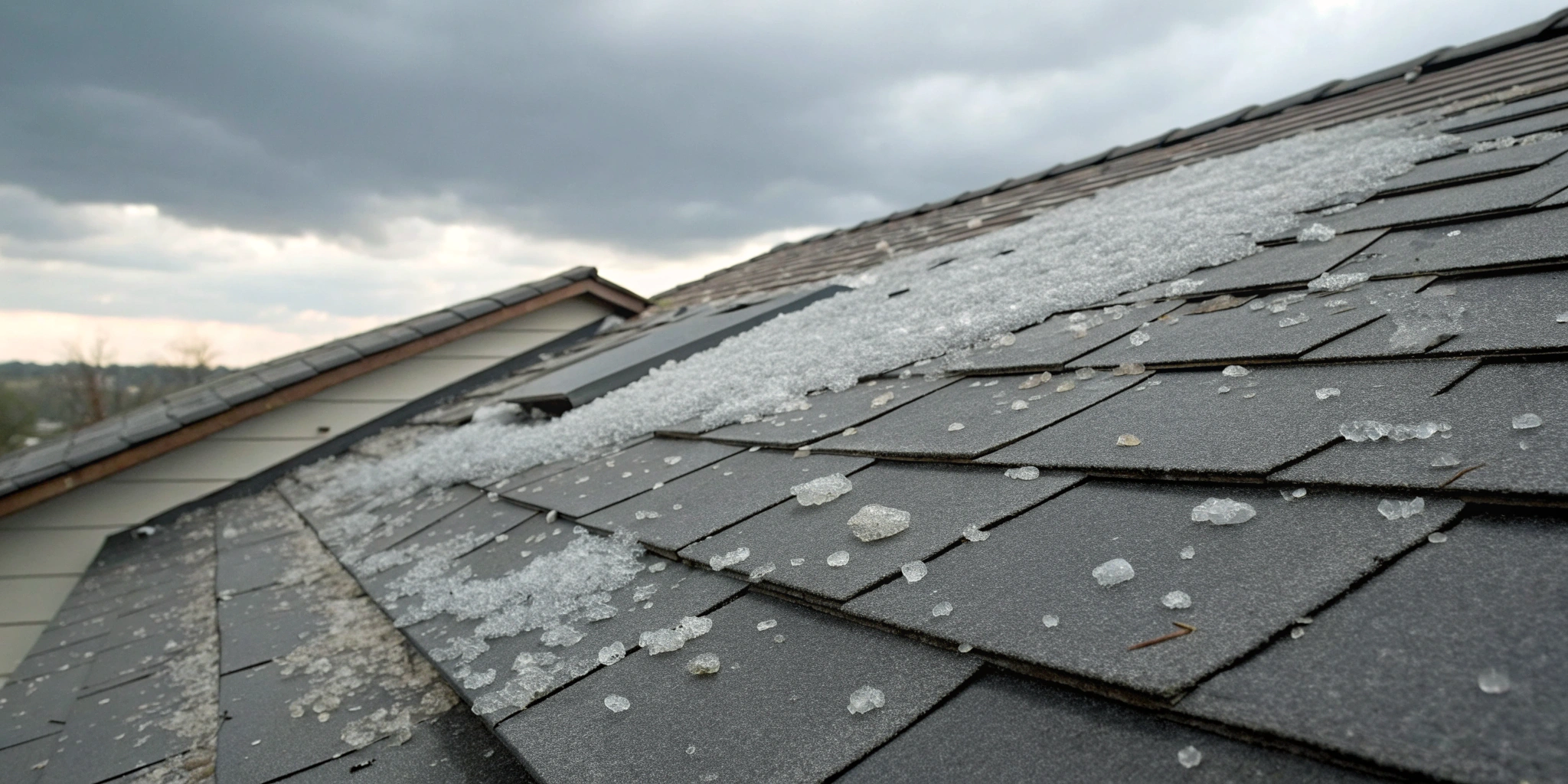
It’s helpful to remember that your insurance provider is a for-profit business, not a partner. Their primary goal is to protect their bottom line, which often means minimizing payouts on claims. So, when your business insurance claim denied for hail damage, it isn’t personal—it’s business. This perspective is your starting point for fighting back. Instead of feeling defeated, you can treat this as a complex negotiation that you can win. The key is to understand their tactics, know your rights as a Texas policyholder, and build a powerful case supported by undeniable evidence. This article will serve as your playbook, giving you the actionable steps needed to counter their arguments and work toward a fair resolution.
Key Takeaways
- Challenge the Insurer’s First “No”: An initial denial is often a business tactic, not a final decision. You have the right to appeal, so use the denial letter as your roadmap for building a stronger, evidence-based case.
- Build Your Case with Meticulous Documentation: The strength of your appeal depends entirely on your proof. Systematically gather everything from independent inspections and detailed repair estimates to weather reports and photos to counter the insurer’s reasoning.
- Don’t Hesitate to Get Professional Help: Facing an insurance company alone puts you at a disadvantage. An experienced attorney levels the playing field, manages the complex legal process, and can hold the insurer accountable for delays or bad faith tactics.
Why Did Your Insurer Deny Your Hail Damage Claim?
Receiving a denial letter from your insurance company after a hail storm can feel like a punch to the gut. You’ve paid your premiums faithfully, and now, when you need the coverage, the insurer is refusing to pay. It’s frustrating, but it’s important to know that a denial is often just the start of the conversation, not the end. Insurance companies have a playbook of reasons they use to deny, delay, or underpay claims. Understanding why they said “no” is the first step in building a strategy to fight for the compensation you deserve. Most denials fall into a few common categories, from issues with your paperwork to fine-print policy exclusions that work in the insurer’s favor. By getting familiar with these common tactics, you can better prepare to challenge the decision and stand up for your rights as a Texas property owner.
Missing or Incomplete Damage Documentation
One of the most common reasons for a denial is that the insurance company claims you didn’t provide enough proof of your losses. The burden is on you, the policyholder, to document the damage thoroughly. Many valid hail damage claims are denied simply because of a lack of sufficient proof from the property owner. Your insurer needs a detailed record, which includes more than just a few photos snapped on your phone. To build a strong claim, you need comprehensive documentation: clear before-and-after photos, videos showing the extent of the damage, detailed reports from independent roofing contractors, and multiple repair estimates. Without this concrete evidence, you give your insurer an easy reason to question the validity of your claim.
Claims of Pre-Existing Damage
Another frequent tactic is for the insurer to argue that the damage to your property was already there before the hail storm. They might assert that the dents, cracks, or leaks are simply the result of normal “wear and tear,” old age, or poor maintenance rather than hail. This allows them to sidestep their responsibility to cover the new damage. If your roof was older, they might claim it was already failing. Countering this requires showing that the damage is new and directly linked to the storm. Having dated photos of your property from before the storm or records of regular maintenance can be incredibly valuable in proving your case and shutting down this common excuse.
Policy Exclusions and Fine Print
Insurance policies are complex legal documents, and the fine print is filled with exclusions and limitations that can be used to deny a claim. You need to be cautious of clauses that exclude “cosmetic” damage, which they might define as dents on a metal roof that don’t cause a leak but still lower your property’s value. Another tricky area involves “matching” issues, where the insurer will only pay to replace the damaged shingles or siding, leaving you with a mismatched, patchwork look. Understanding the specific language in your policy is critical, as insurers will use any ambiguity or exclusion they can find to their advantage. This is where having a professional review your property insurance policy can make all the difference.
Filing Outside Your Policy’s Timeframe
Every insurance policy includes strict deadlines for reporting damage and filing a claim. Insurance companies sometimes deny claims because a property owner missed this window, which can be as short as one year from the date of the storm. For busy business owners, it’s easy to miss this deadline, especially if the hail damage isn’t immediately obvious. You might not notice subtle damage to a large commercial roof until the next heavy rain reveals a leak months later. By then, it could be too late. It’s crucial to inspect your property and report any potential damage to your insurer as soon as possible after a storm to protect your rights.
Your Hail Damage Claim Was Denied. What’s Next?
Receiving a denial letter for your hail damage claim can feel like a final, frustrating blow, especially after you’ve already dealt with the stress of the storm itself. But it’s important to know that this isn’t necessarily the end of the road. An initial denial is often just the insurance company’s first move in a longer conversation. They are banking on the hope that you’ll feel overwhelmed and simply give up. Don’t.
Instead, take a deep breath and shift your perspective. See this denial not as a closed door, but as the starting point for building a stronger case. You have the right to question their decision and fight for the coverage you’ve been paying for. The key is to be strategic and methodical. By taking a few specific, organized steps, you can challenge the denial and work toward getting the funds you need to repair your property. Let’s walk through exactly what you should do next.
Get the Denial in Writing
If your insurer only told you about the denial over the phone, your first step is to request a formal denial letter. A verbal “no” isn’t official and gives you nothing to work with. You need the insurance company to explain in writing exactly why your claim was denied.
This letter is a critical piece of evidence. It forces the insurer to state their official position and cite the specific policy provisions they are using to justify their decision. Once you have it, you can analyze their reasoning and start building your counter-argument. Don’t proceed with any appeals or further action until you have this document in hand.
Reread Your Insurance Policy
Now that you have the denial letter, it’s time to pull out your full insurance policy—not just the declarations page, but the entire document. Read it carefully, paying close attention to the sections the insurer referenced in their letter. Does the policy language actually support their reason for denial? Sometimes, adjusters misinterpret or misapply policy exclusions.
Insurance policies are dense, complex legal documents, and it’s easy to get lost in the jargon. If you’re struggling to understand what is and isn’t covered, you’re not alone. This is often the point where getting help from an experienced Fort Worth property insurance lawyer can make all the difference.
Document Every Conversation and Action
From this moment forward, documentation is your best friend. Create a dedicated file for your claim and keep detailed records of everything. This includes saving all letters and emails, taking notes during every phone call (including the date, time, and the name of the person you spoke with), and keeping copies of all photos, inspection reports, and repair estimates.
This paper trail creates a clear timeline of your claim and your efforts to resolve it. It prevents the insurance company from claiming conversations never happened or that you failed to provide certain information. Meticulous records are the foundation of a strong appeal and are invaluable if your dispute requires legal action.
Remember: The First “No” Isn’t Final
It’s worth repeating: a claim denial is often just the start of a negotiation, not the final answer. You do not have to accept your insurer’s first decision as the last word. Many policyholders successfully appeal initial denials once they provide additional evidence or clarify misunderstandings.
Treat the denial as an invitation to prove them wrong. By staying organized, gathering evidence, and clearly communicating your position, you can effectively challenge their findings. Remember that you have rights as a policyholder, and there are several practice areas of law dedicated to protecting them. Don’t let an initial setback discourage you from pursuing the fair settlement you deserve.
How to Build a Stronger Case for Your Appeal
A denial letter can feel like a final verdict, but it’s often just the start of a conversation. Your insurance company has made its initial decision, and now it’s your turn to respond with a well-supported case. The strength of your appeal rests on the quality of your evidence. By systematically gathering the right documentation, you can challenge the insurer’s findings and demonstrate the true extent of your hail damage. Think of it as building a file that leaves no room for doubt. The following steps will help you collect the proof you need to fight back effectively and show your insurer exactly what they missed. This isn’t about arguing—it’s about presenting clear, undeniable facts that support your claim.
Get a Professional Damage Assessment
Your insurer’s adjuster works for the insurance company, so their assessment might not tell the whole story. It’s smart to get a second opinion from an expert who is on your side. Hire an independent, qualified roofing contractor or a public adjuster to conduct a thorough inspection of your property. These professionals are trained to spot subtle signs of hail damage that an insurance adjuster might overlook or dismiss. A detailed report from your own expert provides a powerful counter-narrative to the insurance company’s initial assessment and becomes a cornerstone of your appeal. This independent evaluation shows you’ve done your homework and are serious about getting a fair outcome.
Use Weather Reports as Evidence
To link the damage directly to a specific storm, you need objective proof that a significant weather event occurred. Your insurance company can’t argue with the data. You can access historical weather reports from sources like the National Oceanic and Atmospheric Administration (NOAA) to confirm the date, time, and severity of hailstorms in your area. This official documentation helps prove that the damage wasn’t pre-existing and was caused by the covered event you’re claiming. Presenting this data strengthens your position and makes it much harder for the insurer to deny the connection between the storm and the damage to your property.
Compile Before-and-After Photos
A picture is truly worth a thousand words, especially in an insurance claim. If you have photos of your property from before the storm, they are invaluable. Pair them with clear, detailed photos of the damage taken right after. Make sure your new photos are dated and include an object for scale—like a ruler or a coin next to a hail dent—to show the size of the impact. This visual evidence creates a compelling timeline and makes it difficult for the insurer to argue that the damage was already there. Organize them clearly so anyone can see the obvious difference the storm made.
Gather Detailed Repair Estimates
Your insurer might have denied your claim based on an argument that the repair costs don’t meet your deductible. To counter this, you need to show the true cost of restoring your property. Get at least two or three detailed, itemized estimates from reputable, licensed local contractors. It’s crucial that these estimates clearly state the damage is a direct result of hail. This documentation not only establishes a realistic cost for repairs but also reinforces that qualified professionals agree on the cause of the damage, adding significant weight to your property insurance dispute.
The Insurance Appraisal Process: What It Is and When to Use It
If you and your insurance company are at a standstill over the cost of your hail damage repairs, the appraisal process might be your next best step. Think of it as a structured negotiation—a formal method written into many commercial property policies to resolve disagreements about the amount of loss without immediately heading to court. It’s a powerful tool when the dispute isn’t about if the damage is covered, but about how much it will cost to fix.
This process isn’t just for massive industrial properties; appraisal applies to any size claim, whether it’s for a small retail storefront or a large commercial complex. When your insurer’s estimate seems unreasonably low and your own contractor’s quotes are much higher, invoking the appraisal clause in your policy can bring in neutral experts to determine a fair value for the damage. It’s a focused, efficient way to settle financial disputes and move forward with repairs. An experienced property insurance lawyer can review your policy and help you determine if appraisal is the right move for your specific situation.
Is Appraisal the Right Path for You?
Deciding to enter the appraisal process is a strategic choice. It’s most effective when the core issue is a disagreement over the financial value of your claim. For example, if your insurer agrees that hail damaged your roof but offers $20,000 for repairs while your roofer quotes $50,000, appraisal is designed to resolve that gap. However, if the insurance company denies the claim entirely, arguing the damage was pre-existing or isn’t covered by your policy, you may need to address that coverage dispute through other legal channels first. Appraisal is about the “how much,” not the “if.”
A Quick Look at How Appraisal Works
The appraisal process is a way to settle disputes without going to court. It allows both you and the insurance company to hire your own independent and impartial appraisers to determine the value of the damage. Once chosen, these two appraisers work together to agree on the amount of the loss. If they can’t reach an agreement, they will submit their differences to a neutral, third-party “umpire” they both selected. A decision agreed upon by any two of the three parties is binding. This structured method provides a clear path to resolution when direct negotiations have failed.
Choosing the Right Appraiser
Your choice of appraiser is one of the most critical factors in the entire process. You need more than just a contractor; you need an expert. It’s important to choose an appraiser who is experienced and knowledgeable about the specific type of damage—in this case, commercial hail damage—and the complex insurance policies involved. A great appraiser understands construction costs, building codes, and how to thoroughly document damage. They should be impartial, credible, and able to defend their assessment effectively. This decision can significantly influence the outcome, so take the time to find a qualified professional you can trust.
Know Your Rights as a Texas Business Owner
When your business insurance claim is denied, it’s easy to feel powerless. You’ve paid your premiums faithfully, and now, when you need the coverage most, the insurance company has said no. But it’s crucial to remember that you have rights. The State of Texas has specific laws in place, outlined in the Texas Insurance Code, to protect policyholders from unfair treatment. Understanding these rights is your first and most important step in successfully challenging a denial.
It helps to remember that insurance companies are for-profit businesses. Their primary goal is to protect their bottom line, and their adjusters are trained to minimize payouts. This doesn’t mean every adjuster is out to get you, but their interests are fundamentally different from yours. They work for the insurer, not for you. This is why Texas law holds them to a standard of “good faith and fair dealing.” This legal duty requires them to treat you honestly and fairly throughout the claims process. Knowing where the line is between a legitimate disagreement and an insurer acting in bad faith can make all the difference in getting the funds you need to repair your property and get back to business.
Protections Under the Texas Insurance Code
At the heart of your rights as a policyholder is the insurer’s legal duty to act in good faith. This means they can’t put their own financial interests ahead of their obligation to you. They are required to conduct a prompt and reasonable investigation into your hail damage claim and must have a legitimate reason for any denial. Simply put, they can’t deny your claim on a whim or based on an incomplete assessment. If an insurer fails to uphold these duties, they may be acting in bad faith, which opens the door for you to seek damages beyond just the value of your original claim. These are the core protections that give you leverage when dealing with property insurance disputes.
Your Right to Prompt Payment
Time is money, especially when your business is waiting on repairs. Texas law recognizes this and sets deadlines for insurance companies to handle claims. After you file a claim, your insurer generally has 15 business days to acknowledge it, begin an investigation, and request any necessary information from you. Once they have everything they need, they have another 15 business days to accept or deny your claim. If they accept it, they must issue payment within five business days. While your policy might have its own deadlines for you to file a claim (sometimes as short as one year), these state-mandated timelines are designed to prevent insurers from leaving you in limbo indefinitely.
What Happens When Insurers Delay?
Unreasonable delays can be just as damaging as an outright denial. If your insurer is dragging its feet, failing to return your calls, or repeatedly asking for the same information, it’s more than just frustrating—it could be a violation of your rights. These stalling tactics can prevent you from making necessary repairs, leading to further damage and business interruption. When an insurer isn’t communicating or is delaying your claim without a valid reason, it may be time to get help. An experienced Fort Worth property insurance lawyer can step in, manage all communication, and apply the legal pressure needed to get your claim back on track and hold the insurer accountable.
How to Spot Bad Faith Insurance Tactics
Sometimes, an insurer’s actions cross the line from careful evaluation to unfair practices. Recognizing the signs of bad faith is key to protecting your interests. Be on the lookout for red flags like the insurer denying your claim without providing a clear, written explanation referencing your specific policy language. Other warning signs include refusing to communicate with you, offering a settlement that is far too low to cover the estimated repairs, or misrepresenting what your policy actually covers. If your insurer’s behavior feels more like an attempt to avoid payment than a fair assessment of your claim, trust your gut. These tactics are often signs that you need professional legal guidance.
When to Call for Backup: Getting Professional Help
Handling a denied insurance claim on your own can feel like a full-time job. While you can manage many parts of the appeal process yourself, there are times when bringing in a professional is the smartest move for your business. Knowing who to call—and when—can make all the difference in getting the payout you deserve. It often comes down to two choices: a public adjuster or an attorney. Understanding the role each one plays will help you decide on the right backup for your situation.
Signs You Might Need a Public Adjuster
If your hail damage claim was underpaid or you’re struggling to document the full extent of the damage, a public adjuster can be a powerful ally. Public adjusters are your advocate. Unlike the insurance company’s adjuster, a public adjuster works only for you. They specialize in assessing property loss, interpreting the fine print of your policy, and negotiating with the insurer on your behalf to secure a fair settlement. Think of them as a great first step if you feel outmatched by the insurance company’s resources but aren’t yet facing a serious legal dispute over bad faith.
When It’s Time to Talk to an Attorney
If your insurance company is delaying, not talking to you, or denied your claim without a good reason, it may be time to consult an attorney. While a public adjuster is great for disputes over the amount of damage, a lawyer is essential when you suspect your insurer is acting in bad faith. An experienced property insurance lawyer can handle the complex paperwork, build a strong case, negotiate with the insurer, and represent you in court if needed. If the dispute goes beyond damage valuation and into your legal rights and the insurer’s obligations, an attorney is your best advocate.
How Our Firm Handles Insurance Disputes
At Hoch Law Firm, we know that a claim denial is often just the start of a negotiation, not the final answer. Insurance companies frequently deny, delay, or underpay valid hail damage claims, especially in a place like Texas where hailstorms are common. You don’t have to accept your insurer’s first decision. Our approach is to thoroughly review your policy and the denial letter, gather the evidence needed to challenge their findings, and aggressively advocate for the full compensation you’re owed. We handle all types of insurance disputes and are prepared to take your case as far as it needs to go to get you the right result.
The Difference an Experienced Attorney Makes
When your insurance company refuses to play fair, bringing in a legal professional can completely change the dynamic. Insurance carriers have teams of lawyers dedicated to protecting their bottom line, and going up against them alone puts you at a significant disadvantage. An experienced attorney does more than just handle the paperwork; they build a strategic case, anticipate the insurer’s tactics, and fight to get you the full and fair compensation your business is owed.
Navigating a denied claim involves complex legal procedures, strict deadlines, and a deep understanding of Texas insurance law. A skilled lawyer manages this entire process, freeing you up to focus on running your business. They know how to gather the right evidence, work with experts to validate your damages, and negotiate from a position of strength. If the insurance company still won’t offer a fair settlement, your attorney will be prepared to take them to court. This isn’t just about filing an appeal; it’s about leveling the playing field and showing the insurer you are serious about protecting your rights.
Understanding Contingent Fee Representation
One of the biggest worries for business owners facing a denied claim is the cost of hiring a lawyer. That’s where contingent fee representation comes in. Many attorneys who handle these practice areas work on a contingent fee basis, which means they only get paid if you win your case. Their fee is a percentage of the final settlement or verdict, so you don’t have to pay anything upfront. This arrangement makes top-tier legal help accessible when you need it most, removing the financial barrier that might otherwise stop you from pursuing your claim. It also means your attorney is fully invested in achieving the best possible outcome for you.
What Happens if Your Case Goes to Court?
The thought of a lawsuit can be intimidating, but sometimes it’s the only way to get justice. If your case goes to court, having an experienced attorney can significantly impact the outcome. They will prepare your case, gather compelling evidence, and present persuasive arguments to the judge or jury. Insurance companies often use the threat of a long, expensive court battle to pressure policyholders into accepting lowball offers. When they see you have a credible trial lawyer on your side who isn’t afraid to litigate, their calculations change. This alone can be enough to bring them back to the negotiating table with a much more reasonable offer, showcasing the powerful results a trial-ready attorney can achieve.
Why a Board Certified Trial Lawyer Matters
Not all attorneys are created equal, especially when it comes to courtroom battles. A board-certified trial lawyer has demonstrated the highest level of expertise and experience in trial law. In Texas, this is a distinction earned by only a small fraction of attorneys. It means they have passed a rigorous exam, been favorably reviewed by peers and judges, and have extensive, hands-on trial experience. When you’re dealing with a complex insurance dispute, having a specialist like Tim Hoch in your corner ensures your rights are protected by someone with proven skill in the art and science of trial advocacy. It sends a clear message to the insurance company: you have an expert ready to win.
Avoid These Common Mistakes in Your Appeal
When your hail damage claim is denied, it’s easy to feel frustrated and unsure of what to do next. The appeal process can feel like a maze, but you can successfully work through it by avoiding a few common missteps. Steering clear of these pitfalls will strengthen your position and give your appeal the best chance of success.
Accepting the Initial Denial at Face Value
Don’t let a denial letter be the final word. An insurer’s initial denial is often just their opening move in a negotiation, not a final decision. You have the right to question their assessment and present a stronger case with more evidence. Think of the denial not as a closed door, but as an invitation to prove them wrong. Challenging an insurer’s decision is a standard part of many property insurance disputes.
Keeping Disorganized Records
From the moment you notice damage, documentation is your best tool. A disorganized file weakens your appeal, so keep a detailed record of everything. This includes all letters, emails, and notes from phone calls with your insurer—log the date, time, and person you spoke with. Save every photo, inspection report, and repair estimate. This log serves as your evidence, creating a clear timeline and a factual basis for your appeal. It shows the insurer you are serious and prepared.
Missing Important Deadlines
Time is not on your side after a claim denial. Insurance policies and Texas law have strict deadlines for filing appeals and lawsuits. While you generally have two years to file a lawsuit in Texas, your policy might have a much shorter window for internal appeals. Waiting too long can mean forfeiting your right to recover any money. As soon as you get a denial, review your policy to find the exact deadlines. Acting quickly ensures you stay within the required timeframe.
Trying to Handle a Complex Claim Alone
As a business owner, you’re used to handling challenges, but a complex insurance appeal isn’t a DIY project. The insurance company has a team of experts protecting their interests; going against them alone puts you at a disadvantage. If your claim involves substantial damage or you suspect bad faith, it’s time to call for backup. An experienced attorney can manage the process for you. Many, like our firm, work on a contingent fee basis, meaning you don’t pay unless we recover money for you.
Related Articles
- FORT WORTH TX PROPERTY DAMAGE ATTORNEY – Hoch Law Firm, PC
- FORT WORTH TX PROPERTY DAMAGE ATTORNEY – Hoch Law Firm, PC
Frequently Asked Questions
My insurer denied my claim over the phone. What should I do now? A verbal denial isn’t official. Your first step is to immediately request a formal denial letter sent to you in writing. This letter is a crucial document because it forces the insurance company to state their exact reason for the denial and reference the specific parts of your policy they are using to back it up. Without this letter, you don’t have a clear basis for an appeal.
The insurance company says my roof damage is just “wear and tear.” How can I fight that? This is a very common tactic used to avoid paying for legitimate hail damage. The best way to counter this is with your own evidence. A report from an independent roofing contractor who confirms the damage is from hail, not age, is powerful. You can also use historical weather data to prove a severe storm occurred. If you have any photos of your property from before the storm, they can be incredibly effective in showing the damage is new.
Should I hire a public adjuster or an attorney for my denied claim? This depends on the nature of your dispute. A public adjuster is a great resource if the disagreement is primarily about the cost of repairs—for example, your insurer is offering far less than what contractors have quoted. However, if your claim was denied entirely, or if you believe the insurance company is delaying unfairly or acting in bad faith, it’s time to speak with an attorney. A lawyer can address the legal aspects of the denial and protect your rights under Texas law.
I’m worried about the cost of hiring a lawyer. How does that work? That’s a completely valid concern, and it’s one that stops many people from getting the help they need. Most experienced property insurance lawyers, including our firm, handle these cases on a contingent fee basis. This means you don’t pay any attorney’s fees upfront. The lawyer’s fee is a percentage of the money they recover for you. If you don’t get a settlement, you don’t owe any fees.
My insurance company is taking forever to respond. Is there anything I can do? Yes, you absolutely can. Texas law sets specific deadlines for insurers to respond to and process claims to prevent them from leaving you in limbo. If your insurer is dragging their feet, failing to return calls, or not giving you straight answers, they may be violating your rights. Document every attempt you make to contact them and consider getting legal help to apply the pressure needed to get your claim moving.