Can a Texas property claim be reopened after payment? Sometimes a payment is followed by additional questions, but payment alone does not show whether every item was evaluated or whether a written agreement resolved the dispute. The answer depends on the policy, the payment explanation, any settlement terms, the claim history, and the facts. Treat it as a document-review question, not an automatic yes or no. A property insurance attorney can help you sort those records before you decide what to ask next.
Call Hoch Law Firm to review your property claim
What does payment tell you about the claim?
A payment shows that money was issued for some stated purpose. It does not tell the whole story by itself. The insurer’s estimate, decision letter, payment explanation, and any agreement can help clarify which damage or disputed items were considered at that point.
Start by asking what the payment was meant to address. It might correspond to a listed repair scope, a portion of submitted costs, or an agreed resolution described in writing. The paperwork may also identify items that were not included, were deferred, or required more information. Do not infer the full scope from a check amount or a short label such as “final.” Read the surrounding documents.
Also distinguish a request to review an unresolved item from an effort to undo a settlement. Those are not necessarily the same issue. A disagreement about an estimate may concern the work that was originally evaluated. A later discovery may raise a question about a condition that was not visible before repairs. A signed release or settlement document may address a broader set of issues. The wording and circumstances matter, so none of these categories alone determines the result.
Which records should you gather first?
Collect the full claim file available to you before drawing conclusions. Keep earlier versions as well as updated papers. A simple, dated record can make it easier to identify what changed and what question remains.
- Policy documents. Gather the policy in effect for the loss, including declarations, endorsements, and amendments. Note provisions that appear relevant to the damaged property, reported cause, claim duties, limits, and procedures. Do not assume a summary or renewal document contains every applicable term.
- Insurer communications. Collect decision letters, estimates, inspection summaries, requests for information, and explanations for items not included or still under review. Record the date each arrived and the issue it addressed.
- Payment materials. Preserve the check image or payment notice, transmittal letter, and any correspondence describing the payment. Record the amount and date, but do not treat those facts alone as proof of what was resolved.
- Settlement documents. Find any release, settlement agreement, endorsement, or written acceptance associated with payment. Keep the complete document, including attachments and signature pages. If there is no separate agreement, note that too.
- Damage and repair records. Save dated photos, invoices, work orders, contractor observations, maintenance records, and communications about conditions found during the work. Preserve originals when possible.
- Your own submissions. Include notices, estimates, inventories, emails, and letters sent to the insurer, together with delivery or receipt information available to you.
Organize copies chronologically and create a short index. For example, list “May 4: first inspection,” “May 19: estimate received,” and “June 2: payment explanation.” Add a brief note on what each item says, not what you think it legally means. That separation helps prevent an assumption from being mistaken for a documented fact.
Can a Texas property claim be reopened after payment when damage is found later?
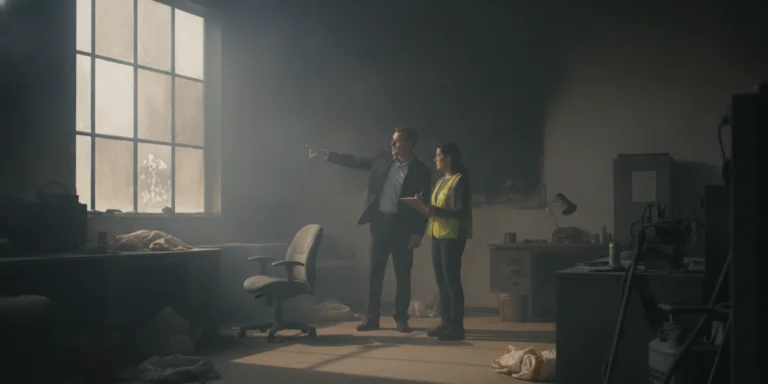
Repair work sometimes exposes a condition that was hidden during an earlier inspection. Removing roofing or opening a wall, for example, may reveal damage that could not be seen from the surface. That discovery is a reason to document and compare the evidence. It does not, by itself, establish that the condition is covered or that another payment is owed.
Make a record as soon as practical. Photograph the condition before it is covered or altered, when it is safe and feasible to do so. Take an overview image showing the location, then closer images that show the details. Keep the original files and note the date, area, and person who took them. If a repair professional observed the condition, ask for a written description of what was found, where it was found, and when. Avoid asking the professional to make legal conclusions about coverage.
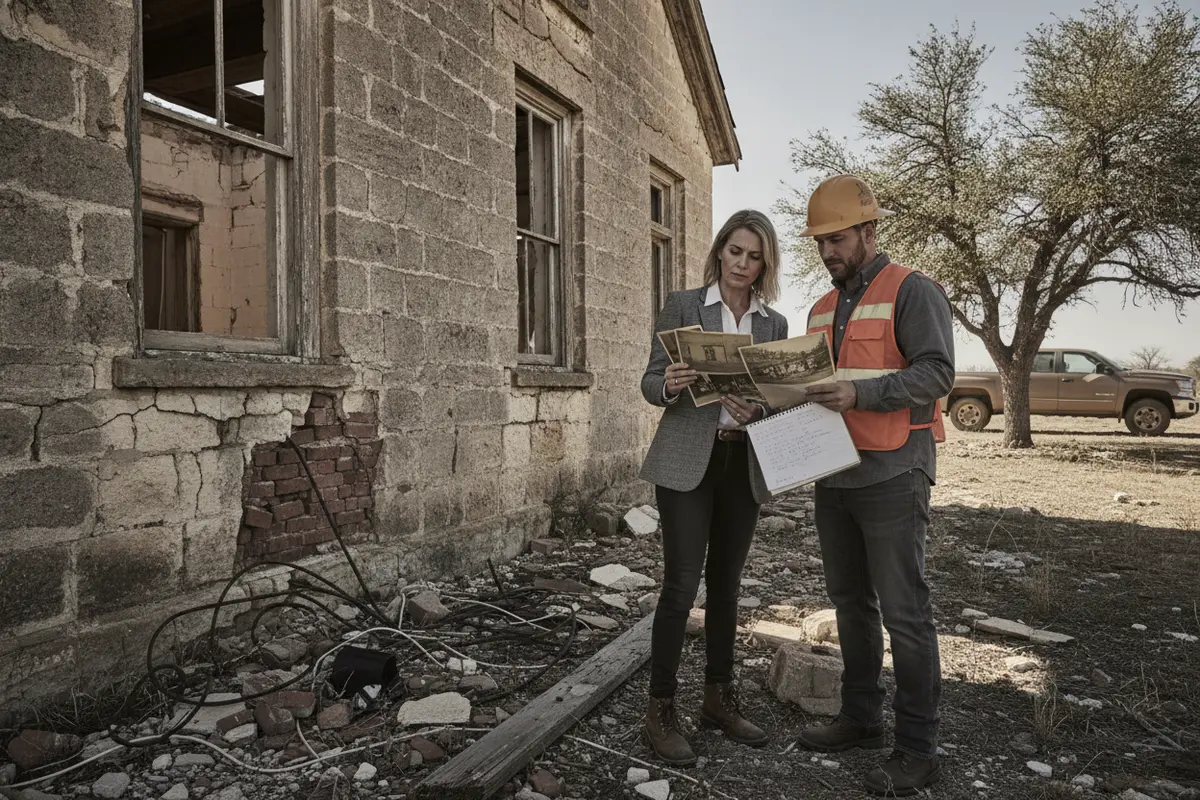
Next, compare the new information with the earlier inspection and estimate. Was the location inspected? Does an earlier document list it, omit it, or describe it as uncertain? Is the newly observed issue a different component, a greater extent of damage, or a different proposed repair method for the same visible condition? Specific comparisons are more useful than a general statement that the first estimate was incomplete.
Keep the sequence clear. Note when the condition became visible, what work was underway, whether temporary protection or repairs were needed, and when the insurer was told. If urgent work was necessary, preserve invoices and available photographs. The aim is to explain what was observed and when, while retaining evidence of the property’s condition and the steps taken.
What should you compare in the paperwork?
Use a side-by-side review rather than relying on memory. The table below is an organizing aid. It does not replace reading the complete policy or any signed settlement terms.
| Record | Details to compare | Question it may help answer |
|---|---|---|
| Policy and endorsements. | Covered property, relevant conditions, limits, and policy period. | Which contract terms should be reviewed against the reported damage? |
| Insurer estimate and letters. | Locations, quantities, work items, stated exclusions, and requests for information. | What did the insurer say it evaluated, deferred, or did not include? |
| Payment notice and check papers. | Payment date, amount, stated purpose, and related explanation. | Which estimate or decision does the payment appear connected to? |
| Release or settlement agreement. | Parties, property, claims, issues, dates, and any stated limits. | What does the full written agreement describe as resolved? |
| Repair records and photographs. | Discovery date, location, work performed, and observed condition. | What new facts arose, and how do they relate to the earlier record? |
| Owner’s submissions. | What was sent, when it was sent, and any response or receipt. | What information was provided before the payment decision? |
When estimates differ, compare line items rather than only the totals. Check whether each document describes the same building area, quantity, material, and repair approach. A difference in totals may come from different assumptions or from items included in one estimate but not the other. Make a separate list of questions that need clarification instead of treating every difference as proof of an error.
Can a Texas property claim be reopened after payment in common situations?
| Situation | Focused question | Practical next step |
|---|---|---|
| Payment with no separate release. | What did the accompanying estimate and letter say the payment covered? | Match the payment to the written scope and identify listed open items. |
| Payment connected to signed settlement terms. | Which claims, property, or disputes does the complete document describe? | Read the entire agreement and seek advice if its scope is unclear. |
| New condition found during repair. | Was the location previously inspected or discussed, and when did the new facts appear? | Preserve photographs, repair notes, dates, and related communications. |
| Different estimate for the same visible damage. | Which quantities, materials, or repair assumptions differ? | Prepare an item-by-item comparison with support for each difference. |
Consider two examples. In the first, an insurer’s estimate addresses visible roof damage. During repair, a professional documents a separate concealed condition. The owner can identify the exact area, preserve photographs and repair notes, and compare that evidence with the earlier estimate and inspection record. Those steps clarify the issue for discussion; they do not establish in advance how the policy applies.
In the second example, the new estimate addresses the same visible area but uses a different repair method. The useful comparison is the basis for each approach: what materials and quantities each assumes, what condition each describes, and what documentation supports the proposed work. Calling the claim “reopened” does not resolve that technical disagreement. A precise statement of the difference gives the parties something concrete to assess.
What steps can keep the review focused?
- Write the question in one sentence. For example: “Does the payment explanation address the ceiling damage found during removal of the interior finish?” A narrow question is easier to match with evidence than a broad demand to reconsider everything.
- Build a dated timeline. Include the reported loss, inspections, estimates, decisions, payment, repair milestones, and later findings. Mark approximate dates as approximate rather than presenting them as exact.
- Pair each issue with a record. If the question concerns a missing room, identify the estimate page or photograph that shows it. If it concerns a newly exposed condition, identify the repair note and discovery date.
- Keep facts separate from conclusions. “The wall cavity was opened on June 10 and the photos show staining” describes evidence. “The insurer must pay for all work” is a conclusion. That conclusion depends on the policy and the other facts.
- Preserve communications. Keep copies of written requests and responses. After a phone conversation, make a dated note of who participated and what was discussed. A note is useful context, but it is not a substitute for the underlying policy or agreement.
- Check timing promptly. Review policy requirements and claim correspondence for dates or requested actions. Do not assume a general article supplies the deadline for a particular dispute.
This process also helps show what remains unknown. Perhaps the insurer has not explained a line item, the repair professional has not provided a written finding, or the owner has not located a signed document. Mark the gap and identify how it might be addressed. Do not fill missing facts with guesses.
What should you avoid assuming or doing?
- Do not assume that receiving money means every possible issue was resolved.
- Do not assume that a later estimate or newly found condition automatically entitles you to another payment.
- Do not rely only on a short label such as “closed,” “supplement,” or “final” without reviewing the related explanation and documents.
- Do not sign a release or other settlement paper without understanding which matters it addresses.
- Do not discard earlier estimates, photographs, policy versions, or repair records after receiving updated documents.
- Do not postpone reasonable documentation of a condition while trying to decide what the payment means.
- Do not treat a contractor’s repair opinion as a legal interpretation of coverage.
Texas law and policy terms can affect the way a claim is handled, but no single general rule answers every question about a past payment. The Texas Legislature’s website provides a starting point for locating official Texas statutory materials. A citation to a government source does not decide how any law applies to a particular policy or set of facts.
For a specific claim, check the actual policy and communications, including any written settlement agreement. The date of loss, the reason for the payment, later evidence, and applicable requirements may all matter. If a deadline or contractual condition may apply, address that question promptly rather than waiting for a complete disagreement over every repair detail.
When can a focused claim review help?
A focused review may help when the payment explanation is unclear, a release appears to cover more than the issue discussed, or repair findings differ from the insurer’s estimate. It may also help an owner separate a newly discovered condition from a continuing disagreement about the original scope. The goal is to assess the documents and facts, not to assume the outcome.
Hoch Law Firm represents policyholders in property insurance disputes, including commercial property matters, and does not represent insurance companies. Its described claim process includes investigating damage, reviewing the policy, assessing coverage, and pursuing negotiation or litigation when needed. The firm’s property matters may involve reviewing damage documentation and coordinating with relevant experts. A case-specific legal assessment still depends on the available record.
For context on the firm’s property claim review, see its description of the claim process. Owners comparing disputed repair methods can also read about appraisal disputes. A disagreement about insurer conduct raises different questions; information about bad-faith insurance claims may provide related background, but a label alone does not establish a claim.
After a storm, preserve a clear record of the property condition and response steps; the firm’s storm-damage resource discusses those issues. Its article on commercial property damage documentation offers additional context for building records. These materials do not determine whether a previous payment resolved a particular dispute.
Owners may also review the firm’s information about insurance litigation and steps after roof damage. Use those resources as general background, then compare your own policy, payment papers, and evidence.
Call Hoch Law Firm to review the payment papers and later damage
Frequently Asked Questions
Does payment automatically close a Texas property claim?
Not necessarily. The payment explanation, estimate, policy, and any release or settlement terms help show what was addressed. Review the complete record before concluding that all issues were resolved or that further recovery remains available.
Can damage discovered during repairs lead to another review?
It can raise questions that merit documentation and comparison with the earlier inspection and estimate. Discovery alone does not establish coverage or a right to additional payment. Record the location, date, condition, and supporting repair observations.
What if I signed a release when I received payment?
Read the complete signed document, including any attachments, and identify the parties, property, and issues it describes. Its effect depends on its language and circumstances. If the scope is unclear, consider getting advice based on the document and claim record.
What should I gather before asking for a claim review?
Gather the policy and endorsements, insurer estimates and letters, payment papers, any settlement terms, repair invoices, photographs, and later professional findings. Arrange them by date and write down the specific unresolved questions.
Does Texas prompt-payment law mean a paid claim can be reopened?
No automatic conclusion follows from prompt-payment requirements. Whether a payment issue remains depends on the particular claim history, policy, written terms, and facts. Consult current official materials and obtain advice for a specific dispute when needed.
A useful starting point is a dated comparison of what was reported, what the insurer evaluated, what the payment addressed, and what later evidence shows.