A tornado can erase one building, damage several more, and stop a business for months.
A tornado damage claim lawyer Texas commercial owners trust helps organize the full loss after a severe storm. That work may include reviewing the policy, measuring damage across each building, protecting business interruption rights, and testing the insurer’s repair estimate. Commercial property insurance may cover repairs or replacement for buildings and business property after a covered windstorm, but the policy controls what the insurer must pay. The Texas Department of Insurance explains that basic commercial policies usually cover windstorm and hail damage, while other losses, such as flood damage, may need separate coverage. A lawyer can coordinate engineers, contractors, accountants, and other experts when the claim involves structural hazards, total loss, multiple adjusters, or months of lost income. The goal is a complete, supported claim, not a rushed settlement.
Catastrophic damage creates more than one insurance question. Owners must address safety, temporary operations, repair scope, policy limits, deductibles, and the income lost while the property is unusable. Even a tornado that misses the funnel can send wind, rain, and hail across a wide path, leaving several structures with different types of damage.
That is why the first step is defining the loss before debating a dollar figure. What Constitutes Catastrophic Tornado Damage to Commercial Property? Here’s how.
Tornado Damage Claim Lawyer Texas: What Constitutes Catastrophic Tornado Damage to Commercial Property?
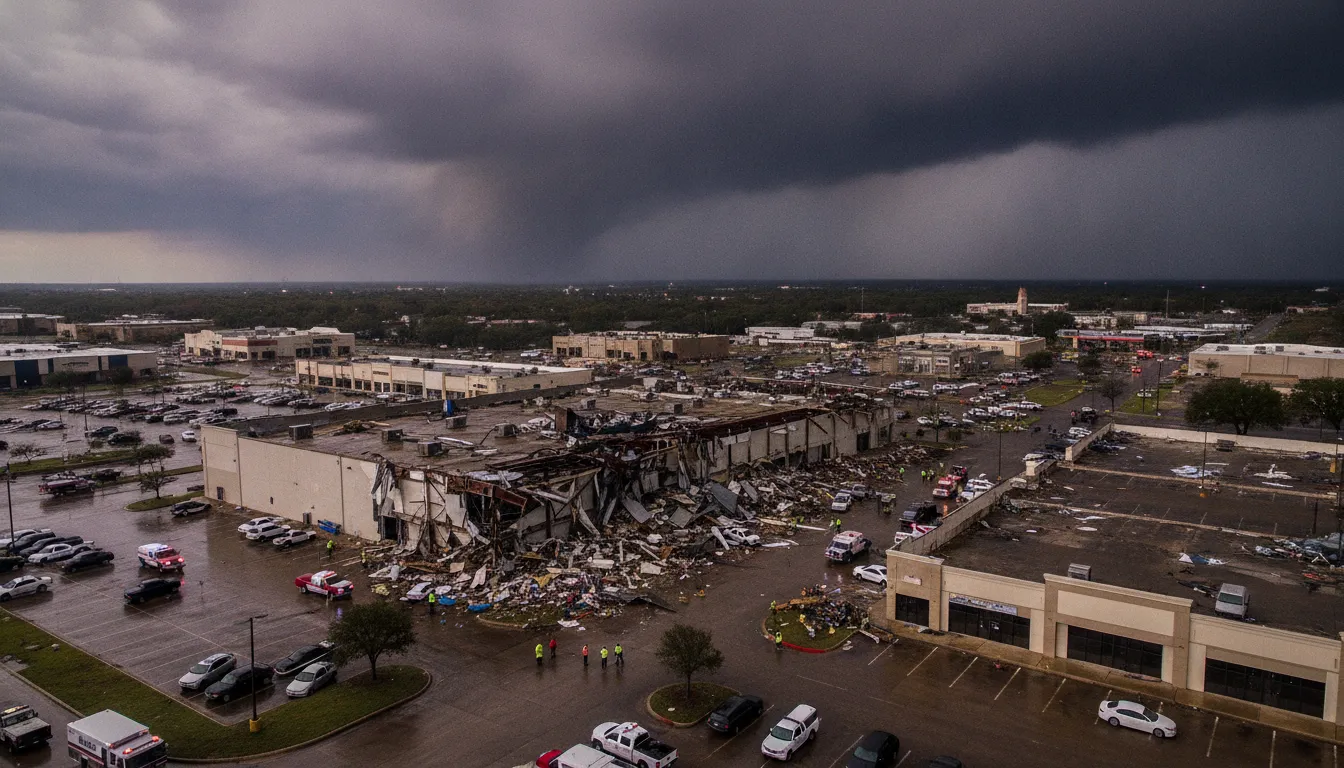
Catastrophic tornado damage is more than a few broken windows or a damaged roof. It can leave a business with a total loss or major structural harm. It can also affect several buildings. An EF3 or stronger tornado often fits this description, but the label depends on the loss, not only the storm rating.
Total loss and structural harm
A commercial property may face a total loss when the building cannot be safely repaired or its repair cost approaches the cost of rebuilding. A tornado can also damage roofs, walls, doors, HVAC systems, wiring, equipment, stock, and records in one event.
Safety comes first after a storm. The CDC’s tornado safety guidance warns that cracks in a foundation and missing support beams can signal structural danger. Do not enter an unstable building just to inspect items or begin cleanup.
Wide damage paths and many buildings
Catastrophic damage can affect a retail center, warehouse group, office park, or industrial site at the same time. One building may lose its roof while another suffers wall damage, water intrusion, or equipment loss. The storm can also force a long shutdown and lead to lost business income.
A tornado does not need to strike a building with its funnel cloud to cause a serious claim. Wind, rain, and hail can damage property across a wide path. This matters when an insurer questions whether tornado forces caused the loss.
For a full review of a large commercial loss, owners can consult a tornado damage insurance lawyer for Texas commercial properties. A claim may need building records, repair bids, photos, equipment lists, and income data for each affected site.
What the policy may cover
Commercial property insurance is meant to pay for repair or replacement of a covered loss to the building and business property. The Texas Department of Insurance explains commercial property coverage and notes that basic forms usually cover windstorms and hail.
Read the policy’s covered causes of loss, limits, deductibles, exclusions, and endorsements. A windstorm or hail deductible may apply before payment begins. Flood damage is a separate concern. Most commercial property policies do not cover floods, so a business may need a separate flood policy.
Water that enters through a damaged roof is not always treated the same as rising floodwater. The cause, timing, and policy wording can affect the result. That is why catastrophic claims should be reported promptly and reviewed against the full policy, not just the adjuster’s first estimate.
How a Texas Tornado Damage Claim Lawyer Handles Total Loss and Multi-Building Claims
A total loss changes the shape of an insurance claim. The work is no longer just a roof repair estimate. A tornado damage claim lawyer Texas policyholders hire may need to value the full building, business property, lost income, debris removal, and the cost of meeting current building rules.
Total loss review
The first step is a close read of the policy and its endorsements. Commercial property insurance may cover repair or replacement of a building and business property after a covered windstorm, as explained by the Texas Department of Insurance. The lawyer then compares those terms with the damage, the limits, and the proof needed for each part of the claim.
This review can expose gaps in an adjuster’s estimate. A carrier may price only visible repairs while missing hidden structural harm, code costs, equipment, inventory, or lost business income. For a total loss, the claim must show what it will take to restore the property or replace it, not just what a quick inspection found.
The review also checks whether the carrier split one loss into small parts. That can hide the full cost of cleanup, temporary space, security, and lost rent or sales. A complete claim presents those connected losses in a clear record.
Multi-building claim control
Strip centers, apartment complexes, and business campuses can produce many related claims at once. Each building may have its own damage pattern, tenant issue, contents loss, and repair need. A lawyer helps keep the evidence and costs tied to the right building, while looking for shared damage from the same tornado.
That process also limits confusion when several adjusters enter the picture. One adjuster may handle the roof, another may review business income, and a third may assess contents or code work. Counsel can track requests, compare reports, and press the carrier to give a clear position instead of forcing the owner to manage a maze of partial answers.
Disputes and payment terms
Texas carriers may delay, deny, or underpay catastrophic tornado claims. A policyholder can challenge a denial by adding evidence, disputing the valuation, or bringing in legal counsel. The case may involve engineers, contractors, accountants, and other experts who can explain why the first estimate does not match the loss.
Many Texas property insurance lawyers work on a contingency fee basis. That means the firm is paid from a recovery under the agreed fee terms, rather than requiring an upfront hourly retainer. The exact terms should be reviewed before representation begins, including case costs and what happens if there is no recovery.
Legal counsel also changes the way the claim is handled. Instead of answering each adjuster’s request without a plan, the owner has one advocate who can protect deadlines, challenge unfair positions, and press for a complete review. For a broader look at when to seek help, read about a tornado damage claim lawyer.
Gathering Evidence and Coordinating Restoration Experts After a Tornado
After a tornado, safety comes first. Evidence comes next. A strong record can help show what happened, what was damaged, and what it will cost to restore your business. Start this process before debris is moved, unless emergency work is needed to protect people or prevent more loss.
1. Secure the site
Do not enter a damaged building until it is safe. The CDC warns about structural hazards such as foundation cracks and missing support beams. Watch for loose walls, broken glass, exposed wires, gas leaks, and unstable stairs.
Block off unsafe areas and keep workers, customers, and vendors away. Ask the fire department, building official, or a qualified engineer for guidance when needed. Make only the emergency repairs needed to stop water entry, theft, or further collapse. Save every invoice, work order, photo, and receipt.
2. Build a before-and-after record
Take wide photos first. Then take close photos of roofs, walls, equipment, stock, signs, vehicles, and each damaged room. Record the date, time, location, and item shown in each image. Tornado damage can spread across a wide path, even when the funnel does not strike the building itself.
Gather pre-loss proof as well. Use property photos, inspection reports, lease records, equipment lists, tax files, sales records, and maintenance logs. Mark which items were in place before the storm and which were damaged afterward. A guide to documenting evidence after severe weather can help you organize this file.
3. Bring in the right experts
Large losses often need more than one view. An independent structural engineer can assess the building and explain the cause of damage. A licensed roofer can inspect the roof system. A contractor can prepare a repair scope and cost estimate. Ask each expert to state what they inspected, what they found, and what work is needed.
Your carrier will send its own adjuster. You may also hire a public adjuster to review the loss and prepare a claim. These roles differ. An attorney can help you assess conflicts, protect your rights, and coordinate the work when the carrier disputes cause, scope, or cost. You can also review the role of a tornado damage claim lawyer before key statements or inspections.
4. Track debris and recovery costs
Keep a running loss log. List each expense, the date, the vendor, the work done, and the payment method. Include debris hauling, temporary storage, security, cleanup, emergency repairs, equipment rental, and extra labor.
- Photograph debris before removal when it is safe.
- Separate damaged property from ordinary business waste.
- Keep dump tickets, hauling bills, and disposal records.
- Save emails that approve or reject cleanup work.
- Back up the full claim file in two secure locations.
Do not discard damaged property until the carrier has had a fair chance to inspect it, unless safety or local rules require removal. If removal is urgent, preserve samples, photos, video, and expert notes. That record can help support a claim for the full cost of restoration.
Appraisal Clause, Business Interruption, and Bad Faith Claims After a Tornado
A tornado claim can involve more than roof repairs. A damaged business may face lost sales, payroll costs, rent, and urgent repair bills at the same time. A tornado damage claim lawyer can review the policy, track each loss, and address disputes with the insurer.
How the appraisal clause works
Many commercial property policies include an appraisal clause. It may apply when the insurer and the policyholder agree that damage is covered but disagree about the value of the loss. Each side selects an appraiser. Those appraisers then choose an umpire if they cannot agree.
Appraisal is not a full trial. It usually focuses on the amount of damage, not every question about coverage. The policy terms still matter. A lawyer can help decide whether appraisal fits the dispute, protect the policyholder’s position, and check that the loss estimate includes all damaged buildings and contents.
Business interruption and lost income
Business interruption coverage may help replace income lost after covered tornado damage. The claim may also include payroll that must continue while the site is closed. Extra expense coverage may help pay for a temporary site, equipment rental, emergency repairs, or other costs that reduce the shutdown.
Some businesses also need to review contingent business interruption coverage. That coverage may matter when a key supplier, customer, or service provider suffers covered damage and the loss disrupts the insured business. The policy controls what losses qualify, how long the period lasts, and what records must support the claim.
Coverage analysis must also separate wind, hail, and flood damage. The Texas Department of Insurance explains that basic commercial policies usually cover windstorms and hail, while most commercial property policies do not cover flooding. Replacement cost coverage can pay current repair or replacement costs, while actual cash value subtracts depreciation.
Signs of a bad faith insurance claim
Policyholders may face a delayed review, a low offer, or a failure to investigate the full scope of damage. These problems can grow when several adjusters handle separate buildings or when the insurer treats business losses as an afterthought. Keep copies of notices, estimates, records, and every request for more information.
Texas law sets rules for the handling and payment of many insurance claims. The Texas Prompt Payment of Claims Act may become important when an insurer misses a required deadline without a valid reason. A claim review should also account for the deductible, including percentage deductibles that can affect a large commercial loss. Understanding commercial property damage deductibles helps clarify the amount at issue.
When an insurer delays, underpays, or denies a covered tornado loss, the policyholder should act before records fade. A careful review can separate appraisal issues, coverage disputes, income losses, and possible claim-handling violations.
Why Commercial Property Owners Choose Hoch Law Firm for Catastrophic Storm Claims
Trial skill with a business focus
A catastrophic tornado claim can affect more than a building. It can disrupt staff, stock, leases, cash flow, and plans for the next year. Hoch Law Firm brings a business-minded view to these losses. The goal is to assess the full claim, not just the first repair bill.
Tim Hoch is Board Certified in Civil Trial Law, a mark held by about the top 2% of Texas attorneys. He also brings more than 30 years of trial experience. His work includes high-stakes property disputes for commercial owners and other policyholders across Texas.
Results built for hard claims
Hoch Law Firm has secured more than $50 million in career recoveries for clients. Those results include a $5.4 million verdict for wind damage. Past results do not promise a result in any new case, but they show the level of claim the firm is prepared to handle.
Commercial owners often need counsel who can test the insurer’s damage estimate, review policy terms, and account for lost use of the property. The Texas Department of Insurance explains that commercial property policies may cover repair or replacement of buildings and business property after covered events. Hoch Law Firm uses the policy and the loss record as the starting point for that review.
Only policyholders at the table
Hoch Law Firm represents policyholders, never insurance companies. That focus helps keep the firm’s advice aligned with the owner’s recovery, whether the loss involves one site, several buildings, or a long business interruption.
Large storm losses can also bring many moving parts. An owner may deal with more than one adjuster, engineer, contractor, and lender. Counsel must keep the facts, estimates, and policy terms tied to the same claim. That work can help prevent a narrow view of damage from shaping the full recovery.
The firm serves business owners in Dallas-Fort Worth and throughout Texas. Its entrepreneurial background also shapes the work. Tim Hoch understands that owners must weigh repair plans, vendors, employees, lenders, and missed revenue while a claim is open. Learn more about Tim Hoch’s background and legal experience.
Hoch Law Firm handles qualifying matters on a contingent fee basis. In those cases, the client pays no attorney fee unless the firm recovers money. A consultation can help an owner understand the policy, the evidence, and the next step before making a major claim decision.
Timeline and Deadlines for Filing Tornado Damage Claims in Texas
Texas tornado claims can take weeks or years. The timing depends on damage, policy terms, proof, and whether the insurer pays what it owes. Basic commercial policies often cover windstorm and hail damage, but coverage still depends on the policy language. The Texas Department of Insurance coverage guide explains why policy review matters.
Do not wait for a full repair estimate before reporting the loss. Most policies set their own deadline for notice, sworn proof of loss, inspections, and suit. Texas law may also set a statute of limitations for a contract or insurance dispute. Missing a policy deadline can harm the claim, even when the damage is clear.
Notice and proof of loss
Report the tornado damage as soon as it is safe. Keep photos, videos, invoices, repair bids, payroll records, and all insurer messages. A lawyer can help build proof while repairs, debris removal, and business interruption continue.
Prompt payment deadlines
The Texas Prompt Payment of Claims Act sets important timing rules for covered claims. An insurer generally has 15 days to acknowledge a claim. After receiving required proof of loss, it generally has 15 business days to pay or deny the claim.
Those deadlines do not make every claim finish in 15 days. Missing documents, disputed coverage, inspections, and large losses can extend the process. Review the Texas Prompt Payment of Claims Act with counsel when an insurer stops responding or delays without a clear reason.
Typical claim timelines
| Claim Type | Typical Timeline | Key Milestones | When a Lawyer Accelerates the Process |
|---|---|---|---|
| Standard tornado damage claim | 2-6 months | Notice, inspection, estimate, payment | Corrects scope gaps and presses for timely action |
| Catastrophic or total loss claim | 6-18 months | Safety review, full inventory, rebuild plan | Coordinates experts and tracks many claim parts |
| Denied or appealed claim | 12-24+ months | Denial review, added proof, demand, dispute | Challenges the denial and protects legal deadlines |
| Bad faith lawsuit | 18-36+ months | Investigation, filing, discovery, settlement or trial | Builds the record and moves the case through court |
These ranges are planning guides, not promises. A tornado damage claim lawyer can review deadlines early, preserve evidence, and address delay before it causes greater loss.
Frequently Asked Questions
How much does a property insurance lawyer cost for a tornado damage claim?
Many Texas property insurance lawyers handle tornado damage disputes on a contingency fee basis. You usually do not pay an hourly fee for the lawyer’s work. The fee agreement should explain the percentage, case costs, and any expenses that may apply. Review those terms before signing. Fees can vary based on the claim’s size, complexity, and stage.
When should I hire a lawyer for storm damage insurance claims?
Consider speaking with a lawyer when the insurer denies, delays, or underpays a commercial storm claim. Early review can help preserve evidence, interpret policy terms, and track deadlines. It can also reduce problems when several buildings, adjusters, contractors, or business interruption losses are involved. You can seek advice before accepting a payment or signing a release.
What if my tornado damage claim was denied by my insurance company?
A denied tornado claim can be challenged with stronger evidence, policy analysis, and a written response to the insurer. Ask for the denial reason and keep the full claim file, estimates, photographs, and repair records. Policyholders may challenge a denial or seek legal counsel. Do not assume the denial is final before reviewing the policy and supporting facts.
How long do I have to file a storm damage insurance claim in Texas?
The deadline depends on both the insurance policy and the facts of the dispute. Many policies set notice, proof-of-loss, or suit deadlines that can be shorter than expected. Report the damage promptly and check the policy for each time limit. A Texas lawyer can review those terms and identify risks before a deadline passes.
What is the difference between a tornado damage claim and other windstorm claims?
Tornado claims often involve broad structural damage, multiple buildings, debris, equipment loss, and long business interruptions. A building may also suffer wind, hail, or rain damage without a direct funnel strike. Commercial property insurance usually covers buildings and business property after covered windstorms, according to the Texas Department of Insurance. The cause and scope of damage still must be documented.
Ready to Protect Your Commercial Claim?
After a tornado, delays can make it harder to track damage, protect your records, and keep your business moving. Starting now gives you time to review the policy, preserve key proof, and plan the next steps before claim deadlines create more pressure. A focused review can help you understand what to seek from the insurer and where your claim may be falling short. It can also help you respond with care when adjusters, contractors, and vendors ask for information.
Ready to act? Schedule a free consultation with a Texas tornado damage claim lawyer to discuss your commercial property loss and get a clear path forward.