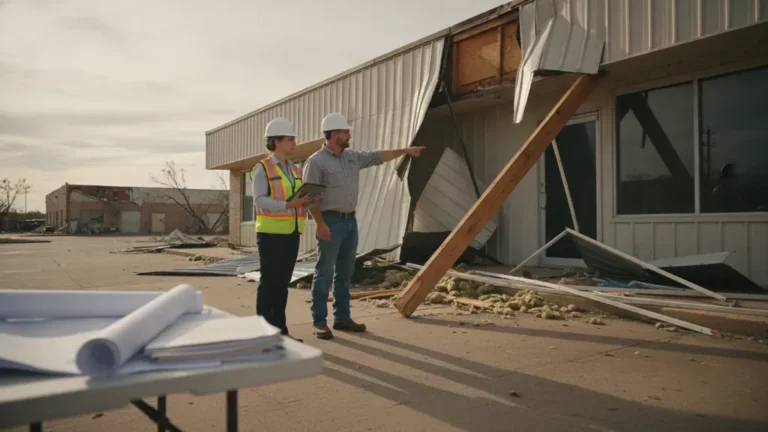
Texas saw over 900 major hail events last year, leaving many Dallas commercial property owners with structural damage. Navigating the claim process alone often leads to slow or denied payments. You need a clear plan to protect your investment from bad faith tricks.
A **dallas property insurance lawyer** helps commercial owners get full claim value by holding insurers responsible for unfair delays, underpayments, or bad faith claim denials. These legal experts check the cause of loss and record structural damage while making sure carriers follow the deadlines set by the Texas Department of Insurance. In Dallas, many fights start when insurers say damage is just on the surface or deny roof repairs, which often needs a lawyer for court action. Your attorney acts as a smart advocate who knows the tricks used to underpay large commercial losses and protects your North Texas investment. They handle the legal work so you can run your business while they fight for the money you need.
Dallas commercial property owners face big hurdles when dealing with high value storm damage claims. You must know your rights and the legal choices you have. **When should a Dallas commercial property owner call a lawyer?** The path begins with.
Call 817-731-9703 to schedule a free case evaluation with a Dallas property insurance lawyer.
When should a Dallas commercial property owner call a lawyer?
Owning a business in North Texas brings big risks. Dallas ranks as a top city for hail and storm damage. When a major storm hits, the loss can be huge. You might think your insurance group will help you fast. But commercial claims are much harder than home claims. There is more money on the line and more fine print to read. Knowing when to get legal help can save your firm from a bad deal.
Dealing with claim delays and bad faith
Time is money for any business owner. If your claim drags on, you lose money every day. Texas law has strict rules for insurance groups. They must tell you they are looking into your case within 15 days of your filing. You can check these rules on the Texas Department of Insurance site. If the group stops talking or misses dates, you should call a lawyer. A delay might be a sign of bad faith.
Insurance teams often use delay to push you into a low pay out. They know you need cash to keep the lights on. If you wait too long, you might lose your right to sue. A Dallas property insurance lawyer can step in to speed things up. They make sure the group follows the law and treats your claim with care.
Disputes over repair costs and scope
Insurance adjusters often miss the full scale of commercial damage. They might say a roof needs a patch when it needs a full swap. These gaps in the “scope of loss” can cost you millions. If the group gives you an estimate that feels low, do not sign it yet. You have the right to challenge their math with your own experts. Disputed claims are a top reason to seek legal help.
A firm that knows property insurance dispute legal representation can hire its own engineers. These pros look at the damage with your best interest in mind. They find hidden issues like structural shifts or mold that the group missed. This ensures your claim covers the real cost to fix your building. Without a lawyer, you may get stuck with a bill you cannot pay.
Business loss and complex claims
Commercial losses go beyond just physical damage. You may also lose profit while your shop is closed. This is called business interruption. Finding these losses is hard and often leads to fights with the group. They may argue about your past earnings or how long the fix should take. These hard claims need a steady hand and a deep look at your books.
You should seek help if the group denies parts of your claim or blames a lack of care. They might use fine print to avoid paying for your lost income. A trial lawyer knows how to fight these claims in court if needed. They protect your rights while you focus on running your firm. Getting help early keeps the group honest and helps you get back to work.
Common commercial property insurance claim disputes
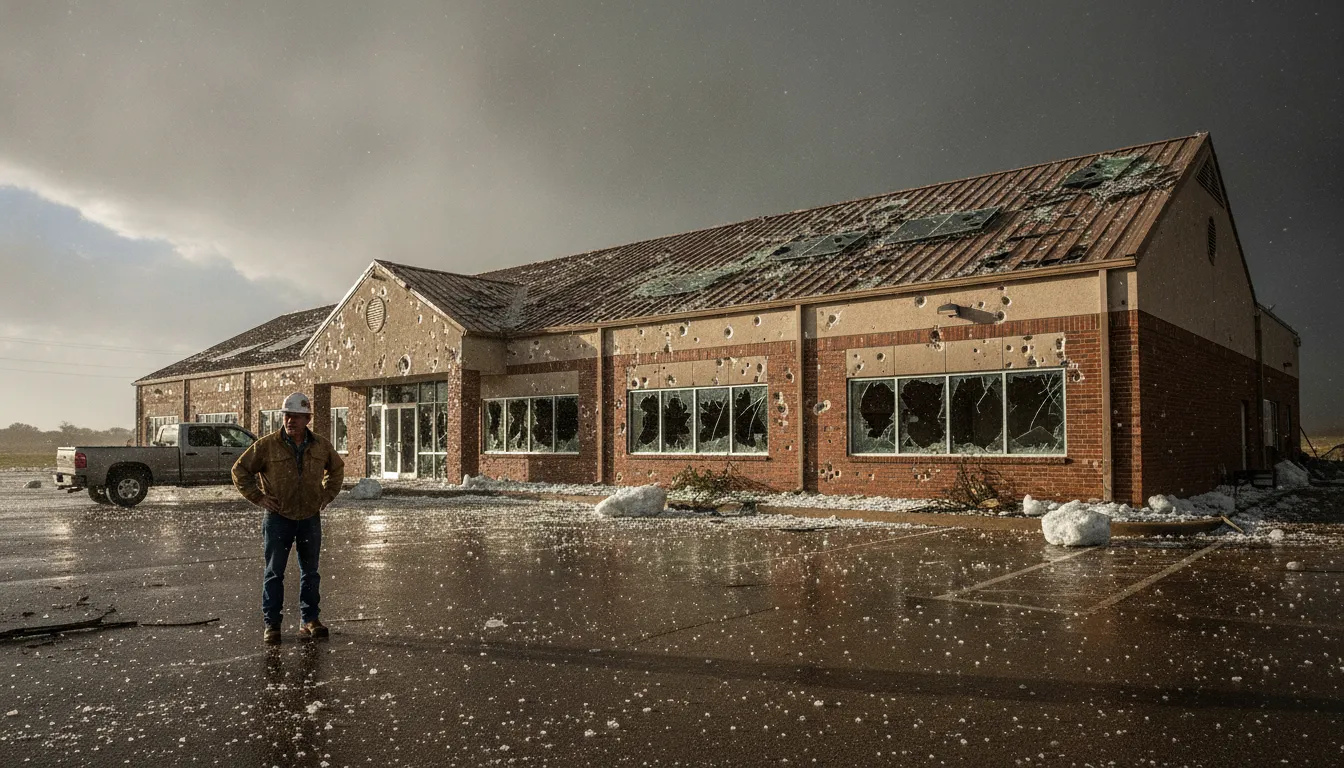
Business property insurance claims involve big sums of money. These cases are much more hard than home insurance claims. Business owners face high risks when their buildings or assets suffer damage. Many factors can lead to a clash with an insurance firm. A Dallas property insurance lawyer helps business owners fight for the full value of their plan. Knowing the common points of fight is the first step toward a fair payout.
Disputes over property value
The most common clash is over the total value of the loss. You and your insurer may not agree on what the fix will cost. Firms often try to pay the lowest amount they can. They might use cost guides that do not reflect real prices in the Dallas area. This leaves business owners with a large gap in their funds. It can keep a shop or office from opening its doors again. This delay costs the business even more money as time goes by.
Fights also arise over how to value the property. There is a big gap between what an item is worth now and what it costs to buy a new one. Firms often prefer to pay the lower “real cash value.” This amount takes away value for age and use. Business owners usually expect the “cost for new items.” This would cover the price of a brand new item. This gap can lead to a major legal fight between the policy owner and the firm.
Cause of loss and policy limits
Carriers may claim that the damage was not caused by a covered event. In one case, they might say a roof leak was due to old age rather than a recent storm. Texas leads the country in hail damage events. There were 902 major storms in 2025. This makes hail a top cause of loss for local firms. But many firms now try to limit their risk by using fine print in the plan.
Some insurers deny hail claims by calling the damage “surface” damage. This means they think the dents do not hurt how the roof works. They claim the damage only affects how the roof looks. This is a common way for firms to avoid paying for a new roof. Policy owners often need an expert to show that the dents will lead to leaks or cracks later. Without this proof, the insurer may walk away without paying a cent.
Scope of work and repair costs
A fight often starts over how much work is truly needed. You may think a whole floor needs to be replaced after a pipe bursts. The insurer might say only a small area needs a patch. They may also ignore local building rules that require modern materials. Under Texas law, your insurance company must give a written notice of denial that explains their reasons. This notice is a vital piece of proof for your case.
Insurance agents often miss hidden damage. They may look at the surface but miss mold or rot inside the walls. This is why it is helpful to have your own team look at the site. A private agent or a builder can find things the insurance company missed. If the company fails to pay what they owe on time, they may even have to pay you interest. This rule helps make sure that firms do not drag out the process for no reason.
Business interruption losses
When a disaster hits, a business may have to close for weeks or months. Business interruption insurance helps cover lost income during this time. But proving these losses is often the hardest part of a claim. Firms often argue about how much profit the business would have made if the loss had not happened. They may claim your records are not clear or that the market was down.
Firms also fight over how long the business needs to stay closed. They may push you to open before the building is safe or ready. This can put your staff and customers at risk. Getting property insurance dispute legal representation is often the only way to hold the company to their word. Expert help ensures that your past earnings are weighed fairly. It also makes sure the insurance firm follows the rules of your plan.
What should you do after a denied or underpaid claim?
Understand your rights in Texas
Getting a denial letter from your insurance firm is a hard moment for any owner. It can feel like your business is stuck with costs it cannot pay. But a denial or a low offer is not the final word on your claim. Texas law provides clear rules that insurance firms must follow. For example, if a firm denies your claim, they must give you a written notice. This letter must list the exact reasons why they chose not to pay. The Texas Department of Insurance sets these rules. This helps you know if the firm is acting in good faith or if they made a mistake.
You also have a duty to protect your property from more harm. If a storm damages your roof, you should take steps to stop leaks. Cover open areas as soon as you can. This is often a part of your policy rules. If you do not take these small steps, the firm might say the new damage is your fault. Keep all receipts for any short-term repairs you make. These costs are often part of the final pay you get for your loss. Good records put you in a better spot for property insurance dispute legal representation later on.
Steps to take right now
If you feel your firm is not paying what they owe, you need a plan. You must be active and precise with your next moves. Following a set path can help you build a strong case for a full payout. It also ensures you meet your legal duties under your policy. Use this list to stay on track after a bad claim outcome.
- Read the denial letter carefully. Look for the exact parts of your policy that the firm mentions. Make sure their facts match what really happened to your property.
- Gather and save all evidence. Keep all photos, videos, and repair bids in one safe place. These files show the true loss and the cost of the work needed.
- Keep a log of all calls. Write down the date and time of every talk with the firm. Note the name of the person you spoke with and what they said to you.
- Ask for a second look. You can ask the firm to review their choice. If you have new facts or a higher repair bid, send those items to the adjuster right away.
- Consult an expert early. Dealing with a large firm is hard to do alone. A skilled Dallas property insurance lawyer can look at your case and find the best way forward.
- Send a formal notice if needed. Texas law requires you to give the firm a formal notice before you file a lawsuit. This step is a key part of your legal rights in our state.
Why legal help matters for your claim
Insurance firms have large teams of lawyers and adjusters on their side. Their goal is often to save money for the firm rather than pay the full value of your claim. When your business is on the line, you need someone who knows how to fight back. A lawyer can help you find hidden value in your policy that the adjuster might have missed. They can also help you see if the firm is using bad faith tactics to avoid paying you. This support is vital when the stakes are high and the damage is big.
In some cases, the law says that a firm may owe you more than just the repair costs. If a firm fails to pay an approved claim on time, they might also owe you interest and legal fees. This rule keeps firms from waiting too long to send your money. By working with a boutique firm, you get direct access to an expert who cares about your outcome. You do not have to settle for less than you need to fix your property and get back to work. Taking the right steps now can lead to a much better result for your business.
Evidence that can strengthen a commercial property claim
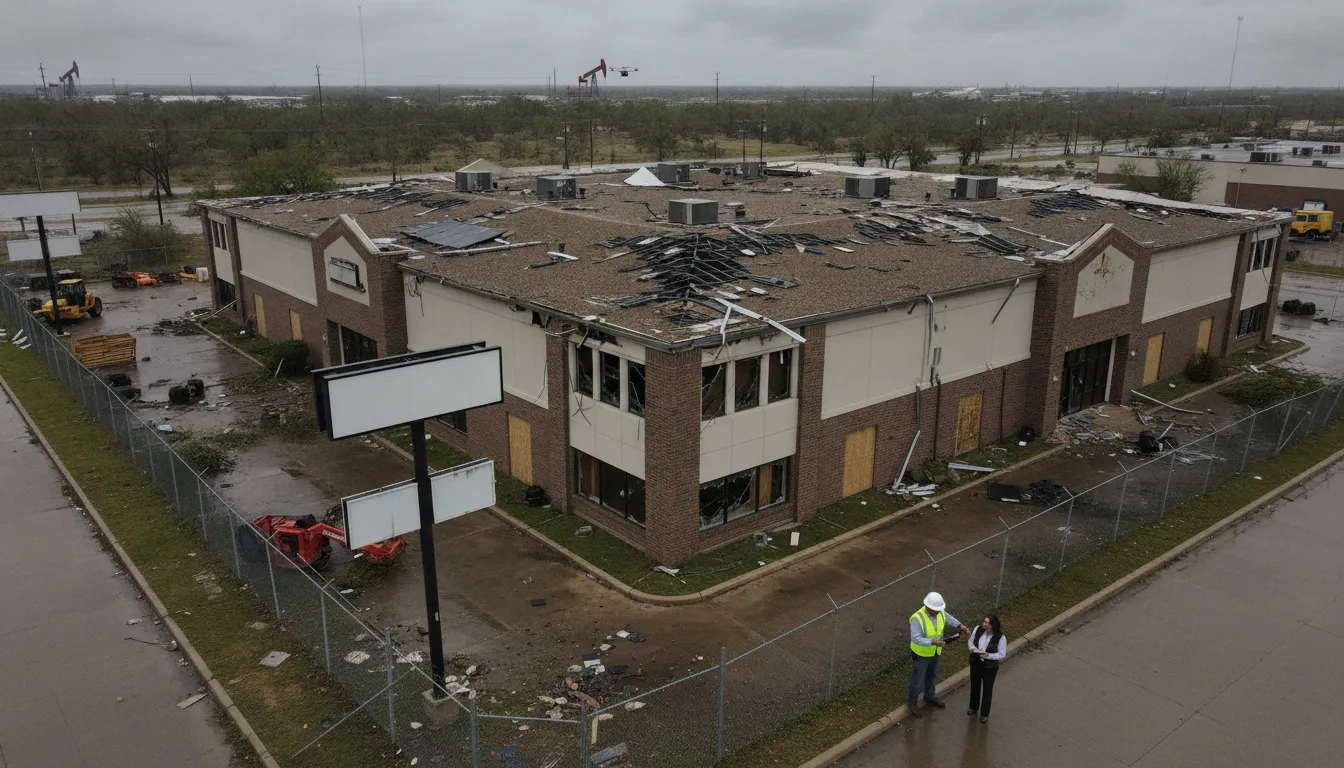
A strong commercial property claim starts with clear proof. Insurance firms in Texas must tell you they got your claim within 15 days of filing. This rule comes from the Texas Department of Insurance. To make the most of this time, you should gather all key papers right away. This proof helps show the full cost of your loss. It also makes it harder for the firm to deny your request for funds.
Core business records
You need to show what you owned and what it was worth before the storm. Start with your full insurance policy and any recent site maps. If your building has a metal roof, be sure to keep records of its last check. This is key because insurers often claim hail dents are just for looks. WFAA News notes that companies often deny these claims. Having proof that the roof was in good shape before the storm can help a Dallas property insurance lawyer fight for a full fix.
Also, collect your tax files, profit reports, and lease deals. These files are vital if you plan to file for lost business income. They show the cash flow your firm lost while the shop was closed for repairs. If you wait too long to find these files, you might miss key dates in the property insurance dispute legal representation process.
Visual and physical proof
Photos and video are some of the best tools you have. Take clear shots of every room, the roof, and all gear. Do this before you move anything or start a quick fix. These images show the state of the building right after the loss. If the insurer sends a person to look later, your early photos can show how the damage changed. A Texas property insurance attorney will use this proof to back up your case in court.
Save any items that show how the damage happened. This might include hail stones kept in a freezer or parts of a broken pipe. You should also keep a log of all calls, emails, and letters with the insurance firm. Write down the name of every person you speak with and what they said. This log helps a lawyer see if the firm is acting in bad faith or missing legal dates.
Estimates and repair logs
Do not rely on the insurance firm’s cost guess alone. Get your own bids from trusted teams who know commercial work in North Texas. These bids should list the exact cost of parts and work needed to fix the building. If you have already made quick repairs to stop more loss, save every bill. These records show that you did your part to keep the loss small.
When you have all your files ready, you are in a much better spot to get paid. If the firm says yes to your claim, they must pay you within five business days under Texas law. If they fail to meet this date, they may owe you more cash for interest. Having a full file of proof makes it much easier for your legal team to hold them to these rules.
Lawyer, public adjuster, and carrier adjuster roles
When you file a property claim, many people will review the damage. Each person has a specific job. Some work for the insurance company. Others work for you. Knowing these roles helps you manage your claim. It also helps you know when you need a Dallas property insurance lawyer to protect your rights.
The carrier adjuster
The carrier adjuster works for the insurance company. Their job is to look at the damage and see what the policy covers. They represent the interest of the insurer. While they may be helpful, they do not work for you. Their goal is to settle the claim based on the terms of the policy. Sometimes, their view of the loss is lower than yours.
In Texas, insurers must act within set timelines. For example, they must tell you they received your claim within 15 days of filing. This rule comes from the Texas Department of Insurance. The carrier adjuster usually handles these notices and initial inspections.
The public adjuster
A public adjuster is an expert you can hire. They do not work for the insurance company. They help you list your losses and value the damage. They often handle the paperwork and talk to the carrier for you. Many people hire them to get a fair estimate early in the process. They work for a fee, which is often a part of the final claim payment.
The insurance lawyer
A lawyer provides legal help when a claim goes wrong. This happens if the company denies a valid claim or pays too little. A Texas property insurance attorney can file a lawsuit if needed. Under Texas law, companies that miss payment deadlines may owe you interest and legal fees. Lawyers use these rules to hold insurers accountable.
Disputes often involve complex law. If you face a property insurance dispute legal representation is key. A lawyer can look for bad faith and other legal issues. This is different from a public adjuster, who mostly focuses on the cost of the damage. Lawyers deal with the legal fight to get you paid.
| Role | Who they work for | Main focus | Can file a lawsuit? |
|---|---|---|---|
| Carrier Adjuster | Insurance Company | Check policy and damage | No |
| Public Adjuster | Policyholder | Estimate damage and loss | No |
| Insurance Lawyer | Policyholder | Legal rights and litigation | Yes |

How a Dallas property insurance lawyer can help
Filing a claim for property damage often feels like a full-time job. When you face a loss, you must track every detail while also keeping your business running. A dallas property insurance lawyer takes this weight off your shoulders. They do not just file papers. They build a case to prove what you are owed under your policy. This work starts with a deep look at your coverage and the facts of your loss.
Your lawyer acts as your voice in all talks with the insurance company. They know how to spot when a carrier is not acting in good faith. In Texas, the law sets clear rules for how companies must handle claims. For example, insurers must reply to your claim within 15 days of filing. A lawyer ensures these timelines are met and that your rights stay safe during the whole process.
A deep look at the facts
A lawyer starts by reading every word of your insurance policy. Policies are long and use complex language that can be hard to read. Your attorney finds the parts that cover your loss and finds any traps that might limit your payout. They also look for proof of the damage. This might mean taking photos, gathering repair bids, or looking at weather data from the day of the storm.
Proving a loss requires more than just showing a broken roof. You must show that the damage happened because of a covered event, like wind or hail. A Dallas property insurance lawyer knows what evidence a carrier needs to see. They organize this proof into a clear package. This makes it harder for the insurance company to deny the claim without a valid reason.
Experts and technical teams
Large property claims often turn on technical facts. You may need to prove how deep a crack in a wall goes or if a roof can be fixed instead of replaced. A trial lawyer has a network of experts to help with these questions. They work with engineers, roof experts, and cost estimators to build a strong case. These pros provide the hard data needed to back up your claim for property insurance dispute legal representation.
Using experts helps level the playing field. The insurance company will send its own adjusters and engineers to look at your property. Their goal is often to find ways to pay less. Your lawyer’s team works only for you. They make sure the full scope of the damage is seen. This includes hidden issues like water damage behind walls or structural shifts that an adjuster might miss.
Legal rules and dates
Texas has specific laws that govern how you must sue an insurance company if they refuse to pay. One major rule is House Bill 1774. This law requires policyholders to give formal notice before filing a lawsuit. If you miss a step or a date, you could lose your right to collect interest or attorney fees. A lawyer keeps track of these rules so you do not lose out on what you deserve.
Tim Hoch is Board Certified in Personal Injury Trial Law. This is a high honor held by less than 2% of Texas lawyers. This training is vital when a claim moves from a simple talk to a legal fight. At Hoch Law Firm, we only represent policyholders, never the insurance companies. This focus means every move we make is designed to help you get the best result for your property loss.
Frequently Asked Questions
How much does a Dallas property insurance lawyer charge?
Most property insurance lawyers work on a contingent-fee basis. This means you do not pay any legal fees unless the firm wins your case and gets a payout for you. This allows business owners to seek legal help without having to pay large costs upfront. According to Hoch Law Firm, this fee model is common for firms that represent policy owners in complex storm or fire damage cases.
What is considered bad faith by an insurance company in Texas?
Bad faith happens when an insurance firm fails to follow the law or the rules of your plan. This can include denying a valid claim without a good reason. It also includes failing to explain why a claim was denied in writing. If a firm misses payment dates or does not look into a claim fairly, they may be acting in bad faith. Fights over repair costs in large claims can also lead to bad faith disputes.
How do I know if I have a bad faith insurance claim?
You might have a bad faith claim if your insurer stops talking to you or delays your payment for no clear reason. In Texas, firms must tell you they are looking into your case within 15 days of your filing. According to the Texas Department of Insurance, firms must also send a notice explaining their choice to approve or deny a claim. If they miss these dates, you may have a legal case.
How do I choose the best property insurance attorney in Dallas?
Look for a trial lawyer with deep experience in Texas property law who only works for policy owners. One key trait to look for is Board Certification in Personal Injury Trial Law. This honor is held by less than 2% of Texas lawyers. Choosing a boutique firm can also ensure you get direct help from a senior lawyer. This direct care is vital for large commercial claims that involve a lot of money.
Ready to protect your Dallas commercial property?
Waiting to act on a claim dispute can put your business at risk of losing a lot of money you will never get back. Each day you wait gives the insurance firm more time to say the damage was not bad or to lower your claim value. Starting your case now helps you get your money back fast so you can fix your building and get back to your work. It is vital to have an expert on your side who knows how to handle these big cases while you run your firm. You need a board-certified lawyer for property insurance dispute legal help who will lead the fight for you and protect your interests.
Ready to protect your firm? Call 817-731-9703 to schedule a free case evaluation.
For tailored guidance on a disputed or high-value claim, speak with a commercial property insurance attorney before important deadlines or evidence issues narrow your options.