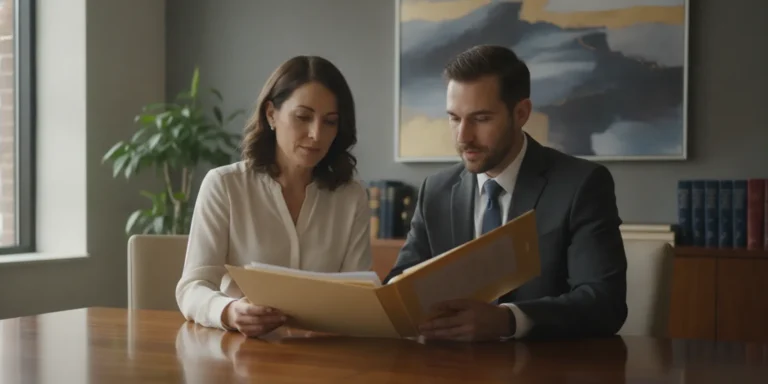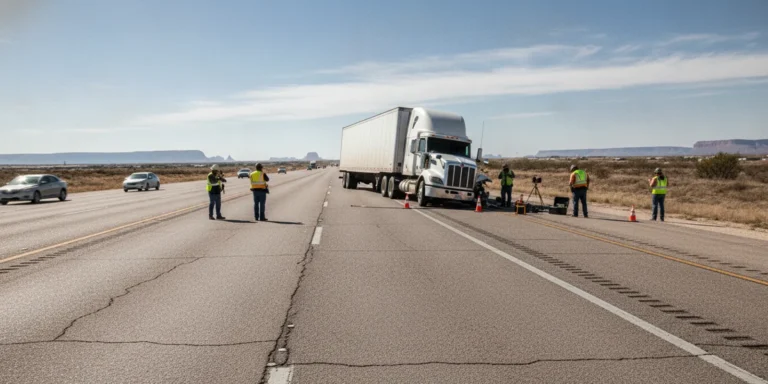
A collision caused by an impaired driver can leave you facing painful injuries, unanswered questions, and pressure from several insurance companies. A drunk driving accident lawyer Fort Worth victims can consult may help organize the evidence, identify responsible parties, and pursue compensation while you focus on treatment. This guide explains practical steps for protecting an injury claim in Fort Worth and throughout Texas.
For a worked example, consider a Fort Worth worker who receives emergency treatment, attends several weeks of therapy, misses shifts, and needs help with household tasks. The file should connect each expense to a date and provider, show the work restriction, and explain which tasks required assistance. A second person with similar treatment but continuing limitations may need evidence addressing future care and reduced earning ability. The difference is not simply the number of bills; it is the documented effect of the injury.
Texas law can limit or affect recovery in some circumstances, including when a claimant’s own conduct is alleged to have contributed to the occurrence or losses. Do not assume an adjuster’s valuation is final. Ask how the proposed amount was calculated and which records support it.

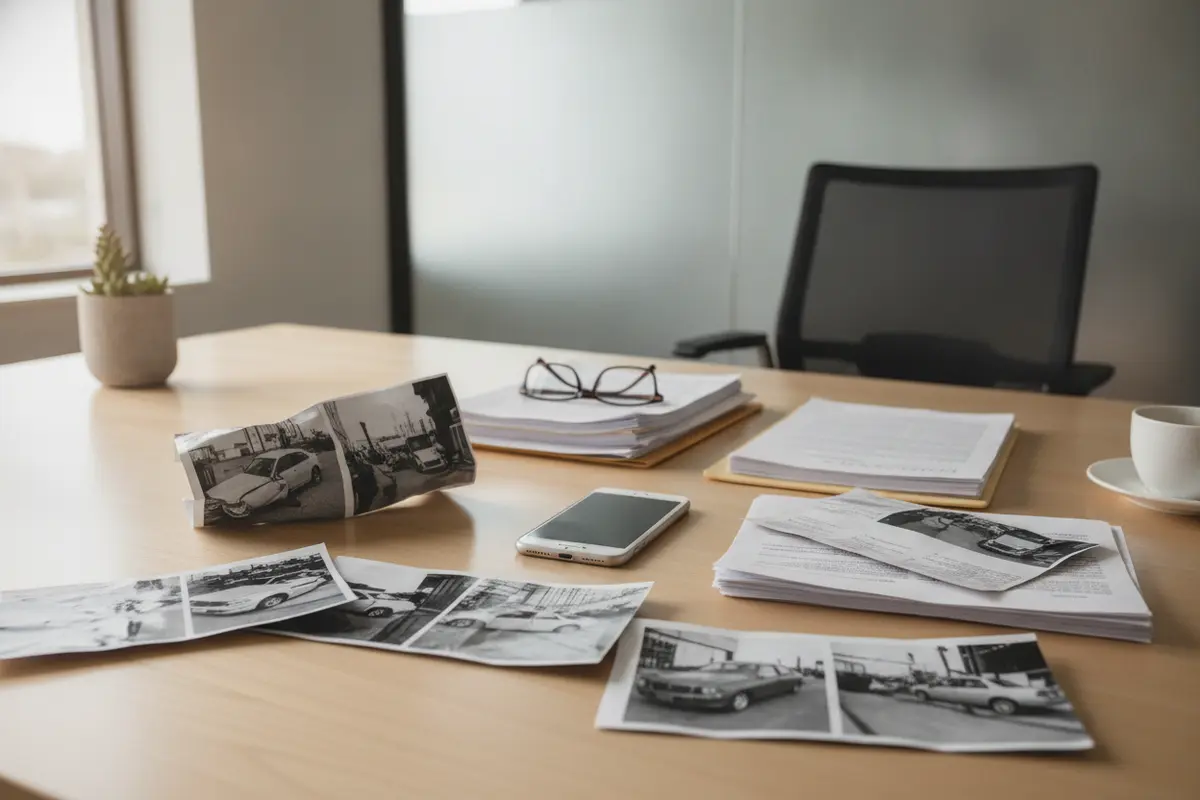
For a worked example, consider a Fort Worth worker who receives emergency treatment, attends several weeks of therapy, misses shifts, and needs help with household tasks. The file should connect each expense to a date and provider, show the work restriction, and explain which tasks required assistance. A second person with similar treatment but continuing limitations may need evidence addressing future care and reduced earning ability. The difference is not simply the number of bills; it is the documented effect of the injury.
Texas law can limit or affect recovery in some circumstances, including when a claimant’s own conduct is alleged to have contributed to the occurrence or losses. Do not assume an adjuster’s valuation is final. Ask how the proposed amount was calculated and which records support it.
Contact Hoch Law Firm for a claim review
What should you do after a drunk A collision caused by an impaired driver can leave you facing painful injuries, unanswered questions, and pressure from several insurance companies. A drunk driving accident lawyer Fort Worth victims can consult may help organize the evidence, identify responsible parties, and pursue compensation while you focus on treatment. This guide explains practical steps for protecting an injury claim in Fort Worth and throughout Texas.
Contact Hoch Law Firm for a claim review
What should you do after a drunk driving crash in Fort Worth?
Your first priority is safety and medical attention. If you can do so without increasing your risk, move away from active traffic and call 911. Tell the responding officers that you are injured or feel pain, even if symptoms seem minor. Some injuries become more apparent after adrenaline wears off. Do not argue with the suspected impaired driver. Do not agree to a private payment. Exchange required information through the responding officer when possible, and ask for the incident number and instructions for obtaining the report. If you are taken for treatment, ask a trusted person to preserve documents and photographs at the scene. At the scene, make a short record of what you remember:- The direction each vehicle was traveling and where the impact occurred.
- Statements about drinking, medication, fatigue, or inability to drive.
- Odor of alcohol, slurred speech, confusion, unsteady movement, or other observations.
- Names and contact information for witnesses.
- Visible damage, road conditions, lighting, traffic signals, and nearby cameras.
How can you preserve evidence after an impaired-driver collision?
Evidence can disappear quickly. Businesses may overwrite camera footage. Vehicles may be repaired or moved. Witnesses may forget details. A simple preservation plan can make the claim easier to evaluate, especially when the driver disputes impairment or responsibility.- Photograph the scene. Take wide images showing lane markings, signs, traffic controls, debris, lighting, and nearby businesses. Take closer images of visible injuries, damaged property, and any deployed safety equipment. Keep the original files when possible and note when they were taken.
- Save every document. Keep the incident card, police information, medical discharge paperwork, prescriptions, bills, work records, and insurer letters in one folder. Scan paper documents if that makes them easier to protect, but retain originals.
- Write a timeline. Record the time of the collision, symptoms, appointments, missed work, calls, and changes in daily activities. Use dates and specific examples instead of general descriptions.
- Identify witnesses. A witness may have seen the driver before impact, heard an admission, or observed conduct that is not captured in a report. Ask witnesses for permission before sharing their contact information.
- Note possible recordings. List nearby stores, offices, traffic intersections, residences, buses, and other locations that may have captured the approach or impact. A lawyer may send preservation requests before a recording is overwritten.
- Protect digital information. Save text messages, photographs, call records, rideshare information if relevant, and messages exchanged with an insurer. Do not edit or crop originals when preserving them.
What should a useful evidence file contain?
Create folders for the scene, witnesses, medical care, work losses, insurance communications, and property damage. Name files with the date and a short description. For example, a file named with its date and location is more useful than a camera-generated number. Keep a separate list of missing items, such as a police report that has been requested but not received. This organization does not prove the claim by itself. It helps prevent overlooked details and gives counsel a clear starting point. It also lets you identify changes: a symptom that began two days later, a work restriction that lasted three weeks, or a camera location that was not visible during daylight.What evidence can show that the other driver was impaired?
In an injury claim, impairment evidence may come from several sources. A criminal investigation and a civil injury claim are related, but they are separate processes. A criminal charge or conviction can be important evidence, yet an injury claim does not necessarily depend on a conviction. For broader public-safety context about impaired driving and its consequences, see this North Texas impaired-driving resource. Potential sources include:- The officer’s observations and narrative in the crash report.
- Field sobriety observations, breath or blood testing, and related records when available.
- Dispatch recordings, body-camera footage, and dashboard video.
- Statements from passengers, witnesses, hosts, servers, or other people who observed the driver before the collision.
- Receipts, digital records, messages, photographs, or surveillance footage that establish timing and conduct.
- Admissions made at the scene or during later communications.
- Evidence about the driver’s route, speed, missed signals, or other conduct that helps explain how the collision occurred.
Who may be liable for injuries from an impaired driver?
The impaired driver is often the central party in the claim, but the complete liability analysis may involve more than one person or organization. The answer depends on the facts, available evidence, and applicable Texas law.The driver
A driver may be responsible when unsafe conduct caused the collision and resulting injuries. Impairment can support the liability analysis, but the claim still needs evidence connecting the conduct to the crash and the losses that followed. A driver may dispute the account, the severity of the impact, or the connection between the collision and a later diagnosis.An employer or business
If the driver was working, the driver’s employer may need to be evaluated. The work relationship, timing, purpose of the trip, hiring practices, and company records may all matter. A business that owned, leased, or maintained transportation equipment may also have relevant records, depending on the circumstances. These questions should be investigated rather than assumed.A bar, restaurant, host, or other provider
Texas law does not make every alcohol provider responsible for a later collision. A possible claim against a provider requires a fact-specific review of the conduct, the person served, the person’s age, and the evidence connecting the service to the injury. Do not assume that a receipt alone proves or defeats such a claim.Other responsible parties
Road design, maintenance, equipment defects, or another driver’s conduct can sometimes contribute to a collision. A full investigation should avoid focusing on one explanation before the records are assembled. In some cases, a second explanation may affect fault allocation without eliminating the impaired driver’s responsibility. Multiple parties can create complicated defenses and allocation questions. Each party may have separate insurance, records, witnesses, and lawyers. An early review should identify each possible source of evidence and each deadline that may apply.How does medical documentation support the injury claim?
Medical documentation explains what happened to your body, what treatment was recommended, and how the injury affects daily life. Seek prompt evaluation and follow the treatment plan. If cost, transportation, scheduling, or another barrier affects treatment, tell the provider rather than silently stopping care. Keep a running record of:- Emergency visits, follow-up appointments, therapy, imaging, prescriptions, and referrals.
- Pain levels, sleep disruption, mobility limits, cognitive symptoms, and emotional effects.
- Help needed with bathing, cooking, household tasks, childcare, or transportation.
- Work restrictions, missed shifts, reduced duties, and communications with an employer.
- Prior symptoms that a defense may claim are related to the injury.
- Questions you want to ask at the next appointment and instructions you were given.
Which damages may be available after the collision?
Damages are intended to address losses caused by the injury. The categories and value depend on the medical proof, work impact, facts of the collision, and applicable law. A settlement proposal should be based on documented losses rather than an unsupported number.| Category | What it may include | Helpful documentation |
|---|---|---|
| Medical expenses | Emergency treatment, physicians, therapy, imaging, medication, and supported future care | Invoices, payment records, medical records, and provider opinions |
| Lost income | Missed work, reduced hours, lost earning ability, or changes in duties | Pay records, employer statements, tax documents, and work restrictions |
| Physical pain | Pain, limitations, discomfort, and the effect on normal activities | Medical notes, symptom logs, testimony, and treatment history |
| Emotional harm | Distress, anxiety, sleep disruption, or other supported effects | Provider records, personal notes, and testimony from people who observed changes |
| Property-related loss | Damage to personal belongings or other losses tied to the collision | Photographs, repair estimates, receipts, and ownership records |
| Household assistance | Reasonable help needed for tasks you could perform before the injury | Invoices, schedules, and descriptions of the tasks and dates |
How should you handle an insurance company after the crash?
Report the collision as required by the policy and provide basic identifying information. Keep a copy of every letter, email, estimate, and message. Ask the adjuster to identify the claim number and the documents needed for evaluation. Make a note of the date, time, and substance of each call. Before giving a recorded statement, signing a broad medical authorization, or accepting a release, understand the purpose and possible effect. A release may end claims that have not yet been diagnosed. A quick payment may not account for future treatment, lasting limitations, or lost earning capacity. Do not conceal facts. Instead, answer accurately and narrowly. If an insurer disputes fault, causation, or the extent of injury, request the position in writing. Avoid guessing about medical prognosis or making an absolute statement about recovery when treatment is continuing. A lawyer can review the policy communications and help determine whether a coverage dispute or bad-faith issue should be examined. Learn more about bad-faith insurance claims and the different issues they may present.How can you compare a settlement offer with actual losses?
List the offer next to known medical charges, expected treatment supported by providers, wage loss, assistance costs, and nonfinancial effects. Check whether the offer requires a release, whether liens or outstanding bills remain, and whether any party or policy has not been evaluated. This comparison is not a formula for case value. It is a way to identify unanswered questions before a decision.When should you speak with a drunk driving accident lawyer Fort Worth victims can consult?
Consider an early consultation when injuries are serious, fault is disputed, more than one party may be involved, a death occurred, or an insurer asks for a recorded statement or release. Early legal review can help preserve evidence before video is overwritten and before the parties adopt competing explanations. A consultation can also be useful when treatment continues, work has been affected, or the insurer offers payment before the full impact is known. You do not need to wait until every bill arrives to ask what information should be preserved. An initial review can focus on immediate priorities: medical documentation, evidence requests, insurance communications, and deadlines. Hoch Law Firm selectively handles catastrophic injury matters, including 18-wheeler collisions, wrongful death, and life-altering injuries. The firm’s information describes a contingent fee model for its work, but the specific arrangement should be confirmed during a consultation. You can learn more about the firm’s injury practice through its personal injury resources.
What should you prepare for an initial claim review?
Preparation does not require a perfect file. Bring what you have and identify what is missing. The following checklist can make the first discussion more productive:- Date, time, and location of the collision.
- Incident number, police information, and any citation or court details.
- Names and contact information for drivers, passengers, witnesses, and insurers.
- Photographs, videos, transportation information, and visible damage records.
- Medical provider list, bills, records, prescriptions, and current restrictions.
- Employer information, missed-work dates, pay records, and reduced-duty details.
- Insurance letters, settlement offers, recorded-statement requests, and signed documents.
- A short timeline of symptoms, treatment, communications, and daily limitations.
- A list of questions, including who is preserving video and whether any deadline is approaching.
Call Hoch Law Firm at 817-731-9703
Frequently Asked Questions
Does an impaired-driver conviction guarantee an injury recovery?
No. A conviction may provide useful evidence, but an injury claim still requires proof of the collision, responsibility, causation, and losses. The civil claim and criminal case follow different procedures and may have different timelines.What if I did not feel injured at the scene?
Seek medical guidance if symptoms develop or persist. Tell the provider when the symptoms began and what changed after the collision. Prompt, accurate documentation helps explain the timeline, even when symptoms were not obvious immediately.Can I still pursue a claim if the other driver has little insurance?
Possibly. The available sources of recovery depend on the policies, parties, facts, and applicable law. A review should identify all potentially relevant coverage and responsible parties before you accept a release.What if the insurer says I was partly responsible?
Do not assume that an adjuster’s statement resolves the issue. Preserve your account, photographs, witness information, and medical records. A lawyer can assess the evidence and the effect of any comparative-fault argument.How long do I have to bring an injury claim in Texas?
Deadlines can depend on the claim, the parties, and special circumstances. Some notice requirements may arise earlier than a filing deadline. Because missing a deadline can harm a claim, obtain advice promptly rather than relying on a general estimate.What is the next step after an impaired-driver collision?
Preserve evidence, obtain appropriate medical attention, document your losses, and avoid signing a release before you understand the full impact. If you want a focused review of a Fort Worth injury claim, contact Hoch Law Firm with the records you have available.driving crash in Fort Worth? Your first priority is safety and medical attention. If you can do so without increasing your risk, move away from active traffic and call 911. Tell the responding officers that you are injured or feel pain, even if symptoms seem minor. Some injuries become more apparent after adrenaline wears off. Do not argue with the suspected impaired driver. Do not agree to a private payment. Exchange required information through the responding officer when possible, and ask for the incident number and instructions for obtaining the report. If you are taken for treatment, ask a trusted person to preserve documents and photographs at the scene. At the scene, make a short record of what you remember:- The direction each vehicle was traveling and where the impact occurred.
- Statements about drinking, medication, fatigue, or inability to drive.
- Odor of alcohol, slurred speech, confusion, unsteady movement, or other observations.
- Names and contact information for witnesses.
- Visible damage, road conditions, lighting, traffic signals, and nearby cameras.
How can you preserve evidence after an impaired-driver collision?
Evidence can disappear quickly. Businesses may overwrite camera footage. Vehicles may be repaired or moved. Witnesses may forget details. A simple preservation plan can make the claim easier to evaluate, especially when the driver disputes impairment or responsibility.- Photograph the scene. Take wide images showing lane markings, signs, traffic controls, debris, lighting, and nearby businesses. Take closer images of visible injuries, damaged property, and any deployed safety equipment. Keep the original files when possible and note when they were taken.
- Save every document. Keep the incident card, police information, medical discharge paperwork, prescriptions, bills, work records, and insurer letters in one folder. Scan paper documents if that makes them easier to protect, but retain originals.
- Write a timeline. Record the time of the collision, symptoms, appointments, missed work, calls, and changes in daily activities. Use dates and specific examples instead of general descriptions.
- Identify witnesses. A witness may have seen the driver before impact, heard an admission, or observed conduct that is not captured in a report. Ask witnesses for permission before sharing their contact information.
- Note possible recordings. List nearby stores, offices, traffic intersections, residences, buses, and other locations that may have captured the approach or impact. A lawyer may send preservation requests before a recording is overwritten.
- Protect digital information. Save text messages, photographs, call records, rideshare information if relevant, and messages exchanged with an insurer. Do not edit or crop originals when preserving them.
What should a useful evidence file contain?
Create folders for the scene, witnesses, medical care, work losses, insurance communications, and property damage. Name files with the date and a short description. For example, a file named with its date and location is more useful than a camera-generated number. Keep a separate list of missing items, such as a police report that has been requested but not received. This organization does not prove the claim by itself. It helps prevent overlooked details and gives counsel a clear starting point. It also lets you identify changes: a symptom that began two days later, a work restriction that lasted three weeks, or a camera location that was not visible during daylight.What evidence can show that the other driver was impaired?
In an injury claim, impairment evidence may come from several sources. A criminal investigation and a civil injury claim are related, but they are separate processes. A criminal charge or conviction can be important evidence, yet an injury claim does not necessarily depend on a conviction. For broader public-safety context about impaired driving and its consequences, see this North Texas impaired-driving resource. Potential sources include:- The officer’s observations and narrative in the crash report.
- Field sobriety observations, breath or blood testing, and related records when available.
- Dispatch recordings, body-camera footage, and dashboard video.
- Statements from passengers, witnesses, hosts, servers, or other people who observed the driver before the collision.
- Receipts, digital records, messages, photographs, or surveillance footage that establish timing and conduct.
- Admissions made at the scene or during later communications.
- Evidence about the driver’s route, speed, missed signals, or other conduct that helps explain how the collision occurred.
Who may be liable for injuries from an impaired driver?
The impaired driver is often the central party in the claim, but the complete liability analysis may involve more than one person or organization. The answer depends on the facts, available evidence, and applicable Texas law.The driver
A driver may be responsible when unsafe conduct caused the collision and resulting injuries. Impairment can support the liability analysis, but the claim still needs evidence connecting the conduct to the crash and the losses that followed. A driver may dispute the account, the severity of the impact, or the connection between the collision and a later diagnosis.An employer or business
If the driver was working, the driver’s employer may need to be evaluated. The work relationship, timing, purpose of the trip, hiring practices, and company records may all matter. A business that owned, leased, or maintained transportation equipment may also have relevant records, depending on the circumstances. These questions should be investigated rather than assumed.A bar, restaurant, host, or other provider
Texas law does not make every alcohol provider responsible for a later collision. A possible claim against a provider requires a fact-specific review of the conduct, the person served, the person’s age, and the evidence connecting the service to the injury. Do not assume that a receipt alone proves or defeats such a claim.Other responsible parties
Road design, maintenance, equipment defects, or another driver’s conduct can sometimes contribute to a collision. A full investigation should avoid focusing on one explanation before the records are assembled. In some cases, a second explanation may affect fault allocation without eliminating the impaired driver’s responsibility. Multiple parties can create complicated defenses and allocation questions. Each party may have separate insurance, records, witnesses, and lawyers. An early review should identify each possible source of evidence and each deadline that may apply.How does medical documentation support the injury claim?
Medical documentation explains what happened to your body, what treatment was recommended, and how the injury affects daily life. Seek prompt evaluation and follow the treatment plan. If cost, transportation, scheduling, or another barrier affects treatment, tell the provider rather than silently stopping care. Keep a running record of:- Emergency visits, follow-up appointments, therapy, imaging, prescriptions, and referrals.
- Pain levels, sleep disruption, mobility limits, cognitive symptoms, and emotional effects.
- Help needed with bathing, cooking, household tasks, childcare, or transportation.
- Work restrictions, missed shifts, reduced duties, and communications with an employer.
- Prior symptoms that a defense may claim are related to the injury.
- Questions you want to ask at the next appointment and instructions you were given.
Which damages may be available after the collision?
Damages are intended to address losses caused by the injury. The categories and value depend on the medical proof, work impact, facts of the collision, and applicable law. A settlement proposal should be based on documented losses rather than an unsupported number.| Category | What it may include | Helpful documentation |
|---|---|---|
| Medical expenses | Emergency treatment, physicians, therapy, imaging, medication, and supported future care | Invoices, payment records, medical records, and provider opinions |
| Lost income | Missed work, reduced hours, lost earning ability, or changes in duties | Pay records, employer statements, tax documents, and work restrictions |
| Physical pain | Pain, limitations, discomfort, and the effect on normal activities | Medical notes, symptom logs, testimony, and treatment history |
| Emotional harm | Distress, anxiety, sleep disruption, or other supported effects | Provider records, personal notes, and testimony from people who observed changes |
| Property-related loss | Damage to personal belongings or other losses tied to the collision | Photographs, repair estimates, receipts, and ownership records |
| Household assistance | Reasonable help needed for tasks you could perform before the injury | Invoices, schedules, and descriptions of the tasks and dates |
How should you handle an insurance company after the crash?
Report the collision as required by the policy and provide basic identifying information. Keep a copy of every letter, email, estimate, and message. Ask the adjuster to identify the claim number and the documents needed for evaluation. Make a note of the date, time, and substance of each call. Before giving a recorded statement, signing a broad medical authorization, or accepting a release, understand the purpose and possible effect. A release may end claims that have not yet been diagnosed. A quick payment may not account for future treatment, lasting limitations, or lost earning capacity. Do not conceal facts. Instead, answer accurately and narrowly. If an insurer disputes fault, causation, or the extent of injury, request the position in writing. Avoid guessing about medical prognosis or making an absolute statement about recovery when treatment is continuing. A lawyer can review the policy communications and help determine whether a coverage dispute or bad-faith issue should be examined. Learn more about bad-faith insurance claims and the different issues they may present.How can you compare a settlement offer with actual losses?
List the offer next to known medical charges, expected treatment supported by providers, wage loss, assistance costs, and nonfinancial effects. Check whether the offer requires a release, whether liens or outstanding bills remain, and whether any party or policy has not been evaluated. This comparison is not a formula for case value. It is a way to identify unanswered questions before a decision.When should you speak with a drunk driving accident lawyer Fort Worth victims can consult?
Consider an early consultation when injuries are serious, fault is disputed, more than one party may be involved, a death occurred, or an insurer asks for a recorded statement or release. Early legal review can help preserve evidence before video is overwritten and before the parties adopt competing explanations. A consultation can also be useful when treatment continues, work has been affected, or the insurer offers payment before the full impact is known. You do not need to wait until every bill arrives to ask what information should be preserved. An initial review can focus on immediate priorities: medical documentation, evidence requests, insurance communications, and deadlines. Hoch Law Firm selectively handles catastrophic injury matters, including 18-wheeler collisions, wrongful death, and life-altering injuries. The firm’s information describes a contingent fee model for its work, but the specific arrangement should be confirmed during a consultation. You can learn more about the firm’s injury practice through its personal injury resources.
What should you prepare for an initial claim review?
Preparation does not require a perfect file. Bring what you have and identify what is missing. The following checklist can make the first discussion more productive:- Date, time, and location of the collision.
- Incident number, police information, and any citation or court details.
- Names and contact information for drivers, passengers, witnesses, and insurers.
- Photographs, videos, transportation information, and visible damage records.
- Medical provider list, bills, records, prescriptions, and current restrictions.
- Employer information, missed-work dates, pay records, and reduced-duty details.
- Insurance letters, settlement offers, recorded-statement requests, and signed documents.
- A short timeline of symptoms, treatment, communications, and daily limitations.
- A list of questions, including who is preserving video and whether any deadline is approaching.
Call Hoch Law Firm at 817-731-9703