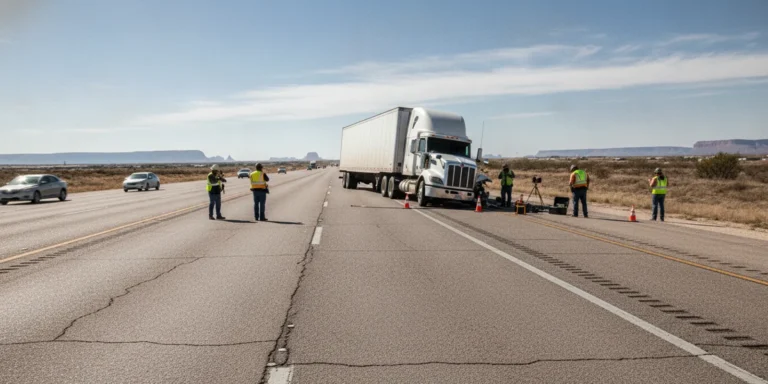
A hit and run accident lawyer Fort Worth families call can help when the other driver leaves. You still need a record, a way to identify that driver, and a path to payment for your injuries. Get to a safe place, call 911, and write down the vehicle, the direction it left, and anyone who saw it. Those first notes often matter more than a later guess about insurance.
Call Hoch Law Firm at (817) 731-9703 to talk through a Fort Worth hit-and-run injury.
This guide stays on the local steps: safety, the Fort Worth police report, witnesses, video, an unidentified driver, and the recovery paths that remain. It is not a coverage manual. If you need the statewide explanation of uninsured and underinsured motorist claims, read the firm’s Texas uninsured motorist claim guide and come back here for the Fort Worth facts.
What a hit and run accident lawyer Fort Worth clients call about first
Move only if you can do it safely. Texas Transportation Code section 550.021 tells a driver in a collision that causes injury, or is reasonably likely to cause injury, to stop, return if needed, and stay long enough to give information and help. When the other driver does the opposite, your job is to get care and create a record before the scene changes.
- Call 911, then move out of traffic only if the vehicle can be driven safely.
- Write the location, time, vehicle description, and direction the other driver left.
- Ask witnesses for a name and phone number, and note any camera that may have the clip.
- Get medical care the same day and keep the discharge papers with your crash notes.
- Request the Fort Worth crash report after it posts, and save the report number.
Check injuries before you chase details
Call 911 if anyone is hurt, if a vehicle cannot be moved, or if a driver left. TxDOT tells drivers to call police in each of those situations. Do not walk into moving traffic to photograph a plate. If you are on a freeway main lane and the vehicle can be driven safely, move it out of the lane before you start collecting details.
Write the facts while they are still specific
Use your phone notes for the street, the direction of travel, the time, the weather, and what the other vehicle looked like. Color, body style, damage, and a partial plate are enough to be useful. Add anything you remember about the driver only if you actually saw it. A careful “I did not see the driver” is better than a description you are unsure about.

Get medical care the same day when you can
Adrenaline hides pain. A same-day visit, even when you feel mostly shaken, ties the injury to the crash in a record someone else created. Tell the clinician it was a hit-and-run and what part of the vehicle hit you. Follow the treatment plan, and keep discharge papers, imaging, and work restrictions with the crash notes.
How do you report a hit-and-run to Fort Worth police?
If the collision is inside Fort Worth and someone is injured, or a vehicle cannot be driven safely, Texas Transportation Code section 550.026 requires notice by the quickest means to the local police department. That is a 911 call, not a form you file the next week. A collision just outside the city limits can instead go to the police department or the sheriff, so say exactly where you are.
Stay for the officer if one is coming. Give the location, the direction the other vehicle left, and the names of people who stopped. Ask how to get the crash report number. An officer who investigates a collision with injury, death, or apparent property damage of $1,000 or more must file a written report electronically within 10 days. That deadline belongs to the officer, not to you, but it tells you when a report may appear.
How to request the Fort Worth crash report
Fort Worth police now send report requests to the state crash-report portal, the CRIS purchase site. The department says a report can take up to 14 days to appear. If it is still missing after that, call Police Records at 817-392-4160. For a crash in progress or a driver who just left, use 911. The non-emergency line is 817-392-4222, and the main police line is 817-392-4200.
Save the report number, the officer’s name if you have it, and any case number for a criminal leaving-the-scene investigation. Those are different files. The crash report describes the collision. A criminal case, if one is opened, is about the driver who left. You can help both by keeping your notes consistent.
Which witnesses and video are worth saving?
An unidentified driver makes outside evidence more important, not less. You are trying to prove a collision happened, that another vehicle left, and that your injuries came from it. A single clear video often does more than a stack of opinions.
People who were actually there
Ask for a name and a mobile number before a witness pulls away. A store clerk, a rideshare passenger, or a driver in the next lane can confirm direction of travel even without a plate. Send yourself a text with those names so the numbers are not trapped in a locked notes app. If someone will not stay, a first name and a description of their vehicle is still worth keeping.
Cameras that may already have the clip
Look for doorbells, storefronts, parking-garage cameras, transit cameras, and dashcams in vehicles that were stopped nearby. Many systems overwrite in a few days. A polite same-day request, with the date, time, and camera direction, is more likely to work than a call a month later. Photograph the camera itself so you can describe where it points.
Do not post the clip publicly while you are still trying to identify the driver. A public post can warn the other person and can spark comments that contradict your report. Keep the original file. Screenshots lose the timestamp and the frames before and after the impact.
What can you do when the other driver is never identified?
A missing driver does not end every claim, but it does change the work. The practical question is whether anyone can be named, and whether your own policy has a benefit that applies when they cannot.
| Situation. | What you can still pursue. | What usually blocks it. |
|---|---|---|
| Plate or vehicle owner is found. | A claim against that driver or owner, and notice to their insurer. | A vehicle reported stolen, or an owner who was not driving and has no legal responsibility. |
| Only a partial plate or vehicle description. | A police follow-up, camera canvass, and a preserved description for later matching. | Waiting until footage is overwritten or witnesses forget the details. |
| No driver can be identified. | A claim under your own uninsured motorist coverage, if the policy and facts qualify. | No UM coverage, a late notice, or a record that never shows another vehicle was involved. |
| Injury came from a separate cause. | A claim against that other party, such as an owner who lent a vehicle they knew was unsafe. | Assuming every hit-and-run has only one possible defendant. |
Texas Transportation Code section 550.023 is the duty the other driver skipped: give a name, address, plate or registration number, and insurer, show a license if asked, and get help for anyone who is hurt. Leaving is a crime under section 550.021, and the level rises when someone dies or suffers serious bodily injury. A criminal case can produce leads. It does not, by itself, pay your medical bills.
If a plate later matches a vehicle, do not confront the owner. Give the new fact to the detective and to your lawyer. A quiet match is easier to confirm with records than a roadside argument.
Which deadlines apply to a Fort Worth injury claim?
The police report window is short. The lawsuit window is longer, and missing it can end a case even when the driver is later found. Under Texas Civil Practice and Remedies Code section 16.003, a personal-injury suit generally must be filed within two years of the day the claim accrues. A suit for injury resulting in death also has a two-year period, measured from the death.
That two-year date is not the only clock. Insurers can require prompt notice. Camera systems overwrite. Witnesses move. A hit-and-run that is reported the same day is easier to document than one reconstructed from memory. Some deadlines pause for a minor or another legal disability, and some claims have different rules. The statute is the starting point, not a promise that your date is two years out.
If the crash killed a family member, the people who may file and the losses they may claim are a separate subject. The firm’s wrongful death page is the place for that question. This article stays with the injured person who survived the crash.
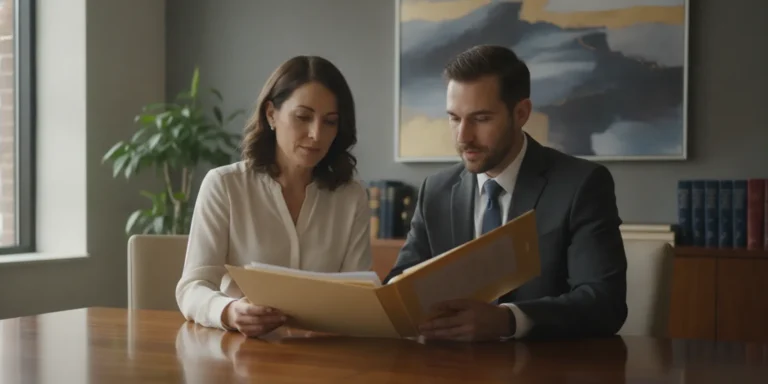
How does a Fort Worth lawyer help after the driver leaves?
Hoch Law Firm is in Fort Worth, at 5616 Malvey Ave, Fort Worth, TX 76107. Tim Hoch is the lawyer you talk with, and he is Board Certified in Personal Injury Trial Law by the Texas Board of Legal Specialization. The injury work is selective and handled on a contingent fee, which means you do not pay an attorney’s fee unless there is a recovery. The personal injury practice is the right door for this kind of crash.
What the consultation actually covers
Bring the crash number if you have it, photos, the names you saved, and any medical paperwork. The conversation covers where the crash happened, whether a driver can still be identified, what your own policy may offer, and whether the injuries justify a claim. It is not a promise of a result. A case with no driver, no video, and no medical record is different from a case with a plate match and a hospital chart.
What this firm does not turn a hit-and-run into
Hoch Law Firm does not handle vehicle-insurance disputes as a claims practice. This article is not a guide to buying coverage or fighting a repair estimate. The question here is an injury caused by a driver who left. Property-damage paperwork can still matter as proof of the crash. It is not the claim this page is written to pursue.
Serious injuries, including head and spinal injuries, raise different proof and care issues. The overview of those injuries is on the types of serious injuries page. For who Tim Hoch is, use the attorney biography rather than a generic about page.
Call (817) 731-9703 and ask what a Fort Worth hit-and-run record still supports.
Frequently Asked Questions
Do I have to call Fort Worth police if I feel fine?
Call if anyone may be injured, if a vehicle cannot be driven safely, or if the other driver left. Those are the situations TxDOT tells drivers to report to police, and an injury crash inside the city must be reported to the local police department by the quickest means. A report also gives you a record if pain shows up the next day.
Can I recover anything if nobody finds the driver?
Sometimes. A later plate match can open a claim against that driver. If nobody is identified, your own uninsured motorist coverage may apply if the policy and the facts qualify. The statewide rules for that coverage are in the firm’s UM guide. This page is about saving the Fort Worth facts that a claim of either kind needs.
How long do I have to file a lawsuit?
Texas law generally gives two years from the day a personal-injury claim accrues, and two years from the death for a fatal injury. Waiting that long is a poor plan in a hit-and-run, because video and witnesses disappear much sooner. Ask about your own date before you assume the full two years is still open.
What should I save before I call a lawyer?
Save photos of the scene and the vehicles, the names and numbers of witnesses, any video file in its original form, the police report or crash number, and medical paperwork. Write a short timeline the same day. Do not repair away the visible damage before it is photographed, and do not post the video while identification is still underway.
Does a criminal hit-and-run case pay my medical bills?
No. A criminal case can punish a driver who left and can sometimes produce identifying information. Payment for medical care, lost wages, and other injury losses comes from a civil claim or from applicable insurance. You can cooperate with police and still talk with a lawyer about the injury claim.