A motorcycle crash can leave an injured rider facing painful treatment, missed work, disputed facts, and assumptions about who caused the collision. A motorcycle accident attorney Fort Worth riders consult can help separate those assumptions from evidence. A strong injury claim begins with a clear account of the event, reliable medical proof, and a damages analysis that reflects actual losses.
Call to discuss your motorcycle injury claim
Why can bias affect a motorcycle injury claim?
Motorcyclists sometimes face an unfair presumption that they were speeding, taking unnecessary risks, or responsible simply because they were riding. That assumption is not a substitute for evidence. Start with specific questions about the event:
- Where was each person positioned before impact?
- What signal, lane marking, or right-of-way rule applied?
- How much time did each person have to perceive and react?
- What do damage patterns, roadway marks, and witness accounts show?
- Did visibility, lighting, roadway design, or equipment affect what happened?
Bias can shape an early report, an insurer’s evaluation, or a witness’s description. An adjuster may focus on the rider’s clothing, motorcycle, or experience rather than another person’s conduct. The response should be factual, not a counter-stereotype or unsupported accusation. Identify what the evidence does and does not establish.
For example, a witness may say a rider “came out of nowhere.” That phrase tells little by itself. A useful follow-up is where the witness was standing, what blocked the view, how long the witness observed the approach, and whether the witness saw the signal or impact. A precise account can help distinguish a direct observation from an impression formed after the collision.
Similarly, a report may characterize a motorcycle as difficult to see without explaining the time of day, lighting, distance, traffic, or the other driver’s attention. Those details matter. Evidence can challenge assumptions without claiming certainty before the scene and records have been reviewed.
Photos, video, neutral witnesses, emergency records, and physical evidence can test competing versions. The aim is a consistent explanation supported by records. If the evidence points to a failure to keep a proper lookout, yield, maintain a safe speed, or follow a traffic control, evaluate that conduct on its own terms.
What should you do after a Fort Worth motorcycle crash?
Safety and medical attention come first. If you can act without creating another hazard, preserve information before the scene changes. These steps can help protect health and evidence:
- Request emergency assistance when anyone may be injured.
- Obtain medical evaluation, even if symptoms initially seem manageable.
- Photograph the roadway, vehicles, motorcycle damage, debris, lighting, signs, and visible injuries.
- Gather names and contact information for witnesses and the responding agency.
- Keep clothing, protective equipment, and damaged personal property in their post-crash condition.
- Notify the appropriate insurer as required, but avoid guessing about fault or the full extent of injury.
- Save medical bills, work records, prescriptions, mileage, messages, photographs, and claim communications.
Photograph the scene from more than one angle. Include wide views that show the intersection or roadway layout, then closer images of impact damage, debris, and visible marks. If you can safely note the time, weather, lighting, traffic controls, and nearby cameras, do so. Do not step into traffic or delay care to collect evidence.
Make a short timeline while the sequence is fresh. Record when you were traveling, what you observed, when you first noticed danger, what happened at impact, and what you remember afterward. Separate what you personally recall from what someone later told you. If memory is incomplete, say so rather than filling gaps with guesses.
Do not repair or discard damaged equipment before it has been documented. Preserve the helmet, clothing, and other items safely, and take photographs before moving or cleaning them. Keep receipts for towing, storage, replacement transportation, and other out-of-pocket costs. Avoid posting a detailed account of the crash or recovery on social media; a casual statement can be taken out of context.
For an overview of the firm’s injury practice, see Hoch Law Firm’s personal injury guidance. Its serious injury resource also explains why the nature and lasting effects of an injury matter when evaluating a claim.

How can crash reconstruction clarify what happened?
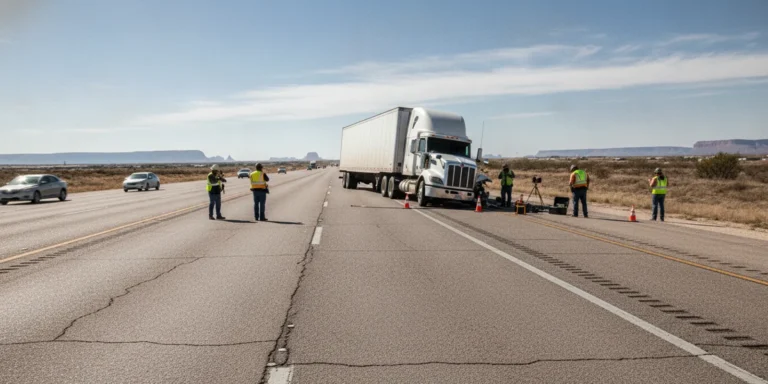
Crash reconstruction is an evidence-based effort to explain the sequence of events. It may help when accounts conflict, the rider has limited memory, or physical evidence does not match an initial report. A reconstruction is strongest when it compares multiple evidence sources rather than relying on one witness or one damaged part.
Scene evidence
Investigators may examine final positions, impact points, gouge marks, skid or tire marks, debris fields, road grade, lane width, sight lines, signs, signals, and lighting. Photographs taken soon after the event can be important because traffic, weather, cleanup, and repairs may change the scene. A simple sketch can help record travel paths, but it should be labeled as an approximation unless measured professionally.
Roadway evidence needs context. A mark might show where a tire slid, but not necessarily who was driving or why the vehicle moved that way. Debris can suggest an impact area, but post-impact movement may shift objects. A careful review asks how each observation fits with the rest of the physical record.
Damage patterns
Damage to the motorcycle, protective equipment, and other vehicles can help identify direction and contact points. It does not answer every question by itself. Compare it with roadway evidence and statements. For example, a side impact may be consistent with one account of a turning movement, but the approach paths, visibility, and timing still need examination.
Electronic and video records
Nearby businesses, residences, traffic systems, helmet cameras, mobile devices, and vehicle systems may hold timing or location information. Material can disappear through routine overwriting. Identify likely cameras promptly, note their locations, and preserve original files when available. A short clip may omit the approach or aftermath, so retain the complete recording rather than only an excerpt.
Electronic records should be handled carefully. Keep original files, note who supplied them and when, and avoid editing or compressing the only copy. A timestamp may depend on a device clock that is inaccurate, so it should be compared with other known events rather than treated as conclusive on its own.
Human factors and alternative explanations
A reconstruction may assess visibility, reaction opportunities, travel paths, and timing. It should test whether each person had a reasonable opportunity to perceive and avoid danger, not begin with a conclusion about the rider. Conditions such as glare, parked vehicles, weather, or a blocked sight line may be relevant if supported by evidence.
There may be more than one plausible sequence at first. One account may place the motorcycle in a through lane; another may describe a turn. Mark which facts are confirmed, disputed, or unknown. This prevents a claim presentation from overstating what the available material proves and helps identify the next evidence to seek.
Not every claim needs a retained reconstruction professional. The decision depends on the dispute, injury severity, evidence available, and consequences of competing accounts. A motorcycle accident attorney Fort Worth clients consult can help assess whether a technical review adds meaningful support or whether existing records already explain the event. A Cornell Law School lawyer directory entry is one example of a listing that identifies motorcycle crashes among matters addressed in legal practice; it does not resolve any individual claim.
What medical proof supports a motorcycle injury claim?
Medical proof should connect the crash to the injury and explain the effects over time. A diagnosis alone may not show the full impact. Useful records can include emergency evaluations, imaging, specialist opinions, therapy notes, prescriptions, procedure records, and follow-up assessments.
At each appointment, describe when symptoms began, where they occur, what makes them worse, and how they affect sleep, movement, concentration, work, and daily tasks. Report changes rather than minimizing them. Be accurate rather than exaggerating. Specific descriptions give providers a better basis for treatment and create a clearer record.
Some injuries are immediately visible. Others develop or become more limiting as swelling, pain, or neurological symptoms change. A claim may involve orthopedic injuries, head or brain trauma, nerve symptoms, internal injuries, burns, or emotional effects. The medical questions include what care is reasonably needed, what limitations remain, and what future treatment may be appropriate.
Build a simple treatment chronology. List the date of each visit, the provider, the main concern, tests or treatment, and any instructions or work restrictions. Keep copies of discharge instructions and referral information. If a provider recommends follow-up, note whether it occurred and, if not, why. This helps explain the course of care instead of leaving a reviewer to infer it from scattered bills.
Keep a recovery record that is brief and factual. Note appointments, symptoms, medication effects, missed activities, help from others, and work restrictions. A useful entry might say that you could not stand long enough to prepare a meal, rather than simply saying that the day was bad. Record the date and what changed. This can capture practical effects that a short clinical visit may not cover.
Follow reasonable treatment instructions and attend scheduled appointments. If cost, transport, work, or another barrier affects care, tell the provider and seek guidance. A gap in care may prompt questions, but it does not automatically disprove an injury. The reason for the gap and the surrounding medical record matter. Do not stop treatment or change medication based only on claim concerns.
Medical records and financial records serve different purposes. The provider’s notes describe symptoms, diagnosis, treatment, and clinical judgment. Bills and explanations of benefits show charges or payments. Keep both, and do not assume a bill alone establishes whether future care is needed. Future-treatment questions should be grounded in qualified medical assessment.

How does comparative responsibility affect a Texas injury claim?
Texas uses a comparative responsibility framework in which responsibility can affect recovery. The result depends on the facts, the parties, and applicable law. An insurer may argue that the rider contributed to the crash or made the injury worse. That argument should be tested rather than accepted merely because it appears in a claim letter.
Comparative responsibility is not a broad label that a rider was careless. The analysis should identify a particular act or omission, connect it to the event, and consider the evidence. Questions may involve speed, lane position, visibility, traffic controls, protective equipment, or reaction time. Each issue needs context.
For instance, a speed estimate based only on a brief witness impression may be uncertain. Look for corroboration such as video, measured marks, event data, or consistent accounts. A lane-position dispute may require comparing photographs, damage, signal timing, and the road geometry. A bare allegation is not the same as a demonstrated causal contribution.
Protective equipment may be relevant to the severity of an injury. It does not necessarily answer who caused the collision. Likewise, a motorcycle’s visibility does not automatically establish responsibility. Examine visibility alongside lighting, roadway position, attention, timing, and everyone’s conduct.
Keep statements measured. Do not make an admission just to end a difficult conversation. Give truthful information, but distinguish estimates from certainty. If a report contains an error, preserve the original and identify the correction promptly. A lawyer can review the evidence and explain how a responsibility argument may affect claim evaluation and litigation risk.
| Claim issue | Helpful evidence | Question to evaluate |
|---|---|---|
| Cause of collision | Scene photographs, video, witnesses, damage patterns, roadway marks | What conduct created the danger, and how can the sequence be shown? |
| Rider’s alleged contribution | Signal timing, lane position, speed evidence, visibility records, neutral accounts | Is there proof of a specific act, or only an assumption? |
| Injury connection | Emergency records, imaging, provider opinions, treatment history | What injuries followed the crash, and what care is required? |
| Lost income | Pay records, employer statements, work restrictions, business records | What work was missed, and what limitations affect future earning ability? |
| Nonfinancial harm | Symptom journals, treatment notes, family observations, activity changes | How did the injury change daily life, relationships, and enjoyment? |
Use the table as an organizing tool, not a checklist that proves a claim by itself. Evidence must be authentic, relevant, and interpreted in context. A photograph may show damage but not the cause; a treatment note may describe symptoms but not establish the other party’s responsibility. The value comes from connecting the records into a coherent, supportable account.
What damages may be part of a motorcycle injury claim?
Damages depend on injury, proof, responsibility findings, and other facts. A complete evaluation may consider financial and nonfinancial effects. Organize each category separately so that an item is not overlooked or counted twice.
Medical expenses and future care
Past bills are only one part of medical loss. An evaluation may consider emergency care, testing, surgery, rehabilitation, medication, specialist care, and reasonably supported future treatment. Keep itemized statements and explanations of benefits. A bill helps establish treatment history, but it is not by itself a final damages answer. Future care should be supported by medical information, not a guess about what might happen.
Lost income and work limitations
Document time away from work through wage records, employer information, tax records, or other reliable proof. If an injury limits duties, hours, advancement, or return to the same occupation, the longer-term effect may need more detailed analysis. Work restrictions should be supported by medical information and employment evidence.
For a straightforward missed-shift example, preserve the scheduled hours, pay rate, dates missed, and any employer note explaining the absence. If you are self-employed, retain records showing appointments canceled, work postponed, and ordinary revenue patterns. These examples do not determine a loss by themselves, but they make the calculation traceable.
Pain, emotional effects, and changes in daily life
Pain, reduced mobility, sleep disruption, fear, frustration, and loss of ordinary activities may be relevant. Specific examples are more useful than a general statement that life became difficult. Explain what changed, when it changed, and whether the limitation continues. A person who can no longer lift a child, walk a regular route, or complete household tasks can describe those changes concretely without overstating them.
Property and out-of-pocket losses
A damaged motorcycle, helmet, protective equipment, clothing, towing, storage, transportation, and other reasonable expenses may need documentation. Preserve receipts and photographs. Keep repair estimates and communications in one file. Do not assume a valuation accounts for every related expense, and do not discard damaged items before documenting them.
There is no universal formula that predicts a fair result from a few facts. Severity, treatment, prognosis, proof, responsibility, available coverage, and litigation considerations all matter. A review should consider the whole claim rather than focus only on an early offer.
How should you respond to an insurer after a motorcycle crash?
Insurers often request a prompt account and supporting records. A timely response can be appropriate, but speed should not replace accuracy. Read each request closely. Identify what it asks for, the deadline, and whether the requested material is limited to relevant information.
Keep copies of every letter, email, form, photograph, estimate, and recorded statement. Write down the date and name of each person you speak with and summarize the subject of the call. Do not sign a broad release without understanding what information it permits the insurer to obtain. Medical authorization requests may reach beyond the injuries at issue, so consider their scope carefully.
Be cautious with an early settlement offer. It may arrive before the full diagnosis, prognosis, and work impact are known. Signing can release claims that cannot later be reopened. Before agreeing, confirm what claims are released, what liens or bills remain, and whether future treatment is addressed. Ask for the offer and release in writing and take time to understand them.
The firm’s case results page provides examples of prior outcomes, but no past result predicts the value of a new claim. Every matter turns on its own evidence and circumstances.
When should you contact a motorcycle accident attorney Fort Worth riders trust?
Early legal review may be useful when an injury is serious, fault is disputed, a death occurred, a recorded statement is requested, several parties may be responsible, or the insurer makes a quick settlement proposal. It may also help when treatment is ongoing or records contain an incomplete description of the crash.
Bring what you have. Useful materials include the incident report, photographs, witness information, insurer correspondence, medical records and bills, work-loss documents, damaged-equipment photographs, and a short timeline. You do not need to solve the case before seeking advice. If some records are unavailable, note what is missing and who may have them.
Hoch Law Firm handles selective personal injury matters and provides direct attorney involvement. Tim Hoch is Board Certified in Personal Injury Trial Law. The firm can evaluate available evidence, the injury, and the practical issues affecting a claim before advising on next steps.
Frequently Asked Questions
What if the crash report blames the motorcycle rider?
A crash report is important, but it may not be the final word on responsibility. Preserve the report and gather photographs, witness details, video, medical records, and other material that may clarify the sequence. Review can identify factual errors, missing information, or conclusions that are not supported by the scene.
Should I speak with the other party’s insurer?
You may need to provide basic notice and claim information, but do not guess about fault, prognosis, or future losses. Do not agree to a recorded statement or broad medical release without understanding the request. Legal guidance can help you respond accurately while protecting the scope of your claim.
Does wearing protective equipment affect responsibility?
It may be relevant to the nature or severity of an injury, depending on the evidence. It does not automatically establish who caused the collision. Responsibility should be analyzed through conduct, timing, roadway conditions, and other facts surrounding the event.
How long will a motorcycle injury claim take?
Timing varies. It may depend on medical recovery, future-care information, evidence collection, responsibility disputes, negotiations, court schedules, and the parties involved. Resolving a claim before the medical picture is clear can create problems, while a well-supported claim may move more efficiently.
What should I bring to an initial consultation?
Bring the incident report, photographs, witness information, insurer communications, medical records and bills, work-loss information, and a timeline of symptoms and treatment. If you do not have every document, contact the firm and explain what is available.
Schedule a consultation about your injury claim
A motorcycle crash can change health, work, finances, and daily life, but a focused evidence-based review can help clarify the issues affecting an injury claim.