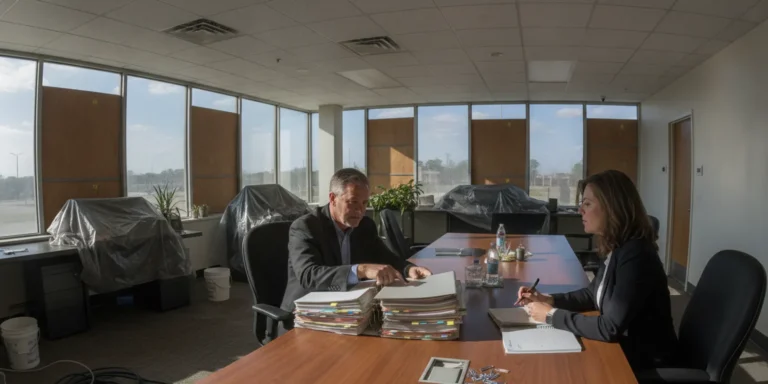
The financial stakes of a damaged warehouse roof are enormous. It’s not just about fixing a leak; it’s about protecting your inventory, ensuring the safety of your employees, and preventing costly business interruptions that can threaten your company’s future. When you file a claim, you are entering a complex negotiation where the other side—the insurance company—has a team of experts dedicated to minimizing their payout. This isn’t a situation to leave to chance. Hiring the right warehouse roof damage insurance lawyer is a strategic business decision to protect your most valuable assets and secure the full funding you need to get back to business without cutting corners on repairs.
Key Takeaways
- Treat the claim as a business negotiation: Your insurance company has a financial incentive to pay as little as possible, using tactics like lowball offers and blaming damage on “wear and tear.” A specialized lawyer understands this playbook and acts as your professional representative to protect your interests.
- Your best defense is independent documentation: Do not rely solely on the insurer’s adjuster. Build your own case by gathering detailed photos, maintenance records, and reports from independent experts like commercial roofers to prove the true extent and cost of the damage.
- A trial lawyer on contingency provides maximum leverage: Hiring a Board Certified trial attorney signals to the insurer that you are prepared to fight for a fair settlement. The contingency fee structure removes your financial risk, ensuring your lawyer is only paid if they successfully recover money for you.
What Does a Warehouse Roof Damage Lawyer Do?
When your commercial warehouse roof is damaged, the claims process can feel like a full-time job you never signed up for. A warehouse roof damage lawyer steps in to manage this process for you, acting as your advocate and strategist. Their primary goal is to level the playing field. Insurance companies have teams of adjusters and lawyers working to protect their bottom line, and a specialized attorney ensures you have the same level of professional representation fighting for your interests. They work to make sure the insurance company treats you fairly and pays what you are rightfully owed.
From the moment you hire them, they take on the burden of communicating with the insurer, gathering evidence, and building a powerful case on your behalf. An experienced attorney understands the tactics insurers use to minimize payouts and knows how to counter them effectively. They handle all the complex legal and procedural requirements, freeing you up to focus on what matters most: running your business. Think of them as your professional representative, dedicated to protecting your investment and securing the funds needed to make proper repairs without costly delays.
Review and Interpret Your Policy
Commercial insurance policies are notoriously complex, filled with dense language, specific conditions, and potential loopholes. The first thing a lawyer will do is conduct a thorough review of your policy. They will identify the full extent of your coverage, pinpoint any ambiguities the insurer might try to exploit, and explain your rights and the insurance company’s obligations in plain English.
Insurance companies often count on policyholders not understanding the fine print. A Fort Worth property insurance lawyer cuts through the confusion to ensure you have a clear picture of what you’re entitled to. This initial analysis is critical, as it sets the foundation for the entire claim strategy and prevents the insurer from dictating the terms of your settlement.
Document Damage and Build Your Case
A successful claim is built on strong evidence. While you may have taken photos, a lawyer goes much further to build a comprehensive and undeniable case. They will coordinate a detailed investigation into the full extent of the damage, which often involves more than what is visible to the naked eye. This includes documenting not only the roof itself but also any resulting interior water damage, equipment losses, or business interruption.
To do this, they work with a network of trusted independent experts, such as structural engineers, public adjusters, and commercial roofing contractors. These professionals provide objective assessments and detailed cost estimates for repairs. This expert-backed evidence is crucial for challenging an insurer’s lowball estimate and demonstrating the true value of your claim across all practice areas.
Negotiate with Insurers and Go to Trial
Once your claim is fully documented, your lawyer will handle all communications and negotiations with the insurance company. They present the evidence and a formal demand for a fair settlement, systematically countering any attempts by the adjuster to undervalue or deny your claim. Insurers often change their tune and negotiate more seriously when they know a skilled attorney is involved.
If the insurance company refuses to offer a fair settlement, your lawyer won’t back down. A key advantage of hiring a trial attorney is their readiness to take your case to court. Having a Board Certified trial lawyer on your side sends a clear message that you are prepared to fight for your rights. This willingness to litigate provides powerful leverage during negotiations and is often the key to securing the payment you deserve.
Why Warehouse Roof Claims Get Complicated
When your warehouse roof is damaged, the last thing you need is a complicated, drawn-out fight with your insurance company. Unfortunately, that’s often what happens. Commercial property claims, especially for large structures like warehouses, are rarely simple. The financial stakes are high, the policies are complex, and insurers have a financial incentive to pay as little as possible. Understanding the common hurdles you might face is the first step in protecting your business and getting the full compensation you deserve. These claims get tangled in policy details, adjuster tactics, and common myths that can leave you with a fraction of what you need to rebuild.
Understanding Commercial vs. Residential Policies
Your commercial property policy is not the same as a standard homeowner’s policy. It’s a far more complex document with specific definitions and exclusions that can make or break your claim. Commercial policies typically cover sudden and accidental damage from events like hail, wind, or fire, but they almost always exclude damage attributed to normal wear and tear or deferred maintenance. This distinction becomes a major battleground. An insurer might argue that your roof failed due to age, not the recent hailstorm, to avoid paying for a full replacement. A Fort Worth property insurance lawyer can help you interpret your policy’s specific language and prove your damage is covered.
What to Expect from the Insurance Adjuster
It’s important to remember that the insurance adjuster sent by your carrier works for them, not for you. Their job is to protect the insurance company’s bottom line by minimizing the payout. They often use specific tactics to achieve this. For example, an adjuster might blame the damage on “wear and tear,” offer to pay for a few patch repairs instead of a necessary replacement, or apply excessive depreciation to drastically reduce the value of your claim. They may also conveniently overlook related losses, like water damage to your inventory, electrical systems, or interior structures that resulted from the initial roof failure. Knowing their playbook helps you prepare for the negotiation ahead.
Common Myths About the Claims Process
Insurance companies sometimes rely on policyholders believing common myths about the claims process. One of the biggest is that you must accept their adjuster’s initial assessment and settlement offer. The first offer is almost always a starting point for negotiation, not the final word. Don’t let an insurer pressure you into a quick settlement, especially if it feels too low. A fast offer can be a red flag that they want to close the claim before you discover the true extent of the damage. Another myth is that any pre-existing issue, no matter how minor, voids your coverage. This isn’t true. An experienced attorney can show how the covered event, like a storm, was the primary cause of your loss and fight for the fair payment you are owed.
Common Roadblocks in Warehouse Roof Damage Claims
Filing a warehouse roof damage claim should be straightforward, but it rarely is. Insurance companies are businesses focused on protecting their bottom line, which often means creating hurdles for policyholders to minimize payouts. Knowing what to expect can help you prepare for the road ahead.
Arguing Over the Cause of Damage
One of the first challenges you might face is a dispute over what caused the damage. Your insurer may claim the problem isn’t from a recent storm but is instead due to “wear and tear” or poor maintenance. They do this to shift blame away from a covered event. An adjuster might point to supposed pre-existing issues to justify a denial or a partial repair offer. This tactic relies on you not having the evidence to prove otherwise, making your initial documentation critical for your property insurance claim.
Dealing with Undervalued Claims
Even if the insurer agrees the damage is covered, their settlement offer might be shockingly low. Insurers often undervalue claims with repair estimates that don’t reflect the true cost of labor and materials in Texas. They might also apply excessive depreciation, drastically reducing your payout. Many business owners are left with an offer that won’t cover the repair bill. This is a common strategy, and you don’t have to accept a lowball offer that leaves you paying out of pocket for a covered loss.
Facing Denials and Policy Loopholes
Sometimes, an insurer will deny your claim outright. They often do this by pointing to complex policy language and hidden loopholes, hoping you won’t have the energy or expertise to fight back. Your commercial policy is a dense legal document, and adjusters can use confusing clauses about wind versus water or cosmetic versus functional damage to justify a denial. An experienced attorney can interpret your policy correctly and challenge an insurer’s self-serving reading of it. The right legal team understands all the practice areas of property law and can build a strong counter-argument.
Finding Hidden or Overlooked Damage
An insurance adjuster’s inspection is often quick and superficial. With a heavy caseload, they have an incentive to close claims quickly, and as a result, they frequently miss significant issues. Hidden problems can include soft spots in the roof decking, cracked vent seals, and compromised attic insulation from water intrusion. This overlooked damage leads to an incomplete estimate and sets you up for major problems later. What looks like a simple repair can mask deeper structural issues, which is why an independent inspection is critical before you agree to a settlement.
Is Your Insurer Acting in Bad Faith?
You’ve paid your premiums on time, trusting your insurance company would be there for you when you needed them. But now that your warehouse roof is damaged, you’re getting the runaround. This isn’t just poor customer service; it could be insurance bad faith. In Texas, insurance companies have a legal duty to treat you fairly and honestly. When they prioritize their profits over their contractual obligations by unreasonably delaying, underpaying, or denying your claim, they are acting in bad faith.
Recognizing these tactics is the first step toward protecting your business and your property. An insurer won’t usually admit they are acting in bad faith. Instead, they often use subtle strategies designed to frustrate you into accepting less than you are owed. It’s crucial to understand what these red flags look like so you can take the right action. Below are some of the most common ways insurers act in bad faith when handling warehouse roof damage claims.
Unreasonable Delays
After a storm damages your warehouse, time is money. Every day your roof is compromised, your business operations and inventory are at risk. Insurance companies know this. Sometimes, they use unreasonable delays as a tactic to wear you down. This goes beyond the normal time it takes to process a complex claim. It’s a pattern of stalling: endless requests for the same paperwork, long periods of silence, or blaming the damage on “wear and tear” to postpone a real decision. These delays aren’t just frustrating; they are often intentional. The goal is to make you so desperate for a resolution that you’ll accept any offer they finally make, no matter how low. The firm’s practice areas include fighting these exact tactics.
Lowball Offers
You get the estimate from your trusted roofer, and you know what it will cost to properly repair your warehouse. Then, the offer from your insurance company comes in, and it’s a fraction of that amount. This is a classic lowball offer. Insurers might justify it by applying excessive depreciation, claiming certain damages aren’t covered, or simply undervaluing the cost of commercial-grade materials and labor. They might also pressure you to accept the offer quickly, before you have time to get a second opinion. Don’t fall for it. A Fort Worth property insurance lawyer can help you understand the true value of your claim and fight for a fair settlement that actually covers your losses.
Misrepresenting Your Policy
Commercial insurance policies are dense, complicated documents. Insurers can sometimes use this complexity to their advantage by misrepresenting what your policy actually covers. They might wrongly deny your claim by insisting the damage was caused by poor maintenance or old age, even if a storm was the clear cause. They may also hire their own inspectors who are biased toward the insurance company’s interests or fail to conduct a thorough investigation in the first place. You bought a policy for protection, and an insurer shouldn’t be able to twist the language to avoid paying. An experienced attorney like Tim Hoch knows how to interpret these policies and hold insurers to their word.
How a Lawyer Can Strengthen Your Claim
When you’re up against a massive insurance corporation, it’s easy to feel like you’re at a disadvantage. Hiring a lawyer does more than just add a legal expert to your team; it signals to the insurance company that you are serious about getting the full and fair payment you deserve. An experienced attorney understands the tactics insurers use to protect their profits and knows exactly how to counter them, ensuring your claim is built on a solid foundation from the start. They handle the complex legal work so you can focus on running your business, all while positioning your claim for the best possible outcome.
Fighting Lowball Offers
Insurance companies often try to minimize payouts with a standard set of excuses. They might claim your roof damage is just normal “wear and tear,” offer to pay for a small patch instead of a full replacement, or apply excessive depreciation to slash the value of your claim. A Fort Worth property insurance lawyer recognizes these tactics immediately. They build a detailed case that demonstrates the true cause and cost of the damage, using the specific language of your policy to hold the insurer accountable. By presenting a well-supported demand, your attorney can effectively challenge lowball offers and negotiate for the settlement you are actually owed.
Bringing in Independent Experts
The insurance company will send its own adjuster to assess your warehouse, but that person works for the insurer, not for you. Their goal is to find reasons to limit your payout. A lawyer works with a network of independent professionals, including structural engineers, public adjusters, and experienced roofers, who work for you. These experts conduct their own thorough inspections to document the full extent of the damage, including issues the insurer’s adjuster may have conveniently overlooked. This independent evidence is crucial for substantiating your claim and creating the leverage needed to secure funds for a full replacement and any related business losses.
Preparing Your Case for Court
The best way to get a fair settlement is to show the insurance company you’re ready and willing to go to trial. An experienced attorney prepares every case with the expectation that it might end up in front of a judge. This meticulous preparation sends a strong message and often convinces the insurer to offer a better settlement to avoid a costly court battle. With a Board Certified trial lawyer like Tim Hoch on your side, you have a credible litigation threat. This approach gives you maximum leverage during negotiations and ensures you are in the strongest possible position, whether your case settles or goes to court.
The Claims Process With a Lawyer by Your Side
When your warehouse roof is damaged, the last thing you need is a long, drawn-out battle with your insurance company. A damaged roof can bring your business to a halt, creating safety risks, expensive repair bills, and potential loss of inventory. Unfortunately, insurance companies often try to pay less than what a claim is worth or deny it altogether, counting on you being too busy to fight back. This is where having an experienced lawyer changes everything.
Bringing in a lawyer who specializes in property insurance disputes shifts the burden from your shoulders to theirs. Instead of you trying to decipher policy language and argue with adjusters, your attorney manages the entire process. They act as your advocate, ensuring your claim is taken seriously and fighting for the full amount you need to make proper repairs and cover your losses. This allows you to focus on what matters most: running your business and getting back to normal operations. Your lawyer handles the legal complexities so you don’t have to.
From First Call to Final Settlement
Wondering what it looks like to work with an attorney? The process is straightforward. It starts with an initial call to discuss your situation. From there, your lawyer takes the lead. They will conduct a thorough investigation, which includes documenting all the damage with photos and reports, reviewing your maintenance records, and bringing in structural engineers or roofing experts if needed.
Your attorney will handle all communication with the insurance company, so you won’t have to field calls from adjusters. They will present a detailed claim and negotiate for a fair settlement. If the insurer refuses to pay what you are rightfully owed, your lawyer will be prepared to take them to court. Having a board-certified trial lawyer like Tim Hoch on your side shows the insurance company you are serious about getting a just outcome.
How Contingency Fees Work
Many business owners hesitate to call a lawyer because they worry about the cost. At Hoch Law Firm, we handle property damage claims on a contingency fee basis, which removes the financial risk for you. This means you pay no upfront costs or hourly fees. We only get paid if we successfully recover money for you, either through a settlement or a court verdict. Our fee is a percentage of the amount we win on your behalf.
This approach ensures our goals are perfectly aligned with yours. We are motivated to secure the maximum possible compensation for your claim because our success is directly tied to yours. If for any reason we don’t win your case, you owe us nothing in attorney’s fees. This allows you to pursue justice and get the resources you need for repairs without worrying about out-of-pocket legal expenses.
How to Document Your Warehouse Roof Damage
After a storm or other event damages your warehouse roof, what you do next can make or break your insurance claim. Your insurance company will be looking for any reason to minimize or deny your payment, so solid documentation is your best defense. Think of it as building a case from day one. The more detailed and organized your evidence is, the harder it is for an insurer to argue against the facts. A strong, well-documented claim gives you more power during negotiations because it shows you’re prepared to fight for what you’re owed.
Take Photos and Get Inspection Reports
The moment it’s safe to do so, start taking photos and videos of the damage. Don’t just take a few quick pictures; be as thorough as possible. Capture wide shots of the entire roof, then get close-ups of specific problem areas like punctures, missing shingles, dented flashing, or interior water stains. This visual evidence creates a clear record of the roof’s condition immediately after the incident. An independent inspection report from a trusted public adjuster or roofing contractor can also serve as a critical piece of evidence, providing a professional assessment that isn’t biased by the insurance company’s interests. This groundwork is essential for a Fort Worth property insurance lawyer to build a powerful case on your behalf.
Keep Records of Weather and Maintenance
Insurance companies often try to attribute roof damage to pre-existing issues like “wear and tear” instead of a covered event like a hailstorm. This is a common tactic to avoid paying the full value of a claim. You can counter this by keeping meticulous records. Compile a file that includes your roof’s maintenance history, any receipts for past repairs, and documentation of major weather events in your area. Having proof that your roof was well-maintained before the storm makes it much more difficult for the insurer to argue that the damage was your fault. These records help establish a clear timeline and demonstrate that the damage was sudden and accidental, which is a key part of navigating the claims process for our practice areas.
Know When to Call a Professional
Before you even file your claim, consider getting an opinion from a professional who is on your side. An independent roofing expert can inspect your warehouse roof and provide a detailed report with photos and an estimate for repairs. This expert works for you, not the insurance company, so they are motivated to find all the damage, not just what’s obvious. Their report can be a powerful tool to use when the insurance adjuster conducts their own inspection, ensuring nothing is overlooked. If you’re facing significant damage or your insurer is already giving you the runaround, it’s also the right time to call an attorney. A board-certified trial lawyer like Tim Hoch can step in to protect your interests and make sure your claim is taken seriously from the start.
The True Cost of Going It Alone
I get it. When your warehouse roof is damaged, your first thought is probably about the cost of repairs, not adding legal fees to the pile. It’s tempting to handle the insurance claim yourself to save money. But here’s the tough truth: trying to manage a complex commercial claim on your own can end up costing you far more in the long run. Insurance companies have teams of adjusters and lawyers working to protect their bottom line, and they often rely on specific tactics to minimize what they pay you.
For example, they might dismiss the damage as simple “wear and tear,” offer to pay for a small patch job when a full replacement is needed, or undervalue your claim with excessive depreciation. Some insurers will even drag out the process with endless paperwork, hoping you’ll get frustrated and accept a lowball offer just to be done with it. When you’re facing these hurdles, the money you thought you were saving by not hiring an attorney can quickly vanish. You could be left with a settlement that doesn’t come close to covering your actual losses. The true cost of going it alone isn’t just financial; it’s the time, stress, and risk of an unfair outcome for your property insurance dispute.
How to Choose the Right Warehouse Roof Damage Lawyer
When your business is on the line, the lawyer you choose can make all the difference. A warehouse roof damage claim isn’t a simple fender bender; it’s a complex legal and financial battle where the stakes are incredibly high. You need more than just any attorney; you need a strategic partner who understands commercial property law inside and out. Finding the right fit means looking for specific credentials and a track record that proves they can stand up to big insurance companies and win.
Board Certification and Trial Experience
Not all lawyers are trial lawyers, and even fewer are Board Certified. Board Certification is a mark of excellence, indicating that an attorney has substantial, specialized experience and has been recognized as an expert in their field. For example, Tim Hoch is Board Certified in Personal Injury Trial Law by the Texas Board of Legal Specialization, a distinction held by a very small percentage of Texas attorneys.
This matters because an insurance company’s willingness to negotiate fairly often depends on your lawyer’s willingness to go to trial. A lawyer who prepares every case as if it’s going to court has more leverage. They aren’t just looking for a quick settlement; they are ready to fight for the full value of your claim, giving you more power in negotiations.
Experience with Commercial Property Claims
Warehouse roof claims are a different beast than residential claims. The policies are more complex, the damage assessments are more technical, and the financial losses can include business interruption, lost inventory, and structural repairs costing millions. You need a lawyer who has specific experience with commercial property insurance claims.
An experienced attorney knows the tactics insurers use to minimize commercial payouts. They understand how to read complex policies, document extensive damages, and calculate the full scope of your business losses. They’ve been down this road before and can guide you past the common pitfalls that trip up business owners who try to handle these claims alone.
Focus on Representing Policyholders
Some law firms work both sides of the aisle, representing insurance companies one day and policyholders the next. This can create a conflict of interest. To ensure your advocate is 100% in your corner, look for a lawyer or firm that exclusively represents policyholders. Their loyalty is undivided, and their entire practice is built around fighting for people and businesses like yours.
These attorneys know how to counter the arguments and delay tactics from insurance companies because it’s what they do every single day. They are dedicated to making sure you get the full and fair payment you are owed, not maintaining relationships with the insurance industry. When you’re up against a powerful corporation, you want someone who is completely on your side.
Clear Communication and Fees
The legal process can feel intimidating, so it’s essential to find a lawyer who communicates clearly and keeps you informed. You should feel comfortable asking questions and confident that you understand the strategy for your case. Look for a firm that offers a free, no-obligation consultation to discuss your situation. This is a great opportunity to see if the attorney is a good fit for you.
Also, ask about their fee structure. Many top property damage lawyers work on a contingency fee basis, which means you don’t pay any attorney’s fees unless they recover money for you. This approach aligns their interests with yours and removes the financial risk of hiring an expert to fight for the results you deserve.
When Should You Call a Lawyer?
It can be tough to know the right moment to bring in legal help. You’ve paid your premiums, and you expect your insurance company to hold up its end of the deal. But when a claim involves a major asset like your warehouse, the stakes are incredibly high. The best time to call a lawyer is often sooner than you think. While you can certainly call at any point in the process, getting an attorney involved early can prevent many of the headaches that cause people to seek legal help in the first place.
However, there are a few clear signs that it’s time to stop going it alone and get a professional on your side. You should absolutely call a lawyer if:
- Your claim is denied. A denial letter is not the end of the road. Insurers often deny valid claims, hoping you won’t push back. An experienced attorney can analyze the reason for the denial, review your policy, and build a strategy to fight it.
- The settlement offer is too low. Insurance adjusters are trained to minimize payouts. If their offer doesn’t come close to covering your repair estimates from trusted roofers, it’s a major red flag. A lawyer can help you challenge an undervalued claim and fight for the full amount you’re owed.
- Your insurer is delaying the process. Unreasonable delays are a common tactic. If your insurer is dragging its feet, missing deadlines, or going silent for long periods, it might be intentional. A property insurance lawyer can step in to hold the company accountable and get your claim moving.
- The insurance company gets complicated. If the adjuster starts bringing up complex policy exclusions, blaming the damage on “wear and tear,” or asking for an overwhelming amount of documentation, it’s time for backup. Having a legal expert who understands these complex practice areas ensures you won’t be taken advantage of.
Ultimately, if you feel like you’re being treated unfairly or you’re simply in over your head, trust your gut. Protecting your business is the top priority, and you don’t have to face the insurance company by yourself.
Related Articles
- Best Attorney for Office Roof Leak Insurance Claim
- When to Hire a Lawyer for a Roof Leak Claim
- Roof Damage Claims – Hoch Law Firm, PC
Frequently Asked Questions
Why can’t I just handle the claim myself to save money? It’s a logical question, but handling a complex commercial claim alone often costs more in the long run. Insurance companies have entire teams of adjusters and lawyers dedicated to minimizing payouts. When you handle it yourself, you’re one person against a corporate department. The money you think you’re saving on legal fees can be quickly lost through a lowball settlement offer that doesn’t cover the full cost of your repairs, leaving you to pay the difference out of pocket.
How much will it cost to hire a lawyer for my roof damage claim? Most reputable property damage lawyers, including our firm, work on a contingency fee basis. This means you pay nothing upfront for us to start working on your case. We only receive a fee if we successfully recover money for you through a settlement or a court award. Our payment is a percentage of what we win for you, so our goals are directly aligned with yours: to get you the maximum compensation possible. If we don’t win, you don’t owe us any attorney’s fees.
My insurer’s offer seems low, but is it too late to get a lawyer involved? It is absolutely not too late. An insurance company’s first offer is just that: an offer. It is a starting point for negotiation, not a final decision you are forced to accept. Bringing in an attorney after receiving a low offer is very common. They can step in, assess the true value of your claim, and take over negotiations to fight for a fair settlement that actually covers your damages.
What’s the real difference between the insurance company’s adjuster and an independent expert? The key difference is who they work for. The insurance adjuster is an employee or contractor of the insurance company, and their job is to protect the company’s financial interests by limiting the payout. An independent expert, like a structural engineer or public adjuster hired by your lawyer, works for you. Their only job is to conduct a thorough, unbiased inspection to determine the full extent of your damage and the true cost of repairs.
My claim was denied for “wear and tear.” Is that the final word? A denial for “wear and tear” is rarely the final word; it’s a common tactic insurers use to avoid paying for damage caused by a storm or other covered event. An experienced attorney can challenge this by building a case with evidence like your roof’s maintenance history, local weather reports, and reports from independent roofing experts. This evidence can prove the damage was sudden and accidental, forcing the insurer to reconsider their denial.