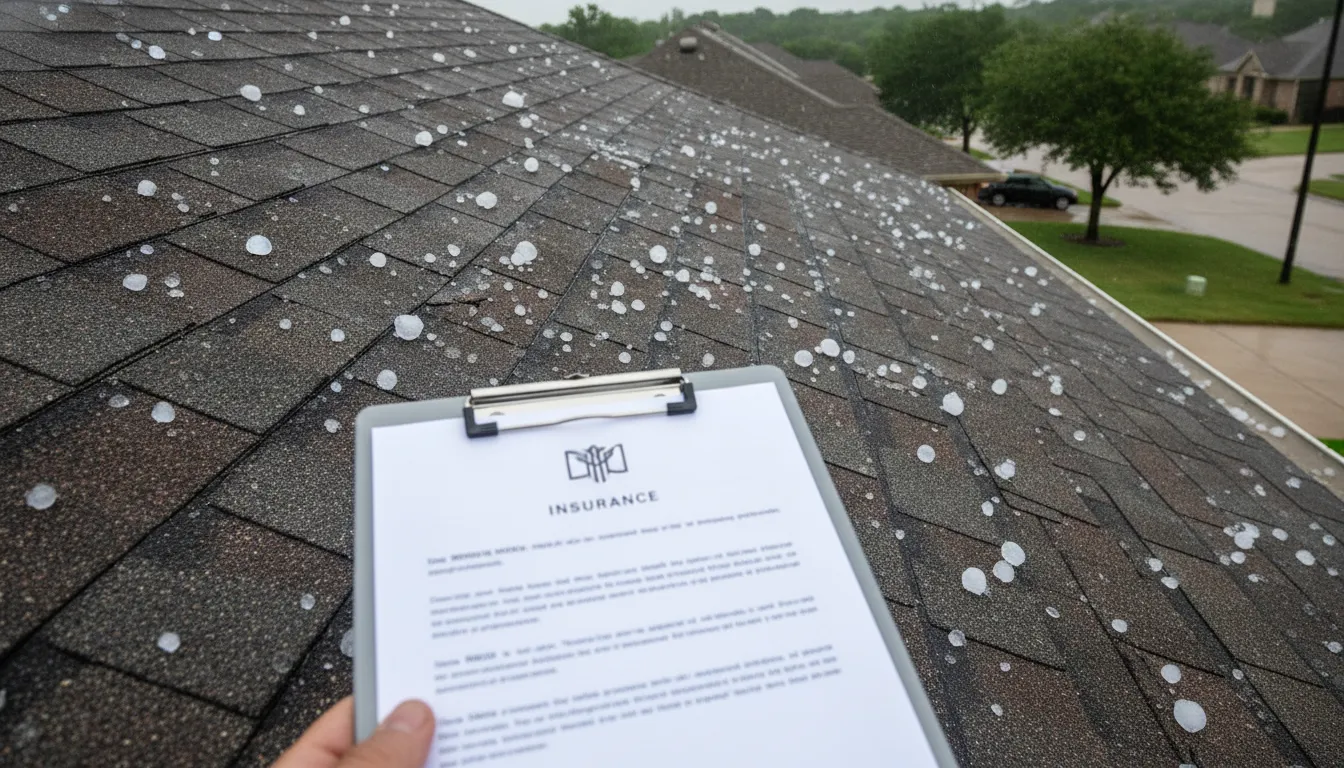
A denial letter does not erase the hail damage sitting on your Texas property. Your next moves can preserve evidence, expose a weak denial, and protect your right to payment. If your claim involves complex damage patterns, a hail track report can be crucial evidence.
Texas has been the #1 hail damage state for 11 straight years. State Farm paid $1.4B in Texas hail claims in 2025, 27% more than 2024. In 2024, a 7.1-inch hailstone was found near Vigo Park, Texas — the largest in state history. Hailstones are increasingly reaching baseball-to-grapefruit sizes, making damage more extensive and claims more complex.
Schedule a free case evaluation with Hoch Law Firm before accepting the carrier’s decision.
A hail damage insurance claim denied by the insurer is not necessarily the final word for a Texas policyholder. First, read the denial letter and policy, note every stated reason, and request the adjuster’s estimates, photographs, reports, and written coverage position. Then photograph all damage, save storm records and repair estimates, prevent further loss, keep receipts, and avoid permanent repairs until the insurer can reinspect. Ask for a reinspection or file an appeal with your evidence, and consider legal counsel if the insurer ignores proof, delays, or relies on questionable exclusions. Policyholders may challenge decisions they believe were wrongfully denied, including through an insurance dispute lawyer, especially because insurers may use bad faith tactics to deny or underpay hail claims.
Next, we will examine
Can a hail damage claim be reopened after a denial in Texas?
Yes, a denied hail damage claim can often be reopened. Start by requesting a reinspection and submitting additional evidence such as detailed photographs, a professional inspection report, and storm data from NOAA or local weather stations. Texas insurers must reconsider claims when new evidence is provided. If the insurer continues to deny without adequate explanation or ignores new evidence, legal counsel can help determine whether bad faith or improper claims handling occurred.
Why a hail damage insurance claim may be denied, then use that reason to build a focused response. With the denial letter and supporting records in hand, you can compare the insurer’s position against your policy and facts. Here’s how.Hail Damage Insurance Claim Denied: Why a hail damage insurance claim may be denied
A denial letter should state why the insurer believes the policy does not pay for the reported loss. The reason may involve coverage, proof, or a disagreement about what caused the damage. Read the letter beside the full policy, not just the declarations page.
Coverage and exclusion issues
Many property policies cover hail, but coverage still depends on the policy’s exact terms. Some policies cover listed causes of loss, while others cover losses unless an exclusion applies. This property insurance overview shows how a policy can list hail as covered while also listing exclusions.
An insurer may cite wear and tear, poor maintenance, faulty installation, or damage that existed before the storm. It may also argue that a roof or other asset falls outside the policy’s covered property. These reasons challenge whether the policy covers the loss at all.
Proof and cause disputes
A hail damage insurance claim may be denied when the insurer says there is not enough proof. Missing photos, repair records, storm data, or prompt notice can make it harder to connect damage to one event. A clear timeline and records from before and after the storm can address that gap.
Cause disputes often arise when hail damage and normal aging appear on the same roof. The insurer may say wind, foot traffic, heat, or an older event caused the marks. For apartment or commercial properties, see our guide on apartment complex hail damage claims. A qualified inspection can help separate storm damage from other conditions and document why the findings matter.
Policyholders can reduce proof disputes when they file a hail damage insurance claim with organized records. Keep the denial letter, policy, estimates, photographs, inspection reports, and all messages with the insurer. Do not repair or discard damaged materials before documenting them, unless emergency work is needed to prevent more harm.
Denial versus a scope dispute
A full coverage denial means the insurer says it owes nothing for the claimed event. A scope dispute is different. The insurer may accept that hail caused covered damage. But it may disagree about which items need repair, the work needed, or the cost.
The payment amount can also turn on the policy’s valuation terms and deductible. For example, one policy may insure property on a replacement cost basis. Another may account for age or depreciation before paying more after repairs.
This distinction shapes the next response. A coverage denial calls for close review of the cited policy terms and the insurer’s cause analysis. A scope dispute calls for a detailed comparison of the adjuster’s estimate, contractor findings, damaged areas, prices, and required work.
What should you do immediately after a denial?
When a hail damage insurance claim is denied, act promptly but do not rush into an agreement. The denial letter and your policy should show the insurer’s stated reason, cited terms, and offered next steps.
Policy language matters because covered perils and exclusions can vary. Property insurance guidance from NC State shows how a policy can list hail as a covered peril while also listing exclusions.
Your immediate response checklist
Read the denial letter closely. Note every reason given for the denial and each policy section the insurer cites. Check whether the letter asks for more records or offers a review process.
Compare the letter with the full policy. Review the declarations, coverage forms, exclusions, deductibles, endorsements, and claim duties. Do not rely on a short policy summary or an adjuster’s verbal explanation.
Preserve the claim record. Save photos, videos, inspection reports, repair bids, receipts, emails, letters, and notes from calls. Keep original files when possible, and record each contact’s name, date, and statement.
Prevent more damage without erasing proof. Make reasonable temporary repairs, such as covering an opening, when the property is unsafe or exposed. Photograph the area before and after the work, save damaged materials when practical, and keep every receipt.
Protect your rights and calendar deadlines. Do not sign a broad release, settlement, or sworn statement that you do not fully understand. Record every deadline in the letter and policy, including dates for notice, proof, review, or legal action.
A clear claim file
Create one folder for the denial letter, policy, endorsements, damage proof, estimates, and all insurer communications. A simple timeline can show what happened, who responded, and what remains unresolved.
Keep communications factual and brief. Ask the insurer to put its reasons and requests in writing, then save each response. This record can support the next stage of the hail damage claim process.
Before accepting the insurer’s position
A denial is the insurer’s decision, not always the final result. Compare its explanation with the damage evidence and the exact policy terms before deciding what to do next.
If the reason is unclear or the loss is large, consider having the file reviewed before signing anything. Hoch Law Firm represents policyholders in storm damage disputes and handles matters on a contingent-fee basis.
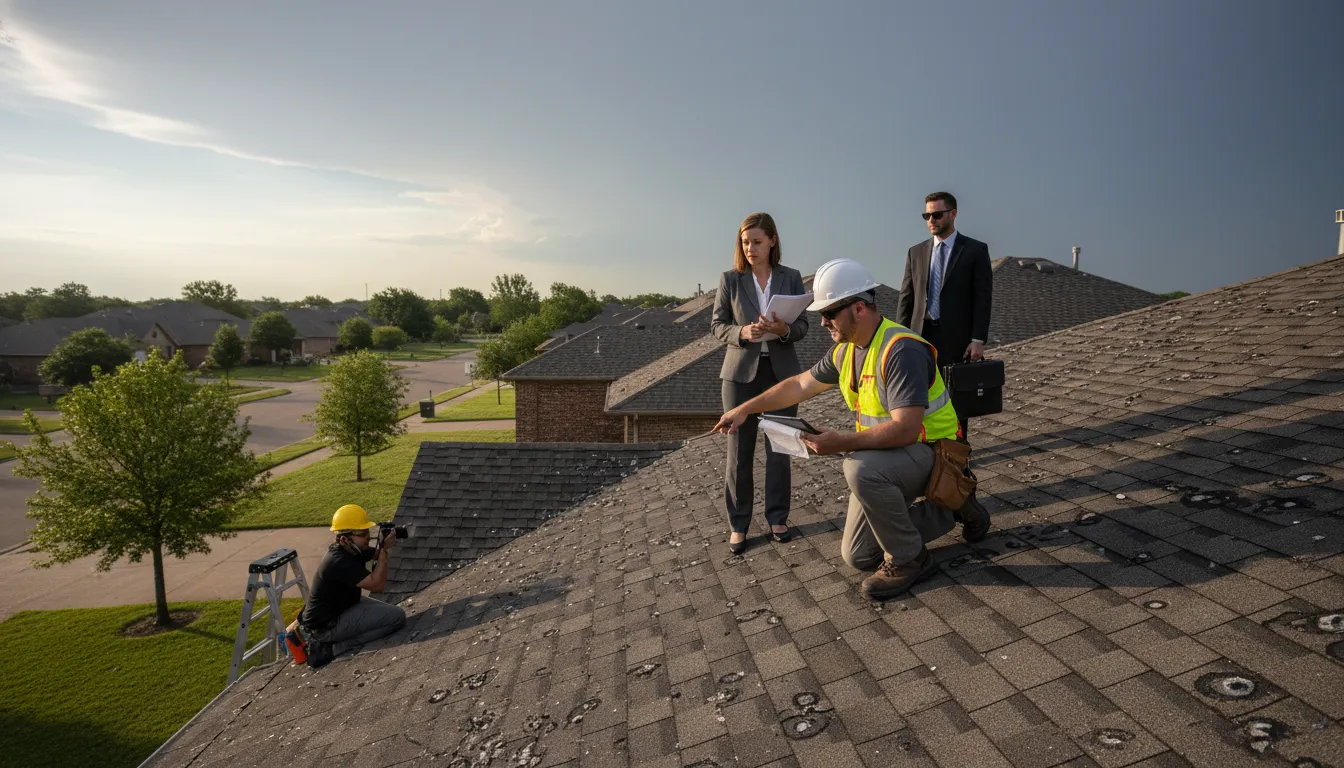
Build evidence that connects the storm to the damage
A denial often turns on causation: did the hailstorm cause the claimed damage, or did an older condition cause it? Build a record that answers that question with dates, clear images, and independent findings. Keep original files because their creation dates and full detail may matter later.
A dated record of the storm and damage
Photograph and record video of every affected area as soon as it is safe. Capture wide views that show location, then close views of dents, cracks, punctures, and water entry. Include damaged roofing, siding, gutters, windows, signs, outdoor units, and interior finishes.
Save a reliable weather report for the property address and date. Match it to a timeline showing when damage first appeared and when it was reported. This helps connect a specific storm to conditions found during the hail damage claim process.
- Dated photos and videos, including before-storm images when available
- Weather records for the property address and reported loss date
- Repair, inspection, and maintenance records from before the storm
- Invoices, receipts, and estimates tied to storm-related work
- Damaged materials saved only when removal and storage are safe
Do not discard replaced materials until the insurer has had a fair chance to inspect them. Label each saved item with its location and removal date. If emergency work is needed, photograph conditions before, during, and after the work.
Independent reports and repair records
Ask qualified roofers, engineers, or other specialists to put their findings in writing. A useful report identifies the inspected areas, observed damage, likely cause, and needed repairs. It should also include the inspection date, photos, credentials, and any limits on the inspection.
Get itemized estimates rather than a single total. Each estimate should describe the work, quantities, materials, and price. For commercial properties, include records for affected equipment, tenant spaces, lost use, and temporary steps taken to prevent more damage.
Compare the denial letter with the policy and your records. Policy language matters because coverage depends on covered causes and exclusions. For example, North Carolina State University’s property insurance guidance lists hail as a covered peril while also directing readers to exclusions.
A claim diary that preserves the timeline
Keep one claim diary from the first notice through each inspection and decision. Record dates, names, job titles, phone calls, site visits, requests, promises, and deadlines. Save emails, letters, estimates, reports, and proof of each document sent.
After a call, write a short summary while the details are fresh. Note what the adjuster inspected and any areas not inspected. If your hail damage insurance claim was denied, this timeline can reveal gaps between the available evidence and the insurer’s stated reason.
Organize records by date and keep backups outside the property. Preserve neutral, original documents instead of editing images or rewriting reports. If the dispute continues, these materials can help counsel assess options for challenging a denied hail claim and respond to the denial.
How do you request a reinspection or reconsideration?
Ask the insurer to reconsider its decision in writing. State that you dispute the denial and want a reinspection of the damaged property. A clear request creates a record of what you asked the insurer to review.
Your written request
Start with the claim number, policy number, property address, date of loss, and denial date. Quote the main reason given in the denial letter. Then explain, point by point, why your records or the visible damage do not support that reason.
Attach the records that support your position, and label each item so the adjuster can follow it. Useful items may include dated photos, repair estimates, inspection reports, invoices, and prior maintenance records. Keep the originals and send copies.
- Ask for the request to be added to the claim file.
- Request written confirmation and the assigned adjuster’s contact details.
- Ask what other records the insurer needs for reconsideration.
- Set a reasonable date for a written response.
Review the policy and denial letter before sending the request. Policy language can separate covered causes from exclusions, as this property insurance coverage example shows. Do not assume a reinspection pauses any deadline stated in the policy or letter.
Preparing for the reinspection
Ask the insurer to schedule the visit when you or a trusted representative can attend. Before the visit, make a short damage list by roof area, room, or building section. Match each item to a photo, estimate, or report when possible.
Have safe access ready, but do not enter damaged or unsafe areas. Gather the denial letter, policy, prior inspection notes, and supporting records in one place. You may also ask your contractor or inspector to attend and explain technical findings.
During the visit, take notes about who attended, what areas were viewed, and what questions were asked. Point out disputed damage without directing the adjuster’s conclusion. Afterward, send a brief written recap and correct any material error in the claim record.
A factual case for reconsideration
Keep every statement specific and supported. Avoid guesses about storm timing, damage cause, or the insurer’s motives. If you do not know an answer, say so and offer to provide a record that may resolve the question.
A reinspection does not promise a reversal. It gives the insurer another chance to compare the denial with the property and your evidence. Understanding the broader hail damage claim process can help you track what happens next.
If the insurer keeps the hail damage insurance claim denied, ask for the decision and its basis in writing. Preserve all letters, emails, estimates, reports, and call notes. Policyholders facing a continuing dispute can then consider how an attorney can review a hail claim denial.
Ask Hoch Law Firm to review the denial, policy, and supporting evidence in a free case evaluation.
Compare your options after the carrier stands by its decision
A carrier’s final denial does not always end the claim. The next step depends on what remains disputed, what the policy allows, and what proof is available. If your hail damage insurance claim was denied, compare each option before choosing a path.
Four paths for a disputed claim
Supplemental documentation is often the narrowest first step. It can address missing photos, repair estimates, weather records, inspection findings, or a mistaken loss date. A focused request for reconsideration should connect each new item to a stated reason in the denial letter.
Appraisal may help when the insurer accepts coverage but disputes the amount of loss. It is not a universal appeal process. The policy’s appraisal clause, the exact dispute, and applicable law determine whether this option fits. It may not decide a dispute about whether the policy covers the damage.
| Option | Common use | Key limitation |
|---|---|---|
| Supplement and reconsideration | Correct gaps or errors with new claim evidence | The carrier may stand by its denial |
| Appraisal | Resolve a covered-loss value dispute | May not decide coverage |
| Administrative complaint | Ask a regulator to review claim-handling conduct | Does not replace every policy remedy |
| Legal evaluation | Assess coverage, deadlines, evidence, and remedies | Advice depends on the policy and facts |
Administrative complaint or legal evaluation?
An administrative complaint can create a clear record of a claim-handling concern. It may prompt a response from the carrier or a review by the proper regulator. Still, a complaint does not itself prove that hail caused the loss or set the amount owed.
Before filing, organize the denial letter, policy, claim number, timeline, and key messages. State the concern in plain terms and attach proof that supports it. Keep the complaint focused on conduct the regulator can review. A broad account with no records may make the core issue harder to see.
A legal evaluation takes a wider view. Counsel can compare the denial letter, policy language, inspection reports, estimates, and claim communications. This review can also flag deadlines and help assess whether further negotiation or litigation makes sense. Hoch Law Firm explains the role of legal help for a continuing hail dispute in more detail.
Choosing a policy-specific response
Start with the carrier’s stated denial reason and the exact policy language tied to it. Coverage terms differ, so do not assume hail coverage answers every issue. One property insurance summary lists hail as covered while also describing exclusions. That example shows why the full written policy matters.
Next, identify the real dispute. Missing proof may call for a supplement, while a disagreement over repair cost may point toward appraisal. A coverage dispute or concern about claim handling may call for legal review. Keep copies of every submission, response, estimate, photo, report, and policy document.
Do not select a path based only on speed or cost. An option that fits one policy may waive rights or waste time under another. Policy-specific legal review can help a residential or commercial owner weigh the available steps before acting.
When should you talk with a Texas policyholder attorney?
A denied hail claim does not always require a lawyer. Still, legal review may help when the insurer’s position no longer matches the evidence or policy terms. This is more urgent when repair costs threaten a home, business, or commercial property’s use.
Warning signs in the claim record
Repeated denials despite photos, reports, and credible repair estimates are a clear warning sign. So are shifting explanations that cite a new exclusion or cause each time you respond. An insurer’s failure to inspect key damage or address submitted evidence may also justify legal review.
Delay can become another concern when requests and follow-ups produce no clear decision. Review may also help when the insurer’s scope is far below credible estimates from qualified contractors. Learn more about the usual hail damage claim process before comparing it with your claim history.
Documents and deadlines that need review
Talk with counsel before signing a broad release, settlement agreement, or proof-of-loss form you do not understand. These documents may affect what you can seek later. An attorney can compare the proposed language with the policy and the insurer’s written position.
Policy language matters because coverage and exclusions define the dispute. For example, one university property policy lists hail among its covered perils and separately describes exclusions. Your own Texas policy may use different terms, limits, deductibles, and notice rules.
Do not wait when a policy deadline or legal deadline may be near. Bring the full policy, denial letters, claim notices, estimates, photos, inspection reports, emails, and a dated contact log. Counsel can use that record to assess what happened and what information may still be missing.
What a policyholder attorney can assess
A policyholder attorney can review whether the insurer applied the cited terms to the known facts. Counsel can also compare competing scopes, examine the investigation, and spot gaps in the insurer’s explanation. That review may clarify whether more evidence, negotiation, appraisal, or legal action warrants consideration.
Legal review does not guarantee payment or a specific result. It can show the strengths, risks, likely costs, and available paths before you make a choice. Hoch Law Firm represents policyholders in coverage disputes and storm damage litigation, including claims involving alleged underpayment or bad faith.
If your hail damage insurance claim was denied after you supplied strong evidence, consider seeking advice before taking the insurer’s next requested step. The firm’s page on policyholder counsel for a disputed hail claim explains issues to weigh when deciding whether to hire counsel.
Mistakes that can weaken a denied hail claim
A denial can be frustrating, but a rushed response may make the dispute harder to prove. Avoid choices that erase evidence, miss policy deadlines, or shift attention away from the facts. A careful response keeps the focus on the damage, the policy, and the insurer’s stated reason.
Treating the denial letter as final
A denial letter states the insurer’s current position. It does not replace the policy or answer every coverage question. Read the stated reason, then compare it with the policy’s covered risks, exclusions, limits, and duties. Property policies can distinguish between covered risks and exclusions, as this property insurance overview shows.
Do not set the letter aside or wait without a plan. Save it with its envelope, note when it arrived, and request any reports used in the decision. Track all policy deadlines and send follow-up questions in writing. These steps create a clear record if the denial must be challenged.
Discarding or changing the evidence
Throwing away damaged materials, deleting photos, or losing repair records can leave important gaps. Keep the denial letter, policy, inspection reports, estimates, invoices, emails, and dated images together. Follow the same evidence-focused habits used when you file a hail damage insurance claim.
- Keep original photos and videos with their dates and file details.
- Save damaged samples when it is safe and practical to do so.
- Write down each inspection date, attendee, and key statement.
- Keep receipts for temporary work and steps taken to prevent more damage.
Repairs may be needed to protect the property, but repairing everything first can hide the condition the insurer disputed. Before permanent work begins, photograph each damaged area and keep detailed estimates. Give the insurer any notice required by the policy. Emergency steps should protect the property without destroying proof.
Using claims that the record cannot support
Unsupported accusations of fraud or bad faith can distract from stronger coverage facts. State what happened, identify the disputed finding, and explain why the available evidence does not support it. Keep calls and emails calm, specific, and consistent. Do not guess about storm dates, damage causes, or earlier roof conditions.
A contractor’s sales language also may not prove that the policy covers the loss. Ask for a written scope that identifies damaged parts, repair methods, quantities, and costs. Then compare that scope with the insurer’s report and policy terms. If key issues remain disputed, consider legal representation for denied hail claims before sending broad accusations or signing away rights.
Get direct guidance from Hoch Law Firm about the next step for your denied hail claim.
Frequently Asked Questions
What should I do if insurance denies my hail damage claim?
A denial does not necessarily end a Texas hail claim. Request the complete denial letter, identify the cited policy terms, and collect dated photos, repair estimates, inspection reports, and storm records. Policyholders may challenge an insurer’s decision when evidence supports coverage. Submit the appeal in writing and keep copies of every communication.
Is it worth claiming hail damage on insurance?
Filing may be worthwhile when documented hail damage exceeds the deductible and the policy covers the loss. Before filing, review the deductible, exclusions, reporting duties, repair cost, and possible effects on future premiums or renewal. Promptly photograph damage and obtain a qualified inspection, then compare the estimated covered loss with your out-of-pocket costs.
What is the average payout for hail damage?
There is no reliable average payout because hail claim values vary widely by property, damage severity, and policy. A payout depends on the documented damage, deductible, coverage limits, exclusions, and whether the policy uses actual cash value or replacement cost. Review the insurer’s estimate line by line against independent repair estimates before accepting the amount.
What should I not say to the insurance adjuster?
Do not guess about the storm date, cause of damage, repair cost, or condition of the property before the storm. Avoid saying the property had no prior issues unless records support that statement. Do not minimize damage, exaggerate losses, or agree that the insurer’s inspection is complete. Give accurate facts, provide documents, and request important decisions in writing.
Schedule a free case evaluation with Hoch Law Firm to discuss your denied hail damage claim.
Call 817-731-9703 to discuss your denied hail claim with a board-certified trial lawyer.