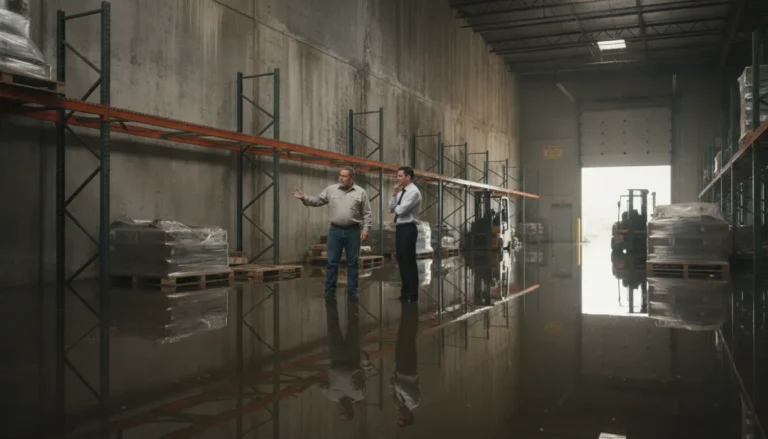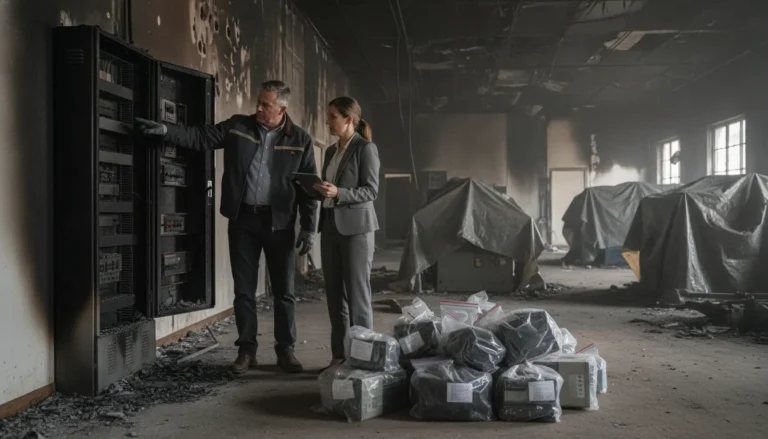
After your office building sustains damage, the insurance adjuster who arrives may seem helpful, but it’s crucial to remember who they work for. Their primary goal is to settle your claim for the lowest possible amount to protect their employer’s profits. This inherent conflict of interest is why so many valid commercial claims are unfairly delayed, underpaid, or denied altogether. You don’t have to accept their assessment as final. This guide explains how to build a strong, evidence-based claim and fight back against unfair tactics. We’ll cover everything you need to know to protect your rights and show you how an experienced office building property damage lawyer Texas can advocate for your best interests and negotiate the settlement you deserve.
Key Takeaways
- Hire a specialist to level the playing field: A commercial property damage lawyer manages the entire claims process for you, from interpreting complex policy language and gathering evidence to negotiating with the insurer, ensuring you are not at a disadvantage.
- Anticipate common insurance company tactics: Be prepared for insurers to use delays, confusing policy interpretations, and low settlement offers to protect their profits. Recognizing these strategies helps you avoid accepting an unfair deal out of frustration.
- Act quickly to protect your claim: Your first steps are critical. Immediately document all damage with photos and videos before making repairs, and contact an attorney early to avoid costly mistakes and preserve your legal rights from the start.
What Does a Commercial Property Damage Lawyer Do?
When your office building sustains damage, you count on your insurance policy to cover the repairs. But what happens when the insurance company delays, underpays, or flat-out denies your claim? This is where a commercial property damage lawyer steps in. Think of them as your dedicated advocate, a professional who manages your claim and fights for the full and fair compensation you are owed. They handle the complex legal and procedural hurdles, from interpreting your policy to negotiating with adjusters, so you can focus on running your business. Their entire purpose is to protect your financial interests and ensure your insurer holds up its end of the bargain.
Defining Their Role
A commercial property damage lawyer is your representative in a dispute against your insurance provider. Their primary goal is to secure the money you need to repair or rebuild after your property suffers damage from events like fires, storms, floods, or vandalism. They manage all aspects of your claim, from documenting losses and communicating with the insurer to filing all necessary legal paperwork. By handling these complex property damage claims, they act as your professional voice, ensuring your rights under the policy are upheld so you can get your business back on its feet.
Why a Specialist Matters
It’s easy to feel at a disadvantage when dealing with a massive insurance company. Their adjusters and legal teams are trained to protect the company’s bottom line, which often means paying out as little as possible. A specialist who handles Fort Worth property insurance claims levels the playing field. They know the tactics insurers use to minimize settlements and can counter them effectively. Having an experienced attorney on your side sends a clear message: you will not accept an unfair offer. This pressure alone is often enough to bring the insurer to the negotiating table with a much more reasonable settlement, protecting your investment and your business’s future.
Common Office Building Damage Claims in Texas
As a Texas business owner, your office building is one of your most significant assets. Protecting it is a top priority, but even with the best preparation, damage can happen. From severe weather to unexpected accidents, various events can threaten your property and disrupt your operations. While you have commercial property insurance for this very reason, filing a claim is often just the first step in a complicated process. Understanding the most common types of damage claims can help you prepare for what’s ahead and recognize when you need professional legal support.
Fire and Smoke Damage
A fire can be catastrophic for any business. The immediate destruction from flames is obvious, but the aftermath often reveals deeper issues. Smoke and soot can permeate every surface, damaging electronics, documents, and inventory while creating toxic air quality. Furthermore, the water and chemicals used by firefighters can cause significant secondary damage. Filing a property insurance claim for fire and smoke requires a detailed assessment of all losses, including structural repairs, content replacement, and business interruption costs. Insurers may dispute the extent of the damage, making a thorough inventory and expert evaluation critical to your recovery.
Water and Flood Damage
Water damage is one of the most frequent issues for commercial property owners in Texas. It can stem from a sudden event like a burst pipe or a slow, hidden leak inside a wall. Severe storms can also cause significant water intrusion through a damaged roof or windows. One of the biggest challenges with water damage is the risk of mold growth, which can begin within 24 to 48 hours and poses serious health risks and requires specialized remediation. It’s important to know that standard commercial policies often exclude flood damage, which requires separate coverage. This distinction can become a major point of contention with your insurer after a major storm.
Storm and Hail Damage
Texas weather is notoriously unpredictable, and severe storms can inflict serious harm on office buildings. High winds can tear off roofing materials, while hail can shatter windows and dent siding, leading to leaks and other structural problems. After a storm, insurance adjusters may try to argue that the damage was pre-existing or resulted from poor maintenance rather than the storm itself. They might also undervalue the cost of repairs, offering a settlement that doesn’t cover the full expense of restoring your property to its original condition. Documenting the damage immediately and getting an independent assessment are key steps in protecting your claim.
Vandalism and Construction Defects
Damage to your office building isn’t always caused by nature. Vandalism, such as broken windows or graffiti, is an intentional act that can be costly to repair and can disrupt your business. Another complex issue is damage from construction defects. These are problems caused by poor workmanship or substandard materials during the building’s construction, like faulty wiring that creates a fire hazard or improper sealing that leads to chronic leaks. Insurers often try to deny these claims by blaming the original contractor, hoping property owners won’t fight back. Proving your case may require expert analysis, which is why having an experienced legal team on your side can make all the difference in achieving successful results.
First Steps to Take After Office Building Damage
The moments after discovering damage to your office building are chaotic. While it’s easy to feel overwhelmed, the actions you take right away are critical for your insurance claim. Following a clear plan helps you protect your property, preserve your rights, and set the stage for a fair recovery. Here’s what to do immediately.
Document the Damage
Before you move anything, grab your phone. Visual evidence is your most powerful tool. Take extensive photos and videos of all affected areas, capturing both wide-angle shots and close-ups of specific damage. If you can see the source, like a burst pipe or hole in the roof, document it. This creates a clear “before” picture for your insurer that is much harder to dispute than memory alone. This proof is essential for demonstrating the full extent of your losses and supporting your claim from the start.
Notify Your Insurer
After documenting, call your insurance company to report the damage and start the claims process. Prompt notification is often a policy requirement, and waiting can jeopardize your claim. Have your policy number ready and stick to the facts of what happened. Avoid speculating on the cause or total cost of the damage. Your only goal on this first call is to officially open a claim and get a claim number. You can provide more detailed information later, after you’ve had time to fully assess the situation.
Secure Your Property
Your insurance policy requires you to take reasonable steps to prevent further damage, which is known as “mitigating your losses.” This means securing the property to stop the situation from getting worse. You might need to board up broken windows, place a tarp over a damaged roof, or call a plumber to stop a leak. These temporary repairs protect your building and show the insurance company you’re acting responsibly. Keep detailed records and receipts for any expenses you incur, as these are often reimbursable.
Call a Property Damage Attorney
Don’t wait for a problem to arise before seeking legal advice. Contacting a Fort Worth property insurance lawyer early can save you from costly mistakes. An experienced attorney can guide you through every step, from communicating with the insurer to documenting your losses correctly. Having a lawyer on your side from the beginning signals to the insurance company that you are serious about receiving a fair settlement. They will take your claim more seriously and are less likely to use delay tactics or offer an unfairly low amount.
Common Hurdles in Commercial Property Claims
After your office building sustains damage, you expect your insurance provider to help you get back on your feet. But the path to a fair settlement is often filled with frustrating obstacles. Insurance companies are for-profit businesses, and their goal is to protect their bottom line, which can put their interests directly at odds with yours. Knowing the common challenges you might face is the first step in preparing to protect your business and stand up for your rights as a policyholder.
Dealing with Insurance Delays
When your business is on the line, every day counts. Unfortunately, insurance companies sometimes use a strategy known as “delay, deny, and defend” to protect their own profits. They might be slow to respond to your calls, take an excessive amount of time to investigate, or repeatedly ask for documents you’ve already sent. These delays aren’t just frustrating; they are a tactic. The longer they draw out the process, the more financial pressure you feel, which might push you to accept a lower settlement out of desperation. An experienced attorney can help hold the insurer accountable to the timelines set in your policy and Texas law, ensuring your claim keeps moving forward through all practice areas of your case.
Fighting Denials and Underpayments
Receiving a denial letter or a shockingly low settlement offer can feel like a second disaster. Insurance companies often deny or undervalue valid claims, hoping that overwhelmed business owners won’t fight back. Remember, the adjuster sent by your insurer is not on your side; their job is to minimize the payout for their employer. They may overlook significant damage, use outdated pricing for materials, or misinterpret your policy to justify their low offer. You don’t have to accept their initial assessment. A Fort Worth property insurance lawyer can bring in independent experts to conduct a thorough evaluation of your damages and fight for the full amount you are owed.
Decoding Complex Policy Language
Commercial property insurance policies are dense, complicated legal documents. They are filled with technical jargon, specific conditions, and confusing exclusions that can be difficult for anyone without a legal background to understand. Insurers can use this complexity to their advantage, pointing to an obscure clause to justify denying or underpaying your claim. Having a lawyer who is fluent in this language can make all the difference. An attorney can review your policy to determine exactly what is covered, counter the insurer’s interpretations, and ensure your claim is handled based on the coverage you paid for. This legal expertise is critical for leveling the playing field.
Preserving Critical Evidence
The strength of your property damage claim rests on the quality of your evidence. Before you clean up or make repairs, it is essential to thoroughly document everything. Collect strong proof by taking clear photos and videos of the damage from every possible angle. Keep a detailed log of every conversation you have with the insurance company, including the date, time, and what was discussed. Save all receipts for any temporary repairs you make to secure the property, like boarding up windows or placing tarps on the roof. This documentation serves as critical proof to support your claim and counter any attempts by the insurer to downplay the extent of your losses.
Why Insurers Deny or Undervalue Commercial Claims
After you file a commercial property damage claim, you expect your insurance company to hold up its end of the bargain. Unfortunately, that doesn’t always happen. Insurers are businesses, and their primary goal is to protect their bottom line, which often means paying out as little as possible. This can lead them to deny valid claims or offer settlements that don’t come close to covering your actual losses. Understanding their playbook is the first step in protecting your own interests and fighting for the full compensation you deserve.
Recognizing Common Denial Tactics
It can be incredibly frustrating when your insurer seems to be looking for any reason to avoid paying your claim. Some common tactics include blaming the damage on “normal wear and tear” or suggesting you failed to properly maintain your property, even when a storm or fire is the clear cause. They might also go silent, failing to return your calls or emails in a timely manner. Another strategy is to offer a settlement that is less than your policy’s deductible, which is essentially a denial in disguise. These are all methods used to wear you down, but recognizing them for what they are can help you stay focused on securing a fair outcome.
What Is Insurance Bad Faith?
When an insurance company acts unfairly or unreasonably while handling your claim, it may be operating in “bad faith.” This isn’t just poor customer service; it’s a violation of their legal duty to you as a policyholder. Examples of bad faith include unnecessarily delaying your claim investigation, misrepresenting the terms of your policy, or pressuring you to accept a lowball offer without a proper explanation. If you suspect your insurer is not treating you fairly, it’s important to know that you have rights. An experienced attorney can help you understand if their actions constitute insurance bad faith and what steps you can take.
Handling Pressure and Lowball Offers
The insurance adjuster assigned to your case works for the insurance company, not for you. Their job is often to settle your claim for the lowest possible amount. Because of this, the first offer you receive is almost always a lowball offer. They might pressure you to accept it quickly, suggesting it’s the best you’re going to get. Don’t fall for it. You have the right to take your time, review the offer, and get a second opinion. Having a skilled property insurance lawyer on your side signals to the insurer that you are serious and won’t be pushed around, often leading to more productive negotiations.
How a Lawyer Strengthens Your Property Damage Claim
When your office building is damaged, you might think filing an insurance claim is straightforward. But the process is often more complex than it seems, and insurance companies have teams of experts working to protect their interests. Hiring a lawyer isn’t about starting a fight; it’s about ensuring you have a professional advocate on your side. An experienced attorney can manage every aspect of your claim, from deciphering your policy to fighting for a fair settlement, allowing you to focus on getting your business back on its feet. They bring a specific set of skills and resources that can make a significant difference in the outcome of your case.
A lawyer acts as your strategist, negotiator, and representative, handling the complicated communications and legal hurdles so you don’t have to. This support is crucial when you’re facing significant financial losses and the pressure to rebuild quickly. Instead of you having to learn insurance law on the fly, your attorney applies years of experience to build a strong, evidence-based claim that the insurance company has to take seriously. They anticipate the insurer’s tactics and prepare a proactive response, putting you in the best possible position from day one.
Interpreting Your Policy Correctly
Commercial insurance policies are dense legal contracts, filled with complex language, exclusions, and conditions that can be difficult to understand. A simple misinterpretation can lead to a denied claim or a settlement that falls far short of what you need. A Fort Worth property insurance lawyer will thoroughly review your policy to determine the full extent of your coverage. They identify every obligation your insurer has and ensure you meet all your duties as the policyholder. This expert analysis prevents the insurance company from using confusing terms or hidden clauses to unfairly limit your payout, setting a strong foundation for your entire claim.
Assessing Damage and Collecting Evidence
Building a successful claim requires more than just a few photos. You need to create a comprehensive and compelling record of your losses, and an attorney knows exactly what evidence will stand up to scrutiny. They guide you in documenting everything, from structural damage to ruined equipment and lost inventory. This includes gathering repair estimates, financial records to prove business interruption, and detailed reports. An experienced lawyer helps you organize this information into a powerful claim package that clearly demonstrates the full value of your losses. This meticulous approach leaves little room for the insurer to dispute the facts or downplay the severity of the damage.
Negotiating with the Insurance Company
Insurance adjusters are skilled negotiators whose job is to settle claims for the lowest amount possible. Going up against them alone puts you at a significant disadvantage. When you have a lawyer representing you, the dynamic changes. The insurance company knows you are serious and have expert legal backing. Your attorney will handle all communications, present your evidence effectively, and counter any lowball offers with strong arguments. Having a professional advocate often encourages insurers to offer a fair settlement more quickly. If they refuse to be reasonable, your lawyer is prepared to push back and fight for the compensation you deserve.
Leveraging Expert Witnesses and Resources
Sometimes, your word isn’t enough to convince an insurer of the true cost of your damages. An established law firm has a network of independent experts who can provide critical support for your claim. Your attorney can bring in structural engineers, public adjusters, contractors, and forensic accountants to conduct their own assessments. These experts provide unbiased reports and testimony that can challenge the insurance company’s findings and validate your losses. This access to credible, third-party resources is invaluable for complex claims, ensuring every aspect of your damage is accurately valued and strongly supported by professional analysis.
The Financial Risks of Handling a Claim Alone
When your office building is damaged, you might think handling the insurance claim yourself will save money. While it seems straightforward, this approach often leads to significant financial risks. Insurance companies have teams of experts working to protect their bottom line, and going it alone can leave you at a major disadvantage. They are not on your side. Here are the specific financial pitfalls you might face when you manage a complex commercial claim without professional guidance.
Risking a Low Settlement
Your insurance provider is a business, and its primary goal is to minimize payouts. Adjusters often use a “delay, deny, and defend” strategy, hoping you’ll grow frustrated and accept a quick, low settlement that barely covers the most obvious repairs. This initial offer rarely accounts for the full extent of the damage or the long-term costs of restoration. An experienced Fort Worth property insurance lawyer understands these tactics and knows how to counter them. They work to ensure the settlement reflects the true cost of restoring your property, not just the number that benefits the insurer.
Facing High Out-of-Pocket Costs
An undervalued claim forces you to pay for necessary repairs out of your own pocket. If your settlement doesn’t cover the full scope of damage, including hidden issues like structural weakness or potential mold, you’re responsible for those future costs. A thorough claim must account for everything from debris removal and construction to replacing damaged equipment and meeting current building codes. Without a legal advocate to build a comprehensive, evidence-backed claim, you risk being left with a financial burden your policy was meant to prevent. An attorney ensures all potential expenses are documented and included.
Losing Rental Income
Damage to your office building doesn’t just create repair bills; it can halt your rental income. If tenants must relocate during repairs, you lose revenue every day the property is unusable. This is known as “loss of use” or business interruption, and your policy may cover it. However, this is often one of the most complex parts of a claim to prove. A skilled attorney will help you meticulously document this lost income and fight to include it in your final settlement, a critical step that property owners often miss. This is a key part of the comprehensive legal representation needed to make you whole.
Choosing the Right Texas Property Damage Attorney
Finding the right legal partner after your office building has been damaged can feel like another overwhelming task on a very long list. But making a thoughtful choice here is one of the most important steps you can take to protect your investment. You need more than just any lawyer; you need an advocate who specializes in Texas property insurance law and has a deep understanding of the tactics insurance companies use in commercial claims. The right attorney will not only level the playing field but also manage the legal complexities so you can focus on your business.
When you start your search, focus on a few key areas to ensure you’re hiring a true expert. You’re looking for someone with specialized credentials, a history of success in cases like yours, and a transparent fee structure that works for you. Taking the time to vet your options will give you confidence that your claim is in capable hands.
Look for Board Certification and Experience
When you’re reviewing potential attorneys, one of the strongest credentials to look for is board certification. In Texas, being Board Certified in Personal Injury Trial Law, for example, means an attorney has demonstrated substantial, specialized experience and has been tested at a high level. This isn’t just another line on a resume; it’s a mark of proven expertise. An attorney like Tim Hoch brings this level of distinction to your case.
An experienced property damage lawyer also understands how to accurately calculate the full value of your losses. They work with a network of trusted experts like public adjusters, engineers, and contractors to build a comprehensive claim that leaves no detail overlooked, ensuring you demand the full amount you are owed.
Verify Their Track Record
Experience is one thing, but a history of success is another. Before you commit, do a little homework on the attorney’s past performance. A reputable law firm should be transparent about its case history. Look for a website with a page that showcases their proven results so you can see how they’ve helped other business owners in similar situations.
Having a lawyer with a strong track record often encourages insurance companies to take your claim more seriously from the start. They know they’re dealing with a professional who won’t back down and is prepared to take a case to trial if necessary. This alone can shift the dynamic in your favor and lead to a fair settlement without a prolonged court battle.
Understand Their Fee Structure
Worries about legal fees shouldn’t stop you from getting the help you need. Most reputable property damage attorneys in Texas work on a contingency fee basis. This arrangement is straightforward: you don’t pay any upfront fees, retainers, or hourly bills. The attorney’s fee is a percentage of the money they successfully recover for you. If they don’t win your case, you don’t owe them a legal fee.
This model aligns your interests with your attorney’s. They are motivated to secure the maximum possible settlement for you. It also makes top-tier legal representation accessible to business owners who are already facing significant financial strain from property damage and business interruption. When you first speak with an attorney, make sure they clearly explain their fee structure so you know exactly what to expect.
When to Call a Property Damage Lawyer
Knowing the right moment to bring in a legal professional can make all the difference in your property damage claim. While you might hope your insurance company will handle things fairly, it’s smart to be prepared. Here are the key moments when you should seriously consider calling an attorney.
Why Timing Is Critical
After your property is damaged, the clock starts ticking. Evidence is freshest right after an event, but it can disappear quickly as clean-up begins or weather conditions change. Acting promptly helps preserve crucial details that can strengthen your claim. Waiting too long can weaken your position and even put you at risk of missing legal deadlines to file a lawsuit in Texas. An experienced Fort Worth property insurance lawyer can step in immediately to document everything, communicate with the insurer on your behalf, and ensure your rights are protected from day one. Don’t wait until the situation becomes complicated; getting ahead of potential issues is always the best strategy.
Red Flags That You Need a Lawyer
Insurance companies are businesses, and sometimes their goal is to pay out as little as possible. They might use a “delay, deny, defend” strategy, hoping you’ll get frustrated and accept a low offer or give up. It’s time to call a lawyer if you notice any of these red flags: your insurer is delaying the process without a good reason, your claim is denied with a vague explanation, or the settlement offer is far too low to cover your repairs. You should also be wary if the adjuster pressures you to sign documents quickly or suggests you don’t need your own estimates. These tactics can be signs of bad faith, and having a seasoned trial lawyer like Tim Hoch on your side sends a clear message that you won’t be taken advantage of.
Related Articles
- Commercial Property Insurance Claims Attorney | Hoch Law Firm, PC
- Property Insurance Claims Disputes – Hoch Law Firm, PC
- Wear and Tear Exclusions in Property Insurance Claims Law
- Denied Commercial Property Claim? Your Next Steps
Frequently Asked Questions
Should I wait for my insurance company to make an offer before calling a lawyer? It’s best not to wait. Contacting an attorney early in the process helps you avoid common mistakes that can weaken your claim later. A lawyer can guide you on how to properly document damage and communicate with your insurer from the very beginning. Having professional representation from the start signals to the insurance company that you are serious about a fair outcome and can prevent them from using delay tactics or making an unreasonably low initial offer.
How can I afford an attorney when my business is already losing money from the damage? This is a very common concern, which is why most reputable property damage lawyers work on a contingency fee basis. This means you don’t pay any upfront costs or hourly rates. The attorney’s fee is a percentage of the settlement they successfully recover for you. If you don’t get paid, they don’t get paid. This structure makes expert legal help accessible and ensures your lawyer is motivated to get you the best possible result.
What if my insurer blames the damage on poor maintenance or pre-existing issues? This is a frequent tactic used to deny or reduce a claim. An experienced attorney knows how to challenge these arguments effectively. They can bring in independent experts, like engineers or contractors, to provide a professional assessment that proves the damage was caused by a covered event, such as a storm or fire, and not by a lack of upkeep. This expert evidence is crucial for refuting the insurer’s claims and protecting your right to compensation.
My insurance adjuster seems friendly and helpful. Do I still need a lawyer? Even the most personable adjuster works for the insurance company, not for you. Their job is to protect their employer’s financial interests, which often means settling your claim for the lowest possible amount. While they may be pleasant to work with, their goals are not aligned with yours. A lawyer acts as your exclusive advocate, ensuring your rights are protected and that you are negotiating on a level playing field.
What’s the main advantage of hiring a lawyer who is Board Certified? Board Certification is a mark of true expertise. In Texas, it means an attorney has demonstrated extensive, specialized experience in a particular area of law and has passed a rigorous exam. For you, this credential provides confidence that your lawyer has a proven, high-level understanding of trial law and the complexities of insurance disputes. It shows they have a deep commitment to their practice and have been recognized by their peers for their skill.