The greatest financial damage from a fire often happens long after the flames are extinguished. It occurs during the claims process, where simple, avoidable mistakes can cost you tens of thousands, or even millions, of dollars. Accepting the first lowball offer, submitting incomplete documentation, or saying the wrong thing to an adjuster can seriously jeopardize your ability to rebuild. The insurance company is counting on you to be overwhelmed and unprepared. This guide is your defense. We’ll walk you through the common pitfalls and show you how to build an undeniable warehouse fire damage claim that stands up to scrutiny and secures the funds you need to get back on your feet.
Key Takeaways
- Your first moves matter most: In the initial 48 hours, focus on securing the property to prevent further loss, notifying your insurance company immediately, and documenting the scene with photos and videos before anything is moved.
- Build an undeniable case for your losses: The responsibility to prove what you lost falls on you. Create a powerful claim by compiling an exhaustive, itemized inventory of every damaged item and backing it up with all relevant financial records.
- Treat the first settlement offer as a starting point: Insurance companies often begin negotiations with a low offer. Be prepared to counter their valuation, and don’t hesitate to consult an attorney if the claim is complex or you feel the insurer is acting unfairly.
What Should You Do Immediately After a Warehouse Fire?
The moments after a fire are overwhelming. Once you’ve confirmed everyone is safe, your focus will shift to the damage and what comes next. The steps you take in the first 24 to 48 hours are critical and can significantly influence the outcome of your insurance claim. Acting quickly and methodically can protect your business and set the stage for a successful recovery. Think of this as your immediate action plan to get control of a chaotic situation.
Prioritize Safety and Secure the Property
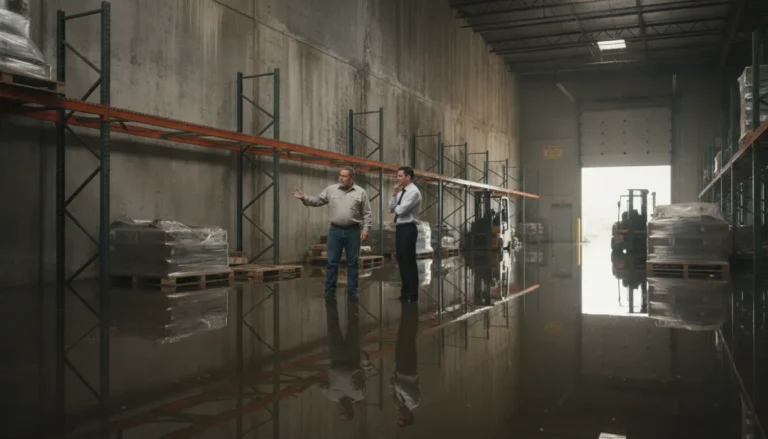
Your first priority is always the well-being of your employees and anyone else on the premises. After the fire department has cleared the building, you need to secure the property to prevent further damage or liability issues like theft or vandalism. This might involve boarding up broken windows and doors or putting up temporary fencing. Taking these reasonable steps shows your insurance company that you are acting responsibly to mitigate further loss. It’s a crucial first move in a long process, and it’s important to get it right before you even begin to assess the full extent of the property damage.
Notify Your Insurance Company
Contact your insurance agent or carrier as soon as possible, ideally within 24 hours of the fire. When you call, stick to the facts: your name, policy number, the location of the warehouse, and the date and time the fire occurred. You don’t need to have all the answers right away. Avoid speculating on the cause of the fire or the total cost of the damage. The goal of this initial call is simply to report the loss and officially begin the claims process. This notification is a requirement of your policy and gets the process started for an adjuster to be assigned to your case.
Start Documenting Everything
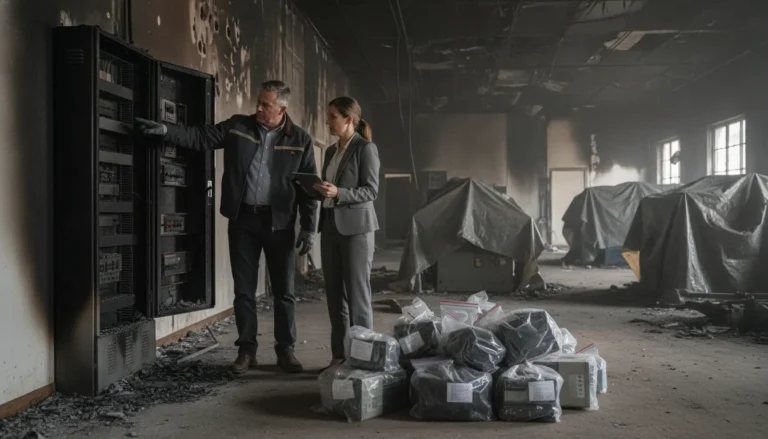
Before you move, clean, or throw anything away, document everything. Use your phone to take extensive photos and videos of the damage from every possible angle. Capture the structural damage, soot and smoke residue, and any damaged equipment, inventory, or supplies. The more visual evidence you have, the better. Next, begin creating a detailed list of every single item that was damaged or destroyed. For each item, note what it was, when you bought it, and its original cost. This is a tedious task, but failing to provide thorough documentation is one of the biggest mistakes business owners make. This initial inventory will become the foundation of your insurance claim.
Understanding Your Coverage: What Damages Qualify?
After a fire, figuring out what your insurance policy actually covers can feel like trying to read a foreign language. Commercial policies are dense, but they generally cover four main categories of loss. Knowing what qualifies as a covered damage is the first step toward building a comprehensive claim and getting the resources you need to rebuild. Your specific coverage will depend on your policy’s details, but most Texas business owners will find that their losses fall into the following areas.
Damage to the Building Itself
The most visible damage, of course, is to the warehouse structure. This includes the roof, walls, floors, and foundational systems like plumbing and electrical wiring. Beyond the obvious fire and smoke damage, your policy should also cover damage from the water used to extinguish the blaze. Don’t forget to account for the cost of debris removal, which can be surprisingly expensive. A thorough property insurance lawyer can help you interpret your policy’s language on structural repairs, ensuring you understand whether you’re entitled to the full replacement cost or the depreciated actual cash value of the damaged property.
Lost Inventory and Goods
Your warehouse wasn’t just a building; it was filled with your products, raw materials, and supplies. All of these items fall under the category of “business personal property.” To claim these losses, you’ll need to create a detailed inventory of everything that was destroyed or damaged. For each item, list what it was, when you bought it, and what it cost. This is your responsibility to prove, so be as thorough as possible. Taking photos and videos of the damage is crucial, but a well-organized spreadsheet will be the backbone of your inventory claim.
Damaged Equipment and Machinery
From forklifts and packing machines to computer systems and office furniture, the equipment that keeps your business running represents a massive investment. When this machinery is damaged by fire, smoke, or water, the financial hit can be devastating. Insurance companies may argue about whether an item can be repaired instead of replaced or dispute the true cost of a specialized piece of equipment. It’s important to get your own expert assessments to counter their adjuster’s valuation. Understanding your rights across all practice areas of property law is key to ensuring you don’t accept an unfair offer for these critical assets.
Business Interruption and Lost Income
A fire doesn’t just destroy property; it stops your business in its tracks. This is where business interruption coverage comes in. This essential part of your policy is designed to replace the income you lose while your operations are suspended. It can also cover ongoing expenses that don’t stop just because you’ve closed your doors, such as rent, employee payroll, and taxes. Calculating these losses requires careful review of your financial records, including past profit and loss statements and future projections. This part of a claim is often complex, but it is absolutely vital for your company’s survival and recovery.
How to Document Your Losses for a Stronger Claim
After a fire, your primary job is to prove the extent of your losses to the insurance company. The strength of your warehouse fire damage claim rests almost entirely on the quality of your documentation. A detailed and organized record is your most powerful tool for securing a fair settlement. Vague descriptions or incomplete lists give the insurer an opportunity to question, delay, or underpay your claim. Taking a methodical approach from the very beginning will set you up for a much smoother process and a better outcome.
Take Detailed Photos and Videos
Your phone is one of the most important tools you have right now. Failing to provide thorough and detailed documentation can seriously hurt your claim, as many property owners take a few rushed photos but neglect to capture the full extent of the damage. Go beyond quick snapshots. Take extensive videos of the entire property, walking through each area and narrating what you see. Capture wide-angle shots to show the overall scene, then zoom in for close-ups of specific damage to equipment, inventory, and the building itself. Remember to document less obvious things like smoke, soot, and water damage from firefighting efforts. There is no such thing as too much visual evidence. This record helps a Fort Worth property insurance lawyer build a strong case on your behalf.
Create an Itemized List of Lost Property
An itemized list of lost property is crucial for a successful claim. This task can feel overwhelming, but it’s essential for recovering the full value of your business contents. Open a spreadsheet and create a comprehensive inventory of everything that was damaged or destroyed. For each item, include a detailed description, the brand and model number, the date you purchased it, and what it cost. If you don’t have receipts for everything, use old photos, bank statements, or online listings to help reconstruct your inventory. This detailed list removes guesswork and provides the adjuster with a clear, factual basis for your claim, making it much harder for them to dispute the value of your losses.
Gather All Relevant Paperwork
Your photos and itemized list need a paper trail to back them up. Start gathering every document that can help prove ownership and value. This includes original purchase receipts, invoices, and credit card or bank statements for your inventory and equipment. Find any equipment manuals, warranties, or professional appraisals you might have. You should also keep all receipts for any money you spend related to the fire, such as for temporary repairs, storage, or other immediate expenses. If your policy includes business interruption coverage, you will also need financial records like profit and loss statements and tax returns. Having this paperwork organized makes the claims process more efficient and supports all the different practice areas of your claim.
Common Roadblocks in the Warehouse Fire Claim Process
Filing a warehouse fire claim should be a straightforward process, but unfortunately, it often isn’t. After the trauma of a fire, the last thing you want is a fight with your insurance company. However, it’s important to remember that insurance carriers are businesses, and their goal is to protect their bottom line. This means every claim is viewed through a financial lens, which can lead to frustrating roadblocks designed to minimize their payout. You might face unexpected delays, confusing questions about your policy, or a settlement offer that doesn’t come close to covering your actual losses.
Getting through this process requires patience and persistence. Insurance companies may question the cause of the fire, the value of your lost inventory, or the cost of necessary repairs. They have teams of adjusters and lawyers working to protect their interests, which can feel incredibly intimidating when you’re just trying to get your business back on its feet. Understanding these potential hurdles ahead of time is the best way to prepare. Knowing what to expect can help you stay organized, stand firm in your negotiations, and recognize when you might need to seek help from an experienced Fort Worth property insurance lawyer to advocate for your rights.
Dealing with Delays and Denials
It’s a frustrating reality that insurance companies sometimes delay or deny valid claims. A delay can be a tactic to wear you down, hoping you’ll eventually accept a lower settlement out of sheer exhaustion. A denial might come with an accusation that you failed to meet a policy condition or, in more serious cases, an insinuation of arson. They may also dispute the extent of the damage, claiming that certain repairs aren’t necessary. These tactics are designed to save the insurance company money, but they can put your business’s future at risk. It’s crucial to respond to all requests for information promptly and keep detailed records of every interaction to counter any unfair delays.
Fighting an Unfairly Low Offer
One of the most common hurdles you’ll face is receiving a low settlement offer. After you’ve spent weeks or months documenting your losses, getting an offer that barely covers a fraction of the cost can feel like a slap in the face. Don’t get discouraged, and definitely don’t accept it right away. The first offer is almost always a starting point for negotiations. Many business owners assume their commercial policy will cover everything, but insurers often undervalue property and equipment to reduce their payout. You have the right to reject their offer and present a counter-offer supported by your own evidence and estimates. Our firm’s past results show that challenging an initial offer is often necessary to secure fair compensation.
Making Sense of Complex Policy Language
Insurance policies are dense legal documents filled with jargon, exclusions, and specific conditions that can be difficult to understand. A simple misinterpretation of a clause could lead you to make a mistake that jeopardizes your entire claim. For example, your policy might have specific requirements for how you must document and report your losses, and failing to follow them perfectly could give the insurer a reason to deny your claim. Taking the time to read your policy carefully is essential, but it’s easy to get lost in the fine print. This complexity is often where policyholders run into trouble, as a small oversight can have significant financial consequences.
How to Calculate the Full Cost of Your Fire Damage
After a fire, it’s easy to focus on the charred walls and ruined inventory, but the true financial impact runs much deeper. To get the settlement you deserve, you need to account for every single loss, both immediate and long-term. This means looking beyond the obvious physical destruction to calculate the hidden costs that can cripple your business if overlooked.
A comprehensive calculation includes the direct cost to repair or replace your property, the income you lose while your operations are down, and the extra expenses you incur just to keep things afloat. Each of these categories requires careful documentation and a clear understanding of your commercial insurance policy. Don’t leave money on the table by underestimating the total cost of your recovery. A thorough and detailed calculation is the foundation of a strong property insurance claim. Insurers will scrutinize every line item, so presenting a well-supported, comprehensive figure from the start shows them you are serious and prepared. It shifts the conversation from what they think they should pay to what your business has actually lost.
Assess the Direct Damage to Your Property
First, let’s tackle the tangible losses. This includes the cost to repair or rebuild the warehouse structure itself, replace damaged machinery and equipment, and account for all lost inventory. Failing to provide thorough and detailed documentation can seriously hurt your claim. Many property owners take a few rushed photos but neglect to document all aspects of the damage. Go beyond a quick walkthrough; create an exhaustive, itemized list of every single thing that was damaged or destroyed, from forklifts and conveyor belts to computers and office furniture. For each item, note its description, age, original cost, and estimated replacement cost. This detailed inventory will be crucial when negotiating with your insurer.
Calculate Lost Revenue and Ongoing Expenses
A fire doesn’t just damage your property; it halts your business. When a warehouse is damaged, it can stop your operations, hurt customer service, and reduce profits. Your claim should include a calculation for this lost income, often covered under a “business interruption” clause in your policy. To do this, you’ll need to project the revenue you would have earned had the fire not occurred, using historical sales data and financial statements. At the same time, you must account for continuing expenses that don’t stop, like payroll, rent or mortgage payments, and insurance premiums. These ongoing costs are a critical part of your claim and demonstrate the full financial strain of the interruption.
Factor in Extra Operational Costs
In the aftermath of a fire, you’ll face a wave of unexpected expenses needed to secure your property and manage the crisis. You must take steps to prevent more damage, like tarping a damaged roof or drying out water left by firefighters. Your policy should cover these mitigation costs. Other extra expenses might include renting temporary storage for salvaged inventory, hiring a security service to protect the site from theft, or setting up a temporary office to manage communications. Keep meticulous records and receipts for every dollar you spend on these necessary actions. These extra operational costs are a legitimate part of your recovery and should be included in your final claim submission.
Costly Mistakes to Avoid in Your Fire Damage Claim
After a fire, you’re under immense pressure to get your business back on its feet. This stress can lead to simple mistakes that cost you thousands, or even millions, in your insurance settlement. The insurance company has a team of experts working to protect their interests, and a few common missteps can give them the leverage they need to underpay your claim. By understanding these pitfalls ahead of time, you can protect your business and ensure you have the resources you need to rebuild. Let’s walk through the most critical errors to avoid.
Submitting Incomplete or Poor Documentation
One of the fastest ways to weaken your claim is by providing poor or incomplete documentation. It’s easy to snap a few photos on your phone and think you’re covered, but that’s rarely enough. The burden is on you to prove the full extent of your losses, and that requires a detailed and organized approach. Think of it as building a case; every piece of evidence matters. You need to document everything from structural damage and ruined machinery to smoke-damaged inventory. Failing to create a comprehensive record gives the insurer an easy reason to question the value of your losses and reduce your payout. Thoroughly documenting your claim is the foundation for handling complex property insurance disputes.
Accepting the First Offer You Get
When the insurance company sends its first settlement offer, it can feel like a lifeline. You’re eager to start repairs and move forward, so accepting it seems like the quickest path. However, this is almost always a mistake. The initial offer is rarely the best one; it’s a starting point for negotiations. Insurers know you’re in a vulnerable position and often present a lowball figure, hoping you’ll take it without question. Don’t fall into this trap. Take time to review the offer carefully with an expert and compare it against your own detailed assessment of the damages. Remember, you have the right to negotiate for a fair settlement that truly covers your losses. Pushing back can often achieve better results.
Communicating Ineffectively with Your Insurer
How you communicate with your insurance adjuster matters immensely. It’s crucial to remember that the adjuster works for the insurance company, not for you. Their primary goal is to resolve the claim while minimizing the payout for their employer. Anything you say can be recorded and potentially used to justify a lower settlement. Avoid making casual statements, speculating on the cause of the fire, or downplaying the damage. Keep your communication professional, factual, and in writing whenever possible to create a clear record. An offhand comment like “it’s not as bad as it looks” could be twisted to argue your losses are minor. Having an experienced trial lawyer handle these conversations can prevent costly missteps.
Should You Hire a Public Adjuster?
After a warehouse fire, you’ll quickly meet the adjuster from your insurance company. It’s important to remember that they work for the insurer, and their job is to evaluate the claim from their employer’s perspective. A public adjuster, on the other hand, is an independent professional you can hire to work exclusively for you.
Think of them as your advocate in the claims process. They manage the assessment, documentation, and negotiation of your claim to help you secure a fair settlement. For many business owners dealing with the chaos of a fire, bringing in a professional can provide much-needed support and expertise. They can be a valuable asset, especially when you’re facing a significant and complex loss.
Their Expertise in Policy Language
Commercial insurance policies are notoriously complex. They are dense legal contracts filled with specific definitions, conditions, and exclusions that can be difficult to understand. A public adjuster is fluent in this language. They know how to read your policy to identify every bit of coverage you’re entitled to, including things you might easily overlook. Their job is to interpret the fine print in your favor and ensure the insurance company honors its obligations. This expertise is critical when handling complex property insurance claims where a single misunderstood clause could cost you thousands.
Their Role in Maximizing Your Settlement
A public adjuster’s primary goal is to make sure you receive the maximum payout you deserve. They are trained to find all the hidden damage that isn’t immediately obvious, from smoke and soot contamination in your ventilation systems to water damage from firefighting efforts. They will meticulously document every loss, from the building’s structure to your inventory and equipment, and prepare a detailed claim package for the insurer. By building a comprehensive and thoroughly supported claim, they position you to recover a truly fair settlement that accurately reflects the full scope of your damages, not just the amount the insurance company initially offers.
Their Skill in Insurance Negotiations
Dealing with an insurance company can feel like an uphill battle. Their adjusters and representatives are skilled negotiators, and you shouldn’t have to face them alone. A public adjuster levels the playing field by handling all the communication and negotiation on your behalf. They present your detailed claim and argue for its full value, pushing back against lowball offers or unfair denials. Having an expert negotiator in your corner not only saves you an immense amount of time and stress but also significantly improves your chances of resolving the claim favorably. This is especially helpful in complicated insurance disputes where the stakes are high.
When Is It Time to Call a Lawyer?
While a public adjuster can be a huge asset, some situations require the expertise and authority of a legal professional. An experienced attorney can step in when negotiations stall, when your insurer isn’t playing by the rules, or when the stakes are simply too high to leave to chance. Knowing the signs that you need legal backup can save you from a drawn-out, frustrating process and a settlement that falls short of what you’re owed.
If You Suspect Your Insurer Is Acting in Bad Faith
Your insurance company has a legal duty to handle your claim fairly and promptly. If you feel they are intentionally delaying the process, using deceptive tactics, or denying your claim without a valid reason, you may be dealing with insurance bad faith. Insurers sometimes deny or underpay fire claims simply to protect their bottom line. An attorney can hold them accountable for these actions. If your provider is giving you the runaround or presenting an offer that feels completely unreasonable, it’s time to seek legal advice from a Fort Worth property insurance lawyer who can protect your rights.
When Your Commercial Claim Gets Complicated
Warehouse fire claims are rarely simple. Calculating the full extent of your losses, from the structure itself to business interruption and lost income, involves a lot of moving parts. Settling a commercial property claim requires diligence and a deep understanding of policy language. When your claim involves significant financial losses or complex factors, an attorney can ensure every detail is accounted for. They can manage the intricate documentation and negotiations, allowing you to focus on getting your business back on its feet. This is especially true for the various business litigation matters that can arise from a major loss.
To Fully Protect Your Rights and Interests
The insurance company has a team of adjusters and lawyers working to protect its interests, not yours. Hiring your own attorney levels the playing field. A lawyer works exclusively for you, the policyholder. Their job is to advocate for your best interests, interpret the fine print of your policy, and fight for the maximum compensation you deserve. Having a legal expert like Board Certified trial lawyer Tim Hoch on your side sends a clear message to the insurer that you are serious about receiving a fair settlement and are prepared to take action if they fail to provide one.
Related Articles
- 5 Ways an Apartment Fire Attorney Can Help
- Why Hire a Commercial Property Fire Damage Attorney?
- Fort Worth Commercial Fire Damage Attorney: Maximize Your Claim
- Why Hire a Contingency Lawyer for Commercial Fire Claim?
- How a Denton Business Property Damage Lawyer Helps You
Frequently Asked Questions
How long do I have to file my warehouse fire claim in Texas? You should notify your insurance company of the fire immediately, preferably within 24 hours. This initial notice gets the process started. Your policy will specify the formal deadline for submitting your complete, documented claim, but it’s best not to wait. The sooner you provide a detailed inventory of your losses, the sooner you can begin negotiations. Acting with urgency shows the insurer you are serious about your recovery.
What if I don’t have receipts for all my lost inventory and equipment? It’s completely normal not to have a receipt for every single item, so don’t worry. You can rebuild your inventory list using other proof. Gather bank and credit card statements, purchase orders, vendor invoices, and even old photos or videos of your warehouse that show the items in place. For equipment, you can often find manuals or warranty information. The goal is to create a credible and detailed list using all the evidence available to you.
My insurer’s offer seems way too low. What are my next steps? Never accept the first offer without a careful review. Think of it as the starting point for a negotiation. Your next step is to respond in writing, asking the adjuster to provide a detailed breakdown of how they calculated that amount. Compare their assessment against your own documentation. If they have undervalued items or missed damages, you can present a counter-offer supported by your evidence, like repair estimates from your own contractors or appraisals for specialized machinery.
What should I do if the insurance company starts suggesting the fire was my fault? If an adjuster or investigator begins to imply that you are responsible for the fire, you should stop communicating with them and contact an attorney right away. This is a serious red flag and a common tactic used to lay the groundwork for denying a claim. A lawyer can take over all communications to protect your rights and prevent you from saying anything that could be used against you.
Do I need to hire a public adjuster before I can talk to a lawyer? No, you can consult with a lawyer at any stage of the process, with or without a public adjuster. While public adjusters are experts at documenting damage, a lawyer is essential when you face legal hurdles like a claim denial, accusations of bad faith, or an insurer that refuses to negotiate fairly. An attorney can advise you on the best strategy, which may include bringing in a public adjuster to help build the strongest possible case.