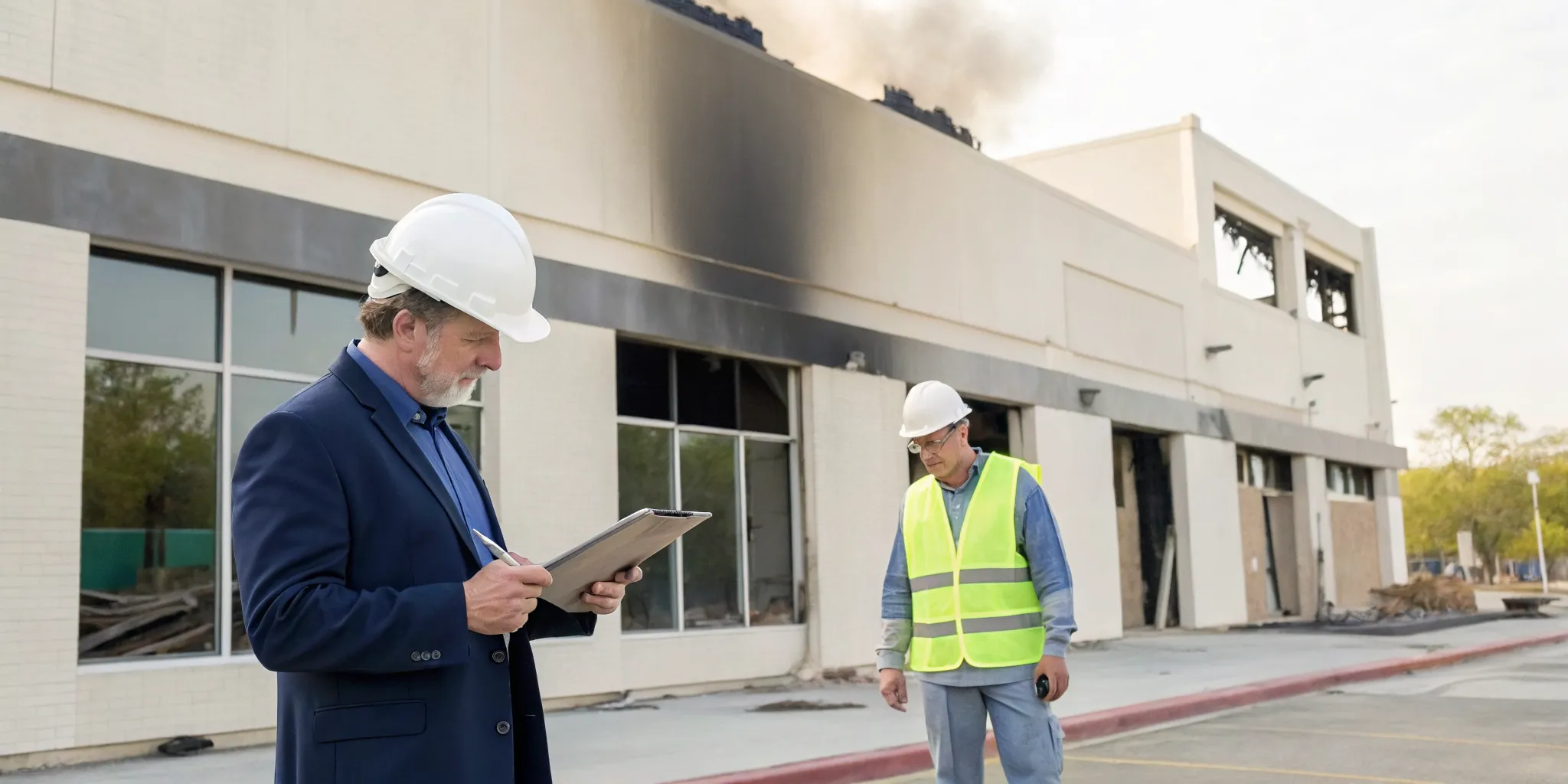
The moments after the fire trucks leave are disorienting. Your focus is split between the safety of your team and the future of your company. While you deal with the immediate crisis, your insurance company is already starting its own process, one that doesn’t always align with your best interests. To protect your Texas business, you need a plan. Knowing what to do after a commercial property fire empowers you to take control of the situation, gather the right evidence, and communicate effectively with your insurer. This article provides a practical checklist to guide your actions, helping you avoid common mistakes and build the strongest possible case for a full and fair settlement.
Key Takeaways
- Prioritize Safety and Start Your Paper Trail: Your first actions should be confirming everyone is safe, securing the property, and making two critical calls: one to the fire department for an official report and another to your insurance company to initiate your claim.
- Document Everything Before You Clean Anything: Your strongest tool for a fair settlement is evidence. Use your phone to take extensive photos and videos of the damage and create a detailed list of all lost items before any cleanup begins.
- Assemble Your Professional Recovery Team: You don’t have to manage recovery alone. Hire certified restoration experts for safe cleanup and repairs, and consider consulting a property insurance attorney if you face claim delays, denials, or unfair settlement offers.
First Steps: Safety and Emergency Response
The moments immediately following a fire at your commercial property are chaotic and overwhelming. You’ll need to make important, and often expensive, decisions very quickly. Taking the right steps from the very beginning can protect your team, secure your assets, and lay the groundwork for a successful insurance claim and recovery. Your first priorities are always safety and communication. Before you can even think about rebuilding, you need to manage the immediate aftermath with a clear head. This means ensuring everyone is safe, contacting the right authorities, mitigating further damage, and officially starting the claims process with your insurer.
It’s easy to feel paralyzed, but a simple checklist can guide your actions. The goal is to stabilize the situation and prevent any more harm to people or property. Remember, the building and its contents can be replaced, but people cannot. Once the immediate danger is managed, you can shift your focus to documenting the damage and beginning the long road to recovery. These initial actions are foundational; they set the tone for your entire insurance claim and your business’s future. Acting methodically now will help you avoid critical mistakes that could complicate your claim later. This is the time to be deliberate, even when everything feels urgent.
Ensure Everyone’s Safety and Secure the Property
Your first and most important job is to confirm that everyone is safe. Account for all employees, customers, and any other individuals who were on the premises. Once you’ve confirmed everyone is out of harm’s way, you need to secure the property. This prevents unauthorized entry, which could lead to injuries or theft, and it preserves the scene for investigators from the fire department and your insurance company. Do not attempt to re-enter the building until it has been declared safe by the authorities. The cleanup and restoration process requires professionals who have the right protective gear and specialized equipment to handle smoke, soot, and other hazards safely.
Contact Emergency Services
Even if the flames appear to be out, call 911 immediately. The fire department needs to inspect the property to ensure the fire is completely extinguished and there are no remaining hotspots that could reignite. They will also determine when it is safe to re-enter the building. Once they complete their work, they will issue a fire report. This official document is critical, as it details the incident and will be one of the first things your insurance company asks for when you file a claim. Make sure you request a copy of this report as soon as it becomes available.
Shut Off Utilities and Assess Safety Hazards
A fire can severely damage your property’s essential systems. To prevent further danger like electrical shocks or gas leaks, you must shut off all utilities. This includes gas, electricity, and water lines. If you aren’t sure how to do this safely or can’t access the shut-off valves, contact your local utility companies for emergency assistance. They can dispatch a technician to handle it for you. Be aware of other potential safety hazards, such as a weakened roof, unstable walls, or standing water from firefighting efforts, which can pose a serious risk to anyone nearby.
Notify Your Insurance Company
As soon as the immediate danger has passed, contact your insurance agent or carrier to report the fire. Most policies require you to provide prompt notice of loss. When you call, be ready to provide the date and time of the fire, the location of the property, and a general description of the damage. This call officially starts the claims process. Your insurer will assign an adjuster to your case and explain the next steps. This is the beginning of a complex process, and if you feel overwhelmed, remember that a property insurance lawyer can help you manage your claim from the start.
How to Document Damage for Your Insurance Claim
Strong documentation helps show the cause, scope, and financial impact of a commercial fire. Start the claim file as soon as it is safe to do so, and preserve both visual evidence and business records. Your policy and the facts of the loss determine what the insurer may require, so keep originals and submit copies when possible.
Commercial Fire Claim Documentation Checklist
- Your complete insurance policy, declarations, endorsements, and claim number
- The official fire department or incident report, when available
- Date-stamped wide-angle and close-up photos, plus a narrated video walkthrough, taken before cleanup when safe
- A room-by-room inventory of damaged building components, equipment, furnishings, stock, and supplies, including model numbers and purchase records when available
- Samples or preserved damaged items until the insurer authorizes disposal in writing
- Emergency mitigation, temporary repair, restoration, and contractor estimates, invoices, and receipts
- A communication log with the insurer, adjuster, contractors, and experts, including dates, names, and summaries
- Copies of every notice, proof-of-loss form, estimate, request, and submission sent to or received from the insurer
- Business-interruption records, when applicable, such as profit-and-loss statements, tax returns, payroll, sales records, ongoing expenses, extra expenses, and temporary-location costs
- A running timeline of inspections, requests, deadlines, payments, and unresolved claim issues
Keep the file organized by category and date so you can quickly respond to requests and identify missing or disputed items. If the carrier delays, denies, or underpays the claim, a fire damage insurance claim lawyer for Texas businesses can review the policy, documentation, and insurer’s position. Hoch Law Firm represents policyholders and offers direct access to Board Certified trial lawyer Tim Hoch.
This checklist is general information, not legal advice. Required documentation and available coverage depend on the policy and the facts of the loss.
What Professional Restoration Services Do You Need?
After the fire is out and the property is secure, the path to recovery begins. This isn’t a journey you should take alone. The damage from a fire is complex, often involving more than what you can see. Bringing in a team of certified professionals is essential for a safe and thorough restoration. These experts have the right tools and training to handle everything from structural assessments to lingering smoke odors. Working with them not only ensures the job is done correctly but also helps you build a strong case for your property insurance claim. They provide the detailed reports and estimates that insurance companies require, making the entire process smoother and more effective.
Find a Certified Restoration Contractor
Your first call should be to a certified and reputable restoration contractor. Think of them as the project manager for your property’s recovery. They can assess the full scope of the damage, including issues that aren’t immediately obvious, like compromised structural safety and poor air quality. A certified contractor will create a detailed plan of action, coordinate various specialized crews, and provide the crucial documentation you’ll need for your insurance company. They are your most important partner in ensuring your business space is returned to a safe, pre-loss condition, and their expertise is invaluable when navigating the claims process.
Manage Debris Cleanup and Removal
While you might be tempted to start clearing debris yourself, it’s best to wait for professionals. Beyond taking photos for your claim, you should avoid disturbing the scene. Fire-damaged materials can be hazardous, and improper handling can make things worse or even jeopardize your safety. Restoration crews are trained to safely manage debris cleanup and removal, using the proper personal protective equipment (PPE) and disposal methods. While you can take temporary steps to prevent further damage, like boarding up windows, the heavy lifting and detailed cleanup should always be left to the experts.
Address Smoke and Odor Removal
The smell of smoke can linger long after the fire is gone, embedding itself into walls, furniture, and ventilation systems. This isn’t just unpleasant; it can also be a health hazard. Professional restoration services use specialized equipment like ozone generators and thermal foggers to neutralize and remove these stubborn odors completely. They also know how to properly clean soot, which is an oily, acidic residue that can cause further corrosion and staining if not treated correctly. Getting rid of the smoke and odor is a critical step in making your property feel safe and welcoming again for you, your employees, and your customers.
Handle Water Damage from Firefighting Efforts
It’s a cruel irony: the water used to save your building from a fire can cause significant damage of its own. Water from sprinklers and fire hoses can saturate drywall, flooring, and insulation, creating the perfect environment for mold to grow within 24 to 48 hours. It can also ruin sensitive electronics, machinery, and important documents. A professional restoration team will immediately begin water extraction and use industrial-grade dehumidifiers and fans to dry out the structure completely. This rapid response is key to preventing long-term issues like mold and rot that can lead to even costlier repairs down the road.
Plan for Structural Repairs and Reconstruction
Before any rebuilding can begin, a qualified professional must inspect your building’s structural integrity. A fire can weaken key supports, from the foundation to the roof trusses, making the property unsafe. A structural engineer will assess the damage and determine what needs to be repaired or replaced to meet Texas building codes. This assessment is non-negotiable for safety and is a crucial part of your recovery plan. Ensuring your insurance settlement fully covers these necessary repairs is one of the many areas where an experienced property insurance attorney can provide critical support and advocacy.
Filing Your Claim and Working with an Adjuster
Once you’ve handled the immediate safety concerns, your focus will shift to the insurance claim. This process is where your careful documentation pays off. Dealing with an insurance company and its adjuster can feel overwhelming, especially when you’re also trying to manage your business. The key is to be prepared, organized, and methodical. Your goal is to present a clear, comprehensive, and undeniable picture of your losses to ensure you receive the full and fair settlement you are entitled to under your policy. How you manage this stage can make a significant difference in your financial recovery.
Understand Your Commercial Property Policy
Before you have any in-depth conversations with an adjuster, take the time to read and understand your commercial property insurance policy. These documents are often dense and filled with specific language, but knowing what’s covered is your first line of defense. Look for key coverages, such as business interruption insurance, which can compensate you for lost income while your business is closed for repairs. If you find the language confusing, you’re not alone. Getting help interpreting your policy can prevent misunderstandings and ensure you don’t overlook critical coverage you’ve been paying for. An attorney experienced in property insurance disputes can help you understand your rights and obligations from the very beginning.
Gather Your Documentation and Repair Estimates
Now is the time to pull together all the documentation you’ve been collecting. Organize your photos, videos, and the detailed inventory of damaged items into a comprehensive package for your claim. You will also need to get repair estimates from trusted, independent contractors. Don’t rely solely on the adjuster’s preferred vendors, as their primary loyalty may be to the insurance company. Obtaining your own estimates gives you a realistic baseline for repair and rebuilding costs in Texas. Presenting a well-organized claim with thorough evidence and independent estimates shows the insurance company that you are serious and have done your homework, setting a professional tone for the entire process.
Communicate Effectively with the Insurance Adjuster
When you speak with the insurance adjuster, remember that their job is to evaluate the claim for their employer, the insurance company. While many adjusters are professional, their interests are not always aligned with yours. Keep all communication clear, factual, and in writing whenever possible. Follow up phone calls with an email summarizing what was discussed. Keep a detailed log of every interaction, including the date, time, who you spoke with, and what was said. This record is invaluable if disagreements arise later. Be cooperative and provide the information they need, but avoid making recorded statements or speculating on the cause of the fire until you have all the facts.
Avoid Common Claim-Filing Mistakes
A few common missteps can unfortunately jeopardize a commercial fire claim. One of the biggest is waiting too long to file. Report the fire to your insurer immediately, even if you don’t know the full extent of the damage yet. Another mistake is poor record-keeping, which weakens your position when negotiating a settlement. Finally, don’t feel pressured to accept the first offer, especially if it seems too low. Insurers may try to settle quickly for less than what you are owed. If your claim is being delayed, denied, or significantly underpaid, it may be time to seek guidance from an experienced trial lawyer who can advocate for your business.
How to Keep Your Business Running During Recovery
After the initial shock of a fire, your focus will shift to getting your business back on its feet. The recovery period is challenging, but with a clear strategy, you can keep operations moving and minimize the financial impact. The goal is to maintain momentum, serve your customers, and protect your revenue stream while your property is being restored.
Activate Your Business Continuity Plan
This is the moment your business continuity plan becomes your most valuable tool. If you have one, activate it immediately. A solid plan outlines exactly how to recover quickly after a disaster like a fire, detailing everything from employee communication protocols to data backup and recovery procedures. It’s designed to reduce downtime and get you back to business as soon as possible. If you don’t have a formal plan, now is the time to create a structured, step-by-step approach to your recovery. Think through your essential functions and what it will take to get them running again.
Find a Temporary Location to Operate
You can’t afford to shut down completely while waiting for repairs. Finding a temporary location is a critical step toward resuming normal operations and generating income. This could be a short-term office lease, a shared workspace, or even a remote work setup for your team. The faster you can get your core operations running, the better you can serve your customers and maintain your market presence. Securing a temporary space demonstrates to your clients and your insurer that you are proactively managing the situation and working to mitigate your losses.
Support and Communicate with Your Team
Your employees are looking to you for leadership during this uncertain time. Keep them informed with regular, honest updates about the recovery process and what it means for their roles. Open communication can help manage anxiety and keep everyone focused. It’s also essential to stay organized with all your recovery documents. This includes your insurance policy, repair estimates, receipts for any expenses, and a log of all communications with your insurer and contractors. Keeping your team in the loop and your paperwork in order will make the entire process smoother.
Manage Your Business Interruption Claim
Most commercial property policies include business interruption coverage, which is designed to replace lost income while your business is out of commission. The success of this claim often depends on how accurately you calculate and document your loss of income. This is where meticulous record-keeping is non-negotiable. You’ll need to provide proof of your income before the fire and project your losses during the recovery period. Because these calculations can be complex, working with a property insurance lawyer can help ensure you present a thorough and accurate claim to your insurer.
Planning for Long-Term Recovery
Once the immediate crisis has passed, your focus will shift to the long-term health of your business. Recovering from a fire is a marathon, not a sprint. It involves careful financial management, strategic rebuilding, and proactive planning to protect your business in the future. Taking deliberate steps now can make all the difference in how successfully your company bounces back. This phase is about more than just repairs; it’s about building a more resilient business for the years to come.
Manage Your Finances and Cash Flow
Getting your finances in order is a top priority. A fire can halt your income stream while expenses continue to pile up. Start by speaking with your accountant to create a financial plan for the recovery period. They can help you understand your cash flow and explore options like cash advances from your business interruption insurance to cover immediate costs. The success of your business interruption claim often depends on how accurately your loss of income is calculated, so meticulous financial documentation is essential. Keeping a clear record of all expenses and lost revenue will be critical for your insurance claim.
Rebuild with Fire Prevention in Mind
As you begin to rebuild, think beyond simple repairs. This is your chance to create a safer space for your employees and customers. Fire damage is rarely isolated; it often includes significant smoke, soot, and water damage from firefighting efforts, which can affect your building’s structure, equipment, and important documents. For severe damage, you may need to demolish and reconstruct parts of your property. Work with certified professionals who can ensure the new structure is not only sound but also incorporates modern fire prevention measures. This proactive approach helps protect your investment against future incidents.
Update Your Emergency Plan and Staff Training
A fire is a difficult but powerful lesson in the importance of preparation. Use this experience to review and strengthen your company’s emergency response plan. A well-documented plan helps everyone know what to do, minimizing confusion and risk during a crisis. It’s also a good time to retrain your staff on fire safety and evacuation procedures. Fires cause immense personal and emotional distress, and ensuring your team feels safe and prepared can help restore a sense of security. A clear, practiced emergency plan is one of the most effective tools for protecting both your people and your property.
Review and Update Your Insurance Coverage
After filing a major claim, you’ll have a much clearer understanding of your insurance policy’s strengths and weaknesses. A commercial fire claim is a complex financial recovery process that directly impacts your company’s future. Once you are through the claims process, sit down and review your coverage. Did it meet your needs? Were there gaps you didn’t anticipate? If you need help understanding the fine print or want to ensure you’re fully protected moving forward, consider speaking with a Fort Worth property insurance lawyer. They can help you assess your policy and make sure you have the right coverage to safeguard your business.
When to Call a Property Insurance Attorney
After a fire, you expect your insurance company to help you get back on your feet. Most of the time, the process works as it should. But what happens when it doesn’t? Knowing when to bring in a legal expert can be the key to protecting your business and securing the funds you need to rebuild. If you find yourself facing roadblocks or feeling like you’re not being treated fairly, it’s time to consider calling a professional who can advocate for your interests. An experienced attorney can manage the complexities of your claim, allowing you to focus on your business’s recovery. They can interpret the fine print of your policy, handle communications with the insurance company, and fight for the resources you need to restore what you’ve lost.
Your Claim Is Delayed, Denied, or Underpaid
Unreasonable delays, a flat-out denial, or a lowball settlement offer are clear signs you need legal support. A commercial fire claim is a complex financial recovery process, and waiting months for a decision can put your business’s future at risk. If your insurer denies your claim without a clear and valid reason, an attorney can review your policy and the denial letter to determine the best path forward. Similarly, if the settlement offer is too low to cover your actual losses, you don’t have to accept it. A Fort Worth property insurance lawyer can step in to negotiate for the full amount you are rightfully owed, ensuring you have the capital to make proper repairs.
You Suspect Your Insurer Is Acting in Bad Faith
Your insurance policy is a contract, and both sides are expected to act in good faith. If you feel your insurer is intentionally creating obstacles, you may have a bad faith claim. Examples of bad faith include misrepresenting your policy’s coverage, failing to conduct a proper investigation, or using pressure tactics to get you to accept an unfair settlement. Remember, your insurance company is a business, and its priorities may not always align with yours. An attorney who understands insurance law can identify these tactics and hold your provider accountable for their legal obligations under your policy and Texas law, protecting you from unfair practices.
You Need Help Getting the Full Settlement You Deserve
Simply put, the claims process is complicated. Between documenting every loss, getting contractor estimates, and negotiating with the adjuster, it can feel like a full-time job. An experienced attorney manages these details for you. They know how to package your documentation, present a compelling case, and counter the insurance company’s arguments. Having a professional like Tim Hoch on your side ensures that every aspect of your claim is handled correctly, giving you the best chance to receive a settlement that allows for a complete and proper recovery. This legal support lets you focus on what matters most: getting your business back up and running.
Related Articles
- Why Hire a Commercial Property Fire Damage Attorney?
- Fort Worth Commercial Fire Damage Attorney: Maximize Your Claim
- Why Hire a Law Firm for a Business Interruption Claim
- Why You Need a Dallas Business Interruption Claim Lawyer
- How a Denton Business Property Damage Lawyer Helps You
Frequently Asked Questions
What are the most critical first steps after a fire, once I know everyone is safe? After confirming everyone’s safety, your next priorities are to secure the property to prevent anyone from entering, call 911 so the fire department can officially inspect and clear the scene, and contact your insurance company to give them notice of the loss. This first call to your insurer officially begins the claims process, so it’s important to do it as soon as possible.
Can I start cleaning up and throwing away ruined items right away? It is very important that you do not throw anything away until your insurance adjuster has inspected the property in person. Items that seem completely destroyed still serve as physical proof of your loss. Disposing of damaged property prematurely could give the insurance company a reason to question or deny that part of your claim.
How do I prove the value of everything my business lost to the insurance company? The best way to prove your losses is through thorough documentation. Before anything is moved, take extensive photos and videos of all the damage from different angles. After that, create a detailed inventory list of every single item that was damaged or destroyed, including its description, age, and original cost if you have it. This organized evidence is your most powerful tool for substantiating your claim.
My insurance company’s settlement offer seems too low. What should I do? You are not required to accept an insurance company’s first offer, especially if it is not enough to cover the full cost of your repairs and other losses. If you believe the offer is unfair, you can present your own independent repair estimates and your detailed documentation to negotiate for a better amount. If the insurer still refuses to offer a fair settlement, it may be time to consult with an attorney.
What is a business interruption claim, and how do I manage it? Business interruption coverage is a provision in many commercial policies designed to replace lost income and cover operating expenses while your business is shut down for repairs. To manage this type of claim successfully, you must keep meticulous financial records. These records should clearly show your business’s income before the fire and help you accurately project your losses during the recovery period.
See our fire damage claims page, business fire insurance guide, and commercial fire damage attorney resource for related help.