A burst pipe can damage much more than the plumbing. Water can move into cabinets, walls, flooring, insulation, equipment, and stored property before the source is controlled. When coverage, repair scope, or claim value is disputed, a burst pipe insurance claim lawyer Texas property owners consult may review the policy and the evidence. First protect people and property; then build a clear record of what happened and what the loss requires.
Call Hoch Law Firm at 817-731-9703
What should you do in the first hours after a pipe bursts?
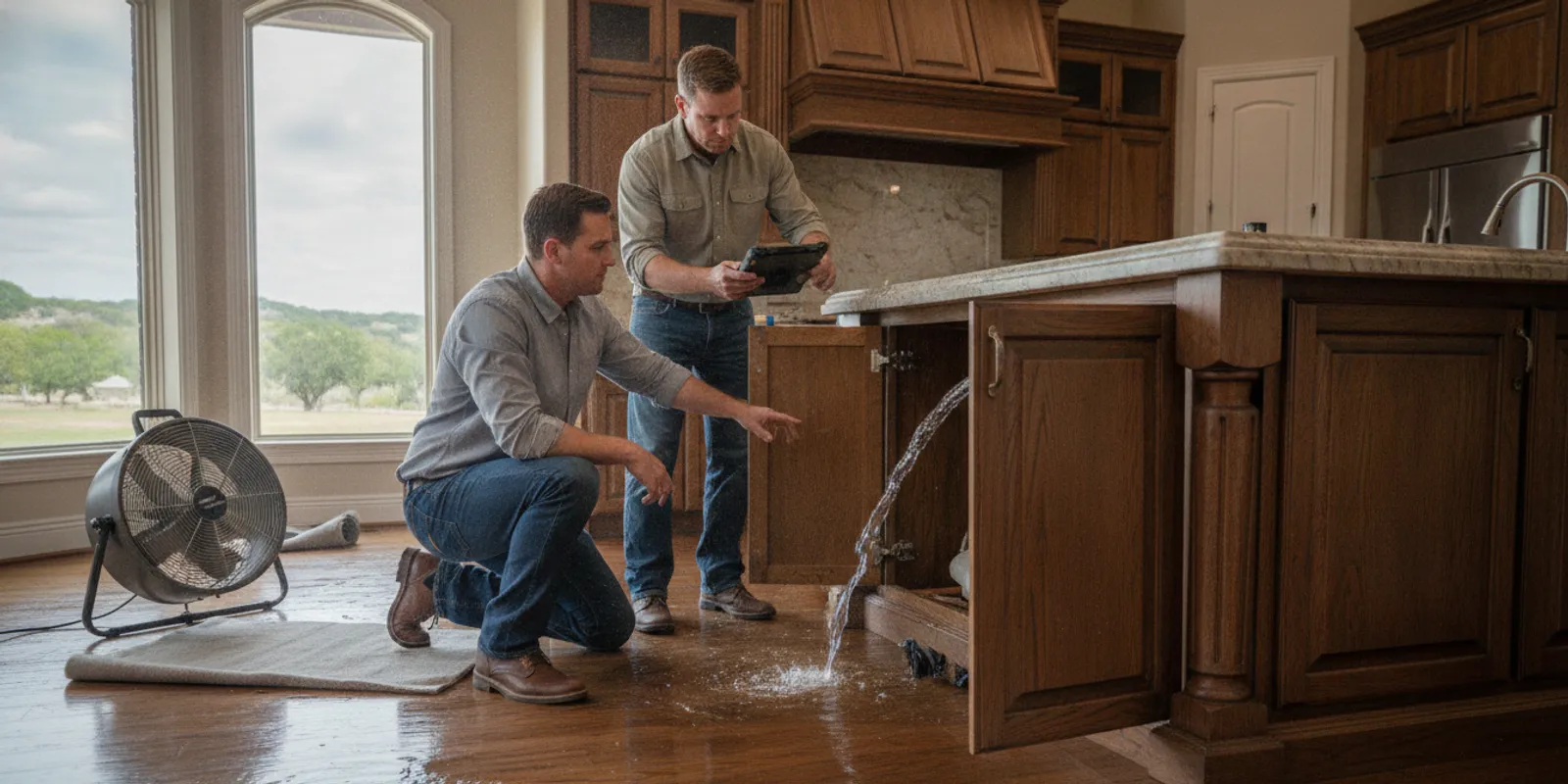
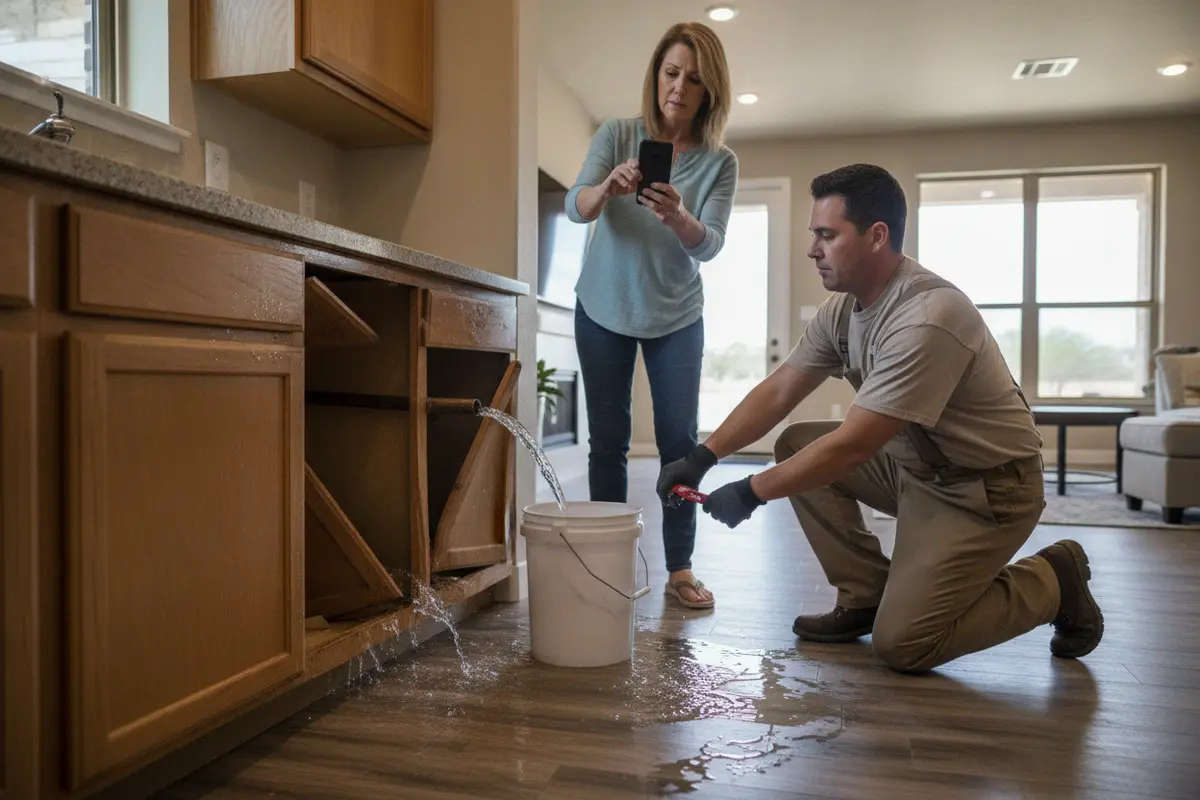
Safety comes before photographs or paperwork. If water is near electrical equipment, do not enter the affected area. Contact appropriate emergency professionals. If it is safe, shut off the water supply to the affected line or building. A plumber can locate the source and make an initial repair. Keep the work order and ask the plumber to describe the failed component and what was visible before removal.
Take reasonable steps to limit additional damage. The policy may require prompt notice and reasonable protection of property, but the actual duties depend on its wording and the facts. Report a serious loss using the insurer’s stated claim procedure rather than waiting for every repair estimate. Keep a copy of the notice, the claim number, and the name and contact details of each person you speak with.
- When safe, photograph and video the pipe, standing water, wet surfaces, affected rooms, and nearby contents before moving or removing them.
- Write down when the leak was discovered, who found it, when the water was shut off, and what emergency steps followed.
- Ask each contractor to identify what was observed, what was taken apart or removed, and why that work was needed.
- Keep damaged materials or representative samples when practical. Do not delay disposal when safety or sanitation requires removal.
- Save receipts, work orders, drying logs, messages, and any written instructions from the insurer.
Mitigation and final reconstruction are different stages. Extraction, temporary plumbing work, and drying may need to happen before the permanent scope is settled. Preserve photographs and itemized records as work proceeds. For wider information about disputed property claims, see the firm’s insurance litigation resources.
How a burst pipe insurance claim lawyer Texas owners consult separates pipe repair from resulting damage
A claim can involve several related but distinct questions. One is the cost to repair or replace the failed pipe. Another is the resulting water damage to building materials or contents. The policy may treat these differently. A denial or payment decision about one item should not be assumed to resolve every other part of the loss.
Ask the plumber to document the physical condition of the pipe and the location of the failure. A clear report might state where the split or separation appeared, whether the component was corroded or fractured, and what the plumber could observe. It should distinguish direct observations from conclusions about why the pipe failed. Preserve the removed part if reasonable and safe, or photograph it with a scale or other reference before it is discarded.
Then map the water’s path through the property. List affected rooms and materials rather than describing the whole building as wet. For each area, note visible water, staining, swelling, odor, or other observed conditions. Contractors may recommend opening walls or removing flooring to inspect hidden areas or dry the structure. Ask them to connect each proposed action to a particular location and condition, and keep before-and-after photographs.
It can help to split the file into four folders: plumbing source, building damage, contents or business property, and emergency work. This prevents an invoice for the pipe repair from being confused with an estimate for cabinets, flooring, or drying. The property insurance claim process guide provides related context about documenting and reviewing a property claim.
How do frozen-pipe questions affect the claim?
Freezing can cause water in a pipe to expand and the pipe to split, but a frozen pipe alone does not decide coverage. The insurer may ask whether the building was heated, whether it was vacant, whether water service was shut off, and what steps were taken to maintain heat or drain the plumbing. The exact policy language, endorsements, conditions, and evidence all matter.
Write down the conditions surrounding the event while memories are fresh. Note whether the building was occupied, whether heat was running, whether a power interruption occurred, and whether plumbing work had recently taken place. Preserve maintenance records, alarm or temperature logs if they exist, and communications with building staff. For a business property, identify who had access and who was responsible for monitoring the space.
Do not guess about the cause in a claim form or conversation. Ask the plumber to state what the inspection showed and what could not be determined. If the insurer offers a different explanation, compare it with the physical observations and records. The Texas Department of Insurance says most homeowners policies cover water damage from leaks and broken pipes, with exceptions. It also says a claim may be denied if the owner does not protect the property. See Does insurance cover water damage caused by burst pipes? The same agency notes that home and renters policies might not pay for frozen-pipe damage if the owner did not take protective steps, such as keeping the heat on. See winter storm pipe guidance. The policy still controls an individual claim.
Which losses and expenses should you record separately?
Clear categories help an owner identify what has been estimated, paid, disputed, or left unanswered. A residential claim may include the pipe, building materials, personal belongings, and temporary protective work. A commercial claim may also involve equipment, inventory, affected work areas, and claimed interruption of operations. Coverage for any particular item depends on the policy and facts; a list is a way to organize the claim, not a promise that each expense will be covered.
| Claim component. | Records to gather. | Questions for review. |
|---|---|---|
| Failed pipe and plumbing work. | Plumber report, photographs, invoice, and removed-part details. | What failed, what did the plumber observe, and what does the policy say about the pipe itself? |
| Building materials. | Room-by-room photos, measurements, estimates, and drying records. | Which materials were wet or damaged, and why is removal or replacement proposed? |
| Contents or business property. | Item list, condition photos, purchase records when available, and disposal notes. | Which items were affected, what condition are they in, and how does the policy value them? |
| Emergency mitigation. | Work authorization, daily logs, equipment records, and itemized invoices. | What work was performed, on which dates, and how did it protect the property? |
| Business interruption, if claimed. | Operating records, sales information, payroll, and dates of restricted use. | What area or operation was affected, for how long, and what coverage terms apply? |
A simple expense log can include date, vendor, amount, purpose, invoice number, and whether the expense has been paid or submitted. Keep original image files when possible and label them with the date, room, and view. A photograph of a wet floor, for example, is more useful when paired with a room name and a note saying whether it was taken before extraction or after drying began.
For commercial property, make a separate timeline for access and operations. Record when a room, stock area, or piece of equipment became unusable and when use resumed. If operations shifted to another area, note the change rather than describing the entire business as closed. Keep ordinary business records together with documents showing the water loss, so the basis for a claimed interruption can be reviewed without mixing unrelated expenses.
How a burst pipe insurance claim lawyer Texas owners consult compares estimates and payments
Compare the scope line by line, not only the totals. First confirm that both documents address the same rooms, materials, quantities, and stage of work. A mitigation invoice may cover extraction and drying; a reconstruction estimate may cover removal and replacement. Those documents answer different questions and should not be treated as competing versions of the same estimate.
Next, mark each difference. Does one estimate include removing and replacing swollen cabinets while another assumes they can be dried in place? Does one include baseboards, insulation, flooring transitions, access work, or finish work that the other omits? Are measurements and material assumptions stated? List the difference, identify the document that supports your position, and ask the contractor to explain technical issues in writing.
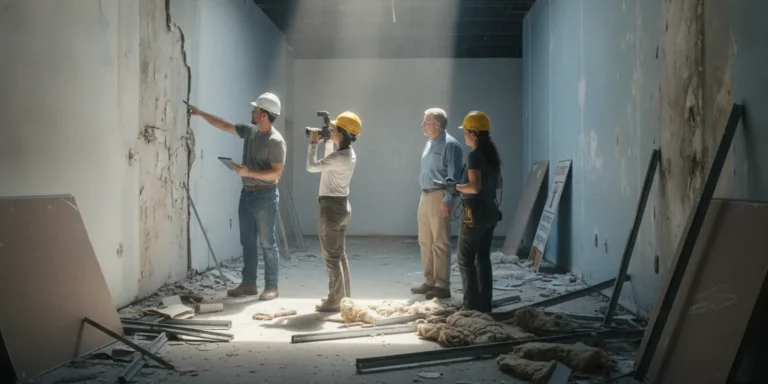
For example, imagine one estimate includes drying a section of wall but the contractor finds wet insulation after opening it. Keep the earlier estimate, photographs from before opening, the new photographs, and a short explanation of why the scope changed. The revised scope is easier to assess when it identifies the newly observed condition and the work tied to it. Do not combine unrelated repairs with water-loss work in one unexplained total.
Payment can depend on policy terms such as deductibles, limits, depreciation, replacement-cost provisions, and endorsements. Review the insurer’s estimate and payment explanation against the policy and supporting records. Do not assume a contractor’s estimate is automatically the amount due, or that an initial payment settles every part of the loss. For a valuation dispute involving a possible policy appraisal process, see the firm’s appraisal information; whether a procedure applies depends on the policy and dispute.
What exclusions, conditions, and insurer explanations deserve attention?
Possible disputes may involve wear and tear, deterioration, repeated seepage, maintenance, vacancy, freezing, or duties after a loss. These are issues to examine, not conclusions that an exclusion applies. Read the specific wording, definitions, exceptions, and endorsements together. A partial denial should be separated by item: the insurer might accept some resulting damage while disputing the pipe repair or another part of the scope.
Make a short written list of what the insurer says is covered, what it disputes, and what remains under review. For every disputed item, note the reason given and the policy wording cited. If a letter refers generally to an exclusion without explaining how it applies, ask for the insurer’s position and the relevant policy provision in writing. If the explanation changes, keep both letters and mark what changed.
Notice and information requests also deserve tracking. Record when a request arrived, what was asked for, when you responded, and how it was sent. Keep copies of portal uploads, emails, letters, photographs, estimates, and any statements you provide. If the insurer requests an inspection or recorded information, understand what is being requested and preserve a copy of the materials submitted.
A disagreement or delay does not by itself establish improper conduct. Still, a written chronology can help explain whether the claim was reported, investigated, and addressed in the way the policy and applicable requirements call for. The firm’s information about disputed insurance claims discusses related issues. Keep the focus on the actual policy, communications, and evidence, rather than labels.
Call Hoch Law Firm at 817-731-9703 to discuss a property claim
When might legal review be useful?
Legal review may be useful if the insurer denies the claim or a significant category. It may also help if the insurer disputes the cause without addressing important evidence, changes its explanation, or leaves a large gap between its estimate and documented repair needs. A review can begin with a practical question. What issue is unresolved, what policy language controls it, and what record would clarify it?
Before a discussion, arrange the policy and endorsements, claim letters, photographs, plumber report, mitigation records, estimates, invoices, proof of payment, and a one-page chronology. Put the most important disagreement at the top. For instance, the insurer included drying but did not include replacement of the wet cabinet. The contractor’s report and dated photographs explain the proposed removal. Specific questions make it easier to distinguish an evidence gap from a coverage dispute.
Owners can also review the firm’s property insurance practice information and attorney biography. Tim Hoch is Board Certified in Personal Injury Trial Law by the Texas Board of Legal Specialization, and the firm handles property insurance disputes for Texas owners. A legal assessment depends on the specific policy, records, and circumstances. No particular result can be promised, and it is useful to keep copies of all claim materials whether or not legal help is sought.
Frequently Asked Questions
Does insurance always cover water damage from a burst pipe?
No. Coverage depends on the policy, the cause and circumstances, applicable exclusions, and compliance with policy conditions. Sudden accidental water damage may be treated differently from ongoing leakage. Compare the insurer’s written position with the actual policy instead of relying on a general rule.
Should I wait for an adjuster before starting mitigation?
Do not allow preventable damage to continue while waiting if protective steps are safe and reasonable. Photograph conditions when practical, notify the insurer promptly, and keep detailed records of emergency work, costs, and removed materials. Coordinate access and inspection when feasible, but document urgent work.
What should I do if the insurer pays only part of the estimate?
Compare the insurer’s scope with the contractor’s estimate item by item. Identify missing work, quantities, materials, and valuation assumptions. Ask for explanations in writing and submit records that address the specific difference. Keep the initial estimates as well as any revised versions.
What if a pipe froze while the property was vacant?
Preserve records about occupancy, heat, water service, maintenance, and any power interruption. Review the exact vacancy and freezing provisions in the policy and the insurer’s explanation. The fact that a building was vacant does not, by itself, resolve whether a particular loss is covered.
A dated record of the leak, mitigation, damage, repair scope, and insurer communications gives Texas property owners a clearer basis for evaluating a burst-pipe claim.