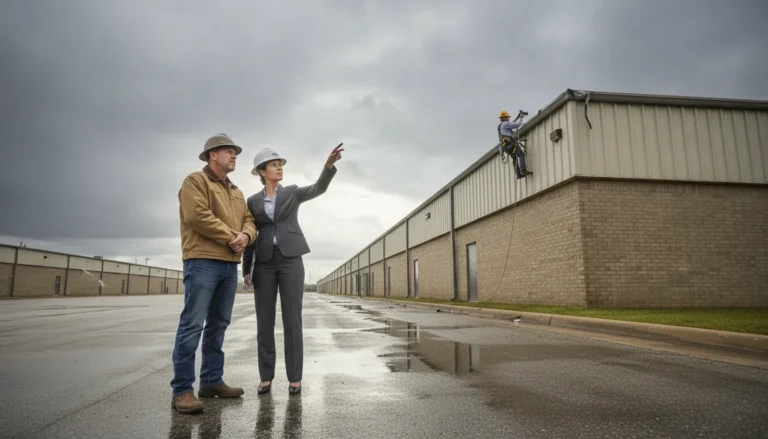
Filing a wind damage claim can feel straightforward at first. You call your agent, an adjuster comes out, and you wait for a settlement. But sometimes, things start to feel off. Maybe the adjuster is blaming the damage on “wear and tear,” or the insurance company has gone completely silent. These aren’t just minor frustrations; they are red flags that your claim could be in trouble. Recognizing these warning signs early is crucial to protecting your right to a fair settlement. This article will break down the most common red flags and explain why they signal it’s time to seek advice from an experienced wind damage insurance attorney.
Key Takeaways
- Build your case from day one: Immediately after a storm, document all damage with extensive photos and videos before you clean up. Keep a detailed log of every conversation with your insurer and save all receipts for temporary repairs, as this evidence is crucial for proving your claim.
- Understand your policy to spot unfair tactics: Insurance companies may use your policy’s complex language, like windstorm deductibles or Actual Cash Value (ACV) terms, to justify a low offer. Knowing what your policy actually covers helps you identify and challenge these common strategies.
- Don’t hesitate to get legal help for red flags: If your claim is unfairly denied, the settlement offer is too low, or your insurer is intentionally delaying the process, it’s time to consult an attorney. A lawyer who specializes in representing policyholders can protect your rights and fight for the full compensation you deserve.
Why Insurers Deny or Underpay Wind Damage Claims
After a severe storm damages your property, you expect your insurance company to be there for you. You’ve paid your premiums faithfully, and now it’s time for them to hold up their end of the bargain. Unfortunately, that’s not always what happens. It can be shocking and frustrating to receive a denial letter or a settlement offer that barely covers a fraction of your repair costs.
The reality is that insurance companies are businesses, and their goal is to protect their bottom line. This can create a conflict of interest where they may prioritize their financial health over your valid claim. To do this, they often rely on a few common reasons to justify denying or underpaying claims. They might argue that your policy doesn’t cover the specific damage, blame the damage on other factors, or claim you haven’t provided enough proof. Sometimes, they simply drag their feet, hoping you’ll get tired of fighting and accept a low offer. Understanding these tactics is the first step in protecting your rights and fighting for the full compensation you deserve for your property insurance dispute.
Disagreements Over Your Policy’s Coverage
One of the most common reasons for a denied claim is a dispute over the policy language itself. Insurance policies are dense, complicated contracts filled with specific definitions, exclusions, and limitations. An insurer might point to a clause they believe excludes your type of damage, or they may argue that the repairs you need are not covered. For example, while most Texas policies cover wind damage, the fine print might contain specific rules about hurricane deductibles or damage from wind-driven rain. The insurance company will always interpret this complex language in the way that benefits them most, which often leaves you with less than you need to rebuild.
Blaming Pre-Existing Damage or Poor Maintenance
Another frequent tactic is for the insurance adjuster to blame the damage on something other than the wind. They might inspect your roof and claim the shingles were already old and worn or that the damage was due to poor upkeep or a previous, faulty repair. By attributing the damage to “normal wear and tear” or pre-existing issues, the insurer attempts to shift responsibility away from the covered event, the windstorm. This strategy allows them to argue that they aren’t obligated to pay for the repairs, even when the storm was the obvious cause of your property’s current condition.
Not Enough Proof of Your Losses
Your insurance policy places the burden on you to prove the extent of your losses. This means you need to provide thorough documentation of all the damage. However, some insurers can make this process incredibly difficult. They might claim your photos aren’t clear enough, your contractor’s estimate is insufficient, or that you failed to provide the right paperwork within a strict deadline. While providing proof is a necessary part of the claims process, an insurer can also use it as an excuse to deny a perfectly valid claim by setting an unreasonably high standard for the evidence you submit.
Facing Delays and Bad Faith Tactics
Sometimes, an insurer’s actions go beyond a simple disagreement and enter the territory of “bad faith.” This happens when they fail to treat you fairly and honestly, as required by law. Bad faith tactics can include intentionally delaying your claim without a valid reason, hiring biased adjusters who are known to undervalue damage, or making a settlement offer that is clearly and unfairly low. These strategies are designed to wear you down and pressure you into accepting less than you’re owed. When an insurer acts in bad faith, they aren’t just breaching your contract; they are violating the law.
What to Do Immediately After Wind Damage
The moments after a severe storm can feel overwhelming. With wind damage to your home or business, it’s hard to know where to start. Taking a few key steps right away can protect your property from further harm and lay the groundwork for a successful insurance claim. Think of this as your immediate action plan. By staying organized and documenting everything from the very beginning, you put yourself in the best possible position to get the full and fair compensation you deserve.
Prioritize Safety and Make Temporary Fixes
Before you do anything else, make sure the area is safe. Look for downed power lines, broken gas lines, or major structural damage that could pose a threat. Once you’ve confirmed it’s safe to proceed, your next job is to prevent the damage from getting worse. This might mean covering a hole in your roof with a tarp or boarding up a broken window. These are temporary, reasonable repairs meant to mitigate further loss. Be sure to keep every single receipt for materials you buy. These costs should be part of your insurance claim, and solid proof of payment is essential.
Document Everything with Photos and Videos
Now is the time to become a meticulous record-keeper. Before you move or clean up anything (unless it’s for a temporary fix), document all the damage. Use your phone to take extensive photos and videos of every affected area. Get wide shots of your property and close-ups of specific damage points. If you have “before” photos of your property, those are incredibly helpful to show the contrast. Don’t just focus on the outside; capture any interior damage caused by wind or resulting water intrusion. This visual evidence is one of the most powerful tools you’ll have when filing your property insurance claim.
Contact Your Insurer Right Away
Most insurance policies require you to notify the company of any damage promptly. Don’t delay this step. Find your policy number and call your insurance provider to report the wind damage and start the claims process. When you speak with them, stick to the facts you know. Describe the damage you can see, but avoid speculating on the cause or the full extent of the repairs needed. Just state what happened and what you’ve observed. This initial call officially opens your claim and gets the ball rolling with your insurer.
Keep a Detailed Log of Every Conversation
From your very first call to the insurance company, keep a detailed log of every interaction. Write down the date, time, and the name of every person you speak with, along with a summary of your conversation. Save all emails and any written correspondence you receive in a dedicated folder. This communication log creates a clear timeline and a factual record of your entire claims process. If your insurer starts delaying things or you run into disagreements, this detailed paper trail will be an invaluable resource, especially if you need to seek legal guidance from an experienced Texas property damage attorney.
When Should You Hire a Wind Damage Attorney?
After a storm, you expect your insurance company to help you get back on your feet. Most of the time, you can manage the claim yourself. But what happens when the process stalls, the settlement offer seems unfair, or your claim is flat-out denied? It’s easy to feel powerless against a large insurance corporation.
Knowing when to call for backup is key. You don’t need a lawyer for every claim, but certain red flags signal that it’s time to get professional advice. If your insurer isn’t treating you fairly, an experienced attorney can step in to protect your rights and fight for the compensation you deserve. Here are four situations where hiring a wind damage attorney is a smart move.
Your Claim Was Unfairly Denied
Receiving a denial letter is frustrating, especially when you see the damage with your own eyes. Insurers often deny claims based on complex policy exclusions or by arguing that the damage was caused by something that isn’t covered, like flooding or poor maintenance. Don’t just accept a denial you don’t understand or agree with. An attorney can conduct a thorough review of your case, analyzing your policy, the adjuster’s report, and the evidence you collected. If the denial was wrongful or based on a misinterpretation of your policy, a lawyer can challenge the insurance company’s decision and work to get it overturned.
The Settlement Offer Is Too Low
It’s common for an insurance company’s first settlement offer to be much lower than what you need to make repairs. The insurer’s adjuster might have overlooked hidden damage, used cheaper materials in their estimate, or undervalued the cost of labor in your area. Accepting a lowball offer leaves you to pay the difference out of your own pocket. An experienced attorney knows how to calculate the true cost of your losses. They can bring in their own network of trusted contractors and public adjusters to create a detailed estimate and negotiate for a fair settlement that covers the full scope of your repairs.
Your Insurer Is Delaying the Process
Are your calls going unanswered? Is the insurance company repeatedly asking for the same documents or failing to send an adjuster out in a timely manner? These aren’t just annoyances; they can be intentional delay tactics. Insurance companies know that the longer they drag out the process, the more desperate you may become and the more likely you are to accept a low offer. Texas law sets deadlines for how quickly insurers must respond to and pay claims. If your insurer is giving you the runaround, an attorney can step in to enforce your rights and hold the company accountable for these unnecessary delays.
The Insurance Company Is Acting in Bad Faith
“Bad faith” is a legal term for when an insurance company fails to treat you fairly and honestly. This can include denying a claim without a reasonable investigation, deliberately misinterpreting your policy language, or using threatening tactics to discourage you from pursuing your claim. These actions are more than just poor customer service; they are illegal. If you suspect your insurer is acting in bad faith, it is crucial to speak with an attorney. A lawyer can help you file a formal complaint and pursue legal action, which may allow you to recover damages beyond the original value of your claim.
How an Attorney Can Strengthen Your Wind Damage Claim
When your property is damaged by wind, filing an insurance claim feels like the next logical step. But what happens when the process becomes complicated, your insurer pushes back, or the settlement offer doesn’t even begin to cover your repair costs? This is where bringing in a skilled property damage attorney can completely change the game. While you can handle a claim on your own, a lawyer acts as your dedicated advocate, equipped with the legal knowledge and resources to level the playing field against a powerful insurance company.
An attorney does more than just fill out paperwork. They manage every aspect of your claim, from deciphering your policy’s fine print to fighting for the full compensation you deserve. They know the tactics insurers use to deny or underpay claims and can build a powerful case to counter them. With an expert in your corner, you can focus on getting your life back in order while they handle the legal complexities. This support is especially critical when negotiations stall and you need to show the insurance company you are serious about protecting your rights.
Translate Complex Policy Language
Insurance policies are dense legal contracts filled with jargon, exclusions, and conditions that can be confusing for anyone without a legal background. It’s easy to misinterpret a clause, which could lead to a denied claim. A seasoned property insurance lawyer specializes in this area of law and understands exactly what your policy covers. They can translate the complicated language into plain English, identify any potential loopholes the insurer might try to use against you, and ensure your claim is filed correctly based on the specific terms of your coverage. This expertise is crucial, as even general practice attorneys may not have the niche knowledge required for these complex disputes.
Calculate the True Value of Your Losses
Insurance companies often have their own adjusters who assess your damage, and their goal is to minimize the payout for their employer. They might argue that some damage was pre-existing or that your repair estimates are too high. An attorney works for you, not the insurer. They will bring in their own network of trusted independent experts, like contractors, engineers, and public adjusters, to conduct a thorough inspection of your property. This team will create a detailed and accurate estimate of your total losses, ensuring nothing is overlooked. This comprehensive documentation provides the solid evidence needed to demand a settlement that truly covers the cost of restoring your property.
Negotiate a Fair Settlement for You
Dealing with an insurance adjuster can be an intimidating and frustrating experience. They are trained negotiators skilled at protecting their company’s bottom line. When you hire an attorney, they take over all communications and negotiations on your behalf. They present your carefully documented claim and argue forcefully for a fair settlement. Because they know the law and have a history of achieving positive results, insurers often take them more seriously. An experienced attorney can frequently secure a settlement that not only covers your damages but may also include attorney’s fees, leaving you in a much better financial position.
Take Legal Action if Needed
If the insurance company refuses to negotiate in good faith or offer a fair settlement, your only remaining option may be to file a lawsuit. This is a step only a licensed attorney can take. Simply having a lawyer who is prepared to go to trial can be a powerful motivator for an insurer to reconsider its low offer. They know that litigation is expensive and risky for them, especially when facing a formidable opponent. A board-certified trial lawyer like Tim Hoch has the experience and credibility to effectively represent you in court, ensuring your case is presented in the strongest possible light if a lawsuit becomes necessary.
What to Look for in a Wind Damage Attorney
Finding the right attorney can feel like a huge task, especially when you’re already dealing with the stress of property damage. But the lawyer you choose can make all the difference in the outcome of your claim. You need more than just a general lawyer; you need a dedicated advocate who understands the specific challenges of wind damage claims in Texas. When you start your search, focus on a few key qualities that separate the great attorneys from the rest. These markers of experience and dedication will help you find a true partner in your fight for fair compensation.
Expertise in Texas Property Insurance Law
Texas has its own set of complex laws that govern insurance claims, and they can be tricky. That’s why it’s so important to find an attorney who specializes in property insurance law, not a general practitioner who handles a little bit of everything. A specialist lives and breathes this area of law. They understand the tactics insurance companies use and know the specific legal arguments that work in Texas courts. When you’re interviewing potential attorneys, ask them directly about their experience with wind damage claims and how much of their practice is dedicated to representing policyholders like you. Their focus is your advantage.
A Proven Track Record of Success
Experience is important, but results are what truly matter. You want an attorney who has a history of successfully taking on insurance companies and winning fair settlements for their clients. Don’t be swayed by promises of low fees from less experienced lawyers; they may not have the skills to get you the full amount you deserve. Ask for examples of past cases similar to yours. A reputable attorney will be transparent about their past results and should be able to show you a proven track record of success. This history demonstrates their ability to value a claim correctly and fight effectively on your behalf.
Board Certification and Trial Experience
In the legal world, Board Certification is a big deal. It’s a mark of the highest level of expertise an attorney can achieve in a specialty area. For example, Tim Hoch is Board Certified in Personal Injury Trial Law by the Texas Board of Legal Specialization, a distinction held by very few Texas attorneys. This certification, combined with extensive trial experience, sends a clear message to the insurance company: your lawyer is not afraid to take your case to court if a fair settlement isn’t offered. Insurers are much more likely to negotiate in good faith with an attorney they know is prepared for a courtroom battle.
A Commitment to Representing Policyholders, Not Insurers
This might be the most critical factor of all. You need to know whose side your attorney is on. Some law firms try to play both sides, representing insurance companies in some cases and policyholders in others. This creates a potential conflict of interest. Look for a lawyer or firm that exclusively represents property owners and individuals, never the insurance companies. This ensures their loyalty is completely with you. Their mission is to protect your rights and fight for your best interests, not to maintain relationships with the insurers they may face in court. This undivided commitment is essential for building a strong, trust-based partnership.
Key Terms in Your Texas Insurance Policy, Explained
When you’re dealing with property damage, the last thing you want to do is decipher a dense insurance contract. But understanding a few key terms can make a huge difference in your claim’s outcome. Your policy is a legal document, and insurers often use its specific language to limit what they have to pay. Let’s break down some of the most important terms you’ll encounter so you can feel more confident in your conversations with the insurance company.
Named Peril vs. All-Risk (Open Peril) Policies
It’s essential to know which type of policy you have, as it determines who has to prove what. A named peril policy only covers damage from events, or perils, that are specifically listed in your contract, like fire, theft, or windstorms. If your damage is from an unlisted event, you’re out of luck.
On the other hand, an all-risk or open peril policy covers damage from any event unless it’s specifically excluded. This offers broader protection. While most Texas homeowners’ policies include wind damage coverage, the extent of that protection can vary. With an all-risk policy, the burden is on your insurer to prove an exclusion applies; with a named peril policy, the burden is on you to prove a covered event caused the loss. Understanding your policy is the first step in any property insurance dispute.
Windstorm and Hail Deductibles
In Texas, it’s common for insurance policies to have a separate deductible specifically for wind and hail damage. This is often different from your standard deductible for other types of damage. Instead of a flat dollar amount, a windstorm deductible is usually a percentage of your home’s total insured value, typically between 1% and 5%. For a home insured for $400,000, a 2% deductible means you have to pay the first $8,000 of repair costs out of pocket.
Because this amount can be so high, insurance companies may try to argue that the damage was pre-existing or caused by something other than wind to avoid triggering coverage. Knowing exactly what your deductible is and how it applies is critical when you file a claim.
Actual Cash Value (ACV) vs. Replacement Cost Value (RCV)
These terms define how your insurance company will pay for your damaged property. Actual Cash Value (ACV) pays you for the cost of the damaged item minus depreciation. Think of it as the garage sale price; you get what your 15-year-old roof was worth today, not what it costs to install a brand new one.
Replacement Cost Value (RCV) is much better for policyholders. It covers the full cost to repair or replace your property with new materials of similar quality. Homeowners’ insurance policies often contain specific exclusions and limitations regarding wind damage, and the distinction between ACV and RCV is a frequent point of conflict. Many RCV policies first pay the ACV, releasing the rest of the funds only after you’ve completed the repairs and submitted receipts, a process that can be complicated.
What to Expect When You Hire a Property Damage Lawyer
Deciding to hire an attorney can feel like a big step, but it doesn’t have to be an intimidating one. When you’re dealing with the fallout from wind damage, your focus should be on recovery, not on fighting with an insurance company. Bringing in a legal professional means you get an advocate who handles the complex parts of your claim for you. Understanding how the process works from the start can help you feel more confident and in control. Here’s a straightforward look at what happens after you hire a property damage lawyer.
Your First Meeting: The Consultation and Case Review
Your initial consultation is a chance for you and the attorney to get to know each other. You’ll share the details of what happened to your property, and the attorney will listen and ask questions to understand the full scope of your situation. This is when you’ll want to provide your insurance policy, any photos or videos of the damage, and all communications you’ve had with your insurer. Your attorney will review everything to assess the strength of your case and discuss the best strategies for moving forward. Think of this meeting as the first step in building a partnership with an experienced trial lawyer who is dedicated to protecting your interests.
How Contingency Fees Work
Concerns about legal fees shouldn’t stop you from getting the help you need. Most reputable property damage attorneys work on a contingent fee basis. This simply means you don’t pay any upfront costs. The law firm covers all the expenses of building and pursuing your case, from hiring experts to paying court fees. The attorney’s fee is a percentage of the final settlement or verdict they win for you. If you don’t get paid, neither does your lawyer. This approach ensures your attorney is fully invested in achieving the best possible results for your claim and removes the financial risk from your shoulders.
How You’ll Communicate with Your Attorney
Clear and consistent communication is the foundation of a good attorney-client relationship. Your lawyer should be able to explain complicated legal ideas and policy terms in a way that makes sense to you. You should expect regular updates on the status of your claim, whether it’s a new offer from the insurer or a key development in your case. A great Fort Worth property insurance lawyer will make sure you are informed and involved at every stage. Don’t hesitate to ask questions. Your attorney is your partner in this process, and you have a right to understand what’s happening with your claim.
How to Find the Right Wind Damage Attorney in Texas
Choosing the right attorney can feel like another overwhelming task when you’re already dealing with property damage. But finding the right legal partner is the most important step you can take to protect your interests. You need someone who not only understands Texas insurance law but also has a proven history of standing up for policyholders. The right attorney will handle the legal complexities so you can focus on getting your home or business back in order.
Why Choose Hoch Law Firm for Your Wind Damage Claim
When your insurance company isn’t treating you fairly, you need an advocate who will fight for the full amount you’re owed. An experienced insurance claims attorney can broaden the scope of your recovery and even secure attorney’s fees on top of your contractual benefits. At Hoch Law Firm, we focus exclusively on representing policyholders in property insurance disputes. We know the tactics insurers use to minimize payouts, and we build strong cases designed to counter them. Our goal is to hold insurance companies accountable and secure the funds you need to rebuild, and our track record shows our commitment to that goal.
Key Questions to Ask During Your Consultation
Your initial consultation is your chance to interview a potential attorney and see if they’re the right fit. It’s best to choose an attorney who is well-versed in insurance claims rather than a general practitioner. Come prepared with a list of questions to guide the conversation.
Consider asking:
- How much of your practice is dedicated to property insurance law?
- Have you handled wind damage cases similar to mine?
- Do you ever represent insurance companies?
- Who will be my primary point of contact at the firm?
The answers will give you a clear picture of their expertise and whether their practice areas align with your specific needs.
Look for Experience with Cases Like Yours
While some lawyers may offer lower fees, they often lack the experience needed to get you the most money for your claim. Don’t be swayed by promises that seem too good to be true. Instead, look for an attorney with a history of successfully resolving complex wind damage cases in Texas. Ask about their past results and their familiarity with your insurance provider. A board-certified trial lawyer like Tim Hoch brings a level of tested experience that can make a significant difference in the outcome of your case, especially if it becomes necessary to go to court. True expertise is your greatest asset.
Related Articles
- Why Hire an Arlington Wind Damage Claim Attorney?
- 5 Signs You Need to Hire an Attorney for Wind Damage
- Dallas Wind & Storm Damage Lawyer | Hoch Law Firm
- Why Hire a Commercial Storm Damage Lawyer in Fort Worth?
Frequently Asked Questions
My insurance company told me I don’t need a lawyer. Should I listen to them? It’s important to remember that your insurance company’s goal is to protect its own financial interests, not yours. Their adjusters and representatives are trained to minimize payouts. While they may seem helpful, their advice is not impartial. An attorney, on the other hand, has a legal and ethical duty to work exclusively for you. Hiring a lawyer ensures you have a dedicated advocate who understands the law and is focused on securing the full compensation you are entitled to receive.
What if I already cashed the check from the insurance company? Is it too late to get more money? Not necessarily. Cashing a check from your insurer doesn’t automatically close your claim or prevent you from seeking additional funds, especially if you discover more damage later. However, it can sometimes complicate things, particularly if you signed a release document. The best course of action is to have an experienced attorney review your specific situation, the payment, and any associated paperwork to determine if you can still pursue a supplemental claim for the full value of your losses.
How long does a wind damage claim typically take to resolve with an attorney? The timeline for every claim is different and depends on many factors, such as the complexity of the damage and the insurance company’s willingness to negotiate fairly. While there’s no set schedule, hiring an attorney can often prevent the unnecessary delays that insurers sometimes use as a tactic. Your lawyer will work to keep the process moving forward efficiently while ensuring no corners are cut in building a strong case for the maximum possible settlement.
I can’t afford a lawyer right now. How can I get legal help? This is a very common and understandable concern, which is why most property damage attorneys work on a contingent fee basis. This means you pay nothing upfront. The law firm advances all the costs required to handle your case, and they only receive a fee as a percentage of the money they recover for you. If you don’t get a settlement, you don’t owe any attorney’s fees. This arrangement allows you to get expert legal representation without any financial risk.
Will I have to go to court if I hire you? Most property insurance claims are settled through negotiation long before they reach a courtroom. The primary goal is to secure a fair settlement without the need for a trial. However, having an attorney who is a board-certified trial lawyer sends a powerful message to the insurance company. They know you are serious and fully prepared to go to court if they refuse to be reasonable. This readiness for trial is often the key to achieving a favorable settlement.