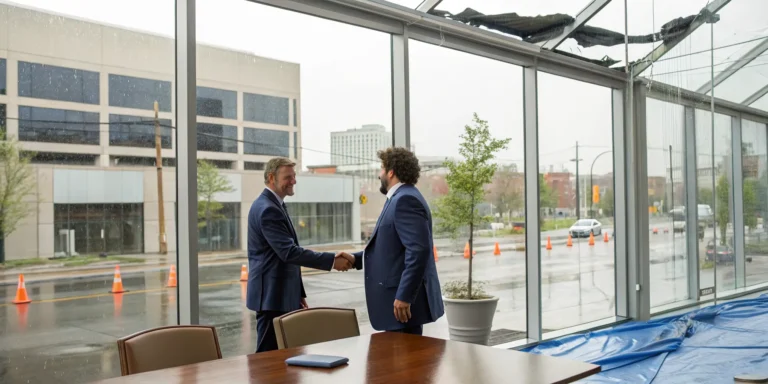
Filing a major hurricane damage claim puts you in a direct negotiation with a massive corporation. Your insurance company has a team of adjusters, lawyers, and experts all working with one goal: to minimize their payout. As a business owner, you are at an immediate and significant disadvantage. They handle thousands of claims like yours every year and know exactly how to control the process. To level the playing field, you need an expert in your corner. A commercial property hurricane damage insurance lawyer is that expert. They match the insurer’s legal knowledge and resources, transforming the dynamic from an uphill battle into a fair fight for your business’s future.
Key Takeaways
- Your insurer’s goal isn’t your recovery: Insurance companies are businesses focused on minimizing payouts. A specialized attorney acts as your advocate, challenging unfair denials, lowball offers, and delay tactics to ensure your claim is valued correctly.
- Document everything before you clean up: Your first step after a storm should be to take extensive photos and videos of all damage. After documenting, notify your insurer and make temporary repairs to prevent further harm, but avoid permanent fixes until the adjuster has inspected the property.
- Legal help is accessible when you need it most: Don’t accept a settlement offer without a legal review, especially if your claim is denied or severely underpaid. Most property insurance lawyers work on a contingency fee basis, meaning you pay no legal fees unless they win your case.
What Exactly Is a Hurricane Damage Insurance Lawyer?
When a hurricane damages your commercial property, you’re suddenly facing a mountain of paperwork, confusing policy language, and an insurer whose main goal is often to pay as little as possible. A hurricane damage insurance lawyer is your professional advocate in this fight. They specialize in one thing: making sure the insurance company holds up its end of the bargain. This isn’t a general practice lawyer. They live and breathe property insurance law, specifically as it applies to catastrophic events like hurricanes. Their job is to translate the legal jargon, document your losses accurately, and fight for the full and fair compensation you need to rebuild.
Think of them as both a guide and a fighter, someone who handles the legal complexities so you can focus on your business. They understand the tactics insurers use to delay, underpay, or deny valid claims and know exactly how to counter them effectively. By leveraging their deep knowledge of Texas insurance regulations and trial experience, they level the playing field. An attorney ensures your claim is taken seriously from the start and prepares every case as if it will go to trial. This proactive approach sends a clear message to the insurance company: you are prepared to fight for what you are rightfully owed.
An Expert in Complex Property Insurance Law
A hurricane damage lawyer is an expert in the fine print of your insurance policy. They know that these documents are often written to protect the insurer, filled with complicated clauses, exclusions, and deadlines that can easily trip up a business owner. Their entire practice is built around understanding these complex legal matters and using that knowledge to your advantage. They will help you understand your rights, manage the claims process, and ensure you receive the full compensation you’re entitled to under your policy. This isn’t just about getting a check; it’s about getting the right check, one that truly covers the cost of your recovery.
A Specialist Focused on Texas Storm Claims
In Texas, dealing with storm damage requires a specific kind of expertise. A lawyer who specializes in local hurricane claims understands the unique challenges our weather presents and the state laws that protect policyholders. An experienced Fort Worth property insurance lawyer knows how to build a powerful case for you. They often work with a network of independent engineers, public adjusters, and contractors to perform a thorough assessment of the damage. This creates a detailed record of your losses that the insurance company can’t easily dismiss. This team approach ensures every aspect of your claim is documented and justified, from structural repairs to lost business income.
Is Your Hurricane Damage Covered? A Look at Your Policy
After a hurricane, the first thing you probably do is pull out your commercial property insurance policy. But reading through the dense legal language can feel like trying to solve a puzzle. What you think is covered might be hidden behind confusing clauses and exclusions. The key is to understand that your policy is likely a combination of different coverages, and knowing what to look for is the first step toward a fair recovery. Many business owners are surprised to learn that what they assumed was comprehensive coverage has significant gaps, especially when it comes to storms.
Your standard commercial policy might not be enough. Hurricane damage often comes from multiple sources, like wind, rain, and flooding, and each might be treated differently by your insurer. That’s why it’s so important to look closely at the specifics. Does your policy include windstorm coverage? What about flood insurance, which is often a separate policy entirely? Understanding these layers is crucial. An insurer might approve a claim for wind damage to your roof but deny the claim for water damage inside, arguing it was caused by flooding instead of a roof leak. We’ll break down the main types of coverage you should be looking for to see if your losses from the storm are included in your property insurance claim.
Damage to Your Building and Structure
When you think of hurricane damage, the first thing that comes to mind is likely the physical harm to your building. This includes everything from a damaged roof and broken windows to more severe structural issues caused by high winds and flying debris. While your primary commercial property policy should cover this, it’s not always that simple. Standard policies can have specific exclusions for wind or hail, or they may have a separate, much higher deductible for named storms. It’s critical to review these details, as your insurer may argue that certain damage isn’t covered. An experienced attorney can help you interpret your policy and ensure all structural damage is properly accounted for.
Lost Inventory and Business Property
A hurricane’s impact goes far beyond the four walls of your building. The storm can destroy your inventory, equipment, computers, and furniture, all of which are essential to running your business. This is where your business personal property coverage comes in. This part of your policy is designed to cover the contents inside your commercial space. Documenting these losses thoroughly with photos, videos, and receipts is vital. Insurers will often scrutinize these claims, so having detailed proof of what you lost and its value will strengthen your position and help you recover the funds needed to restock and re-equip your business.
Income Lost Due to Business Interruption
If severe property damage forces you to close your doors temporarily, the financial bleeding doesn’t stop. You still have bills to pay, but you have no revenue coming in. This is where business interruption coverage can be a lifeline. This coverage is designed to replace the income you lose while your business is shut down for repairs. It can also cover ongoing operating expenses like rent and payroll. If your property damage stops you from running your business, you might be able to get money for that lost income. These are complex claims that fall under several key practice areas requiring specialized legal knowledge.
Covering Temporary Relocation Costs
Sometimes, you can’t wait for repairs to be completed to get back to work. Moving to a temporary location might be the only way to keep your business afloat. Many policies include coverage for these extra expenses, which can pay for the cost of renting a temporary space and other associated moving costs. However, insurance companies don’t always make this option clear or may dispute the necessity of the move. A skilled lawyer can help you negotiate a higher offer that better reflects your total damages, including the critical costs of setting up a temporary operation so you can continue serving your customers.
Common Roadblocks When Filing a Hurricane Damage Claim
After a hurricane, you count on your insurance policy to help you rebuild. But the claims process is rarely straightforward. Insurance companies often put up roadblocks that can leave you feeling frustrated and overwhelmed, all while your business is on the line. Knowing what to expect can help you prepare for the fight ahead. Here are some of the most common challenges commercial property owners face when trying to get a fair settlement for hurricane damage.
Dealing with Claim Denials and Coverage Disputes
Receiving a claim denial can feel like a final verdict, but it’s often just the insurance company’s opening move. Insurers are businesses focused on their bottom line, and they may deny a valid claim by citing a complex policy exclusion or arguing that the damage isn’t covered. For instance, they might incorrectly attribute wind damage to flooding. A denial doesn’t mean your claim is worthless. An experienced property insurance lawyer can dissect the denial letter, review your policy’s terms, and build a strong case to challenge the insurer’s decision and fight for the coverage you’re owed.
Fighting Underpayment and Lowball Settlement Offers
Even if your claim is approved, the initial settlement offer may be far less than what you need to recover. This is a classic tactic where the insurer’s adjuster provides a low estimate, hoping you’ll accept the quick cash without questioning the amount. These lowball offers rarely account for the full scope of repairs, lost inventory, and business interruption costs. Before you accept any payment, it’s vital to have an independent assessment of your damages. An attorney can help you gather the evidence needed to prove the true value of your claim and negotiate for a fair settlement that reflects your actual losses.
When the Insurance Company Drags Its Feet
Time is money, especially when your business is shut down. Unfortunately, insurance companies sometimes use intentional delays to wear you down and pressure you into accepting a lower settlement. They might ignore your calls, lose your paperwork, or endlessly request more information. In Texas, insurers have a legal duty to handle claims promptly and in good faith. If you feel your insurer is purposely dragging its feet, it’s a major red flag. A lawyer can intervene, hold the company accountable to legal deadlines, and prevent them from using these frustrating delay tactics against you.
Decoding Complex Policy Language and Exclusions
Insurance policies are notoriously difficult to read, filled with legal jargon and confusing clauses designed to limit the insurer’s liability. An insurance company can easily use this complexity to its advantage, pointing to an obscure provision to justify denying or underpaying your claim. Understanding what your policy truly covers is essential to protecting your rights. An attorney who specializes in these complex commercial claims can translate the fine print, identify any attempts by the insurer to misinterpret the coverage, and ensure the terms of the policy are enforced as they should be.
Why You Need an Advocate in Your Corner
After a hurricane, you might feel like your insurance company is on your side. But it’s important to remember that you and your insurer have competing interests. They are a for-profit business focused on their bottom line, while you are focused on getting the full amount you need to rebuild your business. This is where the power of having a dedicated legal advocate becomes clear. An experienced attorney works only for you, ensuring your claim is handled fairly and that you are positioned to receive the maximum compensation allowed under your policy. They manage the complexities of the claims process so you can focus on your business recovery.
Your Insurer’s Goal Is to Minimize Payouts
Let’s be direct: your insurance company’s primary goal is to protect its profits, which often means minimizing claim payouts. They employ teams of adjusters and lawyers trained to interpret policies in their favor, find reasons to deny coverage, or offer settlements that are far less than what you are truly owed. This isn’t personal; it’s just their business model. When you file a significant claim for hurricane damage, you are entering a negotiation where the other side has a strong financial incentive to pay as little as possible. Having your own legal representation ensures that your interests are the top priority and that your claim is valued based on your actual losses, not the insurer’s financial targets.
Getting an Accurate and Independent Damage Assessment
The insurance company will send its own adjuster to evaluate your property, but their assessment may not capture the full extent of the damage. An experienced commercial property damage lawyer works with a network of independent experts, including structural engineers, contractors, and public adjusters, to conduct a thorough and unbiased inspection. This team documents everything from obvious structural damage to hidden issues like water intrusion or compromised electrical systems. This independent assessment provides the critical evidence needed to build a robust case for your claim and challenge an insurer’s lowball offer. It ensures every loss is accounted for, giving you a true picture of what it will take to make your business whole again.
Leveraging Texas Insurance Law to Your Advantage
Insurance policies are complex legal documents filled with dense language, specific exclusions, and strict deadlines. On top of that, Texas has its own set of insurance laws and regulations that dictate how claims must be handled. A lawyer who specializes in Fort Worth property insurance claims understands these intricacies inside and out. They know how to interpret your policy correctly, identify potential bad faith practices by the insurer, and use state laws to protect your rights as a policyholder. This legal expertise is a powerful tool that prevents insurers from using confusing policy terms or procedural tactics to unfairly delay, underpay, or deny your legitimate claim.
Leveling the Playing Field Against the Insurance Company
Taking on a major insurance corporation by yourself is an uphill battle. They have vast resources, legal departments, and decades of experience handling claims to their advantage. Hiring a lawyer levels that playing field. Suddenly, you have a professional advocate who can match their legal knowledge and negotiating skill. An attorney like Tim Hoch, who is Board Certified in Personal Injury Trial Law, signals to the insurance company that you are serious about getting a fair outcome and are prepared to take legal action if necessary. This changes the dynamic of the negotiation, forcing the insurer to handle your claim with the seriousness it deserves and significantly increasing your chances of a successful recovery.
How a Lawyer Fights for the Full Value of Your Claim
When you’re facing a mountain of damage and a resistant insurance company, you need more than just someone to fill out forms. A dedicated property insurance lawyer acts as your strategist, advocate, and champion, building a comprehensive case designed to recover every dollar you’re entitled to. Their approach is methodical and proactive, moving beyond simply reacting to the insurer’s decisions. By meticulously preparing your claim from the ground up, they create a position of power that forces the insurance company to listen. This involves a multi-step process that covers everything from deep policy analysis to, if necessary, taking the fight to the courtroom. It’s about ensuring your claim is not just heard, but fully and fairly paid.
Analyzing Every Detail of Your Policy
Insurance policies are dense, complicated contracts filled with technical jargon, exclusions, and endorsements that can be difficult to understand. A skilled property insurance lawyer starts by translating this complex document into plain English, helping you understand your rights and what you are owed. They will conduct a thorough review to identify every possible source of coverage for your losses, from structural damage to business interruption. This deep dive also uncovers potential pitfalls or loopholes the insurance company might try to use to deny or underpay your claim. By establishing a clear understanding of your policy’s strengths and weaknesses from the start, your attorney builds the essential foundation for a successful recovery strategy.
Bringing in Experts to Prove Your Losses
Your insurance company will send its own adjuster to evaluate the damage, but their assessment is not the final word. An experienced attorney will assemble an independent team of professionals to build a robust case for your claim. This team can include structural engineers, contractors, roofing consultants, and public adjusters who provide an unbiased and detailed account of the physical damage. If your business was forced to close, forensic accountants can be brought in to accurately calculate your lost income. This expert-backed evidence provides undeniable proof of your total losses, making it much harder for the insurer to justify a lowball offer. It’s about replacing the insurer’s opinion with objective, professional facts.
Negotiating from a Position of Strength
Attempting to negotiate a complex commercial hurricane claim on your own can put you at a significant disadvantage. Insurance adjusters handle these claims every day and are trained to minimize payouts. When you have a knowledgeable attorney on your side, the entire dynamic shifts. Your lawyer doesn’t just forward your requests; they present a formal demand package supported by expert reports, detailed damage estimates, and a thorough policy analysis. This professional presentation shows the insurer you have a serious, well-documented case and are prepared to fight for a fairer settlement offer. This strength often leads to more productive negotiations without ever needing to step inside a courtroom.
Taking Legal Action When Negotiations Stall
If your insurance company refuses to negotiate fairly or continues to delay, deny, or underpay your claim, a lawsuit may be the only way forward. Filing a lawsuit is a powerful tool that forces the insurer to take your claim seriously. An attorney with a proven record in the courtroom demonstrates to the insurance company that the financial risk of litigation is greater than the potential savings from undervaluing your claim. This legal pressure often brings the insurer back to the negotiating table with a more reasonable offer. When you work with a board-certified trial lawyer, the insurance company knows you aren’t just making a threat; you have an advocate who is fully prepared to see the case through to a verdict.
What to Look For in a Hurricane Damage Lawyer
When your business is reeling from hurricane damage, the lawyer you choose can make all the difference. This isn’t the time for a general practitioner; you need an attorney with a specific, powerful skill set tailored to complex property insurance disputes. The insurance company will have a team of experienced lawyers working to protect their bottom line, and you deserve the same level of dedicated advocacy. Finding the right legal partner means looking for a few key qualifications that signal they are ready to fight for the full value of your claim. A lawyer with the right credentials, a history of success in similar cases, and a deep understanding of Texas insurance law can level the playing field and give you the best chance at a fair recovery.
Board Certification and Specialized Trial Experience
Think of board certification as the gold standard for lawyers. It’s a mark of the highest commitment to a specific area of law, earned through rigorous testing, peer review, and substantial trial experience. When you’re looking for a lawyer, especially for a high-stakes commercial property claim, finding someone who is board-certified can significantly improve your chances of getting the compensation you deserve. It shows they have gone above and beyond basic licensing requirements to prove their expertise. Furthermore, you want a seasoned trial lawyer. Insurance companies are far more likely to offer a fair settlement when they know your attorney, like Tim Hoch, is fully prepared and capable of taking your case to court and winning.
A Proven Track Record with Commercial Hurricane Claims
Experience matters, but the right kind of experience is what truly counts. You need a lawyer who has a history of successfully handling commercial hurricane and storm damage claims in Texas. These cases are incredibly complex, involving unique challenges that differ from other types of property damage. An experienced attorney understands the tactics insurers use to deny or underpay claims and knows how to counter them effectively. They can collaborate with engineers, contractors, and other professionals to build a powerful case for your claim. Before hiring anyone, ask to see their results in cases similar to yours. A proven track record is the best indicator of a lawyer’s ability to deliver.
Deep Knowledge of Texas Insurance Regulations
Insurance policies are complicated contracts, and they are governed by a dense web of state-specific laws. An attorney with a deep understanding of Texas insurance regulations is essential. They will know the ins and outs of the Texas Insurance Code, including the laws that protect you from bad faith practices by your insurer. A knowledgeable property insurance lawyer can analyze your policy, identify all potential areas of coverage, and hold your insurance company accountable for its obligations. This local expertise is a critical advantage, ensuring that your rights as a Texas policyholder are protected at every stage of the claims process.
Access to a Network of Damage and Financial Experts
Your lawyer doesn’t fight for you alone. A top-tier hurricane damage attorney will have a trusted network of independent experts to help build your case. This team can include public adjusters, structural engineers, roofing consultants, water intrusion specialists, and forensic accountants who can accurately assess the full scope of your losses. These professionals provide the objective evidence needed to challenge the insurance company’s biased assessments and prove the true value of your claim. Having access to this network is a key part of the comprehensive legal representation you need to secure a fair outcome for all your covered practice areas.
First Steps to Take After a Hurricane Hits Your Property
The moments after a hurricane passes are overwhelming. It’s hard to know where to even begin when you’re looking at significant damage to your business or commercial property. While your first instinct might be to start cleaning up immediately, taking a few specific, strategic steps first can protect your property and your rights. Acting quickly and methodically is the best way to set your insurance claim up for success from the very start. Here’s what you need to do.
Document Everything (Photos and Videos are Key)
Before you move a single piece of debris, grab your phone. Your most critical task right now is to document the damage exactly as you found it. Take wide-angle photos of your entire property from every angle, then move in for detailed close-ups. Capture images of the roof, broken windows, water lines on the walls, and any damaged equipment or inventory. Videos are even better; walk through the property and narrate what you’re seeing. This visual record is powerful evidence and will be essential for a successful insurance claim. Without it, you’re relying on memory and the insurance adjuster’s interpretation, which may not capture the full extent of your losses. A Fort Worth property insurance lawyer will tell you that thorough documentation is the foundation of a strong claim.
Notify Your Insurance Company Right Away
As soon as it’s safe to do so, call your insurance company to report the damage. Delaying this step is a common mistake that can create unnecessary problems down the road. When you call, have your policy number handy and be prepared to give a brief, factual description of the damage. This initial call officially opens your claim and gets the process started. However, this is just a notification. You don’t need to give a recorded statement or agree to anything on this first call. Your only goal is to put them on notice. Understanding all your options across different practice areas can help you see how insurance law fits into the bigger picture of protecting your business.
Secure Your Property to Prevent More Damage
Your insurance policy requires you to take reasonable steps to mitigate further damage after a loss. This doesn’t mean starting major repairs, but it does mean protecting your property from additional harm. For example, you should cover a damaged roof with a tarp, board up broken windows, and move any salvageable inventory or equipment to a dry, secure location. Keep receipts for any materials you buy for these temporary fixes, as they are often reimbursable. Taking these proactive steps shows the insurance company you’re acting in good faith and helps protect the value of your claim. You can find more tips for handling your claim on our Justice Blog.
Hold Off on Permanent Repairs
It’s tempting to want to hire contractors and start rebuilding immediately, but you need to pause. Do not begin permanent repairs until the insurance adjuster has inspected the property and you have a clear agreement on the scope of work. If you replace a damaged roof before the adjuster sees it, you destroy the primary evidence of your loss. This gives the insurer an easy reason to argue about the extent of the damage and underpay your claim. Temporary, protective measures are fine, but permanent work must wait. Getting advice from an experienced trial lawyer like Tim Hoch before making irreversible decisions can save you from costly mistakes that could jeopardize your financial recovery.
Knowing the Right Time to Call a Lawyer
After a hurricane, you’re dealing with enough stress without adding legal questions to the mix. But knowing when to bring in a lawyer can be the most important decision you make for your business’s recovery. While you can and should file your initial claim yourself, certain actions from the insurance company are clear signals that it’s time to get professional legal help. Think of it as having an expert ready to step in the moment the process becomes unfair or overly complicated. Recognizing these key moments ensures you don’t leave money on the table or accept a deal that falls short of what you truly need to rebuild.
Before You Accept Any Settlement Offer
The insurance adjuster might seem friendly and their first offer might even look decent, especially when you’re anxious to start repairs. But here’s a critical piece of advice: never accept a settlement offer without a legal review. The first offer is often a lowball amount calculated to be just enough to make you go away. Insurers know you’re in a vulnerable position and want to close the claim quickly and for the lowest possible cost. Once you sign that check, you forfeit your right to ask for more money, even if you discover additional damage later. A property insurance lawyer can assess the offer against your actual damages and policy coverage to determine if it’s fair.
If Your Claim Gets Denied or Severely Underpaid
Receiving a denial letter or a check that barely covers a fraction of your repair costs can feel like a second disaster. It’s important to remember that insurance companies are for-profit businesses, and their primary goal is to protect their bottom line. Denying or undervaluing legitimate claims is one way they do this. This is not the end of the road. An outright denial or a significant underpayment is a clear sign that you need an advocate who can fight for you. An experienced attorney can challenge the insurer’s reasoning, present compelling evidence of your losses, and show them you are serious about getting the full amount you are owed.
When You Suspect the Insurer Is Acting in Bad Faith
Sometimes, the problem isn’t a clear denial but a pattern of frustrating behavior. This can include endless delays, constant requests for duplicate paperwork, or vague explanations for their decisions. These may be bad faith tactics designed to wear you down until you give up or accept an unfair offer. Insurance policies are complex contracts, and your insurer has a legal duty to treat you fairly. If you feel like you’re getting the runaround or that the adjuster is misrepresenting your policy’s language, trust your instincts. A lawyer can step in to manage all communication, hold the insurer accountable to deadlines, and protect you from these manipulative strategies.
Your Legal Options for a Denied or Underpaid Claim
Receiving a denial or a lowball offer from your insurance company after a hurricane can feel like a final verdict, but it’s not. As a commercial property owner in Texas, you have powerful legal avenues to pursue the full and fair compensation you deserve. You don’t have to accept an insurer’s unfair assessment of your damages. Instead, you can take clear, strategic steps to hold them accountable and fight for what you are rightfully owed.
Formally Challenging the Insurance Company’s Decision
Your first move is to formally dispute the insurance company’s decision. This is more than just a phone call or an email; it’s a strategic response that shows you won’t back down. When your insurer isn’t fairly evaluating your claim, an attorney can demonstrate that the financial risk of litigation far outweighs any potential reward for undervaluing your claim. An experienced lawyer will compile all your documentation, expert reports, and policy details into a comprehensive demand letter. This official challenge signals to the insurer that you are serious and have the legal backing to prove your losses, often prompting them to reconsider their initial offer.
Filing a Lawsuit to Enforce Your Rights
If the insurance company refuses to negotiate fairly after a formal challenge, filing a lawsuit may be the necessary next step to enforce your rights. This action moves your dispute into the legal system, where an impartial judge or jury can resolve it. An experienced storm damage claims attorney will build a robust case for your claim by working with engineers, contractors, and financial professionals to accurately document the full extent of your damages. This process isn’t just about arguing; it’s about presenting undeniable evidence of your losses and holding the insurer to their contractual obligations. Exploring the firm’s practice areas can show you how a seasoned litigator prepares for these battles.
Understanding Your Power as a Texas Policyholder
Many property owners don’t realize the power they hold. Your insurance policy is a contract, and Texas law provides strong protections for policyholders when insurers fail to honor it. However, policies are often filled with tricky language, complex exclusions, and confusing limits. An experienced Fort Worth property insurance lawyer can help you understand your policy and use state regulations to your advantage. They can identify instances of bad faith, such as unreasonable delays or insufficient investigations, and use them to build a stronger case. Knowing your rights is the first step toward securing the full compensation you deserve.
How Can You Afford a Top-Tier Lawyer?
After a hurricane damages your commercial property, the last thing you need is another major expense. Many business owners worry that hiring an experienced attorney is a luxury they can’t afford, especially when revenue is down and repair costs are piling up. But what if you could get expert legal representation without paying anything out of pocket? For property owners in Texas, this is often the reality. Top-tier legal help is made accessible through a specific payment structure that aligns your lawyer’s goals directly with yours: securing the maximum compensation from your insurance company. This approach, known as a contingency fee agreement, means your focus can remain on rebuilding your business while your lawyer focuses on fighting the insurance company on your behalf. It levels the playing field, giving you access to the same caliber of legal resources that large insurers use to protect their own interests. Understanding how this works can remove a significant source of stress and empower you to take the right steps to protect your investment. It’s a system designed to ensure that justice isn’t only for those who can write a large check upfront.
No Upfront Costs with a Contingency Fee Agreement
Most reputable property insurance lawyers work on a contingency fee basis. In simple terms, this means you don’t pay any attorney’s fees upfront. The law firm covers the costs of building and litigating your case, from filing paperwork to hiring experts. You won’t receive a bill for their time or services until they successfully recover money for you from the insurance company. This arrangement removes the financial barrier to entry, allowing you to access the same level of legal expertise that your insurance company uses. It ensures your claim is handled by a professional who is focused on results, not on billing hours.
You Don’t Pay Legal Fees Unless You Recover Compensation
The core principle of a contingency fee agreement is straightforward: if you don’t get paid, neither does your lawyer. The attorney’s fee is a pre-agreed percentage of the final settlement or verdict they obtain for you. This model gives your legal team a powerful incentive to fight for the highest possible payout. Their success is directly tied to your success. This shared interest is crucial when you’re up against a large insurance corporation. By hiring an attorney on contingency, you can be confident that they are fully invested in the outcome of your case and will work tirelessly to achieve a favorable result.
Getting a Clear Picture of Potential Case Expenses
Beyond attorney’s fees, a complex insurance lawsuit can involve other expenses, such as court filing fees, deposition costs, and fees for expert witnesses like engineers or public adjusters. A trustworthy Fort Worth property insurance lawyer will be transparent about these potential costs from the very beginning. During your initial consultation, they should explain how these expenses are handled. In many contingency fee arrangements, the law firm will advance these costs on your behalf. They are then reimbursed from the settlement funds at the end of the case. This ensures you have a clear understanding of the process and can pursue your claim without worrying about accumulating debt.
Related Articles
- Commercial Property Insurance – Hoch Law Firm, PC
- Property Insurance Claim? You May Be In for a Surprise – Hoch Law Firm, PC
- Wear and Tear Exclusions in Property Insurance Claims Law
- Property Insurance Claims Disputes – Hoch Law Firm, PC
Frequently Asked Questions
My insurance company already made a settlement offer. Is it too late to hire an attorney? Not at all. In fact, this is one of the most critical moments to get a legal opinion. The first offer from an insurer is often just a starting point, and it’s frequently much lower than what you actually need to recover. Before you sign any documents or accept a check, an experienced lawyer can review the offer, compare it to a detailed assessment of your damages, and determine if it’s truly fair. Accepting an offer too quickly can prevent you from seeking additional funds later, even if you discover more damage.
Can’t I just handle the claim myself to save money? While it’s tempting to manage the claim on your own, you’re often negotiating against a team of professionals whose job is to minimize your payout. Insurance policies are complex legal contracts, and adjusters are trained to interpret them in the company’s favor. By hiring a lawyer who works on a contingency fee, you don’t pay anything upfront. You gain a professional advocate who levels the playing field, understands Texas insurance law, and fights for a settlement that truly covers your losses, which often results in a much higher recovery than you could secure alone.
What if my damage is from both wind and flooding? My policy is confusing. This is a very common and complicated issue after a hurricane. Many standard commercial policies cover wind damage but exclude flood damage, which typically requires a separate policy. Insurers often use this distinction to deny significant portions of a claim, for example, by arguing that water damage inside your building was caused by rising water (flooding) instead of a wind-damaged roof. A lawyer who specializes in storm claims can analyze the specific cause of your damages and use evidence to challenge an insurer’s incorrect assessment, ensuring all covered losses are paid.
How is a property insurance lawyer different from a public adjuster? Both can be valuable, but they serve different roles. A public adjuster is an insurance professional who assesses property damage and can help you document and file your claim. However, they cannot practice law. A property insurance lawyer can do everything a public adjuster can do and more. They can provide legal advice, file a lawsuit if the insurer acts in bad faith or refuses to pay fairly, and represent you in court. If your claim is complex, denied, or significantly underpaid, a lawyer has the legal tools to force the insurance company to act.
I’ve documented the damage and notified my insurer. What’s the single most important thing to avoid doing now? The most important thing to avoid is authorizing permanent repairs before you have a clear, written agreement with your insurer on the scope and cost of the work. While you should take temporary measures to prevent further damage, like putting a tarp on the roof, starting major reconstruction can destroy crucial evidence. The insurance company could argue that they can’t verify the extent of the original damage, giving them a reason to underpay or deny your claim. Always wait for the adjuster’s inspection and a clear path forward before hiring contractors for permanent fixes.