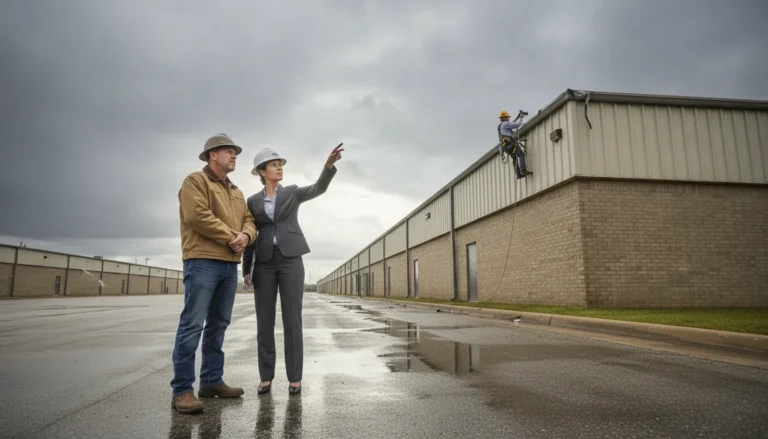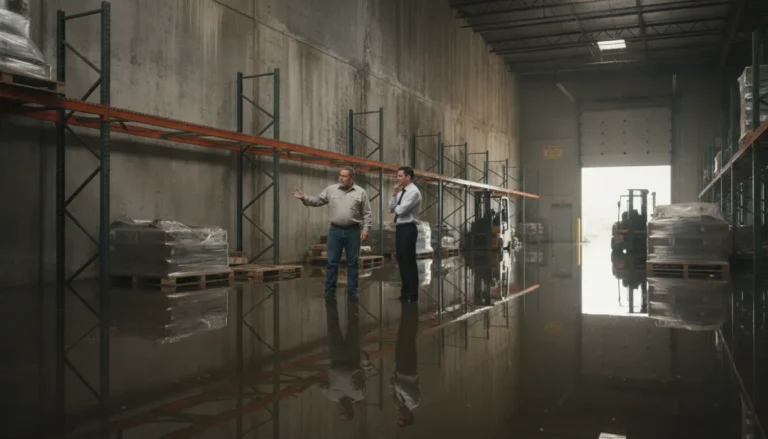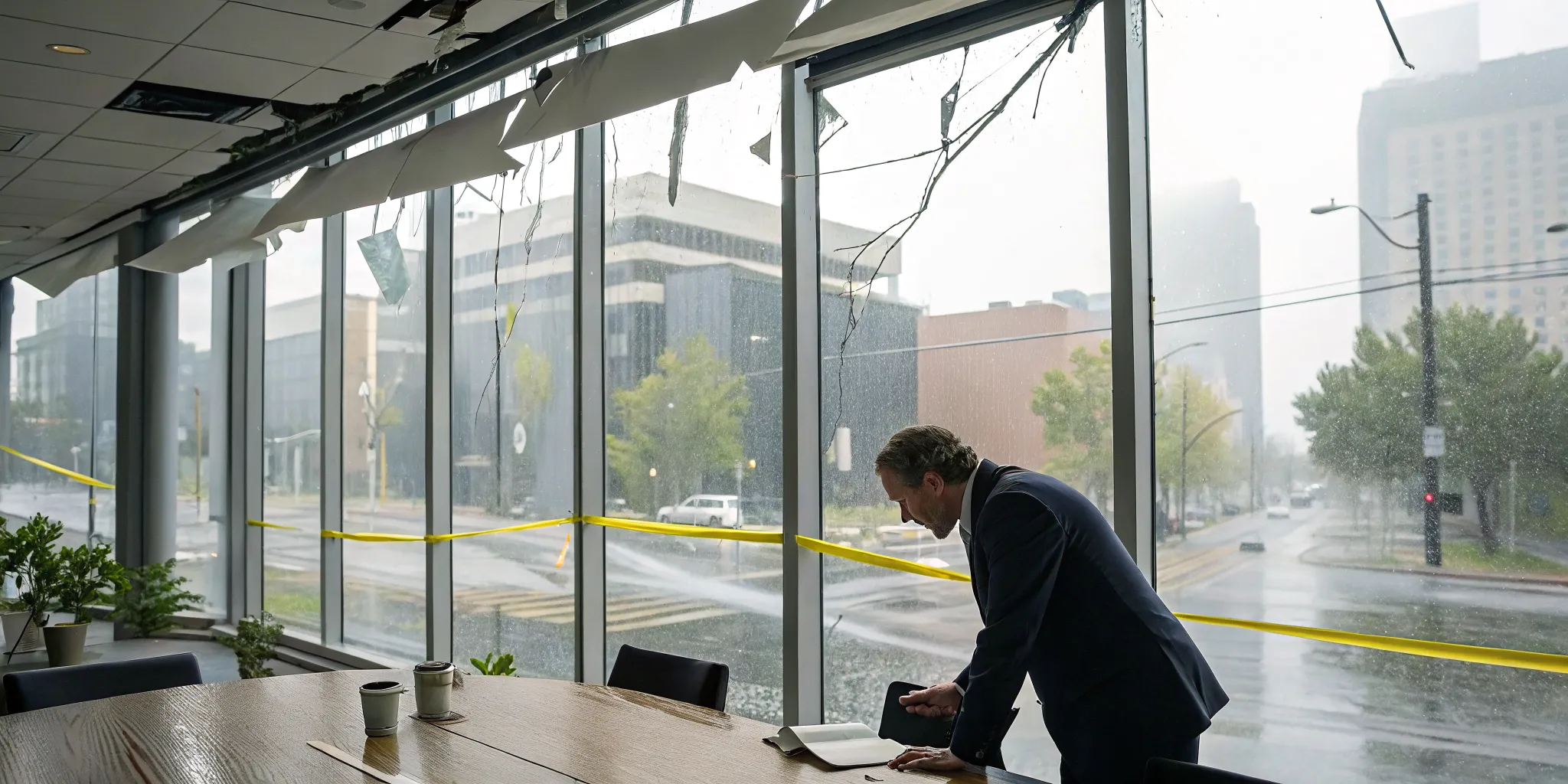
Think of your insurance denial letter not as a dead end, but as a roadmap. It may be pointing you in a direction you don’t want to go, but it also reveals the exact obstacles the insurance company has placed in your path. By understanding their specific reasons for the denial, you can create a strategic plan to navigate around them. This isn’t about getting lost in frustration; it’s about charting a new course toward a fair settlement. If you’re asking yourself what to do if insurance denies business wind damage claim, you’ve come to the right place. We’ll outline the precise steps for gathering strong evidence, filing a compelling appeal, and fighting for the compensation your business needs to rebuild.
Key Takeaways
- Challenge the Insurer’s First “No”: A denial letter is not the final word; it’s the start of the appeal process. Immediately review the insurer’s reasoning, compare it to your policy, and prepare to formally dispute their decision.
- Build Your Case with Solid Proof: Overturn a denial by presenting indisputable facts. Gather strong evidence like independent repair estimates, official storm reports, detailed photos of the damage, and your property’s maintenance records to prove your claim’s validity.
- Recognize When You Need Legal Support: Don’t go it alone if the claim is complex, the financial stakes are high, or you suspect the insurer is acting in bad faith. An experienced attorney can interpret your policy, protect your rights under Texas law, and fight for the full compensation you deserve.
Why Insurers Deny Business Wind Damage Claims
Receiving a denial letter after a windstorm can feel like a punch to the gut, especially when you’re trying to get your business back on its feet. It’s frustrating, but it’s also a common tactic used by insurance companies. They are for-profit businesses, and paying out large claims for wind damage isn’t in their financial interest. Understanding the reasons they use to deny claims is the first step in building a strong appeal. Often, the justification for a denial falls into a few key categories, from blaming the damage on pre-existing issues to finding loopholes in your policy’s fine print. Knowing what to expect can help you prepare a much stronger case and challenge the insurer’s decision effectively.
Normal Wear and Tear vs. Storm Damage
One of the most frequent reasons for denial is the “wear and tear” argument. The insurance company might claim that your roof, siding, or windows were already old and deteriorating, and the windstorm simply exposed these existing issues. They will argue that the damage is a result of normal aging and lack of maintenance, which your policy doesn’t cover, rather than the direct force of the storm. A Fort Worth property insurance lawyer can help you challenge this assessment by gathering evidence, like meteorological data and expert opinions, to prove the wind was the true cause of your loss.
Policy Exclusions and Coverage Gaps
Insurance policies are notoriously complex documents filled with specific exclusions. Your insurer might deny your claim by pointing to a clause that limits or excludes coverage for certain types of wind-related damage. For example, many Texas business policies distinguish between damage from wind and damage from wind-driven rain or flooding. If the adjuster determines water intrusion caused the bulk of the damage, they may deny the claim based on a flood exclusion, even if the wind created the opening for the water to enter. Understanding your policy’s specific language is critical, as insurers often use ambiguity to their advantage across all practice areas.
Insufficient Documentation or Missed Deadlines
Sometimes, a denial has less to do with the damage itself and more to do with procedure. The burden of proof is on you, the policyholder, to demonstrate the extent of your loss. If you fail to provide sufficient documentation, such as clear photos, detailed repair estimates, and a complete inventory of damaged business property, the insurer can deny the claim for lack of evidence. Similarly, every policy includes strict deadlines for reporting a claim and submitting paperwork. Missing one of these critical dates can result in an automatic denial, giving the insurer an easy way out of paying what they owe.
Pre-Existing Conditions and Maintenance Issues
Insurers will often send an adjuster to inspect your property with a fine-toothed comb, looking for any sign of a pre-existing problem. They might argue that your roof had loose shingles or your building had structural issues long before the storm hit. By blaming the damage on deferred maintenance, they shift the responsibility from the covered peril (wind) to your alleged negligence as a property owner. This is where having detailed maintenance records can be invaluable. An experienced attorney like Tim Hoch can help you counter these claims and show that your property was in good condition before the storm, a key part of fighting for the coverage you deserve.
What to Do Immediately After a Claim Denial
Receiving a denial letter for your business wind damage claim can feel like a major setback, especially when you’re already dealing with the stress of property damage. But it’s important to remember that a denial is not the final word. Insurance companies often deny valid claims, sometimes hoping you’ll simply accept their decision and walk away. Instead of getting discouraged, it’s time to get organized. Taking a few strategic steps immediately after receiving the denial can set you up for a successful appeal. Think of the insurer’s denial as the start of a conversation, not the end of one. This is your opportunity to build a stronger case and show them exactly why your claim should be paid. By methodically reviewing the denial, examining your policy, and gathering your evidence, you can challenge the insurance company’s position effectively. The initial shock can be disheartening, but a calm and systematic approach is your best tool right now. The steps you take in the days following a denial are critical and can significantly influence the outcome of your appeal. Let’s walk through the immediate actions you can take to protect your rights and fight for the coverage you deserve.
Review Your Denial Letter
Before you do anything else, take a moment and carefully read the denial letter. Your insurance company is required to provide a specific reason for its decision. The letter will likely cite certain provisions or exclusions in your policy as the basis for the denial. This is your starting point. Identify and highlight the exact language they use and the policy sections they reference. Understanding their argument is the first step to building your counter-argument. Don’t just skim it; treat this letter as a roadmap that shows you exactly what you need to address in your appeal.
Examine Your Insurance Policy
With the denial letter in hand, it’s time to pull out your full insurance policy. Compare the reasons given for the denial with the actual language in your contract. Insurance policies can be dense and difficult to read, but focus on the sections the insurer pointed to. Look for key definitions, conditions, and the list of exclusions. Does the policy language truly support their reason for denying your wind damage claim? Sometimes, adjusters misinterpret or misapply policy terms. If the wording seems ambiguous or you believe it’s being applied unfairly, you may have a strong basis for an appeal. A Fort Worth property insurance lawyer can be an invaluable resource for interpreting complex policy language.
Document Everything and Preserve Evidence
Now is the time to become a meticulous record-keeper. Your appeal will be much stronger if it’s supported by a mountain of evidence. Gather everything related to your claim and organize it in one place. This includes the original photos and videos of the damage, any receipts for temporary repairs, weather reports from the day of the storm, and all correspondence with your insurance company. If you had an independent contractor inspect the damage, include their report and estimate. Don’t throw anything away. Every email, note from a phone call, and receipt helps build a comprehensive timeline and proves the extent of your loss.
Prevent Further Property Damage
Even though your claim was denied, you still have a responsibility to prevent the existing damage from getting worse. This is often called the “duty to mitigate damages.” For example, if your roof has missing shingles from the wind, a subsequent rainstorm could cause significant water damage inside your building. Take reasonable steps to secure your property, such as placing a tarp over the damaged roof or boarding up broken windows. Be sure to take photos of the temporary measures you put in place and keep all receipts for materials or labor. These costs may be recoverable as part of your claim, and your proactive efforts show you are acting in good faith.
How to Gather Strong Evidence for Your Appeal
After a claim denial, it’s easy to feel like the insurance company holds all the cards. But this is where you can start to take back control. Building a strong appeal isn’t just about disagreeing with the insurer’s decision; it’s about proving your case with indisputable facts. The denial letter is the insurance company’s version of events, and now it’s your turn to present the truth with clear, compelling evidence that they can’t ignore.
Think of yourself as a detective building a case. Your goal is to collect a file of proof so strong that it leaves no room for doubt. A thorough evidence package can completely change the conversation and significantly improve your chances of overturning the denial. It shows the insurance company that you are serious, organized, and prepared to fight for the coverage you deserve. This isn’t about creating a conflict; it’s about ensuring fairness and holding your insurer accountable to the policy you paid for. An appeal backed by solid evidence is much more likely to be taken seriously than a simple letter of disagreement. We’ll walk through the four key types of evidence you should start gathering right away to build a powerful appeal package.
Get a Professional Damage Assessment
The adjuster your insurance company sent works for them, and their assessment will naturally protect the company’s interests. To counter their findings, you need an unbiased second opinion. You should hire an independent, qualified professional to inspect the damage to your property. This could be a licensed public adjuster, a structural engineer, or a reputable commercial roofing contractor who has experience with storm damage claims in Texas.
Their report will provide a detailed, third-party evaluation of the damages and an estimate for the cost of repairs. This independent assessment is one of the most powerful tools in your appeal, as it provides a credible, expert-backed argument against the insurer’s lowball estimate or incorrect conclusion. An experienced Fort Worth property insurance lawyer can often help you find trusted professionals for this crucial step.
Collect Weather Data and Storm Reports
Was your claim denied because the insurer said the wind wasn’t strong enough to cause the damage? You can directly challenge that claim with objective data. Your appeal should include official weather reports from the day the damage occurred. You can find historical weather data from sources like the National Weather Service that document wind speeds, hail size, and rainfall for your specific area.
This information helps you create a timeline and prove that a severe weather event did, in fact, impact your property. By tying the damage directly to a documented storm, you can effectively counter arguments that the damage was due to “wear and tear” or other non-covered causes. This evidence shifts the focus from opinions to verifiable facts.
Take Detailed Photos and Videos
Visual evidence is incredibly persuasive. Before any cleanup or temporary repairs are made, you need to thoroughly document every bit of damage. Use your smartphone to take more photos and videos than you think you need. Get close-ups of things like lifted shingles, cracked siding, broken windows, and interior water stains. Then, take wider shots to show the overall context of the damage to the building.
A great tip is to record a video where you walk through the property, both inside and out, narrating what you’re seeing and pointing out the specific areas of damage. This creates a comprehensive visual record that can help an adjuster or lawyer understand the full extent of your loss without ever setting foot on the property.
Compile Maintenance and Repair Records
One of the most common reasons insurers deny wind damage claims is by blaming “pre-existing conditions” or “poor maintenance.” You can shut down this argument by proving you’ve been a responsible property owner. Go through your records and gather all invoices, receipts, and contracts for maintenance and repairs performed on your property over the years, paying special attention to any roof work.
These documents demonstrate your diligence and create a history of the property’s condition before the storm. If you can show that your roof was recently inspected or repaired, it becomes much harder for the insurer to claim the damage was your fault. This preparation is a key part of handling the complex disputes that fall under our firm’s practice areas.
Your Options for Appealing a Denied Claim
Receiving a denial letter for your wind damage claim can feel defeating, but it’s important to remember that this is not the end of the road. You don’t have to simply accept the insurance company’s decision. As a policyholder in Texas, you have several options for challenging a denial and fighting for the coverage you deserve.
File a Formal Appeal with Your Insurer
Your first move is usually to file a formal appeal directly with your insurance provider. This process requires you to officially notify the company that you disagree with their decision and ask them to reconsider the claim. An appeal is your opportunity to present new evidence, clarify misunderstandings, and make a stronger case for why your damages should be covered. Each insurer has its own specific procedure for appeals, so be sure to follow the instructions in your denial letter carefully to meet all requirements and deadlines.
Request an Independent Appraisal
If the dispute is mainly about the amount of money the insurer is offering, you can request an independent appraisal. This is a formal process to settle disagreements about the cost of repairs. You and your insurance company will each hire an appraiser to evaluate the damage. Those two appraisers then select a neutral third party, called an umpire, who will make a binding decision if they can’t agree. This method can be an effective way to get an unbiased assessment of your property’s damage and resolve disputes over the claim’s value.
Work with a Public Adjuster
Another option is to hire a public adjuster. These are licensed professionals who work on your behalf to manage your claim. A public adjuster can help document your losses, communicate with the insurance company, and negotiate a settlement. They work for you, not the insurer. However, they do charge a fee for their services, which is typically a percentage of your final settlement. It’s important to understand their fee structure before you hire them to make sure it’s the right financial decision for your situation.
File a Complaint with the Texas Department of Insurance
If you believe your insurance company has acted in bad faith or treated you unfairly, you can file a complaint with the Texas Department of Insurance (TDI). The TDI is the state agency that regulates insurance companies, and it will investigate your complaint to determine if the insurer violated Texas law. While the TDI cannot force your insurer to pay a claim, a formal complaint can put pressure on the company to review your case more seriously. This step is especially important if you are working with a property insurance lawyer to build a case for bad faith.
How the Insurance Appeal Process Works
Once you decide to challenge a denial, you’ll begin the formal insurance appeal process. This isn’t just about sending a quick email; it’s a structured procedure where you present your case to the insurer, asking them to reconsider their decision. Think of it as your opportunity to formally correct the record and show them exactly what they missed. Success often comes down to understanding the rules, providing overwhelming evidence, and being persistent. Let’s walk through what that looks like step by step.
Key Appeal Timelines and Deadlines
Time is a critical factor in an insurance appeal. You need to act quickly, but you also need to be aware of the specific deadlines that apply to your claim. While it’s always best to report damage as soon as possible, Texas law provides specific timelines for the claims process. For instance, if your policy includes “replacement cost coverage” and was issued or renewed after January 1, 2020, you generally have 545 days to complete repairs. Missing a deadline can jeopardize your entire appeal, so pay close attention to the dates mentioned in your policy and denial letter. Don’t let the clock run out on your right to fair compensation.
What to Include in Your Appeal Package
Your appeal letter is your chance to make a new first impression. It should be professional, clear, and supported by a mountain of evidence. Start with a formal letter explaining why you disagree with the denial, referencing specific parts of your policy if you can. Then, assemble a comprehensive package that includes everything proving your claim: new photos and videos of the damage, independent repair estimates, weather reports from the day of the storm, and receipts for any temporary repairs. A Fort Worth property insurance lawyer can help you organize this evidence into a compelling narrative that leaves no room for doubt. Always send your appeal in writing and keep a copy for your records.
What to Expect During the Review
After you submit your appeal, the insurance company will assign someone, often a different adjuster, to review your file. Don’t be surprised if their initial goal is to uphold the original denial; after all, insurance companies are businesses focused on their bottom line. The reviewer will look at the new evidence you provided and compare it against the initial adjuster’s report and your policy terms. They may contact you with questions or request more information. This is a normal part of the process. The key is to remain firm, responsive, and prepared to defend your position with facts. Having an experienced trial lawyer on your side can show the insurer you are serious about getting a fair outcome.
Common Mistakes to Avoid During Your Appeal
When your wind damage claim is denied, it’s easy to make a misstep that could hurt your chances of a successful appeal. The process can feel overwhelming, but knowing what pitfalls to look out for can make a significant difference. By avoiding a few common errors, you can approach your appeal with clarity and confidence, putting you in a much stronger position to get the coverage you deserve.
Accepting the Denial at Face Value
It’s completely understandable to feel discouraged after receiving a denial letter. However, one of the biggest mistakes you can make is simply accepting the insurer’s decision without question. Remember, an initial denial is not the end of the story. Insurance companies may deny claims for various reasons, and sometimes their initial assessment is incorrect. Your first step should be to carefully review the denial letter to understand their exact reasoning. This information is critical because it forms the basis of your appeal and helps you identify where you need to push back. Challenging the denial is your right as a policyholder in many property insurance disputes.
Missing Critical Deadlines
The insurance claim process is full of strict deadlines, and missing one can stop your appeal before it even starts. In Texas, you have a limited time to report damage and file your claim. For example, if your policy includes replacement cost coverage and was issued or renewed after January 1, 2020, you generally have 545 days to complete repairs. Your policy documents and denial letter should outline the specific timelines you need to follow. Mark these dates on your calendar immediately. Failing to file your appeal or provide requested information within the specified timeframe can give the insurance company a valid reason to reject your claim permanently, no matter how strong your evidence is.
Submitting Incomplete or Poor-Quality Evidence
When you appeal a denied claim, the responsibility is on you to prove your case. An insurer might argue that there’s no definitive proof that wind caused the damage or that the damage existed before the storm. Vague or disorganized evidence makes it easy for them to stand by their denial. To counter this, you need to gather thorough, high-quality proof. This includes detailed photos and videos of the damage from multiple angles, a copy of the storm report from the day of the incident, and repair estimates from reputable contractors. Organizing this information into a clear, comprehensive package helps you build a compelling case that is difficult for the insurer to ignore.
When to Hire a Lawyer for Your Denied Claim
Navigating the appeals process on your own can be challenging, but it’s not always impossible. However, there are specific red flags that signal it’s time to stop going it alone and bring in a legal professional. If your insurer is digging in their heels, the claim involves significant damage, or the denial just doesn’t feel right, you might need an experienced attorney on your side. Recognizing these moments is key to protecting your business and getting the funds you need to rebuild. Here are three major signs that you should hire a lawyer for your denied claim.
Your Policy Language Is Complex
Insurance policies are dense legal contracts, filled with jargon and clauses that can be confusing. It’s common for an insurer to deny a claim by pointing to a specific exclusion or a tricky definition within the policy. They might argue that the type of wind damage your business sustained isn’t covered, even if it seems like it should be. If your denial letter references ambiguous language or a complex section of your policy you don’t understand, it’s a good idea to get a professional opinion. An experienced property insurance lawyer can interpret these complexities, challenge the insurer’s interpretation, and determine if your claim was wrongfully denied.
You Suspect Insurance Bad Faith
Your insurance company has a legal duty to act in good faith, which means handling your claim fairly and honestly. Unfortunately, that doesn’t always happen. If you feel your insurer is intentionally making things difficult, you might be dealing with bad faith. This can look like unexplained delays, a refusal to provide a clear reason for the denial, or offering a settlement that is insultingly low. When an insurer fails to communicate or seems to be looking for any excuse to avoid paying, you need someone to advocate for your rights. A lawyer can hold the insurance company accountable for their obligations and fight back against unfair tactics.
The Financial Stakes Are High
When a wind damage claim is denied, the financial fallout for your business can be devastating. You could be facing massive repair bills, lost revenue from business interruption, and other costs that threaten your company’s stability. If the amount of money needed to make things right is substantial, you shouldn’t leave the outcome to chance. The more that’s at stake, the harder an insurance company may fight to avoid paying. Hiring an attorney ensures you have a skilled professional ready to negotiate with the insurance company on your behalf. They can build a strong case to secure the full and fair compensation you need to recover and move forward.
How to Strengthen Your Appeal
A denial letter can feel final, but it’s often just the start of a conversation. Strengthening your appeal is about methodically building a case that is too compelling for your insurer to ignore. It requires organization, a clear understanding of your rights, and strategic communication. By approaching the appeal with a solid plan, you can significantly improve your chances of getting the coverage you deserve for your business. This process involves gathering robust evidence, knowing the rules that govern insurance in Texas, and maintaining professional and clear correspondence with your provider. Let’s walk through how you can fortify your position at each of these critical stages.
Build a Comprehensive Evidence Package
Think of yourself as building an undeniable case for your claim. Your goal is to present a complete picture of the damage and its cause. Start by gathering every piece of documentation that supports your claim. This includes detailed photos and videos of the damage from multiple angles, receipts for any temporary repairs you made to prevent further issues, and official weather reports from the day of the storm. If you have them, include your property’s maintenance records to show it was in good condition before the wind damage occurred. A Fort Worth property insurance lawyer can help you organize this evidence into a persuasive package that clearly demonstrates the validity of your claim.
Know Your Rights Under Texas Law
It’s important to remember that you don’t have to simply accept your insurance company’s decision. Texas law provides policyholders with specific protections and avenues for recourse. You have the right to formally appeal the denial and present new evidence. If you and your insurer still can’t agree on the amount of your loss, you can demand an appraisal process where independent parties review the claim. The Texas Department of Insurance outlines these options, which also include mediation or, if necessary, filing a lawsuit. Understanding these rights empowers you to push back effectively and ensures you don’t leave money on the table.
Communicate Effectively with Your Insurer
When you challenge a denial, keep your communication professional, clear, and in writing. Start by sending a formal letter to your insurance company explaining exactly why you disagree with their decision. Reference specific language in your policy and attach any new evidence you’ve gathered, such as an independent contractor’s estimate that contradicts their assessment. Document every interaction, including the date, time, and name of the person you speak with. This written record creates a clear trail of your efforts to resolve the dispute. If your insurer remains unresponsive or refuses to negotiate fairly, it may be time to explore your legal practice areas and options.
Legal Options if Your Appeal Fails
Receiving a final denial after you’ve put in the work to appeal can feel like hitting a wall. It’s frustrating and disheartening, but it doesn’t have to be the end of your fight. When the insurance company refuses to reconsider, you still have powerful legal options to pursue the compensation you deserve. This is the point where you shift from dealing with adjusters to asserting your legal rights.
Taking legal action holds your insurer accountable for their obligations. If your appeal was based on solid evidence and a fair interpretation of your policy, a final denial may be a sign of something more serious, like insurance bad faith. Understanding your next steps can help you move forward with confidence.
Filing a Lawsuit Against the Insurance Company
If your insurer unfairly denies your claim after an appeal, you have the right to file a lawsuit. This legal action often centers on the concept of “bad faith,” which means your insurance company failed to uphold its legal duty to you as a policyholder. An unjust denial, a failure to investigate properly, or an unreasonable delay can all be grounds for a bad faith lawsuit.
This isn’t just about disagreeing with their decision; it’s about holding them accountable for wrongful conduct. Taking an insurance company to court is a significant step, and it’s crucial to have a strong case. A Fort Worth property insurance lawyer can review your denial, policy, and evidence to determine if the insurer acted in bad faith and guide you through the complexities of litigation.
Your Protections Under the Texas Insurance Code
As a policyholder in Texas, you have specific rights protected by state law. The Texas Insurance Code requires insurance companies to act in good faith and engage in fair dealing with their customers. This means they must provide a reasonable explanation for any claim denial and cannot create unnecessary delays or hurdles. If your insurer denies your wind damage claim without a valid reason, they may be violating this code.
While you can file a complaint with the Texas Department of Insurance, pursuing legal action is often the most effective way to enforce your rights. An attorney who understands these state-specific protections can build a much stronger case on your behalf. You can learn more about your rights and similar cases on our Justice Blog.
Potential Damages You Can Recover
When you successfully sue your insurance company, you can seek to recover more than just the original amount of your claim. The court may award several types of damages, depending on the circumstances of your case. These can include the full cost of your covered repairs, as well as additional losses you suffered because the insurer failed to pay.
In cases where the insurer’s conduct was particularly egregious, you may also be awarded punitive damages. These are intended to punish the company for its wrongful actions and deter it from treating other policyholders unfairly in the future. Reviewing a firm’s past results can give you an idea of what’s possible when you have a dedicated trial lawyer fighting for you.
Related Articles
- Why Hire an Arlington Wind Damage Claim Attorney?
- What to Do After a Denied Business Interruption Claim
- 5 Signs You Need to Hire an Attorney for Wind Damage
- When to Hire a Hurricane Damage Insurance Lawyer
- 5 Steps to Appeal a Business Interruption Claim
Frequently Asked Questions
My insurer denied my claim, saying the wind damage was just “wear and tear.” How can I fight that? This is one of the most common arguments insurers use, but it’s definitely something you can challenge. Your focus should be on proving the damage is new and was directly caused by the storm. You can do this by gathering historical weather data that shows a significant wind event occurred on that date. More importantly, hire an independent roofing contractor or engineer to perform their own inspection. Their professional report, which details storm-related damage, provides a credible counter-argument to the insurance company’s self-serving assessment.
What if the insurance company’s offer is just too low to cover the repairs? You are not obligated to accept an offer that doesn’t fully cover your losses. If the main disagreement is about the cost of repairs, your first step is to get detailed, itemized estimates from at least two reputable local contractors. If presenting these estimates to the insurer doesn’t resolve the issue, your policy likely contains an appraisal clause. This allows you and the insurer to each hire an independent appraiser to value the damage, and they work together to reach a fair number, providing a structured way to settle disputes over cost.
I feel like my insurance company is intentionally making this difficult. What does that mean? When an insurer uses unreasonable delays, refuses to provide a clear reason for a denial, or makes an offer that is obviously far too low, it could be a sign of “bad faith.” Insurance companies have a legal duty to treat you fairly and handle your claim honestly. If their actions feel more like an attempt to avoid paying what they owe rather than a genuine dispute, it’s a serious issue. Documenting every interaction is critical, and this is a key moment to consult with an attorney who can determine if the insurer is violating Texas law.
Can I handle the appeal process on my own? You can certainly start the appeal process yourself, especially if the issue is straightforward. A strong appeal involves writing a formal letter outlining your disagreement and providing a package of organized evidence, like photos and independent estimates. However, you should consider hiring an attorney if the financial stakes are very high, if the denial is based on complex policy language you don’t understand, or if you suspect the insurer is acting in bad faith. An attorney can manage the process and show the insurer you are serious about getting a fair result.
My appeal was denied again. Is it over? A second denial is incredibly frustrating, but it is not the end of the road. When the internal appeal process fails, your next step is to explore your legal options. This is the point where filing a lawsuit against the insurance company becomes a real possibility. An experienced attorney can review your entire claim history, from the initial damage to the final denial, to build a case. A lawsuit can seek to recover not only the money for your repairs but also additional damages if the insurer acted wrongfully.