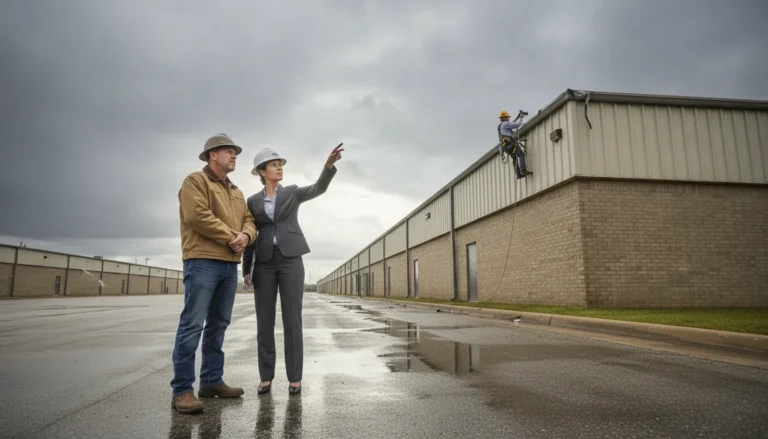
Storm damage isn’t just about a leaky roof or broken windows; it’s about the survival of your business. Every day your doors are closed or your operations are limited, you are losing revenue and risking your company’s future. The settlement from your insurance company isn’t just for repairs—it’s the capital you need to recover completely. Unfortunately, insurers often offer settlements that fail to account for the full financial impact, leaving you to cover the shortfall. A skilled Texas commercial storm damage lawyer understands what’s at stake, fighting not just for materials and labor, but for the comprehensive compensation required to make your business whole again.
Key Takeaways
- Your first steps build your strongest case: After a storm, thoroughly document all damage with photos and videos. Take reasonable steps to prevent the situation from worsening and report the claim to your insurer as soon as possible.
- A specialized lawyer is your professional advocate: Insurance companies often delay, deny, or underpay commercial claims to protect their bottom line. An attorney experienced in Texas property law interprets complex policies, challenges unfair offers, and ensures your insurer is held accountable.
- Know when to seek legal help: A denied claim, a low settlement offer, or significant delays are clear signals to contact an attorney. Look for a Board Certified trial lawyer with a proven record in Texas commercial cases who works on a contingent fee basis.
What is a Texas Commercial Storm Damage Lawyer?
When a storm damages your business, the path to recovery can feel overwhelming. A Texas commercial storm damage lawyer is a legal professional who specializes in representing business owners in disputes with their insurance companies. Unlike a general practice attorney, they have deep experience with the specific challenges of commercial property claims, from complex policy language to the tactics insurers use to limit payouts. They act as your dedicated advocate, working to ensure you get the full and fair compensation needed to repair your property and get your business back on track.
Your Advocate for Business Property Claims
A Texas commercial storm damage lawyer is your representative in the complex world of insurance claims. Commercial property claims are significantly different from residential ones, often involving larger properties, more complex damage assessments, and business interruption losses. After a storm, it’s crucial to have your property inspected by a professional who understands commercial storm damage. If their evaluation conflicts with the insurance adjuster’s findings, your attorney will step in to challenge the insurer’s low assessment. They manage the paperwork, deadlines, and communication, allowing you to focus on running your business while they handle the legal fight.
Fighting for Fair Treatment from Insurers
Insurance companies often prioritize their bottom line, which can lead them to delay, deny, or underpay valid claims. They might offer a quick, low settlement, hoping you’ll accept it out of desperation without realizing it won’t cover your total losses. A storm damage lawyer understands these strategies and knows how to counter them effectively. They build a strong case by documenting your damages, hiring the right experts, and negotiating aggressively on your behalf. Their goal is to hold your insurer accountable to the policy you paid for and secure the full compensation you deserve for your repairs and recovery.
Why Are Commercial Storm Damage Claims So Hard?
After a storm damages your business, you expect your insurance company to help you get back on your feet. Unfortunately, the claims process is often an uphill battle. Commercial property claims are far more complex than residential ones, with higher stakes and intricate policies that can feel impossible to understand. Insurers frequently use this complexity to their advantage, creating frustrating and costly roadblocks for business owners who are already under immense pressure to reopen their doors. They are, after all, for-profit businesses motivated to protect their bottom line. This often means paying out as little as possible on claims, even valid ones. Understanding their common tactics is the first step toward protecting your rights and your company’s future. When you know what to look for, you can better prepare for the fight ahead and recognize when it’s time to get professional legal help on your side.
Dealing with Denials and Delays
It’s a common story: your insurer takes an unreasonable amount of time to respond, or they deny your claim with a vague explanation. These delays aren’t just frustrating; they can be a deliberate strategy. Some companies hope that by dragging out the process, you’ll get discouraged and either give up or accept a fraction of what you’re owed. They know that every day your business is closed or operating at a reduced capacity, the financial pressure on you grows. This strategy aims to wear you down, but you don’t have to face it alone. An experienced lawyer can hold the insurance company accountable to the timelines set by Texas law and fight back against wrongful denials.
Fighting Lowball Settlement Offers
One of the most frequent issues business owners face is receiving a settlement offer that doesn’t come close to covering the actual cost of repairs. Insurers often try to pay less by claiming the damage was pre-existing, blaming normal wear and tear, or using their own adjusters who undervalue the cost of materials and labor. They might offer a quick, small payout, hoping you’ll take it without realizing it won’t be enough to fully restore your property. Accepting a lowball offer can leave you paying for significant repairs out of pocket. Reviewing a firm’s past results can show you how a dedicated attorney challenges these unfair valuations to secure the funds you truly need.
Decoding Complex Insurance Policies
Commercial insurance policies are dense, lengthy documents filled with legal jargon, specific conditions, and confusing exclusions. Unlike a standard homeowner’s policy, a commercial policy can have multiple layers of coverage and endorsements that are difficult to interpret. Insurance companies can exploit this complexity, pointing to obscure clauses to justify denying or underpaying your claim. A skilled Fort Worth property insurance lawyer knows how to read these policies and can counter the insurer’s interpretation. They understand the nuances of Texas insurance law and can make sure your policy is applied fairly, just as you intended when you paid your premiums.
When Insurers Don’t Play Fair (Bad Faith)
Your insurance company has a legal duty to treat you fairly and honestly. When they fail to do so, it’s known as acting in “bad faith.” This can include unfairly denying a valid claim, delaying payment without a good reason, or using deceptive tactics to avoid paying what they owe. For example, they might misrepresent what your policy covers or fail to conduct a thorough investigation into the damage. If your insurer is acting in bad faith, you may be able to sue for damages beyond your original policy limits. Recognizing these unfair practices is key to protecting your business and holding the insurance company accountable for their actions.
How a Lawyer Can Strengthen Your Claim
When your commercial property is damaged in a storm, the path to recovery can feel overwhelming. You’re not just dealing with repairs; you’re facing a complex insurance claim process designed to protect the insurer’s bottom line. Bringing in an experienced attorney isn’t about starting a fight. It’s about leveling the playing field. A lawyer acts as your advocate, managing the details and deadlines so you can focus on getting your business back on its feet. They understand the tactics insurers use to minimize payouts and have the resources to build a powerful case on your behalf, ensuring you have the best possible chance of receiving the funds you need to rebuild.
An attorney who specializes in commercial property claims can anticipate the insurance company’s moves and counter them effectively. They translate the complicated language in your policy and ensure that every potential area of coverage is explored. From documenting the full extent of the damage to negotiating with adjusters and, if necessary, taking your case to court, their involvement sends a clear message: you are serious about receiving a fair settlement. This professional representation ensures you have the best possible chance of securing the funds you need to rebuild and reopen your doors without cutting corners. They handle the stress of the claim so you can handle the stress of your business. Without legal support, you are at the mercy of the insurance adjuster, whose job is to pay out as little as possible. A lawyer shifts that power dynamic back in your favor.
Handling the Paperwork and Proof
After a storm, you’re buried in immediate concerns, and the last thing you need is a mountain of insurance paperwork. A property insurance lawyer takes this burden off your shoulders. They manage all communications with the insurance company, handle the complex claim forms, and organize the necessary documentation to prove your losses. An attorney knows exactly what information is required and how to present it effectively to prevent unnecessary delays or denials. This meticulous management ensures every deadline is met and your claim is positioned for success from the very beginning, freeing you to concentrate on running your business.
Securing the Full Compensation You Deserve
Insurance companies often make quick, lowball settlement offers, hoping you’ll accept less than your claim is worth just to get the process over with. An experienced lawyer knows the true cost of commercial repairs and recovery. They work with a network of independent experts, like engineers and public adjusters, to conduct a thorough damage assessment that uncovers all losses, including hidden structural issues and business interruption costs. Armed with this detailed evidence, your attorney can negotiate from a position of strength, fighting for a settlement that fully covers your damages and helps you achieve the results you deserve.
Protecting Your Business from Bad Faith Tactics
Insurers have a legal duty to handle your claim fairly, but sometimes they don’t. They might use bad faith tactics like blaming the damage on “wear and tear,” misinterpreting your policy language, or creating unreasonable delays to wear you down. These strategies are designed to make you give up or accept an unfair offer. A skilled attorney recognizes these tactics immediately. They know Texas insurance law inside and out and can hold your insurer accountable for their actions. By documenting every interaction and challenging wrongful denials, they protect your rights and ensure the insurance company honors its obligations under your policy.
Gathering the Right Evidence
A successful storm damage claim depends on solid proof. While your initial photos and videos are important, a lawyer takes evidence gathering to the next level. They coordinate with independent professionals to perform detailed inspections that can reveal damage an insurance adjuster might overlook, like bruised shingles or subtle structural weaknesses that lead to major problems later. Your attorney ensures this expert evidence is properly documented and presented to the insurer, creating a comprehensive and undeniable picture of your losses. This strategic approach, led by an experienced trial lawyer like Tim Hoch, builds a powerful foundation for your claim.
Your First Steps After a Storm Hits
The moments after a severe storm can be chaotic and stressful. When you’re looking at damage to your commercial property, it’s easy to feel overwhelmed. But the actions you take right away are critical for a successful insurance claim. By focusing on a few clear, methodical steps, you can protect your business and set the stage for a fair recovery. Think of this as your immediate action plan to handle the aftermath and prepare for the property insurance disputes that may lie ahead.
Document the Damage
Once it’s safe, your first job is to become a detective. Grab your phone and take extensive photos and videos of everything. Don’t just get wide shots; capture close-ups of damaged roofing, windows, structural issues, and any business equipment or inventory that was affected. The more detailed your visual evidence, the stronger your case will be. Make sure to timestamp your photos if possible, or at least keep a log of when they were taken. If you make any emergency repairs, like buying a tarp or plywood, keep every single receipt. These initial records are the foundation of your insurance claim and provide undeniable proof of your losses.
Protect Your Property from More Damage
Your insurance policy requires you to take reasonable steps to prevent the damage from getting worse. This is called “mitigating your damages,” and it’s a crucial responsibility. It could mean putting a tarp over a hole in the roof to stop rain from getting in, boarding up broken windows, or moving undamaged inventory to a secure location. Taking these proactive measures shows the insurance company you’re being responsible and can prevent them from arguing that your inaction led to further losses. Just be sure to prioritize safety above all else. Keep detailed records and receipts for any money you spend on these temporary repairs, as these costs are often reimbursable.
Report the Claim to Your Insurer
With your initial documentation in hand, it’s time to officially report the claim. Contact your insurance company as soon as you can. Promptly notifying them gets the process started and shows you are serious about your claim. When you file, provide them with the photos, videos, and notes you’ve already gathered. Be prepared to give your policy number and a clear, factual description of what happened. Get a claim number and write down the name of the person you spoke with. It’s also smart to start a communication log, noting the date, time, and details of every conversation you have with the insurer.
Know When to Call a Lawyer
You don’t always need a lawyer from day one, but you should know the signs that it’s time to get help. If the insurance company starts delaying the process, gives you a lowball settlement offer that doesn’t cover your costs, or denies your claim outright, it’s a clear signal to seek legal advice. Other red flags include the adjuster misinterpreting your policy language or demanding excessive, unnecessary paperwork. An experienced Fort Worth property insurance lawyer can step in to protect your rights. A denied claim is not the final word. If you feel like your insurer isn’t treating you fairly, consulting an attorney ensures your business gets the full compensation it deserves.
Understanding the Storm Damage Claims Process
The aftermath of a storm is chaotic enough without adding a complicated insurance claim to the mix. While every situation is unique, the claims process generally follows a few key stages. Knowing what to expect can help you feel more prepared and in control as you work to get your business back on its feet. Here’s a breakdown of the typical steps involved so you can handle your claim with confidence.
Filing Your Claim and What Happens Next
Your first move after a storm is to document everything. Before you clean up, take extensive photos and videos of all the damage from every possible angle. Create a detailed inventory of any damaged equipment, inventory, or structural elements. If you can safely do so, keep samples of ruined materials like roofing or siding. Be sure to save every receipt for emergency repairs you make to prevent further issues, like boarding up windows or placing tarps. Once you have this initial evidence, you need to report the claim to your insurance company as soon as possible. This kicks off the formal process and establishes a timeline.
The Damage Assessment Phase
After you file, your insurer will assign an adjuster to inspect your property. It’s important to remember that this adjuster works for the insurance company, not for you. Because commercial property claims are often far more complex than residential ones, it’s a good idea to hire your own independent public adjuster or a trusted contractor to conduct a separate, thorough inspection. This is especially critical for hail or wind damage, which can be hard to spot. An independent assessment gives you a detailed, unbiased estimate of your losses, which serves as a powerful tool when you compare it against the insurer’s findings.
Negotiating Your Settlement
This is often the most challenging part of the process. It’s common for insurance companies to delay, deny, or offer a lowball settlement that doesn’t come close to covering your actual repair costs. They may hope you’ll accept a quick, small payment out of frustration or financial pressure. You don’t have to accept an unfair offer. If your insurer’s valuation is significantly lower than your independent estimate, or if you feel they are handling your claim in bad faith, it’s time to get help. An experienced Texas property insurance lawyer can step in to negotiate on your behalf and fight for a fair outcome.
How Long Does a Claim Take in Texas?
The timeline for a storm damage claim can vary widely, from a few weeks to many months or even longer, especially if the insurer is being difficult. While you want to resolve things quickly, it’s more important to get it right. Keep in mind that Texas law sets a deadline for taking legal action. Generally, you have two years from the date the damage occurred to file a lawsuit against your insurance company. This is a strict deadline, and if you miss it, you could lose your right to pursue the compensation your business deserves. This is why it’s so important not to let a delayed or denied claim sit for too long.
How to Choose the Right Texas Commercial Storm Damage Lawyer
Finding the right legal partner after a storm can feel like another overwhelming task, but it’s one of the most important decisions you’ll make for your business. You need an attorney who not only understands the law but also gets what’s at stake for your company. When you’re vetting potential lawyers, focus on these key areas to ensure you’re choosing a true advocate who can protect your interests.
Look for Board Certification and Trial Experience
In Texas, any lawyer can take on an insurance case, but not all have the same level of expertise. Look for an attorney who is Board Certified in Personal Injury Trial Law by the Texas Board of Legal Specialization. This certification is a mark of distinction, identifying an attorney with extensive knowledge and proven experience in the courtroom. An insurance company is more likely to offer a fair settlement when they know your lawyer isn’t afraid to take them to trial. A Board Certified trial lawyer has the credentials to show they can and will fight for you all the way.
Check Their Track Record with Business Claims
Commercial storm damage claims are far more complex than residential ones. The policies are different, the stakes are higher, and the insurance company’s tactics are often more aggressive. You need a lawyer with a history of handling claims for businesses like yours. Ask about their experience with issues specific to commercial properties, such as business interruption, lost income, and damage to specialized equipment. A firm that can show you proven results in commercial property disputes demonstrates that they have the skill to manage the unique challenges your business is facing and can anticipate the insurer’s next move.
Ensure They Know Texas Insurance Law
Texas has a specific set of laws, known as the Texas Insurance Code, that governs how insurance companies must handle claims. An attorney with a deep understanding of these state-specific rules is essential. They will know the deadlines for filing, the proper procedures for documenting your claim, and exactly what constitutes “bad faith” from an insurer. This specialized knowledge is your best defense against an insurance company that might try to use legal loopholes to underpay or deny your claim. Your lawyer should be an expert in Texas property insurance law, using it to hold your insurer accountable.
Understand Their Fees and Client Approach
Before you hire anyone, make sure you understand how they get paid. Most reputable property damage lawyers work on a contingent fee basis, which means you don’t pay any attorney’s fees unless they recover money for you. This arrangement aligns their interests with yours. You should also look for a lawyer who offers a personalized approach, taking the time to understand your business and keeping you informed at every step. A good attorney acts as your partner, guiding you through the process and providing the dedicated attention your case deserves. Look into their practice areas to see if their approach aligns with your needs.
Key Qualities of a Top Storm Damage Lawyer
When your business is on the line, you need more than just any attorney; you need a legal advocate with a specific skill set. The right lawyer can be the difference between a frustrating, low settlement and a fair recovery that gets your business back on its feet. As you search for representation, focus on a few non-negotiable qualities. A top-tier storm damage lawyer understands the insurance industry’s tactics, has deep roots in Texas law, and carries a strong reputation built on proven success. These attributes are your best indicators of a lawyer who can effectively protect your interests and fight for the compensation you are owed.
They Know the Insurance Company’s Playbook
Insurance companies are not in the business of paying out the full value of claims without a fight. They often try to delay, deny, or underpay what your business deserves for storm damage. An experienced storm damage lawyer knows this playbook inside and out. They anticipate the lowball offers, the requests for unnecessary documentation, and the arguments adjusters use to minimize your loss. A great attorney builds a proactive case from day one, preparing for these tactics before they even happen. They don’t just react to the insurance company; they stay one step ahead, ensuring your claim is positioned for the best possible outcome.
They Have Local North Texas Experience
Texas storms are a unique force, and so are the laws that govern insurance claims here. A lawyer with specific experience in North Texas understands the challenges local businesses face, from hail damage in Denton to wind damage in Arlington. They are familiar with local building codes, repair costs, and the network of experts needed to value your claim accurately. This local knowledge extends to the courtroom. An attorney who regularly practices in the Dallas-Fort Worth area knows the local judges and opposing law firms, providing a strategic advantage. You want a true Fort Worth property insurance lawyer who is prepared to handle the specific complexities of your case.
Check Their Reputation and Client Reviews
A lawyer’s reputation is one of their most valuable assets. Before you hire anyone, do your research. Look for client testimonials and online reviews to see what past clients say about their experience. Does the attorney communicate well? Were clients satisfied with the outcome? Beyond reviews, look for a proven track record. A top lawyer will be transparent about their case history and should be able to show you a portfolio of successful results in commercial property damage claims. Finally, confirm they are in good standing with the State Bar of Texas and have no history of disciplinary action. This due diligence helps ensure you’re partnering with a credible and effective advocate.
When Should You Contact a Commercial Storm Damage Lawyer?
Knowing the right moment to bring in legal help can make all the difference in your property damage claim. While you can file a claim on your own, an attorney can protect your rights and manage the process, especially when the stakes are high. The ideal time to call is often sooner than you think, as early guidance can prevent costly mistakes. However, certain actions from your insurance company are clear signals that you need an advocate in your corner.
Why Calling Early Is a Smart Move
After a storm, your immediate focus should be on securing your property to prevent more damage and thoroughly documenting everything with photos and videos. While you handle these critical first steps, an attorney can get to work on your behalf. Bringing in a lawyer early sets a professional tone with the insurance company from the start. A Fort Worth property insurance lawyer can interpret the complex language in your policy, advise you on your obligations, and handle communications with the adjuster. This proactive approach shows the insurer you are serious about receiving a fair assessment and helps you avoid accidentally saying or doing something that could weaken your claim down the road.
Red Flags That You Need Legal Help
Insurance companies sometimes use tactics to delay, deny, or underpay claims. If you experience any of these, it’s time to seek legal advice. Watch out for unreasonably long delays in communication or processing your claim. Another major red flag is a quick settlement offer that seems far too low to cover the actual cost of repairs. Insurers might also try to argue that the damage was pre-existing or caused by wear and tear rather than the storm. When an adjuster dismisses significant damage as minor or denies your claim without a clear and valid reason, you need someone to fight for your practice areas of need.
Weighing the Cost vs. the Reward
Many business owners worry about the expense of hiring an attorney, but it’s important to consider the potential return. At Hoch Law Firm, we handle property damage cases on a contingent fee basis, which means you owe us nothing unless we win your case. The real cost to consider is what you stand to lose by accepting an insurer’s lowball offer. An experienced trial lawyer like Tim Hoch prepares every case as if it’s going to court, which gives you significant leverage during negotiations. This strategy often leads to a much fairer settlement that covers your repairs and any associated legal fees, ensuring you have the funds you need to get your business back on track.
Related Articles
- Dallas Wind & Storm Damage Lawyer | Hoch Law Firm
- Call a Storm Claim Lawyer – Hoch Law Firm, PC
- Why You Should Hire a Lawyer for a Storm Damage Claim
- Why Hire a Commercial Storm Damage Lawyer in Fort Worth?
Frequently Asked Questions
Can I just handle my commercial storm damage claim myself? You certainly can start the process on your own, and many business owners do. The challenge is that commercial insurance policies are incredibly complex, and insurers have teams of experts working to protect their own financial interests. Handling it alone means you are responsible for interpreting dense policy language, documenting every detail of your loss, and negotiating against a professional adjuster whose goal is often to pay as little as possible. Bringing in a lawyer levels that playing field and ensures your rights are protected from the start.
What if my insurance company already made a settlement offer? Is it too late to call an attorney? Not at all. In fact, receiving an initial offer is a perfect time to get a professional legal opinion. Insurers often make quick, low offers hoping you’ll accept it before you realize the full extent of your damages and what it will truly cost to repair everything. Before you sign any documents or accept a check, an experienced attorney can review the offer, your policy, and your damages to determine if it’s a fair amount. Accepting an offer too early can prevent you from seeking more money later, even if you discover additional damage.
How much does it cost to hire a commercial storm damage lawyer? This is a common and important question. Most reputable property insurance lawyers, including our firm, work on a contingent fee basis. This means you don’t pay any attorney’s fees upfront. The lawyer’s fee is a percentage of the financial recovery they secure for you. If they don’t win your case, you don’t owe them a fee. This approach ensures our goals are aligned with yours: getting you the best possible settlement.
My adjuster said the damage was just ‘wear and tear’ and not from the storm. What can I do? This is one of the most common tactics insurance companies use to deny or underpay a claim. They are essentially arguing that your property was already in poor condition before the storm hit. An experienced lawyer can fight this by hiring independent engineers and roofing experts to conduct their own thorough inspection. These professionals can provide evidence that proves the storm was the direct cause of the damage, creating a strong case to counter the insurance company’s assessment.
How long do I have to take action on my storm damage claim in Texas? While you should report damage to your insurer immediately, it’s important to know the legal deadlines. In Texas, you generally have two years from the date the damage occurred to file a lawsuit against your insurance company if they have wrongfully denied or underpaid your claim. This is a strict deadline. If you let an insurer delay the process for too long, you could risk losing your right to pursue the full compensation your business needs to recover.